I’ve been retired a year now. Whilst I’ve no desire to return to paid employment I can’t really say that I feel like a retired person. It’s more like I’ve been on a long holiday and I’m still as young as I was, well, a year ago. Not young then but not old. However, occasionally you do something that reminds you of your advancing years and impending dotage. I, along with Elaine who isn’t even retired yet, went to the cinema. Nothing particularly old about that I hear you cry. Well no. But not many young people go along to a special afternoon screening for the older movie goer at Kilmarnock Odeon called the Silver Screen. Last week they decided to show Rocketman, the musical biopic of Elton John. Elaine and I had not seen this when it was first released and decided that a wet Thursday afternoon was a good time put that right. We reserved our tickets using that new fangled internet thing and jumped in the Volvo (we don’t actually have a Volvo, we are not that old just yet). We were somewhat surprised to find the car park was fairly busy (with Volvos) – perhaps the Silver Screen was a bit more popular than we had anticipated.
We collected our tickets from the machine and immediately headed for Costa Coffee which seemed to be where the Silver Screenies were congregating. Note to selves – get there a bit earlier next time as by the time we reached the front of the queue everyone was getting up and heading for Screen Two. On the way we were collared by a tombola seller raising funds for the local hospice. He obviously knew his market and was doing a decent trade. I won a tub of sweeties. In the cinema it was free seating and older folk have had a lifetime of learning how to elbow other folk out of the way in their quest for their favourite seats. It was filling up rather quickly but we found a couple of seats without much disapproval from the Silver Screeneies whose walking sticks we tripped over as we passed along the row. The clientele was, shall we say, mature. The light from the projector that was showing the adverts reflected off a number of grey mops of hair (including mine most likely) as folk entered the room and took their seats. Silver Screen is an apt name for this weekly event. I don’t remember the adverts being particularly tailored for this audience. I’m sure one of them was for McDonalds and I don’t think that esteemed organisation has yet gone down the road of Happy Meals for senior citizens. Maybe they should. Moderately Content Meals perhaps? The trailers too seemed aimed at a more general audience though I detected a sense of anticipation when the Downton Abbey trailer was played. Soon it was time for the main event.
Never mind the trailers though, I wasn’t convinced Rocketman would be suitable for an elderly audience. It contained a lot of bad language, quite a bit of drug misuse and, not to put too fine a point on it, a significant amount of gay rumpy-pumpy. Do old people approve of that sort of thing? I was half expecting a round of tutting and well I nevers but to their credit the oldies remained stoic and any disapproving utterances were kept to a level that was drowned out by the sound of classic Elton John tunes. Then again, the Silver Screenies were not that much older than me. Elton himself if 72, round about the apparent age of your average the Silver Screenie. Whilst none there present are likely to have lived the life of excess that Elton did, they are hardly likely to be ignorant of such matters. They could also have been big fans of the music. I guess I think seventy somethings should all be like my Grandad who liked Nana Mouskouri, but he’s been dead for forty years; today’s grandads are much more likely to be into Elton than the bespectacled Greek chanteuse. The movie going experience was much the same as any normal trip to the cinema: people chatting during the quiet bits, sweet wrappers crinkling annoyingly and even someone using their smartphone to conduct a Whats App conversation and take a photo of the action. The fact they left the flash on perhaps said something about their age though.
So what did I think of the film? I liked it. Not as much as Bohemian Rhapsody, the biopic of Queen and Freddy Mercury of last year, but it was a good, well produced movie. I’m not going to do a full review of it other than to say I really hope my kids feel better about me than Elton obviously does of his parents. As for the Silver Screen, will we be back? Assuming they are showing a film we want to see and are at a bit of a loose end on a Thursday afternoon then hell yes. Tickets are only three quid each and we oldies love a bargain.
The Silver Screenies Prepare for Sex and Drugs and Rock and Roll with a Tub of Jelly Beans.
Cricket is a curious sport. Try to explain to anyone not brought up in a cricketing nation just how it works will almost certainly lead to blank stares and incredulity. On the surface a player throws a ball at three sticks 22 yards away and an opposing player uses a lump of wood to try and prevent that ball from hitting them. There is an old joke which explains the rules of cricket as one team out in the field, the other is in, each man that’s in the side that’s in goes out and when he’s out he comes in etc etc. It is not too far from the truth. Despite shorter forms of the game proving more popular in most cricket playing nations, the ultimate test in cricket is, aptly, the Test Match. The most revered series of Test Matches is The Ashes. Only two nations compete for The Ashes, England and Australia. It happens every couple of years, alternately in each country, and the trophy is a tiny urn said to contain the ashes of some burnt cricket bails. Look it up if you want to know why. To win this most innocuous of trophies, the two teams play each other five times. Each of these games can last up to five days. Win more games than the opposition and you claim The Ashes. Despite lasting up to five days, games can still end in a draw (or a tie, but that’s a different thing altogether and has only ever happened twice in the history of Test cricket, over 2,000 games) so a series of five games might end up even in which case the country that had The Ashes going in to a series retains it. Going into this summer’s Ashes series, Australia were the current holders of the urn. England needed to win the series to claim it back.
The Urn. All eleven centimetres of it. (Not my photo)
I recently went to the fourth game of the series which was standing at one game apiece and one game drawn. Don’t worry, I’m not going to do a full report on what happened. If you like cricket you will know already and if you don’t you will probably leave the page quicker than a Jofra Archer bouncer. The game was played at Old Trafford, Manchester, the home of Lancashire County Cricket Club. I’d bought the tickets a year ago in the closing overs of my career when I thought I’d better ensure I had stuff to do post retirement. In a fit of madness I bought two tickets for each of the five days. Those ten tickets alone cost me £600 but I was sure I’d get some takers for the second seat as it is The Ashes after all. I did. My sister Jill took days one and two, Malcolm, an old work friend, took days three and four and Jill promised to take day five should the game last that long. Jill and I had been to Antigua earlier this year to watch a Test Match which only lasted three days before England suffered a rather dismal defeat so we were hoping for a bit more of a contest this time. As it was, the game had less than an hour remaining when it concluded so I feel we had got our money’s worth.
(Almost) The first ball of the Test Match
Cricket is a summer sport. It requires dry conditions and mild temperatures, not only to play but to watch too. September is a month where summer can linger or autumn can get a head start, especially ‘up north’ in a place like Manchester. On Day One of the Test it was cold and grey. We had had to wait an age for a tram to the ground and as it approached the tram stop we heard a roar that indicated not only had play got underway, England had got a wicket. Not long after we found our seats, they got another. This could be a good day we thought. It wasn’t. The play was interrupted by squally showers that whipped the covers on the Old Trafford pitch into a mad frenzy and soaked the poor saps whose job it was to stand on them in an effort to prevent them blowing into the Manchester Ship Canal. We got less than half a day’s play in total and after that good start, England were toiling in the face of the Australian batsmen. In particular, one Australian batsman called Steve Smith. A rather strange chap, he fidgets and faffs around between balls (stop sniggering right now) and is the number one rated batsman in the world. He was also banned for cheating a year or so ago when, as Australian captain, he encouraged his players to use sandpaper to roughen up the ball, a heinous crime in cricket. Much of the Old Trafford crowd were in no mood to let bygones be bygones and gave him a lot of stick. He responded by scratching his nuts, tapping his pads, waving his bat in the air as if swatting flies and dispatching deliveries to the boundary with monotonous regularity.
The view for large parts of Days One and Three
Cricket is a summer sport…
Day Two was more of the same, only without the breaks for rain. Smith went on to score a double century and if you don’t know what that is, it will suffice to say that you don’t witness them very often. Even some of those who booed him were applauding when he finally was out. Not that I saw that as I was in the lavatory at the time recycling the beer that inevitably comes with watching the cricket. By the end of the day Australia had declared – another cricket oddity – and England’s innings had got off to a modest start. Australia were on top, not a place you’d expect a land Downunder. Day Three dawned with grey skies and rain. It wasn’t nice. Play was delayed until half past one when the frontal system finally cleared over the Pennines. England did well for a while but stuttered a bit towards the end of the day. Unlike the other days, our tickets for Day Three had us in the Fosters Party Stand. This is a very large structure made of scaffolding and is of a temporary nature. It’s been there for several years – temporary must have a slightly different meaning in Lancashire – and is, as its name suggests, where the rowdier elements of cricket support congregate. Several thousand of them. Lots make the effort to come in fancy dress, inflatable objects such as giant watermelons and dinosaurs get bounced around, industrial quantities of beer gets drunk and the occasional fight breaks out. It’s an experience watching cricket in this location. Quite an amusing for a while, though after several hours it was getting just a bit tiresome for this observer. The ‘He’s got a pineapple, on his head’ song was quite funny at first, when it got to the fiftieth rendition of it I was kind of praying for the prickly fruit in question to be crushed into oblivion on the bonce of the latest subject.
A couple of party animals in the Fosters Party Stand
The lower terrace of the Lightning Stand, complete with frozen rigid ancient Aussies.
Day four saw us back in the Lightning Stand. It seemed to be a location where some of the visiting Australian fans were congregated. They were easily identifiable, not only by their identical green and gold shell suits but by the fact they were all well into their dotage and absolutely frozen stiff. The weather was fine enough but there was a distinct autumnal chill in the air that seemed to be quite a shock to those antipodean folk. Meanwhile, over in the Party Stand, several rotund gentlemen from northern England had removed their shirts to much cheering. Steve Smith made another load of runs in Australia’s second innings and by the end of the day England chances of regaining the little urn were receding rapidly. We were, however, going in to a fifth day which meant we’d get our money’s worth.
And so to that fifth and final day. Australia were hot favourites to win the game. They had 588 balls to get eight English batsmen out. England were way too many runs behind to win the game itself but there was just the merest glimmer of hope that they could bat all day without the Aussies getting all of those eight wickets. That would have meant the game ending in a draw and the dream of winning back the Ashes staying alive until the final game of the series. The smart money was on the Aussies finishing the game by the lunch break though. However, the remaining England batsmen put up some good resistance. It’s one of the oddities of the game of cricket that at time you can cheer when, basically, nothing happens. And cheer we did when the batsmen blocked the ball or avoided it altogether. Each time it meant one more of those 588 deliveries was ticked off. A few runs were scored but they were not important. Not getting out was the only thing that mattered to England fans. The Australians kept plugging away though and wickets fell. A couple in the first session. Another two in the second. The last hour arrived with England’s last batsmen at the crease, just one wicket remaining. Fifteen overs or ninety balls left. It had been quite an effort to drag things out that far. Nine balls later England’s final wicket fell and Australia had won the game, retaining the Ashes in the process.
So despite the result and the disappointment of Australia retaining the Ashes, how was the experience? Well, there were interruptions due to the weather and even when the rain stopped the mercury only occasionally popped above the 15 degree celsius graticule. A lot of bland lager was consumed at £5-50 per pint which meant many trips to a crowded lavatory with a suspiciously sticky floor which frequently coincided with a wicket falling. On three of the five days around ninety steps had to be negotiated up and down each time a lager or a wee was required. There are numerous food concessions on the concourse behind the stands and the aromas they generated raised an expectation of quality that taste suggested they rarely managed to achieve. The journey to and from the ground in the crowded trams could be uncomfortable though we did find a way round that involving a ten minute walk to and from a different tram stop. Some of the other spectators were annoying, especially in the Party Stand later on in the day after their twentieth pint. Oh, and did I mention, Australia dominated and won the bloody game. Despite all that I really enjoyed the experience and am pleased I was there from (almost) the first ball to the last. It was a long old slog of course, a Test in fact, but I’m glad I had the staying power. Will I be doing it again? I’ve already got tickets for next year’s Test Match at Old Trafford, against Pakistan. Not for the five days, however, just two. I think that’s more than enough for my bladder to cope with.
Sunshine on Day Five, though the sun would ultimately set on England’s attempt to regain The Ashes.
Avro Lancaster NX611 prepares for its next mission.
It’s eighty years since the start of World War 2 and over seventy-four since it ended. Despite the conflict receding ever further into the past, interest in it remains high even amongst people a generation or two removed from those who lived through it. It is of course important that we do not forget, if only to ensure such horrors do not happen again, but the war nostalgia is something above and beyond remembrance. Being an avgeek I’m drawn towards the stories of aerial warfare over that on land or sea. Amongst the numerous different type of aircraft that were produced, a handful stand out for whatever reason. In Britain, the Supermarine Spitfire was the outstanding fighter aircraft of the war and will be forever remembered as the aircraft that won the Battle of Britain, though its stablemate the Hawker Hurricane takes much of the credit too. Later on in the war it was the turn of the bombers. In January 1941 a new type took to the air for the first time, the Avro Lancaster. With its four Rolls Royce Merlin engines, it was a similar shape and size to the Handley Page Halifax that had entered service the previous year. In March 1942 the Lancaster entered operational service, proving itself to be more capable than the Halifax and soon became the favourite weapon of RAF Bomber Command. 7377 examples were built, half of which were destroyed during the war. Its job was simple: flatten German’s industrial cities, a task it tended to tackle at night time. With help from the American USAAF whose B17s favoured daytime raids, Germany was indeed flattened, if not into submission then to a severely weakened state, allowing allied ground forces to eventually claim victory in Europe. The cost of the bombing campaign was, however, horrendous. Over 125,000 men served with Bomber Command throughout the war. 55,573 of them paid with their lives, more than 44%. Let’s also not forget the fatalities in the towns and cities they bombed which ran into the hundreds of thousands.
Just seventeen intact Lancasters remain, only four of which flew operational sorties during the war. Of those seventeen, just two are preserved in flying condition. One, serial number FM213, belongs to the Canadian Warplane Heritage Museum of Hamilton, Ontario. The other, PA474, is part of the RAF’s Battle of Britain Memorial Flight based at RAF Conningsby in Lincolnshire. In 2014 the Canadian Lancaster, affectionally known as Vera, spent the summer in the UK and we were treated to the sight of two Lancasters flying in formation for the first time in many, many years.
PA474 and FM213 in formation at the Scottish Airshow, September 2014.
Two others are being restored to airworthy standard. One of those, FM104, I saw in Victoria, Canada earlier this year. It is planned to restore it to post-war Maritime Command configuration. It is currently in bits and there is a long way to go before it graces the skies once more. The other is NX611. This airframe is based at the Lincolnshire Aviation Heritage Centre at East Kirkby in Lincolnshire, just an RAF Typhoon’s jet blast away from the BBMF’s PA474 at Conningsby. Although it looks essentially complete, it is only three years into a ten year project that aims to get her airborne once more. In the meantime though, she can fire up her four Merlin engines and taxy round the airfield. Restoration is expensive. Funds are raised by various means. One of those is by selling Lancaster VIP Days to an eager population of avgeeks, those with an interest in military matters and, in some cases, veterans who flew on the aircraft when it was in active service. I retired just under a year ago. My retirement present from my wife was one such VIP Day. Last week the day finally dawned and we made our way to East Kirkby. The day consisted of a briefing, tea, coffee and cake, a hearty lunch and the chance to look round the museum. The main event was, of course, the chance to discover first hand this legendary aircraft and sense just some of the sounds, sights and smells that the Bomber Command aircrews will have experienced. It was an absolute privilege to be able to do so.
Just Jane. Taxy riders only beyond the barrier.
Here’s a brief history of NX611: built by Austin Motors, Birmingham in April 1945, she was intended to be part of the RAF’s Tiger Force in the Far East. The surrender of Japan meant that she, along with around 150 others, were not required and she was placed in storage. In 1952 she was one of seventeen examples sold to the French government where she was allocated to the French Naval Air Arm. She served as a maritime patrol aircraft, ultimately ending her service career in Noumeau on the Pacific island of New Caledonia. In 1964 she flew to Sydney and presented to the Historical Aircraft Preservation Society and in 1965 made the 12,000 mile, nine day journey back to Britain. In 1972 she was sold to a private owner who lent her to the RAF to act as gate guardian at Scampton for ten years. During that time she was acquired by Fred and Harold Panton, owners of a farm which included part of East Kirkby airfield. Christopher, the elder brother of Fred and Harold had been killed in an RAF Halifax bomber during the raid on Nuremberg in 1944 and the brothers wanted to commemorate him, and the other members of RAF Bomber Command in some way. Hence, the Lincolnshire Aviation Heritage Centre was born and the long task of restoring NX 611 begun when the aircraft was delivered to East Kirkby in 1987. In 1993 the first of its four Merlin engines was fired up and it has been wowing visitors to the centre ever since. Adorned with squadron markings DX on one side and LE on the other, 57 and 630 squadrons respectively, the aircraft now serves as a tribute to the two Lancaster squadrons based at East Kirkby during the war. The suffix letters F and H are a tribute to the museum founders, Fred and Harold Panton and the nose art is a reproduction of a wartime cartoon character from the Daily Mirror, Just Jane. NX611 is now known affectionately as Just Jane. A more detailed biography of Just Jane, along with some fine artwork, can be found here: https://www.silksheenphotography.co.uk/resident-aircraft/lancaster-just-jane-gallery-history/click-here-for-a-look-at-nx611-s-markings-1945-2014/
The first run of the day. Just Jane heads for the grass.
Those who were booked onto the taxy runs were split into two groups. I was in the second group which meant an afternoon run. This allowed me to observe the first run from the outside which served to increase the anticipation. At the appointed time the ten of us on the afternoon run congregated by the aircraft. There, a draw took place for the positions we would occupy during the taxy run. They are as follows: one Bomb Aimer in the nose, two stood behind the pilot and engineer in the cockpit, two seated by the small windows behind the cockpit at the radio operator’s station, three stood in the centre turret, one sat by the open door towards the rear and one Tail End Charlie in the rear turret. There is also the seat of the radar operator should you fancy a ride without an external view. None of the positions are considered to be the better than the others but I was more than happy with my allocation – stood in the cockpit behind the pilot. With multiple warnings to mind our heads we boarded the aircraft. The Lancaster is not a large aircraft by today’s standards but it stood next to it on the ground it seems plenty big enough. Inside, however, it is a tight, compact somewhat claustrophobic space. We got the tour of the front of the aircraft first. Fitting us in was no mean feat. Not only do you have to guard against banging against the metal ribs of the fuselage, the main wing spar passes through it just aft of the cockpit and clambering over it is by no means easy. The bomb aimer’s station in the nose is not easy to enter without bashing some part of your anatomy but once there it is relatively spacious and probably the most comfortable operational position on the aircraft. The cockpit, normally home to pilot, engineer and navigator, is a crowded place. With just the pilot, engineer and two passengers stood behind them it was positively overflowing. That being said, what a delight it was to be there. The navigator’s station is in the back of the cockpit and we were given dire warnings of court marshal should anyone plonk their backside on the fragile navigator’s table. Just behind the cockpit was the radio operator’s station, shoehorned in front of the spar. We did the tour of the rear of the aircraft after the taxy run. The mid turret was just about big enough to hold the three passengers and perhaps the most spacious seat was by the open door. The rear turret took no small amount of contortion to enter and was a bit of a squeeze when you did.
Just Jane looks longingly at Pilot Officer Hughes
You really do get up close and personal with the Merlin engines.
With no small amount of effort, I made it over the wing spar.
Rear Gunner’s home for the mission. By a long way the worst seat on the aircraft.
Engine’s two and one start.
But what about the taxy run? Being in the cockpit gave me the advantage of observing the full start up procedure. It was not simply a case of flicking a switch and involved a substantial amount of teamwork between pilot, engineer and ground crew. Engines three and four, on the port wing, were started first. That was impressive enough. However, when numbers two and one, just to my left on the other side of some thin plexiglass, the sight of flames coming from the exhaust stacks and the loud, throaty rumble of the Merlins was just magnificent. With the pilot and ground crew exchanging signals the brakes were released and we started to move. Just a couple of feet as it happened, the pilot testing the brakes immediately, but soon we were off again heading slowly to the grass whilst an appreciative crowd watched as I had done earlier in the day. Once on the grass we taxied around to simulate what it must have been like at the commencement of another mission. I tried hard to imagine what would have been going through the minds of the airmen on board but unfortunately the avgeek in meant I spent the time just watching the dials in the cockpit, those marvellous Merlins doing their stuff, feeling damn well happy that I was there whilst saving just a little bit of concentration on not falling over as we bounced up and down on the grass. Eventually we lined up with what counts as a runway at East Kirkby and the pilot opened the throttles to 2000 rpm. Once the engines were stabilised he released the breaks and we were off to bomb the Rhur. For a few seconds anyway. A real mission would have required 3000 rpm, a lot more runway and a certificate of airworthiness. With the throttles cut we taxied back to the concrete where the pilot did another 2000 rpm engine run for the benefit of the spectators, not that any of the passengers were complaining. That completed, we were marshalled to our parking position and the Merlins fell silent for the day.
We taxy on to the grass
Four Merlins at 2000 rpm, release the breaks…
Simulated take off run.
Elaine had got herself a guest ticket which meant she got a tour of Just Jane too and whilst she was being shown around I had a chance to reflect on what had taken place. Just Jane has been restored as a memorial to those brave men of Bomber Command who flew in the Lancaster and other bombers over Germany and the occupied nations during the war. It was essential, therefore, to try and imagine what it was like for them. I found that hard to do during the taxy run as I was simply in awe of the aircraft and yes, I should have maybe put the phone back in my pocket for a while as how many photos and videos do you actually need? Quite a few to be honest. Armed with the knowledge gained through the experience I have since tried to imagine what it may have been like. A fine aircraft though the Lancaster definitely is, it is not a comfortable place to spend eight hours at 24,000ft. Not only is it dark, cramped, full of head banging potential and rather squalid, it would have been freezing cold. Once you have ensconced yourself in whatever station you are trained for, you are pretty much stuck there for the entire mission with just the occasional trip to the Elsan toilet to prevent your muscles seizing up. It was wartime though. Comfort could wait until Nazi Germany was defeated. What set these men apart was how they dealt with the fear. Almost half of them would die in their attempt to liberate Europe. They must have known that their lives were subject to a toss of a coin. It wasn’t just death, it was the way they could die that must have played on their minds. Trapped in burning aircraft, spiralling down to earth knowing that your life is at an end. How do you live knowing that it could be you? Yet when the call came they strapped themselves into the aircraft and headed off into the unknown. What brought it home to me most was when I got the chance to sit in the tail turret. Over one third of Bomber Command’s fatalities were Tail End Charlies. The loneliest station on the aircraft and the least spacious, you spend eight freezing cold hours as a sitting duck, praying that the night time blanket of darkness will prevent the Luftwaffe from finding your Lancaster. An Me109 is twice as fast as a Lanc, infinitely more manoeuvrable and can fly much higher. If it finds you it is likely it will attack from behind. You have a machine gun and a limited amount of ammunition. It is no match for a German fighter. If the Lanc somehow makes it back to base it is more than likely your ground crew will have to remove you from the rear turret with a hose pipe. This you will know as you will have seen it before. All those who volunteered as flight crew in Bomber Command were heroes but none were braver than the Tail End Charlies.
Elaine experiences life as a Tail End Charlie.
Do I now know what it was like to be part of a bombing raid over Germany in 1944? No, a ride round an airfield can never replicate that. What I gained from the VIP Day, however, is something of an insight to what sort of environment the brave men of Bomber Command worked in. It certainly wasn’t a comfortable one. I can only imagine the fear they felt when they strapped themselves in to their Lancaster and headed eastwards into the black abyss and the relief at sighting Lincoln Cathedral on their way back to base, only to do it again and again and…
Up close and personal with a Lancaster. Worth every penny.
I can heartily recommend the Lancaster VIP Day and am particularly indebted to Elaine for organising it. They are not cheap but it is good to know that the money they make out of it is ploughed back in to the restoration of Just Jane back to flying condition. Whilst Just Jane remains firmly earthbound at the moment it is possible to book a flight as a fare paying passenger on the Canadian Lancaster. This is very tempting and something I’m considering but I don’t think the experience will better this one. To enable it to carry passengers it the inside has been somewhat sanitised and airline seats have been fitted. The inside of Just Jane is pretty much what it would have been like on an operational Lancaster during the war. Whilst we didn’t get airborne it was a real privilege to experience it as a wartime aircrew would have known it.
Airbus A350-1000. A fine machine but it does look much like all the others.
Back in the sixties three nations got together and agreed to design a passenger aircraft that would challenge the American dominance of the market. Several other countries would join France, Germany and Britain in the enterprise and Airbus Industries was born. The aircraft was a twin engined wide bodied high capacity airliner designed for short to medium range flights. The concept was already being developed in the USA by McDonnell Douglas and Lockheed but both those manufacturers opted for tri-jets with their DC-10 and Tristar aircraft respectively. So too did the airlines. By the mid 70s Airbus had only sold a handful of their A300s, to airlines owned by the same governments who had a stake in Airbus Industries. It turned out that the high capacity short haul business never really took off. Airlines preferred to run multiple flights a day with smaller aircraft on busy routes allowing passengers greater choice in their travel plans and the same aircraft could be used less frequently on thinner routes. In some markets the model worked. In Japan the A300 competed with Tristars and even a special short range version of the Boeing 747 on the domestic sector, but the most important market is the USA and here no one was really convinced. By the early eighties Lockheed was winding down the Tristar production, McDonnell Douglas had developed the DC-10 into a long range aircraft and the original Airbus concept was on its last legs. The company introduced the A310, a smaller version with a longer range. The problem was that twin engined aircraft were not allowed to operate across the oceans. The rules, called ETOPs, limited how far aircraft could fly from a suitable diversion airfield in the event of an engine shutdown. As engine reliability improved, those restrictions were relaxed and more of the world opened up to twin engined aircraft. The A310 and Boeing’s new twin engined 767 could now fly Transatlantic and with that the world changed. Fewer engines means lower costs and long haul travel, once the reserve of the well off, became affordable for many.
Today wide body twin engined airliners dominate long haul travel. Even the four engined double decker A380 (don’t EVER call it a Super Jumbo) couldn’t challenge the twin’s dominance. The economics of the two engines over four can’t be ignored and whilst there are several different types an airline’s management can choose from, they’ve all got just two engines slung beneath the wings. With the announcement earlier this year that Airbus is to cease production of the A380, for the first time since the De Havilland Comet launched the world’s first jet airliner service in 1952 you can’t go out and buy a new four engined jet airliner no matter how much money you find down the back of the settee.* The short-haul sector, for which the A300, DC-10 and Tristar were all originally developed, is dominated by narrow bodied types such as the Boeing 737 and Airbus A320, the latter being the aircraft that saved Airbus and launched it into the huge producer of aircraft that it is today. So why the history lesson? Well you know me, I’m a bit of an avgeek, and I had a chance to do something a little unusual recently – fly a couple of short-haul services on long-haul aircraft. Along with that I’d be flying on two types of aircraft I’d not flown on before, one new, the other old, and I’d get to do it in Business Class. That sounds like a day out to me, even if it did take place over two days.
G-XWBA awaits me. I was getting a bit excited at by this point.
Both aircraft were Airbus products. The first was their latest model, the A350 XWB. The type entered service in 2015 but this was to be my first trip on one. British Airways had taken delivery of their first example just a couple of weeks earlier and were employing it on the short-haul route to Madrid throughout August for crew familiarisation reasons. It was due to take the place of the normal A320 on the BA464/465 schedule according to that font of all knowledge, the internet. I could have come back on it too but I noticed that Iberia operated one of their daily flights from Madrid to London with an A340. A bit more history – the A340 was launched in the mid-80s as a four-engined long haul wide body aircraft along with it’s twin engined sibling, the A330. Production ended in 2011 with 380 airframes built, the type ultimately falling foul of the inferior economics of four engined aircraft over twins. Iberia operate seventeen examples of the stretched -600 version. That Iberia utilised one on the London route was thanks to its cargo carrying potential. BA operate a daily Boeing 777 on the route for the same reason. Having never been in an A340 despite it being around for over 25 years, I had to try it out. The chance might never arise again as airlines divest themselves of the type in favour of more efficient twin engined types. I used Avios to book the flights as buying a Glasgow-London-Madrid-London-Glasgow Business Class ticket would have been rather expensive. On the appointed day (last Monday) I pitched up at Glasgow and caught the flight to Heathrow. I kept my fingers crossed that the internet was correct and the A350 would indeed be operating the Madrid flight and as I sat in the BA Lounge I caught a glimpse of it being towed to the the B Gates of Terminal 5. That looked promising. Once the gate was disclosed I headed to it and sure enough, BA’s first A350-1000, G-XWBA, was sat there. The flight was called and I wasted no time in boarding. BA had chosen the introduction of the A350 to its fleet to inaugurate its new Club World (Business Class) seat. It was about time they did as the old seat has been around for quite a few years now and has been bettered by just about every other airline going. The new seat, or suite as they like to put it, is much better. Every seat is set at an angle in what is called reverse herring bone configuration and has direct access to the aisle so there is no need to clamber over your sleeping neighbour if you need to go for a wee during the flight. A shoulder harness is included along with the regular lapstrap for use on take off and landing. The lap strap on its own suffices for all other phases of flight. Both the old and the new seat fold down into a flat bed but I have to say I never found the old one particularly comfortable when flat. The new one appeared to be much better when I briefly tried it out. There’s several cubby holes to store your bits and pieces, the table slides down from beneath the larger entertainment screen and most noteworthy of all it has a little door. Well, not really a door but a screen you can slide shut for extra privacy. This may seem a bit of a gimmick but I suspect it will be a welcome feature when trying to sleep on an overnight flight as it forms a barrier between you and the inevitable to-ing and fro-ing of the cabin crew and other passengers in the aisle. Aesthetically it is a little austere but I’d rather that than ostentatious and overall I was impressed. There are maybe airlines out there that have better Business Class seats but British Airways is back in the mix in my opinion.
British Airway’s great hope for the future, the new Club World ‘Suite’.
A flat bed. Decent sleep assured as long as you don’t have huge feet.
Door open…
…door closed.
The flight came with Club Europe service where food and drink are provided. Long haul passengers will get bigger meals, more drinks and will have access to a self-serve galley full of snacks and drinks. It was empty for the trip to Madrid unfortunately as I’d every intention of snaffling a few Mars Bars. Just less than two hours after taking off, we landed in Madrid and I had another aircraft type in the logbook. That’s not true, I don’t have a logbook. I do, however, log all my flights on a website called Flight Memory because I’m a bit of a saddo. For some reason knowing that this had been my 35th flight this year was important. With the return flight booked for 16:00 the following day, I had booked a hotel in the centre of Madrid which meant I could have the following morning to look round the place. I did. It seemed nice enough but not overly inspiring. I’m not sure I did it justice.
Madrid. Royal Palace. I’m sure there’s other interesting bits.
Airbus A340-600. To paraphrase and misquote Virgin Atlantic, 4 engines 4 short haul.
Back at the airport I had time for a spot of lunch in the Iberia lounge at Terminal 4S. One of the big advantages about Business Class travel is access to airline lounges. These vary in quality but are nearly always a more relaxing place to spend time before your flight than the main concourse. Food and drink is complimentary because let’s face it, it might be all of a couple of hours before you get another dinner on the flight. For me, the best lounges are the ones where you can sit and watch the planes. Simple pleasures and all that. As the A340 is a big plane, boarding started early. Another advantage of the Business Class ticket is you get to board via the priority line and as a result of that I was in my seat a good twenty minutes before the scheduled pushback. Add to that the half hour delay as they loaded all the air freight in the aircraft’s cavernous hold and I was more than well acquainted with Iberia’s Business Class seat before we’d moved an inch. Being a much older seat than the one I’d flown out on, there were a few signs of wear and tear but in general it was in good condition. The window seat I was in afforded a bit more privacy than the others and if anything there was a bit more personal space than on the BA seat. There was a large entertainment screen which was annoyingly unresponsive and a few storage options for your knick knacks. Once airborne I gave the flat bed a quick try. I don’t know why but it was not at all comfortable to lie on. I felt as though my feet were higher than my head which was a bit off putting but I guess we may have still been in the climb. As a seat though it was perfectly acceptable and sure as hell beat a normal short haul Business Class seat which are just economy seats separated from the rest of the plane by a curtain. The service was akin to that on BA coming out, a decent meal and drinks. Overall I preferred the flight with BA but there wasn’t really much in it.
Iberia’s business class seat.
The new BA seat is better unless you suffer from claustrophobic feet in which case Iberia wins.
The delay meant I nearly missed the connecting flight to Glasgow as I hadn’t made it past the transfer security check by the appropriate time. A phone call from the BA agent was required and I hot footed it to the gate where the flight was boarding. Boarding a bus to a remote stand that is. The flight was in one of BA’s new A320 NEO aircraft. New it might have been but the Club Europe seat was still no different to the economy seats behind the curtain. I got another decent dinner but short haul business class is really not worth the extra money, unless someone else is paying of course. I’d go as far as to say it isn’t really worth the extra Avios either. On this occasion, however, the chance to sample the long haul seats of two different carriers made it a very good deal, especially for an avgeek.
This is the legroom you normally get travelling short haul business class.
Footnote: You can still buy a new four engined jet airliner as Boeing’s 747-8 is still in production. Very few passenger examples have been produced, however.
A350. One engine per wing and a cool looking winglet.
A340. Two engines per wing. Not as economical but makes for a more dramatic wing shot.
Is railway nostalgia a uniquely British thing? Do the Dutch go weak at the knees whenever a steam locomotive hones into view? Is Italy getting covered in heritage rail lines? Are there societies in the Japan dedicated to the preservation of obsolete Diesel locomotives? I don’t know the answer to those questions, though I’m aware that heritage railway lines are not restricted to the UK. I don’t think any country goes as far as ours, however. One website I found 181 different heritage railways and tramways listed in the UK, Isle of Man and Ireland. It is clear that old trains are a big draw, not only for a day out but for those who give up their time to keep these examples of industrial archaeology alive. Whilst there are those concerned with preserving diesel and electric locomotives, it is fair to say that the main draw is the steam locomotive. It’s been over fifty years since steam hauled trains ran regular scheduled services on the UK’s mainline network but the desire to experience steam power first hand is, it appears, stronger than ever. Perhaps it is because the British invented them. Richard Trevithick made the first full sized steam locomotive, John Blenkinsop the first that was commercially successful and, most famously of all, George Stephenson produced the first that would haul passengers. Other countries may well do railways better now but we’ve always got this to be proud of.
Just look at that filth. Makes you proud to be British. No wonder the blokes on the footplate are smiling.
There’s just something about steam locomotives that stirs the senses. The sound, smells and sight of one puts a smile on your face. Even those who have no interest in trains turn their heads when a steam train goes past. Ask anyone to draw a train and you are likely to be presented with one with steam emerging from a stack at the front. Despite diesel and electric trains having ruled the roost for fifty years, there is still a big market for those wishing to experience the power of steam. Earlier this year I decided that it would be a nice day out to go on a steam excursion. An internet search revealed many to choose from. These take place on the national rail network and by and large utilise preserved engines and rolling stock. I say by and large as there are engines out there that have been built from scratch quite recently. One, named Tornado, is almost as popular as the preserved examples despite it being built by a charitable trust in 2008. It was the first steam locomotive to be built in Britain since 1960. Even more popular than Tornado is the Flying Scotsman, arguably the most famous steam locomotive in the world. Built in 1923, this engine has been active on and off since being spared the scrapman’s blowtorch in 1963. Excursions hauled by Flying Scotsman command premium fares.
The Duchess vents steam just for effect
The excursion that I chose was not hauled by either of these fine locomotives. The LMS Coronation Class 4-6-2 Pacific 6233 Duchess of Sutherland, a locomotive popular enough to have its own Facebook page, was on duty. The excursion, which I took with my two brother-in-laws Andrew and Martin, was called the West Somerset Steam Express and organised by The Railway Touring Company. This commenced at Paddington Station and headed westward to Taunton after which it left the national rail network joined the heritage line of the West Somerset Railway. At Bishops Lydeard the Duchess was replaced by one of the WSR’s own locomotives and the tour continued to Minehead, the terminus of the WSR. We were then to retrace our steps back to Paddington where we were due to arrive the best part of fifteen hours after we’d set off. There were three levels of service we could choose from, Standard Class, First Class, and Premier Class. The latter was First Class with breakfast and dinner served at the seat and is what we opted for. Our seats were at the very back of the last carriage for the ‘down’ (ie, outward) journey meaning we would be next to the engine on the ‘up’ journey back to Paddington. The prospect of the steam, smoke and ash coming through the window on that return leg was quite appealing.
The Old and the Even Older. The 79 year old Duchess of Sutherland next to a 41 year old Class 43, aka Intercity 125 at Taunton.
We departed at the appointed hour, 8am, and were soon tucking into a Full English served by the attentive on board crew as we headed through the London suburbs towards Reading. Here we left the GWR mainline to Bristol and headed down the Taunton line before the first of two scheduled stops to take on water. One of the disadvantages of steam power is that it needs water to make the steam and steam locomotives need a lot of steam so are particularly thirsty. On a steam excursion this is no real problem as these stops provide good photo opportunities and the passengers on board like nothing better than taking photos. So do other folk. Many steam geeks were spotted on the way with their cameras and tripods at the ready. Other people just stood in awe and watched as the Duchess and her eleven carriages thundered past. The power of steam extends beyond mere traction it would seem. The top speed recorded was 75mph, nothing compared to the modern Azumas that regularly whizzed past us, but with a full head of steam it felt as though we were the fastest people on the planet at that time. It was a marvellous feeling. At Frome we took on more water courtesy of the local Fire Brigade, took more photos, before we eventually made Taunton. A normal train would have got us there a couple of hours earlier but where would have been he fun in that? Another wait at Taunton (more photos) followed before we finally crossed the points at Norton Fitzwarren that took us on to the West Somerset Railway and its southerly terminus at Bishops Lydeard. Aren’t place names in this neck of the woods wonderful?
53808 takes over hauling duties at Bishops Lydeard. Just look at all those happy snappers.
Here, a lengthy break ensued as Duchess was taken off to the engine shed for a well earned rest and one of the WSR locomotives, the 1925 vintage 53808. A former freight hauler, this engine was not nearly important enough to have a name but it had sufficient horsepower to haul ten coaches (one coach remained with Duchess) and several hundred passengers to Minehead. The excitement amongst those passengers reached fever pitch as the engine change meant even more photo opportunities. I mean two steam locos in the same shot? Does it get any better? Once coupled up to 53808 we set off north towards Minehead. The WSR has been a heritage railway since the mid-seventies. It has one of the longest tracks too, twenty miles, with seven stations and one unstaffed halt between the two terminuses at Bishops Lydeard and Minehead. It is a single track with passing loops and this combined with a top speed of 25mph, means a journey from one end to another takes an hour and twenty minutes. On this section of the trip we certainly didn’t feel like the fastest people on the planet but the West Somerset scenery is very pleasing on the eye and of course the extra stops meant more photos as the WSR’s normal services were allowed to pass. At Minehead we had two hours to wander round the place. We each had a cake. It was huge.
Here we see WSR loco 935, tender first, passing us at Blue Anchor, leading to much excitement amongst the passengers.
Nice though Minehead was in the summer sunshine it acted merely as a break for the steam nostalgia. Back at the station we boarded our carriage, now at the front of the train just behind 53808’s tender, and settled down for the return journey. The slow journey back to Bishops Lydeard saw commencement of the dinner service, the soup dispensing waiting staff glad of the leisurely pace we were making on WSR rails. Arriving at Bishops Lydeard where we were due to reacquaint ourselves with the Duchess of Sutherland there was an announcement. The Duchess had, apparently, been a naughty girl on the earlier outbound journey. The cinders she belched out had caused two separate trackside fires near Castle Cary and Network Rail were none too pleased. They slapped a blanket ban on steam services on their tracks and as a result we were marooned at Bishops Lydeard. Here’s a thought though – back in the day when Britain was covered in railway lines and steam locomotives were everywhere, did the country come ablaze with trackside fires every time there was a dry spell? How on earth did we cope? We were informed that a diesel locomotive had been summonsed and was making its way from Southall near London to rescue us. In the mean time we were served the rest of our dinner to the sound of people moaning about ‘health and safety’ rather than the music of pistons and the rattle of train on track.
Our saviour arrives, sadly with no need to use the water tower.
Eventually the diesel locomotive turned up and we pulled out of Bishops Lydeard some two hours behind schedule. In itself the replacement locomotive was something of a museum piece. A Class 47, it had been one of several hundred of the type that earned its keep in the sixties and seventies, doing the sort of things steam locomotives had been doing a decade earlier only without setting the embankments on fire. It is rare nowadays to get a train that is locomotive hauled as most modern trains are multiple carriage sets with the diesel or electric motors, and sometimes both, built in. In a way it made the journey back to Paddington even more unique but it was scant consolation for missing out on our chance to be next to the Duchess literally going full steam ahead. The vague smell of diesel fumes did not compensate for missing out on nostrils full of smoke and steam, ash in our hair or indeed the unique sounds of steam power. On the plus side a Class 47 does not need to stop to take on water and it made up nearly all the time we had lost by travelling at a constant 70mph between Taunton and Reading. We pulled into Paddington just twenty minutes late.
47 802 did a sterling job in getting us back to Paddington. It just isn’t the same as steam though.
Whilst the enforced engine change was disappointing, it was a grand day out. It is one we want to repeat, not on the same trip but one of the many others there are to choose from. The Premier dining seats weren’t particularly cheap but the experience was good, as was the food served so I’m glad we did it. Maybe next time I’d stick to the normal First Class seats and take a picnic or just buy stuff from the buffet car. In an adjacent carriage there appeared to be a party going on with several couples having brought their own liquid catering. Some of them seemed somewhat inebriated by the time we reached Reading. That’s Reading on the way out, not the way back. It is a long time in a train seat so I’d probably pass on the standard class seats though they would certainly have a bit of retro charm about them. For the first half hour at least.
A few days later I discovered this video on You Tube. It shows the West Somerset Steam Express thundering past the Crofton Beam Engines in Wiltshire alongside the Kennet and Avon Canal:
By pure chance I took a photograph out of the window as we passed that very spot, hoping to capture some steam, a narrowboat and a lock in the one frame. I inadvertently captured the guy who made the video too, slightly obscured by steam.
A couple of blogs ago I mentioned that should I be exiled from Britain I know exactly where I would like to go, namely British Columbia in Canada. Were that exile just to banish me from Scotland, a much more likely scenario, I’ve found somewhere else I’d consider though I may need to rob a bank to be able to afford it. The Home Counties – that is, the counties that surround London, are much derided by those who don’t come from or live there. They are, we hear, rather bland places where people spend way too much of their lives commuting into the big city to work, only returning to sleep. They have dreadful traffic problems. The house prices are way too steep. The people aren’t friendly. The list goes on. However, like most prejudices, this is a huge over simplification (apart from the house prices which is spot on) and whilst not everywhere can be described as desirable, there are places down there where I could happily spend the rest of my days. Elaine is a Home Counties girl, being born and brought up in Essex, which is a place I’ve come to know well over the past thirty-odd years. Essex is to the east of London and recently we had a chance to discover just a little bit of the Home Counties to the west. We spent a few days in Buckinghamshire with friends and then a few more days in Surrey on a houseboat we had rented through Airbnb.
River Thames, houses, swans, geese, boats. The blue one was our home for three nights.
I’ll talk about our Surrey stay first. The boat was moored on the Thames at the bottom of the owner’s garden in Shepperton. In that part of the world one town pretty much merges into another and Shepperton is no exception. It lies within the M25 ring, just outside the London Transport fare zones and is part of the borough of Spelthorne which abuts Greater London to the east. It is nearer to the centre of London than quite a bit of Greater London so most observers would think it is, well, part of London. It isn’t, though you could argue it is not in Surrey either. Historically it was part of Middlesex and when that county was abolished in 1965, most of it was consumed by Greater London. The area that is now Shepperton was, however, transferred to Surrey. Middlesex continued to exist as a postal county and…. It’s complicated. The upshot of all this geographical nonsense is that whilst not part of London, Shepperton feels as though it is part of London, albeit a peripheral one. I do like to visit London but certainly don’t want to live there. This bit of London/not-London has its merits though. Relaxing on deck watching the world go by on the Thames was quite pleasant. The boroughs round that area are quite well-to-do and away from the more stabby parts of the metropolis. We walked along the Thames Path, to Windsor in the West and away from the city one day, to Teddington in the East and towards the city the next. It was a grand total of 24 miles of the Thames and for much of that length at least one bank, and sometimes both, were lined with houses. They ranged from tiny shacks to huge mansions and in a couple of cases, royal palaces. Many houses were surprisingly modest though undoubtedly their riverside location and mooring permits would push the prices way above what those in the rest of the country could afford. The boats that were moored outside them ranged from rubber dinghies to large cabin cruisers via 70ft long narrow boats. It gave the river an inclusive feel, even if reality suggests otherwise. The houses were seldom the same as the one next door and yes, I sort of get it. If you are going to live in that part of the world, a house on the river would be a more than acceptable place to be. It wasn’t all houses of course, there was plenty parkland, a bit of industry (though not much) and plenty reservoirs to syphon off the water essential for the huge population that lives in that area. We really enjoyed the walks and will have to do other sections of the Thames Path some day.
Sometimes the houses and the boats were the same thing.
Thames Television, Teddington Lock, Middlesex. Only not in Middlesex since 1965. The river is tidal beyond the lock.
That was Surrey ticked off the list so what about Buckinghamshire? Our friends Julie and Paul stay in a small village near Aylesbury. It is at the foot of the Chilterns, a range of not exactly large hills that lie to the northwest of London. Those hills and the adjacent plains give the area a rural feel and whilst there are plenty of towns scattered around the place, these tend to be small and apparently genteel, though we only really passed through a few of them so we may have missed some genuine horrors. We went on a few walks round the local area. It was glorious. Yes, the weather was good which always helps but there’s another plus – the weather is always good. That might be an exaggeration but the sun-baked earth was testament to the total absence of recent rainfall. The village had an old church on a hill, other villages had a cricket pitch on the village green, local pubs were very welcoming, farmland and woodland abounded and all in all it was a lovely area. Whilst it didn’t come as a complete shock to find such a pastoral scene so close to the country’s capital, it was hard to believe that the M25 and the start of the vast conurbation that is London/Greater London/Not Quite London was just a few miles away on the other side of the gently rolling hills. You may have guessed by now that I liked it. This might seem odd for someone from Yorkshire, aka God’s Own County. To a Yorkshireman, even one that hasn’t lived there for forty odd years, there is supposed to be no better place on the planet. Well, to placate the great gods of Trueman and Boycott, I say there isn’t. Living in the Chilterns would run it close though, even once HS2 scythes its way through the idyllic countryside.
I’m not sure you could get a picture more English than this.
Or maybe this (if you ignore the pink uniforms of the visiting Dutch club)
I think this one is the winner. Which way would you go?
To conclude, I’m I about to upsticks and move there? No. There’s a couple of reasons. Firstly, Elaine still works up here and it would be a hell of a commute for her. Secondly, I’d need to win the lottery to afford a house that is remotely similar to the one we live in at the moment. Lastly, it’s just an ideal really. A few days in the sunshine, Red Kites and 747s circling up above, walking someone else’s dog and discovering the nooks and crannies of somewhere new may present the area in a positive light that could not be maintained if I was there permanently. Maybe in a year or two though when the crappy Scottish weather has got to me? Perhaps I should start doing the lottery right now.
My first pride and joy was a bit like this only half of the Avenger badge had fallen off which meant mine was an iger. Photo copyright: someone else
Living in the wealthy western world, a car is pretty much essential. I know there are folk who survive without one, through reasons of poverty or principles, but for most of us the lack of a car or access to a car is something we can’t really contemplate. The shapes of towns and cities are dictated by the fact the residents will have cars. Back when I was born you could nip to the corner shop for your groceries. Nowadays you do the ‘weekly shop’ at a supermarket a few miles away. You need a car to get to work, go to the cinema, keep medical appointments and even take your kids to school as it’s too dangerous to let them walk due to all the cars on the road. Yes, I know the aforementioned people with principles manage with a bicycle and public transport but short of feeling smug that it isn’t their fault when humanity dies out due to the runaway greenhouse effect, I can’t really see any advantage in missing out on the advantage of having a personal transportation device sitting on your drive. The motor car is such an important part of the economy that when the financial collapse of 2008 happened one of the ways the government tried to fix things was by subsidising the purchase of new cars through a scrappage scheme. I’m not sure quite how giving someone a couple of thousand quid to buy a German or Korean car helped a British economy which didn’t have a couple of thousand quid to spare but there you go. I’m not an economist.
My second car was a lot like this. Not exactly a babe magnet. Photo copyright: not me
Another thing I’m not is a car enthusiast. Whilst I’ve always appreciated having a car and the convenience and freedom it has given me I’ve never really been too worried about the badge that vehicle was wearing. Whilst I was working I was quite unusual in this amongst my colleagues. Air Traffic Controllers didn’t get company cars so we had to buy our own and most of my colleagues would take great pride in what they were buying. It’s a well paid job so the car park would be full of fairly expensive cars, most of which were German. Indeed, one day many years ago, a colleague mentioned that he now had a Merc. I was worried that this would mean surgery to get it removed before I realised he meant a Mercedes Benz rather than some embarrassing personal growth. Mercedes cars were seen as the ultimate and this guy had finally arrived. He was dead proud. I feigned excitement for his acquisition but in reality I wasn’t particularly impressed. The Expensive German Car became a bit of a joke term to me. Sure, these cars were very nice and all that but they were still motorised metal boxes on wheels and something half the price did the same job just as well. It’s got a twin overhead cam vee six injection with extra cup holders don’t you know? I didn’t have the first clue what it meant, nor did I really care. These were the people who have had personalised number plates ever since personalised number plates became a thing and have been watching Top Gear since Angela Ripon was the presenter.
Speaking of Top Gear, I only started watching it from the nineteenth series. I actually found the bits where Clarkson, Hammond and May were mucking about quite entertaining, the bits where they prattled on about cars less so. Whenever they had a ‘celebrity’ on Clarkson would quiz them on their car history, mocking or praising them as appropriate. Appropriate to a petrol head that is. Had my car history been reviewed, unlikely I know as I’m not in the same celebrity league as Tom Cruise, I think derision would have been forthcoming. My first car was a Chrysler (Hillman) Avenger, bought when I commenced ATC Training with a loan from my mum. It cost £1500, not an insubstantial amount in 1981. It was a heap of rubbish, with wheel shake at fifty miles per hour thanks to unbalanced wheels and a propensity to overheat due to, well, reasons. I was informed that the cylinder head gasket, whatever that was, had blown and much of my first wage went on its repair. Eventually the heater broke and I nearly froze to death on a trip down to Yorkshire one winter. I traded it in, broken heater and all, after that and bought a Vauxhall Chevette. A rather bright orange car, at least it didn’t suffer too many major problems though it was never likely to increase my chances with the ladies. Next up was a Vauxhall Astra estate. I had it when I got married and it looked good when it was all decorated up by my new brother-in-laws. In reality, however, it was a complete rust bucket. I then went in to my Peugeot phase. No, don’t laugh, in the eighties Peugeot’s stock was quite high thanks to their much admired supermini, the 205. It was a lot smaller than the Astra but there was only the two of us so I got one. This, incidentally, was the first time I used finance to buy a car (other than the loan from my mum of course). I didn’t have it long as we replaced it with another 205, then moved up to a Peugeot 309, my first brand new car. Next up was another 309, a special edition no less with green seatbelts, and collected on the day the registrations changed, before I replaced it with Peugeot’s latest family hatchback, the 306. Oh dear. That was an abysmal car, a real Friday afternoon lemon with a string of problems that meant it spent more time in the dealer’s garage than on the drive. I got shot of it as soon as the warranty expired and it was no more Peugeot’s for me.
My second of two 205s was this colour. It didn’t have the flashy sunroof though. Photo copyright: you get the gist
Next up was the first of three Ford Mondeos. Their reputation of being a rep’s car didn’t bother me in the slightest – they proved to be perfect family cars as by now we had kids. They were all bought ‘nearly new’ too, ex-demos, pre-registered or company cars with just a couple of thousand miles on the clock. That saved thousands on the list price which made me happy. I’d have happily got a fourth but for some reason decided to have a change and got a Honda Accord. I didn’t like it very much. I’ve no idea why but I wasn’t sad to see it go. By now it was 2011. The kids were all grown up (allegedly) so I didn’t need to get a family car. I quite liked the new Mini for some reason. I found it rather cool which was a bit concerning for a proud member of the ‘I’m not interested in cars’ club. I went to look at a black one in the showroom. I bought it and you know what? I loved it. I’m not sure why but I found nipping around in the Mini was fun which was a whole new sensation to which I was unaccustomed. There was only one problem though – it was wholly impractical. Every time I went to Tesco I had to put the back seats down to get the shopping in. Getting a couple of suitcases in to go on holiday was a bit of a challenge. Fun though it was, after a couple of years it had to go.
I loved this Mini with its stupid checkered flag mirrors. My photo at last
Audi A3 Number 2.
Which brings me back to The Expensive German Car and my years of mocking those who considered their life complete when obtaining one. Yes, I know that Mini is owned by BMW so could lay claim to being one of them but the brand remains resolutely British and the car was made in Oxford so I used that information as my get out of jail free card. For some reason though, I decided to nip into the Audi showroom when I was looking to replace it and the next thing I knew I’d bought an A3. Why? I just thought it was better than the competition which happened to be the Ford Focus and Honda Accord. No more expensive either as it happens. Well, a bit more expensive perhaps but although it was certainly German and most definitely a car, it still didn’t count as an Expensive German Car. Anyway, it was my first Diesel car and I loved it so much I traded it in for petrol one in 2016. I loved that too. It’s now 2019 though and I’m no longer in employment. The finance period is coming to an end so I decided it was time for a new strategy. I wanted a car I could run for six or seven years as by then I’d be so old that I’ll probably have to get a Nissan Micra. I’d buy a car outright using the A3 as a trade-in and money from my pension lump sum. That way I’d reduce my monthly outgoings by quite a bit. I could also do something I never thought I’d do and buy the sort of car I’d derided for nearly forty years. A genuine Expensive German Car.
That’s not strictly true. I decided I’d buy a chunky car, or SUV as the car people call them, but not necessarily a German one. The choice was huge but I quite liked the look of the Jaguar F-Pace. Elaine and I went to have a look. We liked it. We were less keen on the salesman though, not that he was any worse than the average car salesman but he couldn’t seem to grasp he fact we didn’t want to finance it. Still, it was a nice machine. Out of curiosity we popped in to the Audi dealership where my previous two cars came from. We had a test run in a Q5. We liked it. The salesman was a much more likeable chap and sourced us a seven month old ex-demonstrator with four thousand miles on the clock. I bought it. For those who are interested it is the S-Line model with the Tech pack and bigger wheel options. The tech pack is useful but quite why anyone would pay nine hundred quid for an extra inch diameter wheels is beyond me but those wheels were already installed so big wheels it has got. It’s a Diesel which means less CO2 but more dead babies from the other shit it emits if the environment crowd are right. Sorry world. I reckon it was nine grand cheaper than a similarly spec-ed new car but it was still far more than any car I’d bought before.
Behold: The Expensive German Car
So there you go. After nearly forty years of resisting, I finally succumbed to the Expensive German Car. Some might say I was there with the Mini and you could argue that the A3 fits the category but neither quite fit my own idea of what an Expensive German Car really is. The Q5 definitely does. It is something I don’t need, a vanity purchase and obtaining it was purely materialistic. I hate myself. I love the car though.
Footnote 1: just three days after getting it I, along with the car, was on holiday in the Isle of Man and turning left at some lights. The car to my right was going straight ahead which due to the road layout meant he needed to bear left a bit. He bore left straight into me. I pulled round the corner and stopped to survey the damage. He carried straight on and didn’t. My front off side bumper and wheel arch were scuffed and scratched. The only comfort I took was that I saw he had a scratch all the way along his near side wing and doors as he disappeared from view. I’m assuming that this means his repair will be a lot more expensive than mine.
Footnote 2: I am, and was when I bought the first one, aware of the reputation of Audi drivers. Whilst it is unfair to tar us all with the same brush, I can kind of see why such prejudice exists. Never mind though, at least we don’t drive BMWs.
I got a phone call this morning. Normally I would have ignored it as it was an international number and I had a pretty good idea it was an unsolicited call that would try and liberate me of a substantial amount of cash, either legally or not. However, I thought for a change I’d answer it. Needless to say it was a gentleman with an Indian accent who asked “Is that Mister Hughes”. To his credit he didn’t ask if I was Mister Hugs so I felt that this guy was on the ball, I’d better be careful. If I do answer these calls this is normally how far it gets. I confirm that I am in fact Mister Hughes/Hugs and let them give their introductory spiel about whatever disaster they are supposedly trying to save me from. Once they have finished I don’t respond. I then hear “Mr Hugs… Mr Hugs…Mr Hugs….” Beeeeepppp. Satisfied that I’ve wasted a couple of minutes of their time I can tackle whatever else the day has to offer with a bit of smug satisfaction. Today was different though, I don’t know why, but I decided to play along for a bit.
As they frequently do, today’s caller, who called himself Brian, claimed to be form Microsoft Security. Apparently my computer was showing as playing up and he asked me if I’d noticed it running slow or any suffering from any errors lately. I said no not really but this didn’t put him off. He asked if I was sat by my computer. I needed to play for time a bit so said not yet but eventually I ‘admitted’ that I was there and the computer was starting. This took another minute or two. What I failed to inform Brian was that I don’t have a Windows computer, I have a Mac which was already switched on and ready to quickly do a Google search of anything I was asked to do. This was good as the first thing was to identify the button next to the CTRL key on the keyboard, a bit tricky when you’ve only got a Mac keyboard as reference. I played it a bit dim whilst I Googled Windows Keyboard. Having ‘identified’ the appropriate key, it was the one with the Windows logo on it, I was asked to press it along with the ‘R’ key. Another bit of procrastination was required whilst I quickly googled what CTR/R brought up so I could continue to play along. It was the ‘Run’ window. By now I had discovered a page that detailed this precise scam so was able to follow it stage by stage.
“Enter ‘eventewr’ into the window” he asked.
“I’ve done it” I lied.
According to the scam report webpage I was viewing, a window with a big list of tech stuff should pop up, some of which had little warning and error symbols by them. I informed Brian of this and he used the information as conclusive proof that my non-existent Windows computer was playing up! It then got a little bit confused as he asked me to click on something that didn’t quite match the script that I was following, so more procrastination was required by playing the ‘thick as mince’ card, something I find worryingly easy. Eventually it became clear that he was wanting me to download a program called ‘Anydesk’. More Google searching… Ah, right. Anydesk is a perfectly legal program which allows you to remotely access your computer from another. Handily, the page I’d accessed went through the installation process so I could play along a bit longer.
“Enter anydesk.com into the search box” my new Indian friend asked.
“Done it” said I.
“What can you see?”.
“It’s asking me for a password” I responded. This is where it all started to unravel. I don’t think this was the response he was expecting. He asked me again what I saw, I repeated that it wanted a password.
“No, that must be the computer user password”.
“Oh, right, let me try that”. Wait a few seconds…
Suddenly a new voice came over the line: “Hello Mister Hughes”.
“Are you new” I asked? “You sound different”.
“I’m Nick the supervisor” he said. ‘Nick’ had a slightly more aggressive tone than Brian. He wasn’t really buying the fact that I had a password to enter and by now I was running out of ways to play along with a Windows scam when I didn’t have a Windows computer.
“Can you speak louder?” asked Nick.
“Not really” I said.
“Are you British?” he asked. That question came out of the blue but I quickly rallied.
“Yes, very much so” was my response.
“You don’t sound it, you sound Canadian or Indian”.
“Not as Indian as you do” I accurately responded.
“Are you wasting time?” he enquired.
“No, I think it’s you who might be wasting my time” I said, still playing it a bit dim.
“Get off the line motherfucker” was his final charming retort.
“Thank you, have a nice day” I said in a cheerful manner that I hoped would piss him off even more. The call ended there some twenty minutes after it had started. I know I won’t get that twenty minutes back but I take great comfort in that it’s twenty minutes less time for Brian and Nick to scam other people.
Further Google searches revealed this to be quite a serious attempt to scam. Sometimes they just ask you to Paypal them $299 to fix the issues. If so, you’ve got off lightly. If you end up downloading Anydesk, the next thing they will try and do is get you to allow them to use it to access your computer. They need you to reveal passwords and suchlike but if they’ve convinced you enough to get that far, they can persuade you to impart the sort of information you should always keep to yourself. Once in they can then raid your online bank accounts and anything else that might cause you grief. Of course I was never going to fall for it even if I had the appropriate Windows computer. Most people wouldn’t but there must be a small number that do. Not everyone is tech savvy and older people in particular are more likely to fall for the ‘look at all those errors’ nonsense. Lives have been destroyed through scams like this. So Brian and Nick, you may well live in the slums of Calcutta but you are still filthy, thieving, scummy bastards. Don’t fall for it folks. It isn’t Microsoft or BT phoning you. Ever.
I’m unlikely to leave Britain any time soon. I know the place is in a bit of a mess at the moment, the dark forces of the extreme left and extreme right are waiting to pounce on the Brexit mess, nationalism is out performing patriotism in certain regions and frankly, the weather is a bit shit, but I still feel the pros outweigh the cons even if I can’t really put into words what those pros are at the minute. If, however, I was forced into exile then I’ve got a pretty good idea where I’d like to spend the rest of my days. From the title of this piece you will have realised by now that this place is Canada and be wondering why when the weather there is probably worse than here but having spent over three weeks in the country recently, interspersed with a couple of weeks back home, I’ve become rather smitten with the place.
First of all the bleeding obvious: Canada is big. Huge. Enormous. Massive. Only Russia can claim to be a bigger country and I’ve no desire to go and live there. I’ve visited bits of it before but it would take rather a long time and some seriously thermal underwear to get the feel of all of it. My recent visits have been restricted to the West and even in three weeks I only really scratched the surface. But what a surface it was. The reason I went there at the beginning of May was to support my daughter who had entered the Vancouver Marathon. She currently resides in Victoria which is three or four hours, no time at all in Canadian terms, by road and ferry from the large cosmopolitan city of Vancouver. In the end I entered the Half Marathon and you can read about that event in the blog two before this. Here’s a link so you can avoid the trauma of scrolling past the Sunday Swim blog: https://gladtobegrey.blog/2019/05/15/run/
Away from the race I spent most of the time staying with Rebecca in her boyfriend Warren’s flat in Victoria itself and got to like the place. It is the capital of British Columbia and whilst quite large – over 300,000 live in the Greater Victoria metropolitan area – has the feel of a smaller, more friendly place than it’s expanding neighbour of Vancouver across the water. It has, in Canadian terms at least, a mild climate. It also plays on its British heritage being named after Queen Victoria and with architecture, gardens and place names proudly remembering its colonial past. There are social problems of course – homelessness is a big issue as it is in the other cities we visited – but it came across to me as a genteel place where most people live happy lives. This comes at a cost as house prices have rocketed lately but that only goes to prove what a desirable place it is to live.
Victoria Inner Harbour
A couple of weeks after that trip I returned with Elaine and our friend Caryn for a two week holiday. The itinerary was as follows: three nights in Victoria, fly to Calgary and pick up a hire car and drive to Canmore in the Rocky Mountains. Three nights were spent there before we moved on to Kelowna in the Okanagan Valley. Another three night stay was spent there before a two night stop in Whistler. After that we were to spend three nights in Vancouver before heading back to Victoria for a night and flying home. Rebecca was to accompany us on the road trip. Victoria again proved to be a most pleasant destination despite it raining quite heavily on the first day. There’s plenty to do there – we visited the Emily Carr House and the Royal BC Museum which kept us out of the rain. With the sun out, wandering round downtown was pleasant, Fan Tan Alley off Chinatown is supposedly Canada’s narrowest street and a popular place; in particular the Kid Sister ice cream shop impressed me no end on both occasions I visited it. The harbour is a great place to wander around and the unique water taxis are a fun way of seeing the city from the water. The harbour also serves as a floatplane base – more of floatplanes later – and if you are lucky you will see seals in the water and dogs on boats trying to out stare each other. Staying a couple of miles from the centre meant we got a feeling of what suburban Victoria was like and the pleasant theme continued there too. We watched Rebecca compete in the Oak Bay 10k to a backdrop of the Olympic Mountains in the USA, just across the Straits of Juan de Fuca. Large houses with well kept gardens, numerous specialist coffee shops and cafes and the odd babbling brook suggested a very nice place to live. Outside the city there are plenty of hikes – on my first visit we went out to the Sooke Potholes, a riverside trail a few minutes west of the city – and gardens to visit. The Butchart Gardens are well known but the HCP Garden, which we visited, is less so. Bald eagles circled overhead, hummingbirds buzzed around and, unusually, wild deer could frequently be seen in people’s gardens nibbling the lawn. As an avgeek I was also delighted with the BC Aviation Museum up at the airport. As you might have gathered, Victoria impressed me greatly. It is popular with Canadian retirees attracted by the mild climate and year round golf, though maybe not the deer eating their rhododendrons.
The Yellow Taxis of Victoria are rather quaint.
Sooke Potholes
Our flight from Victoria’s small airport to Calgary turned out to be an hour and a half’s delight. There was barely a cloud in the sky all the way and the views were stunning. They were also a reverse order prelude of what was to come with Point Roberts, the Okanagan Lake and the Rocky Mountains all looking at their best from 25,000ft. With a rather large hire car collected, there was much luggage to be carried after all, we immediately headed back west eschewing the delights of Calgary, a rapidly expanding city from what we could see. Our destination was Canmore. Located in the Rocky Mountains, it is some twenty miles from the larger and more well known Banff. A former mining town, the Trans Canada Highway passes through it as does the Canadian Pacific Railway. It is becoming a popular tourist destination in its own right and is situated just outside the Banff National Park meaning it is a cheaper option than it’s rather well to do neighbour. We were billeted in an Airbnb in a holiday village complex with views of the Three Sisters peaks. It proved to be an ideal base. The stars of the show are the mountains themselves and there are many activities to keep visitors happy. We drove the ridiculously scenic Icefields Parkway to visit the Athabasca Glacier where large snow buses take you on to the ice and later you can walk the glass floored walkway over the edge of the valley. Whilst in itself this was worth the early start and long drive, the sight of a black bear nonchalantly strolling down the hard shoulder of the road was one we will all treasure for the rest of our days. We saw several other bears that day though none as close as this one. We visited Banff on the way back. We avoided the hot springs but did discover the Bow River walk from the town to the huge luxury Banff Springs Hotel. It was delightful in the early evening sunshine. The following day Canmore itself provided the entertainment with a hike up to the small yet glorious Grassi Lakes and a raft trip along the Bow River. Here our fauna count increased significantly with, amongst others beaver, elk, ospreys and a Bald Eagle who appeared to be the boss of the area. Rebecca was particularly taken with Canmore and after only a short visit I can see why. It’s a very nice place in the summer, though I can only imagine how cold it gets in the winter.
Three Sisters
Just a passing bear, thankfully not too hungry.
Grassi Lake
Bald Eagle
It took us a long time to get to West Kelowna. That was partially due to us stopping at Lake Louise. This is a popular stop on any tour of the area. It is extremely easy on the eye and the vivid turquoise colour of the water makes for a special photograph. The preceding winter had been harsh, however, and the lake was still covered in ice for our visit. It didn’t really matter, it was still outrageously picturesque, especially if you hiked up to the Fairview Lookout. This was made tricky by patches of ice and snow but Rebecca and I made it up and almost down again before I slipped and inelegantly landed in the slush. It was still worth it though. Much of the rest of the day was on the road. We passed from Alberta into British Columbia and later from the mountain to the Pacific time zone. The extra hour we gained came in useful. The Trans Canada Highway is being widened along the stretch we were driving on leading to some roadwork delays, and an accident caused a ninety minute hold up. As previously mentioned Canada is big. On a day like this it seemed it. Eventually we rolled into our accommodation in West Kelowna, another Airbnb with a view not quite as spectacular as the one in Canmore but not at all bad.
Lake Louise Skating Rink
The Okanagan region of southern British Columbia is the area around the large Okanagan Lake. It has its own micro climate which is milder than the rest of the country. Indeed, whilst we were there the temperature hovered around the 30C mark. A fertile region, it was popular with fruit farms and still is today, though the major fruit produced is now the grape rather than the apple. Vineyards cover the slopes that rise from the lakeside. Sampling all the wines that are produced could take a very long time indeed though it doesn’t stop people from trying. Kelowna is the major city and is somewhat larger than we had expected. It has a lovely aspect, however, with the lake on one side and mountains on the other. Up in those mountains once ran trains. The Kettle Valley Railway connected the region with the main Canadian Pacific line further north. For some reason known only to the surveyors it was built high in the hills, through forests and across canyons, so high in fact that it didn’t even visit lakeside Kelowna, the largest town in the region. The last train ran in 1973 but since then a section has been restored as a cycle and hiking track. We walked some of it which entailed a drive up a distinctly dodgy access road to its start. The route across Myra Canyon is spectacular and all the more impressive being where it is. Tunnels and cuttings were carved out of the rock as the track clung to the hillside but the standout attractions are the eighteen trestle bridges that traverse the chasms that shoot off the sides of the Canyon. Further south there is a section of the railway that is still operational as a heritage line. We didn’t get to try it unfortunately but did view it as we sampled cider in what was a break from the vineries. Like Canmore and the Rockies, Kelowna and the Okanagan is a place that warrants further attention.
Trestle Bridge, Myra Canyon, Perfectly Safe
Blue Grizzly, Symbol of Kelowna
Drinking Wine, Symbol of the Okanangan.
It was another long journey to our next destination, Whistler. The quickest way would to have stuck to the freeway and passed through the Vancouver suburbs. For a short time penalty you can also go the scenic route via Cache Creek and Lillooet. The views on this route are spectacular and if you can, take it in turns to drive so everyone gets a chance to enjoy the views. You can also do worse than stop at Historic Hat Creek just outside Cache Creek. This was a roadhouse on the Cariboo Trail goldrush of the 1860s and remains as a tourist attraction, and a handy refreshment stop, to this day. Thankfully there were no hold ups on what was a quiet road, though the temptation to stop and just take in the views was high, and we arrived in Whistler for a couple of nights of R&R. Whistler is a ski resort and the village itself is less than fifty years old. Out of the ski season it still receives hoards of tourists drawn to the mountains for the many outdoor pursuits that take place, or just the scenery. It is a party town and sometimes those parties go on a bit too long. Our hotel was in the middle of the village and just across the way from our room was one bar that proved rather noisy. Lesson learnt, stick to out of town accommodation next time. The cable car up the resort’s two mountains, Whistler and Blackcomb, is expensive and as the hiking trails up the top were not yet open we gave it a miss choosing a walk that commenced in the village itself. Zip wire runs, white water rafting and mountain biking were just three of the activities that could be sampled. Rebecca and I decided to try the RZR off road adventure. These 4×4 buggies bounced us around trails through the forest where no vehicle should have been able to pass, covering us in dust and affording us some spectacular photo opportunities. It was great fun and I’d do it again in a heartbeat. If that doesn’t really sound like R&R then the hotel pool provided that but I was sad to leave Whistler with the zip wires untested.
We Found the Lost Lake.
RZR Fun
Shannon Falls
The drive to Vancouver was a short one but, as with just about any drive in BC, scenic. The Sea to Road Highway offers a direct connection between the popular resort and the huge metropolis and, after a brief stop to admire the Shannon Falls just south of Squamish, we hit the inevitable traffic before reaching our Airbnb in a suburb just a few minutes southeast of downtown. Vancouver frequently pops up as people’s ideal city. It’s true that it is located in a lovely setting with the harbour backdrop being mountainous, the other side of downtown having English Bay with the large green space that is Stanley Park to the north. The city itself is, however, a fairly typical north American grid, the blocks populated with high rise office blocks and numerous apartment buildings to accommodate a burgeoning population. To the south the suburbs seem a nice place to live but go on for many kilometres, again in a grid pattern of named streets and numbered avenues. One tip is to avoid East Hastings street on the edge of downtown. We went down it on the bus and we were shocked at the amount of people living rough there. Homelessness is a big problem everywhere it seems. Here it appears to be monumental. I had run one street away in the Half Marathon and was completely unaware of what was happening just a block away. Vancouver does have its attractions, however, beyond the aforementioned setting amongst water and mountains. Grouse Mountain is one of the peaks that provide the backdrop to the harbour. You can ascend it by cable car or, if you are feeling energetic, you can take a trail that is worryingly called the Grouse Grind. We did. It was serious hard work. You climb 2800 ft over less than two miles. It is stepped, though the word step has a rather loose meaning here. It took Elaine and I an hour and a half, Rebecca with youth on her side did it in twenty minutes less. It’s not a task to be taken lightly but it is some sense of achievement when you reach the cafe and a welcome beer at the top. Once there you have a choice of activities to enjoy – falconry and lumberjack displays, chairlift to the peak, zip wires, a full waiter service restaurant amongst others, or you can simply admire the views. Don’t even think of walking back down, however, it’s dangerous and against the rules. A one way ticket on the cable car gets you back to the car park in six minutes.
Grouse Grind. Relatively Easy Section.
Vancouver From The Peak of Grouse Mountain
I previously mentioned the seaplanes in Victoria Harbour. This neck of the woods is a seaplane heaven and both Harbour Air and the smaller Seaair operate services out of Vancouver Harbour. There are many scenic flights operated alongside scheduled services. On my first trip, the day after the Half Marathon, I indulged in Harbour Air’s ‘Mail Run’. This involved an early start with an 08:40 departure from Vancouver Downtown Airport (ie, the harbour) but was a magnificent experience. I flew to Ganges on Salt Spring Island. There I transferred from a fourteen seat Otter to a six seat Beaver to make the short hop to Maple Bay on Vancouver Island. The stay there was brief before returning to Ganges where I was left to discover the town for two or three hours. That’s plenty of time, believe me, nice though the place was. Then you take the scheduled flight back to Vancouver completing a memorable morning with four water take offs and landings. I don’t know why but there is something special about taking off and landing on water.
Seaplane Heaven
Short Final, Maple Bay Airport
If you happen to be in Vancouver in the summer you can take in a Bard on the Beach performance, a Shakespeare festival that has been running for thirty years now. We just about made it – the performance of Taming of the Shrew was the festival’s first preview of the season. We enjoyed it greatly but if Shakespeare is not your thing there is another open air theatre in Stanley Park that performs shows like Mama Mia. Remember to take a few layers as it can get a bit chilly in the evening. Our final day in Vancouver saw us do a day trip to the USA. Point Roberts is a geographical oddity, a Canadian peninsula south of Vancouver that dips below the 49th parallel meaning the five square miles of it are in the USA. This tiny piece of land is the home to 1300 people and full border checks take place both ways at the one point of entry. It costs $6 for the visa waiver – your ESTA does not apply on land crossings -, a recording of your fingerprints and an honest answer to the question “why are you visiting Point Roberts?” Tourism worked for us. Once you are cross the border there really isn’t a lot to see but just being there felt strange, a US enclave where the 5th grade and over kids have to travel 27 miles through Canada each way to get to and from school at Blaine in Washington State. It is possible to walk along the border on Roosevelt Way, a road where the demarkation line is the northern grass verge. Whilst it is illegal to cross the border without presenting yourself to the border officials there really isn’t much stopping you. Just for a photo I stood in the USA with my left hand on a low wall in Canada. I wasn’t arrested. Having crossed legally back into Canada we met up with my third cousin for dinner. That’s the thing about Canada, you are almost assured to have relations there. My family and hers found out about each other through genealogy a few years ago, I share a common great great grandad with Donna on my mother’s side.
Left Hand in Canada, Rest of Me in USA
And that was about it. We needed to get back to Victoria for two reasons – firstly to deliver Rebecca back home and secondly because our flight went from Victoria Airport. It meant a scenic cruise through the Gulf Islands on the ferry, a night in a traditional B&B which was an interesting but comfortable experience. The girls took the opportunity to go to the Fairmont Empress Hotel for afternoon tea as one really should when in Victoria – hint, the Earl Grey wasn’t very good – whilst I went on another seaplane ride, a forty minute jaunt round the local area, just for the hell of it.
Short Final, Victoria Harbour International (Really) Airport
Canada is a magnificent place for a holiday. It has so much in its favour it is almost embarrassing. It’s easy to get to, the scenery is beyond compare, it might be big but the travel is generally easy, there’s activities aplenty to try and the people are warm, hospitable and speak very good English! In the bit where we were the weather was good, though it can of course be harsh in winter in the mountains. I get the feeling that the Canadians deal with the harsh conditions well, they have had enough practice by now. I’ll maybe have to go in the winter just to experience it. The country is, of course, more than just what lies west of Calgary – there’s an awful lot of North of course but the other areas that are likely to be visited are quite a long way to the East. I visited in Ottawa and Niagara last year and have also been to Toronto and Quebec in the past. I hope at some stage to visit the Maritimes, the eastern extremities of the country and nearer to where I live in Scotland than they are to where Rebecca resides in Victoria. As I said, Canada is a big place. I love it.
I’ve never really been into swimming that much. I’m not a great swimmer and unlike other activities I’ve never had any desire to improve. I can do a couple of lengths if I put my mind to it but I’ve always found that swimming takes a lot of effort for little reward. I don’t mind splashing around in a pool though. Indeed, some of the best holidays we have had have been where we have rented a villa with a pool. The thing is though that when you are in warm climes even a tepid pool can be a bit of a shock to get into and the worst bit is when the swimming costume got wet and started clinging to your sensitive regions. A few years ago we had a villa that was quite secluded and the pool afforded us some privacy. Hmmm, I thought, it is worth a try. I removed my swim shorts and climbed in. Ooh, that’s better I thought. In fact the whole thing was a bit of a revelation. Skinny dipping appeared to be much more fun than swimming with your bits all trussed up. Not that Elaine was overly impressed with the sight and neither was she persuaded to take up the challenge herself. I, however, took a number of dips in the scud that holiday and just hoped to god that the villa owner didn’t have a hidden webcam somewhere. If he did I doubt he made much money by selling the video to the special interest websites.
A few months ago I came across an article about the Arilngton Baths Club in Glasgow. It is a private health club that is situated in an original Victorian baths in Glasgow’s West End. It is quite an interesting place. Founded in 1870, it houses a 21 metre pool, a Turkish suite, saunas, steam rooms, a fully equipped gym, rooms for yoga and other classes and a rather splendid member’s lounge. Strangely, the pool has a trapeze and a set of travelling rings suspended above it from the impressive wooden beamed ceiling. All in all it is a very nice, interesting and unique place which you can enjoy for the reasonable fee of £616 per year or £1000 for a couple. It has been featured in Glasgow’s Open Doors weekend in the past and should it do so again it would be worth going and having a look. But, I hear you ask, what has it got to do with the first paragraph? Surely the members don’t all swim in the nuddy? Well, no they don’t. On a Sunday evening, however, the building is given over to a group called The Sunday Swim. For just a ten pound joining fee and another ten pounds each time you go, you can enjoy all the facilities that Arlington Baths has to offer without forking out for full membership. The catch? It’s a naturist club.
The pool, complete with travelling rings and trapeze.
A few weeks ago I had a free Sunday evening. The hockey season was over, Elaine was away for the weekend, and watching Countryfile on the telly wasn’t appealing. Having dipped my toes (literally) in the waters of swimming sans cossie on those earlier holidays I must admit I was quite interested in trying The Sunday Swim out. I am aware, however, that having lived for 57 years in Britain, nudity remains a case of ‘ooer missus’ and Barbara Windsor’s bra flying off in Carry On Camping. I was a little nervous and even driving up there I wasn’t sure if I would go through with it. I parked up, wandered through the door and entered the lounge where the Sunday Swimmers congregated before being allowed access to the facilities. Somebody was sat at a desk.
“Hello” I said. “I’m a newbie, what’s the routine?”
That was it. Any potential embarrassment about getting naked with a lot of strangers was well and truly trumped by the embarrassment I would have felt admitting to them I didn’t feel like it after all and chickening out. I filled in some forms, handed over a tenner for the membership, had my photo taken (clothed before you ask) and was told that once the Swim got underway there would be a short induction held for the newbies which consisted of me and a couple who were up in Glasgow on holiday. Another tenner was paid to the Arlington Baths staff – yes, the employees of the Arlington Baths Club, mainly young folk, remain on duty for The Sunday Swim, clothed – and we met up with the chap who showed us around. The regulars had quickly got into the mood. It shouldn’t be but it is quite difficult to concentrate on what’s being said when you first enter a room full of naked people. The chap doing the induction was very good though and we were fully briefed, which is more than can be said for the other members, (sorry, Carry On style joke, I’m ashamed of myself) with how things work, the dos and don’ts of the club and, importantly, where you HAD to be naked (in the pool) could choose to be naked (just about everywhere else) and HAD to be clothed (in the gym). There was a naked yoga session at 7pm if we were interested (good god, no) and we were informed about the etiquette of the club. Basically this meant no intimacy with anyone, even if you knew them. This was a club for naturists and naturism is not about sex. Swingers were not welcome. Well, apart from those who chose to use the trapeze and travelling rings perhaps.
With that we were pointed in the direction of the changing rooms. Naturally there are two, one for the ladies and another for the chaps. For the Sunday Swim you could choose either. I chose the men’s changing room as I just couldn’t make the leap of faith and enter the ladies’. In there I found a vacant peg and, well, took my clothes off. I, along with every participant, had been given a towel for drying off at the end and what was basically a bed sheet. This was to accompany you wherever you went and to be used as a barrier between you and whatever you chose to sit on. Naked bottoms on chairs, loungers and so on is understandably frowned upon and a thin layer of cotton is considered to be a sufficient barrier. Clutching said sheet I emerged from a changing room containing naked people into the pool area which was full of naked people. It wasn’t much of a threshold but it was something of an achievement to cross it. OK, I thought, let’s get in the pool. This meant walking past a young female lifeguard who was fully clothed. I felt very awkward and at the same time a bit sorry for her. Not that she was the slightest bit bothered of course. I descended the ladder into the pool which was a degree or two cooler than I’d expected but, as previously mentioned, this was less of a problem than it might have been had I been wearing swim shorts. I decided to do a couple of lengths. Just after I turned and was heading back to the shallow end I witnessed the rather bizarre sight of a naked lady swinging along above my head on the travelling rings. I have to say I was impressed with her athleticism but at the same time my weekend had just got a bit weirder.
Turkish Suite with surprisingly uncomfortable loungers
My next port of call was the Turkish Bath. This was a large room, decorated on a Moorish fashion, where it was quite warm. A number of wooden slatted loungers were arranged in a symmetrical manner around the room. The idea was to sit or lie on one of the loungers and enjoy the serenity. In for a penny I thought. I carefully laid the sheet on the one free lounger and lay on it. The peace and calm was quite relaxing at first, even though I was surrounded by naked bodies, but after approximately two minutes the wooden slats were proving to be rather uncomfortable. Perhaps I should have used the towel as well as the sheet. Whatever, I left the room to those who found laying on uncomfortable furniture and doing precisely nothing ( I think one guy might have been doing a crossword) relaxing and continued my exploration. I found the showers. I think I should have maybe found them before I went in the pool but I had a lot going through my mind at that time. Amongst the showers was a curious contraption which basically meant standing within an almost complete circle of several concentric pipes. These shot out water like pin pricks which, strange as it may seem and once I’d got the temperature right, was quite a pleasant sensation. Yes, had those water jets been focused just a little lower it might have been a tad uncomfortable but I’d visit that facility again later.
It was the sauna next. The main sauna was under renovation and getting into the small back-up was a bit of a squeeze. Everyone was quite understanding though and with a bit of shifting a space became available. I quite like saunas. I’m not sure why as they are pretty uncomfortable places after a while but no pain, no gain I suppose. It was the only place I actually conversed with other people. There was a conversation going on about the Emirates A380, recently timetabled on the Glasgow route, and I felt I had some knowledge to impart on the subject. Strangely, conversing about aircraft whilst bollock naked and sweating profusely didn’t at all seem odd. Saunas are one place above all others where you really don’t need clothes. The Scandinavians have that one right. Next on the agenda was the steam room. I don’t normally like steam rooms. I still don’t like them naked and only stayed there a couple of minutes, leaving before the steam scalded my thighs. I tried the Turkish Room once more, it was a bit better once I’d folded the sheet over a couple of times, but whilst I’m all for relaxing, it got boring really pretty quickly. If I were to do it again I’d take some reading material or a book of sudoku or something. And maybe some cushions. Another go in the pool, the sauna and that funny shower thing and I was exhausting all the possibilities the place had to offer. A nice touch with The Sunday Swim is that in a room upstairs off the pool area is set aside for free tea, coffee and, you couldn’t make this up, Ginger Nuts. Whilst I was getting used to the sights in the pool and spas, seeing a load of naked people sat in comfy chairs drinking tea and munching biscuits whilst talking about day-to-day matters was one of the weirdest experiences of all.
I don’t drink tea or coffee so after just one Ginger Nut I headed back downstairs. It was just after 8pm and the Swim went on for another hour. Having sampled the facilities at least twice I felt I’d seen enough and believe me, I’d seen plenty. It was time, I felt, to get cleaned up, dressed and away home. There was an alternative to another shower though. The original Victorian slipper baths and hot tubs were still operational. I ran myself a bath and got in. In the same room, several other tubs were filled with bathers. For some reason, this seemed just as weird as the naked tea and biscuits but it was a nice way to rid yourself of pool chlorine and sauna sweat. With that I headed back to the changing room, dried myself off, got dressed, returned both towel and sheet, walked out of the door and drove home. As the journey takes three quarters of an hour I had time to reflect on what had just happened.
I’d just travelled to Glasgow and got naked with several dozen strangers whilst utilising a Victorian pool and spa. Whilst it felt distinctly strange at first, by the end it seemed fairly, though perhaps not completely, normal. Here’s the thing though: everyone has some hang-up or other about their body. I’m no exception having fallen victim to the middle-aged spread. I’m not particularly vain but even I try to hide the double chin and the overhanging belly whenever I am photographed. Body image has become a big issue lately with all media, both printed and electronic, full of images of ‘beautiful’ people. This becomes a problem when people feel they can’t live up to those ideals. Eating disorders, depression and even self harming can be the result of self loathing. At the Sunday Swim, however, it becomes clear that people actually come in all shapes and sizes. Whilst men form the majority of the membership, plenty of women attend too and across both sexes young and old, tall and short, fat and thin are all represented. For example there was a very well spoken and undoubtedly very respectable old bloke displaying an impressive array of metalwork through all his bits and pieces – you couldn’t miss them, they reflected the lights – something you would never have remotely suspected had he been clothed. I’m no fan of piercings, I mean really, why would you, but good on him. A young girl who was rather large was in the sauna. I suspect she had more self-confidence than she might have done back in the world of clothes as there she was accepted for what she was. Perhaps most impressive of all was the chap with the colostomy. There he could be himself, just like everyone else was his or her self. He was also the most athletic person there, effortlessly swinging across the pool on the rings.
I may have only spent a couple of hours there but I think I get what naturism/nudism, call it what you will, is about and it is a positive thing. It won’t be for everyone. – the history from religious disapproval to nudge nudge, wink wink humour is hard for some folk to shake off even if they wanted to – but those that indulge seem to find a happiness in shedding both clothes and their hang-ups. All your ‘flaws’ are there on display along with everyone else’s and that’s that. Will I be going back? I am now a member of the Sunday Swim for a whole year so maybe. But then again maybe not. To be honest I’m not the sort of person who gets much out of spas. A quick splash in the pool and a few minutes in the sauna is good but I soon get bored. Fine if it is nearby but not a thing I’d normally undertake a sixty mile round trip for. Would I encourage anyone else to give it a try? Yes, absolutely. Once you have got over the initial unease you will most certainly feel better about yourself, if only for the couple of hours you are there. It might be a cliche but it was quite liberating.
Footnote 1: Until recently the event was arranged by a club called Glasgow Continental which allowed families to attend. This is all very natural in naturist circles but a group called Woolf Pack Hunters campaigned to get it shut down. This group claims to protect children from predatory adult grooming and felt that a club where naked adults and children mixed was an obvious magnet for paedophiles. Protectors of children or interfering busybodies? You decide. Consequently the Arlington Baths Club ended their arrangement with Glasgow Continental. The Sunday Swim was immediately formed to take its place and is strictly for over 18s only.
Footnote 2: The photos are not my own, they are taken from the Arlington Baths Club website. Taking pictures was understandably not an option. For those who find this disappointing then the next photo is for you.


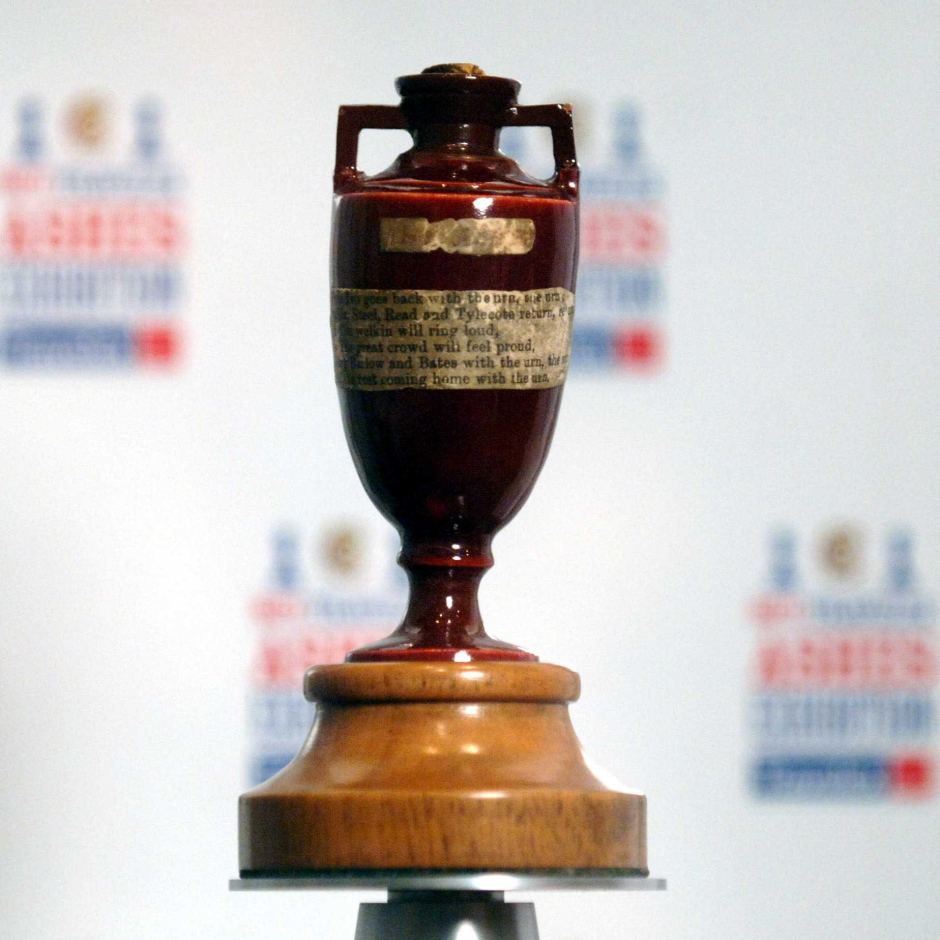
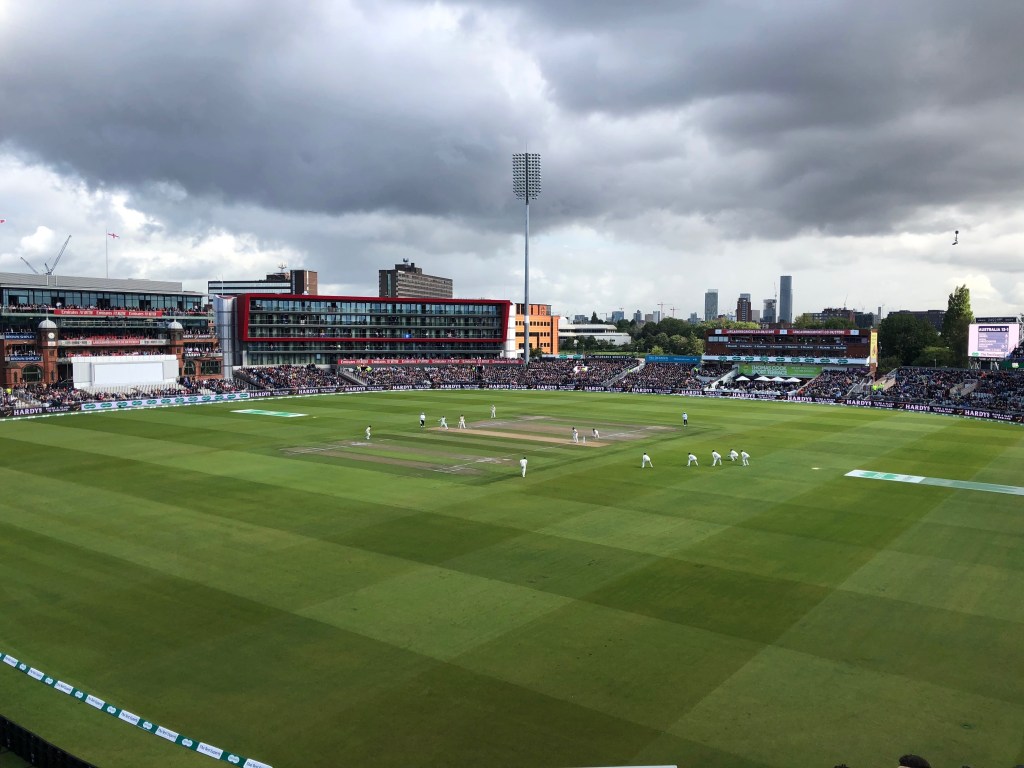
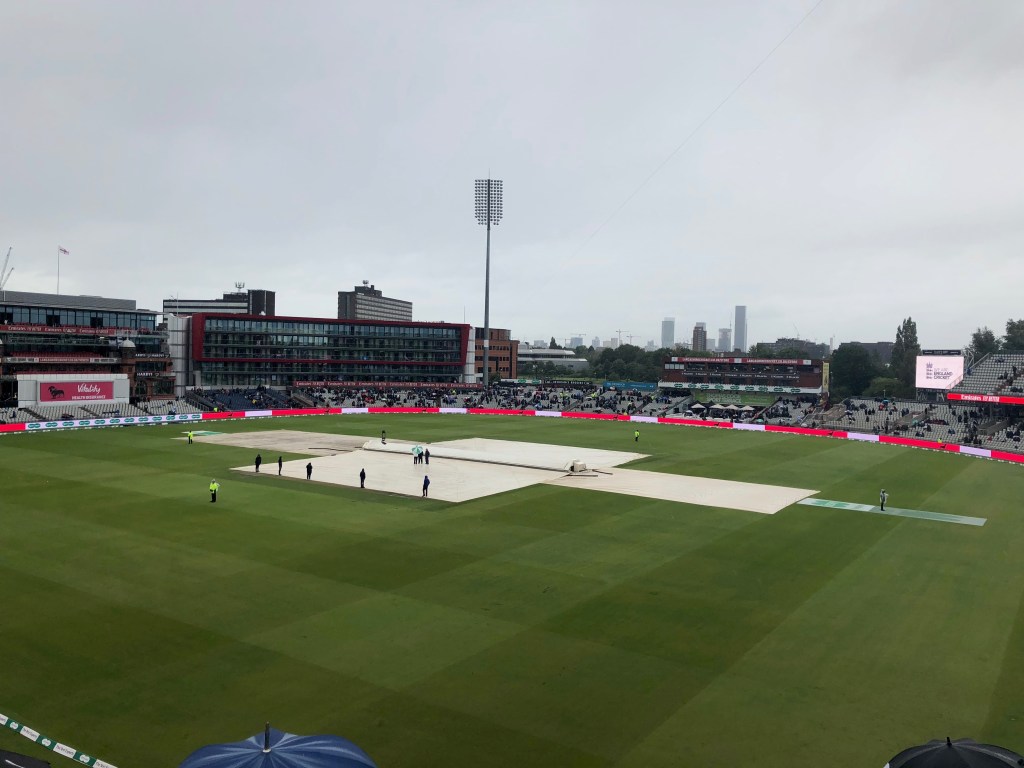
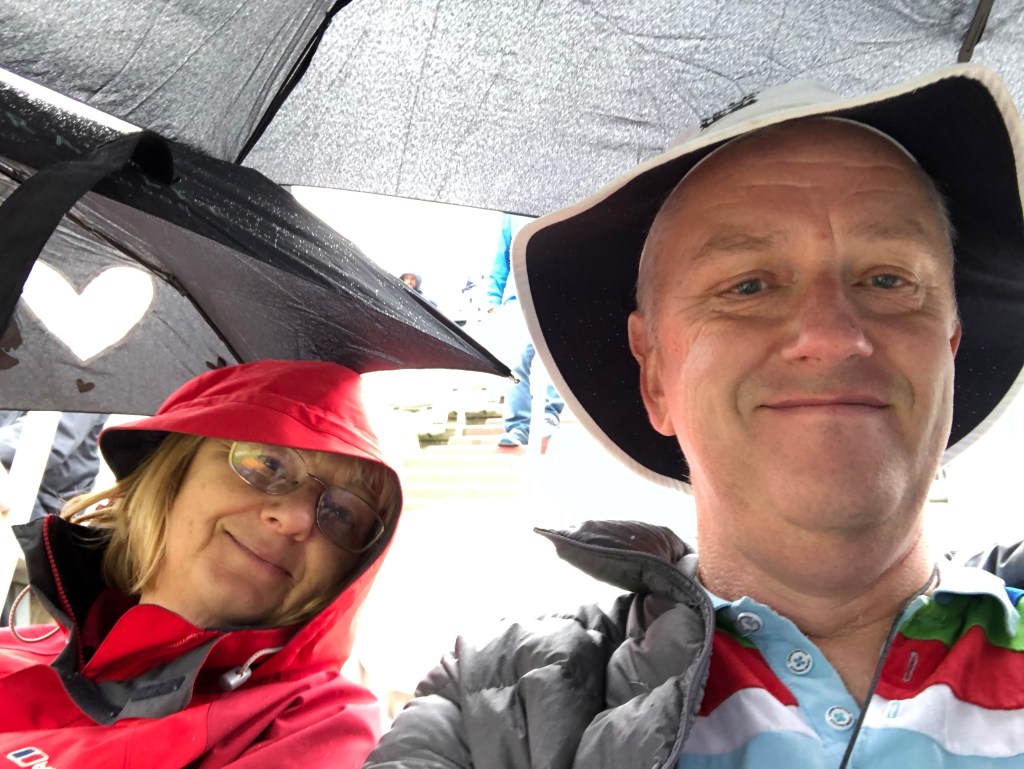

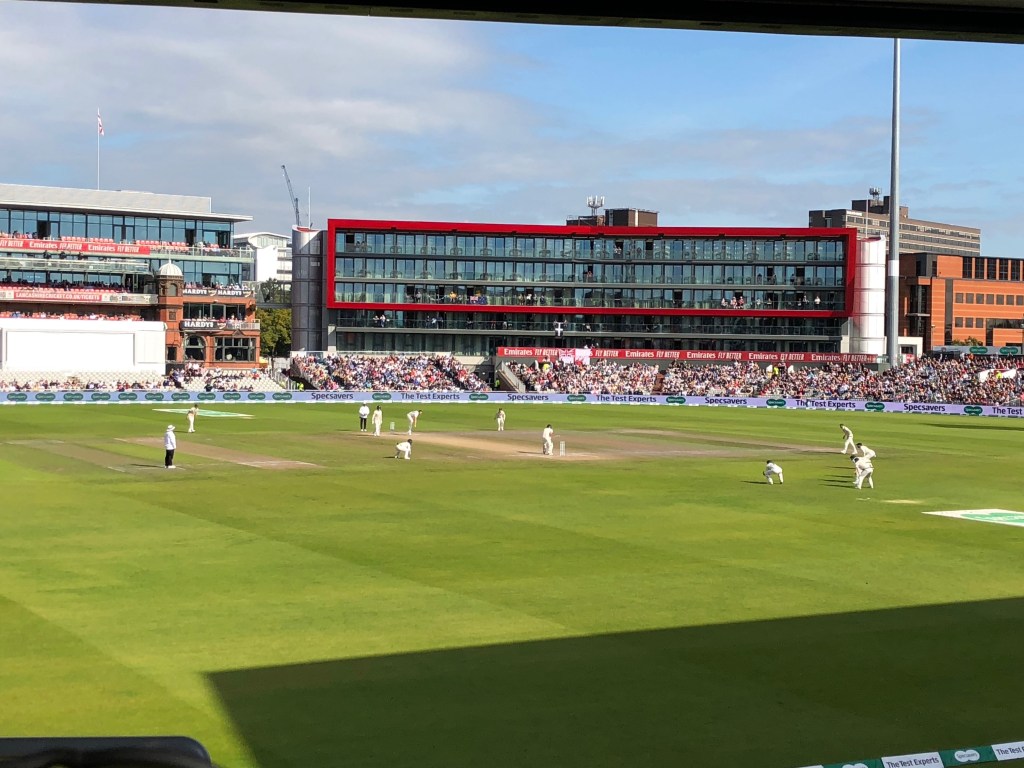
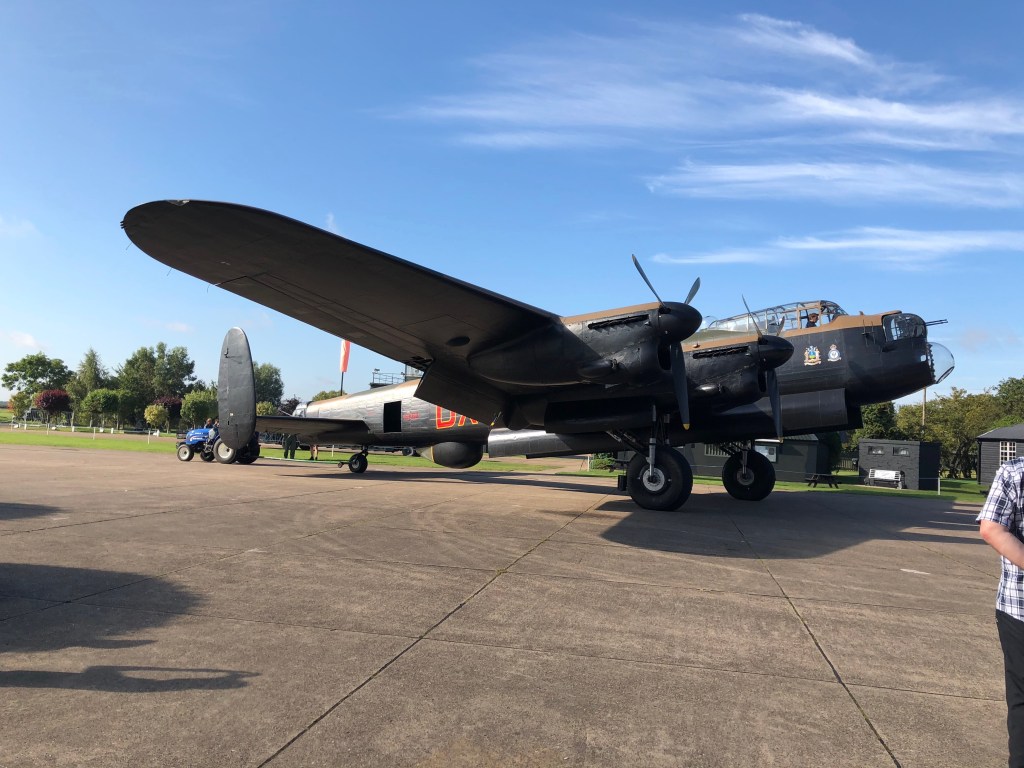
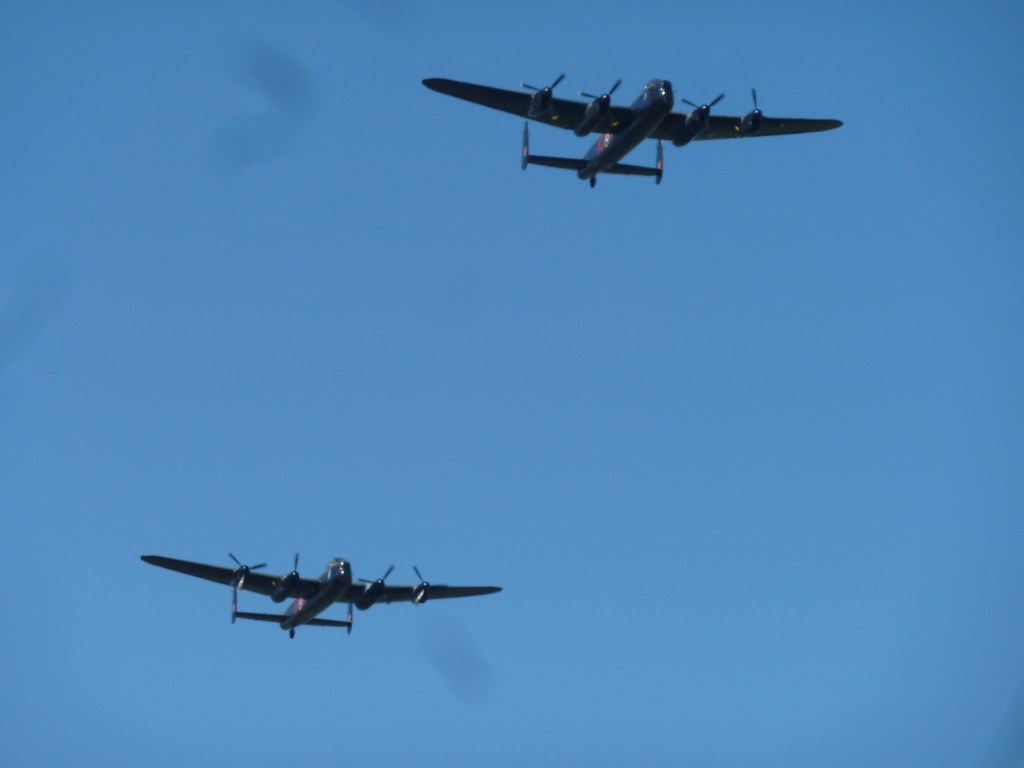
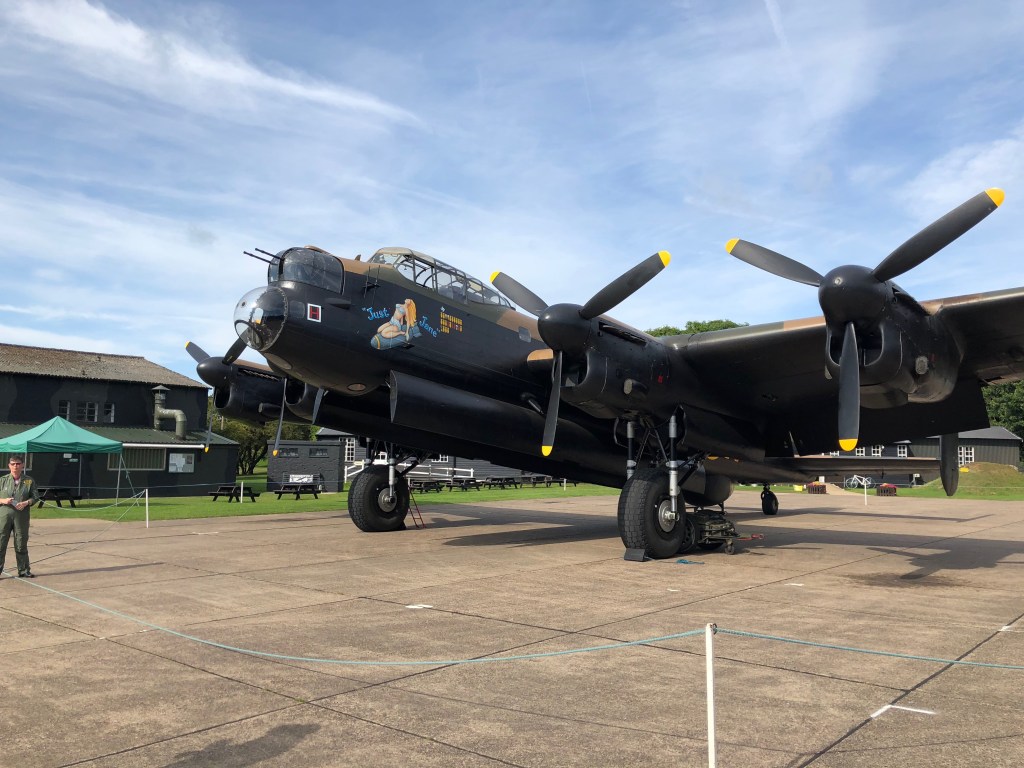
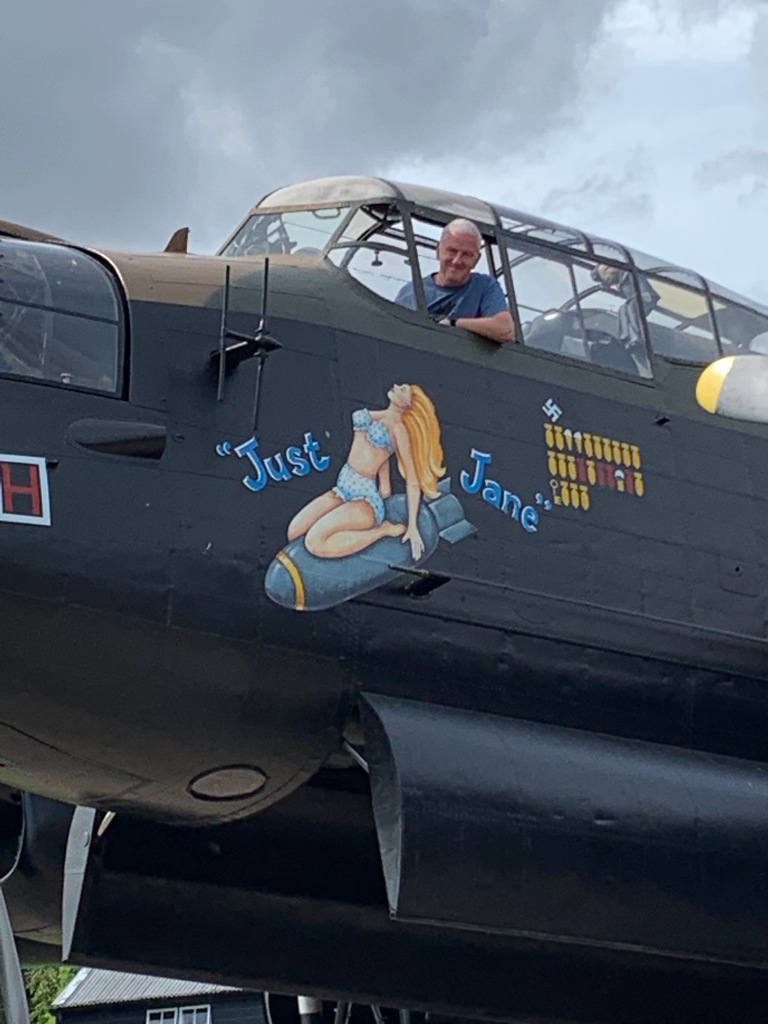
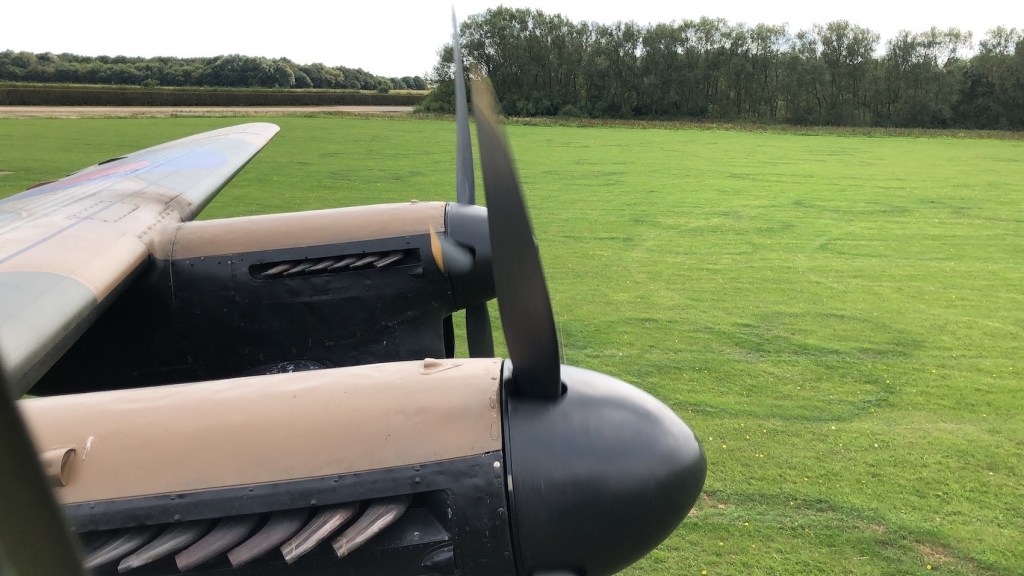
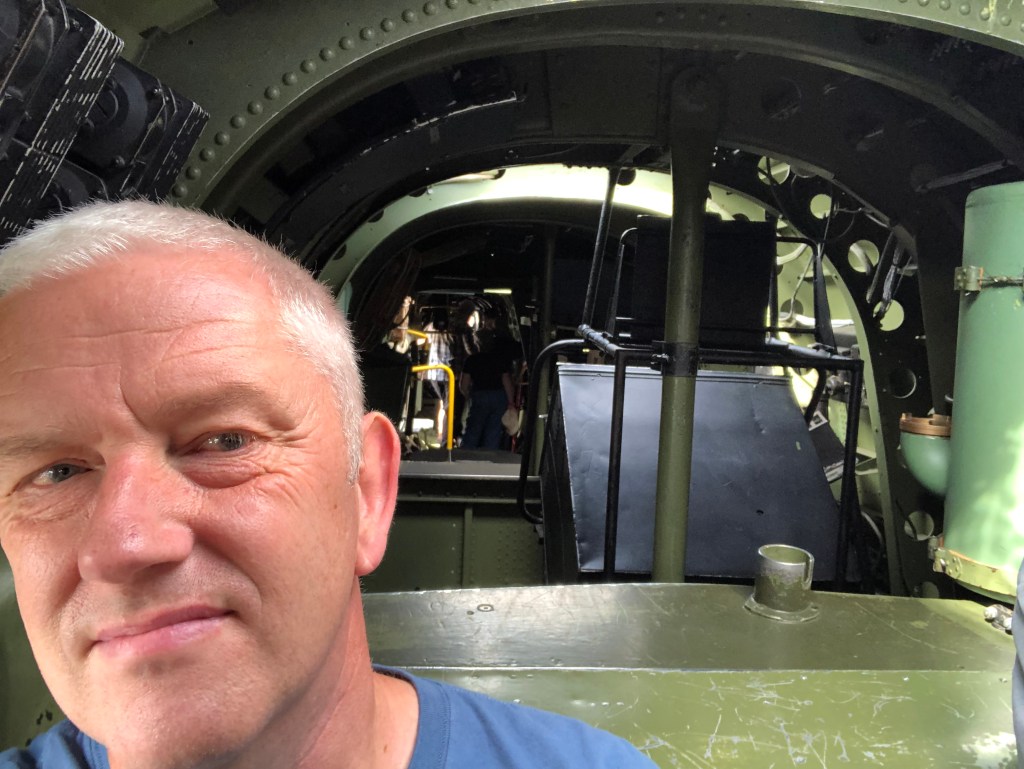
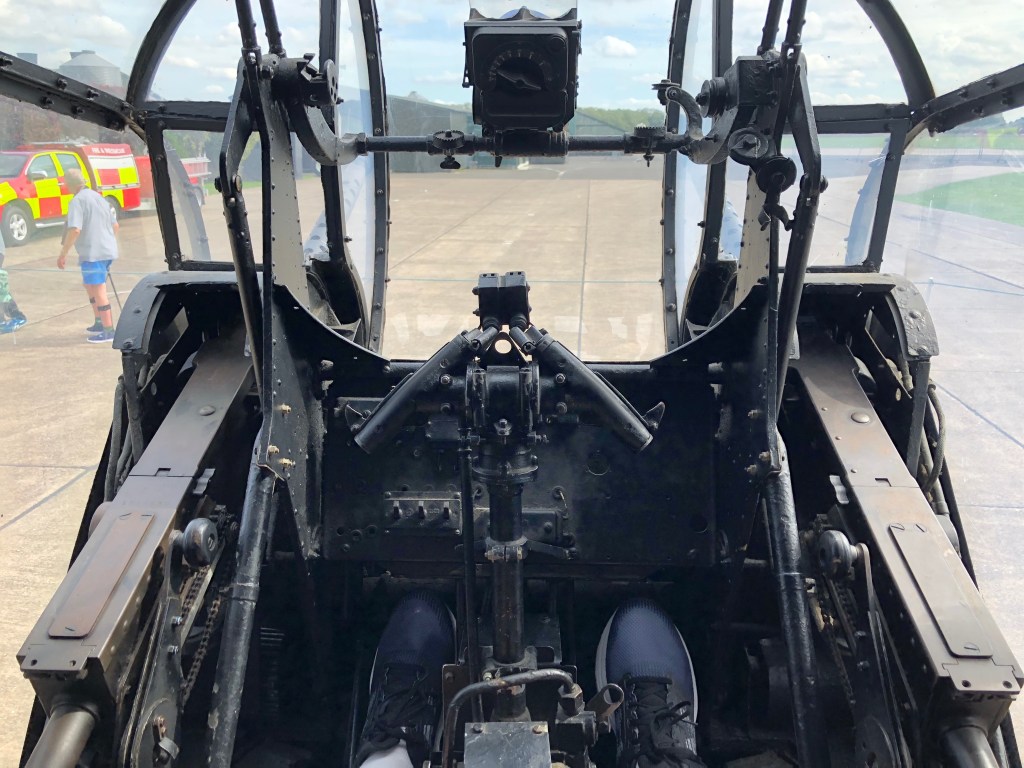
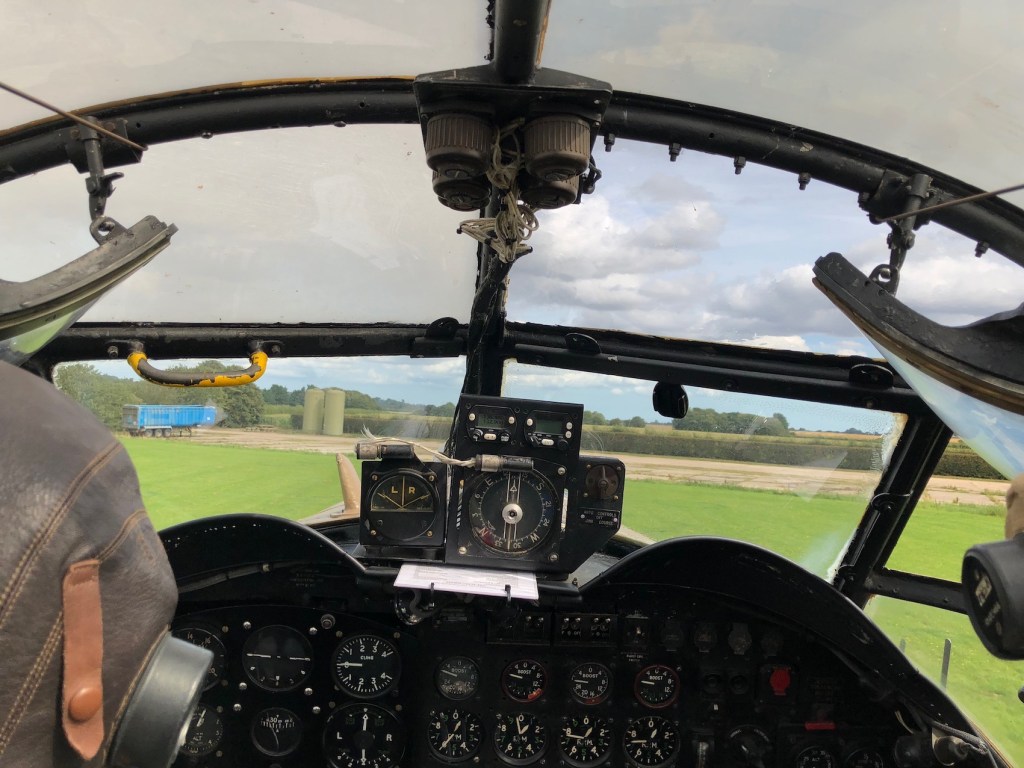
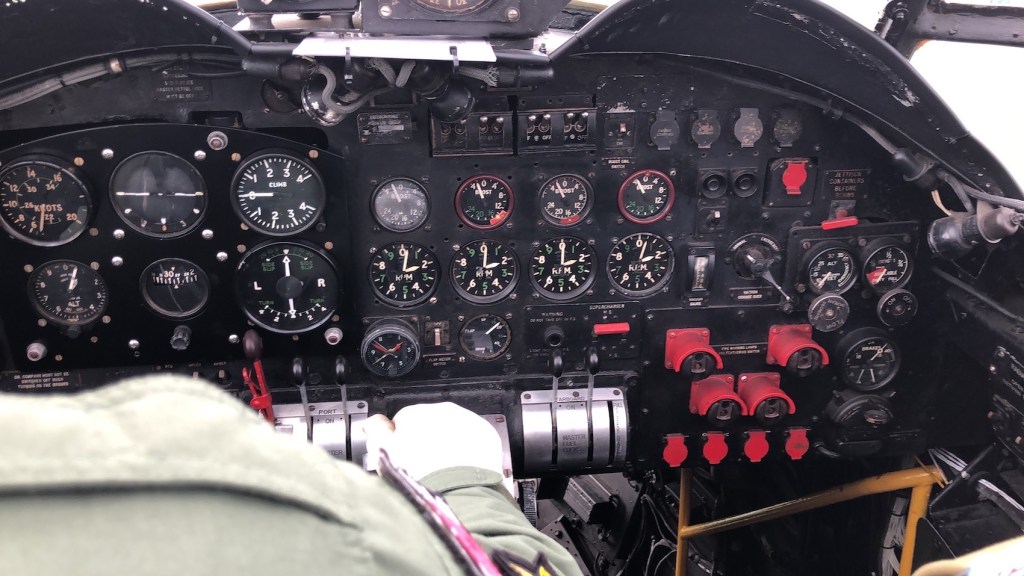

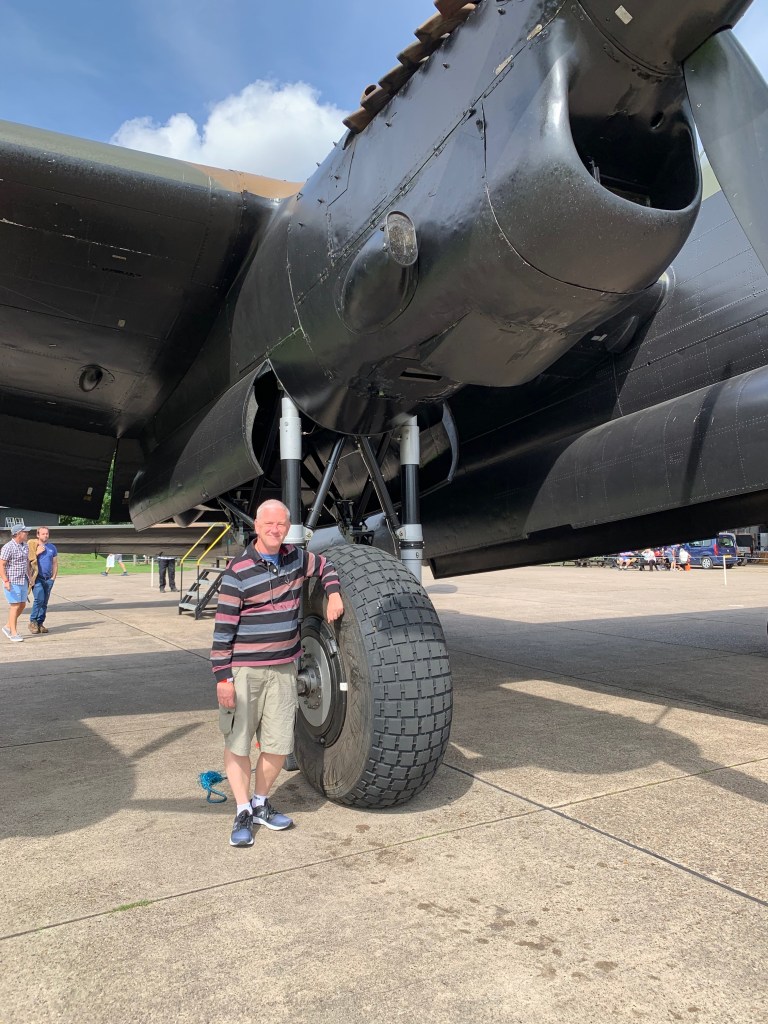
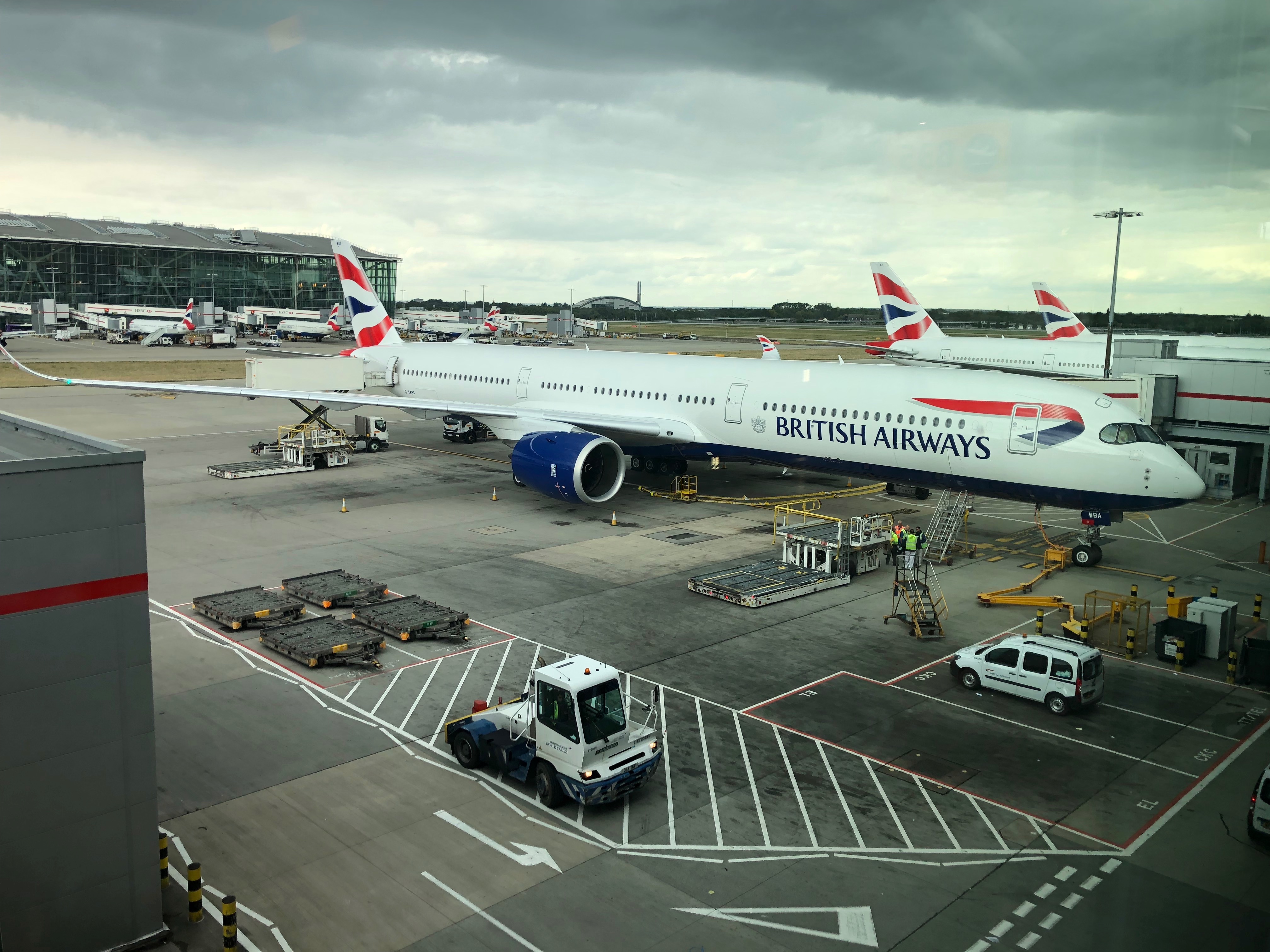
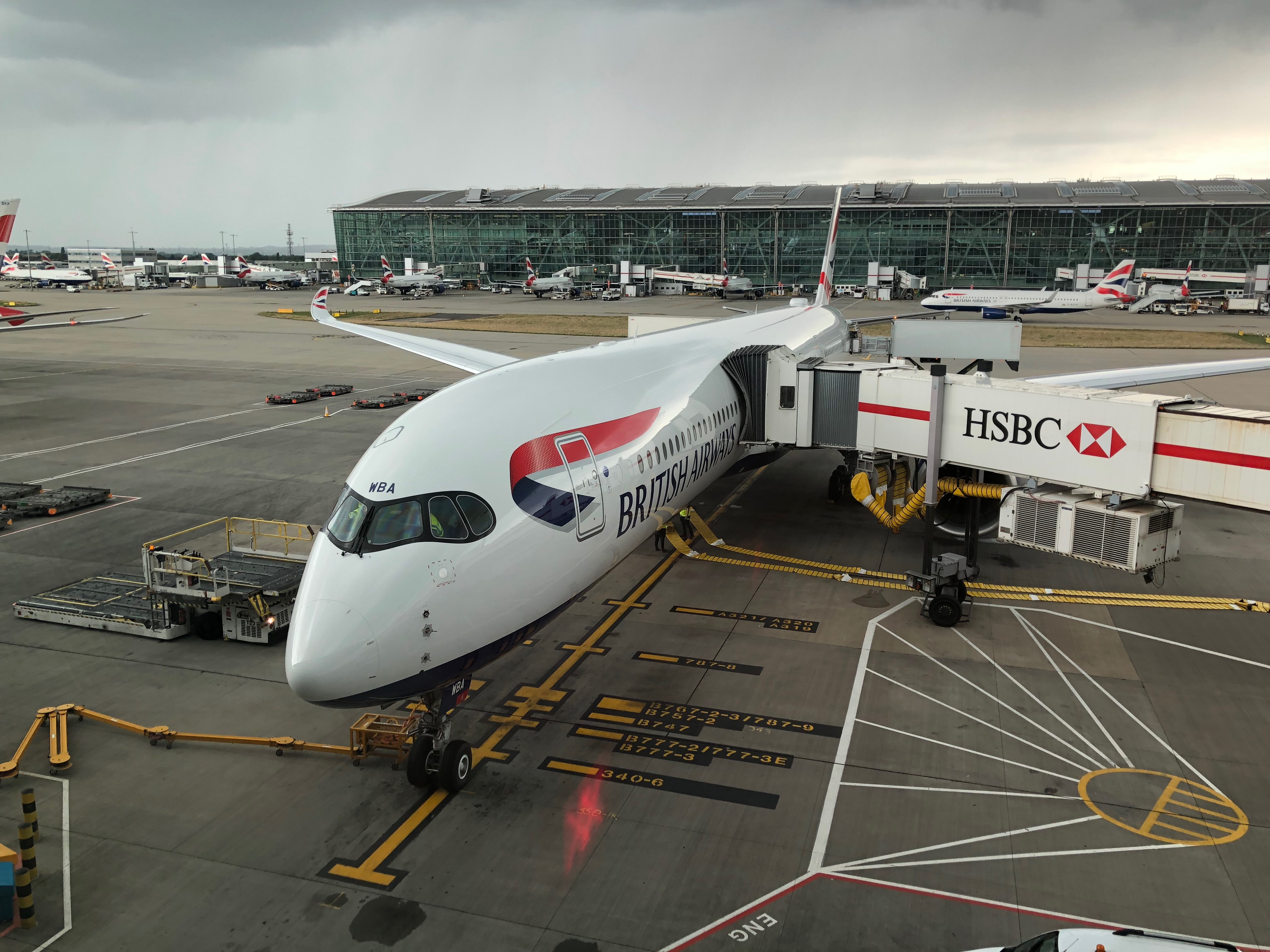
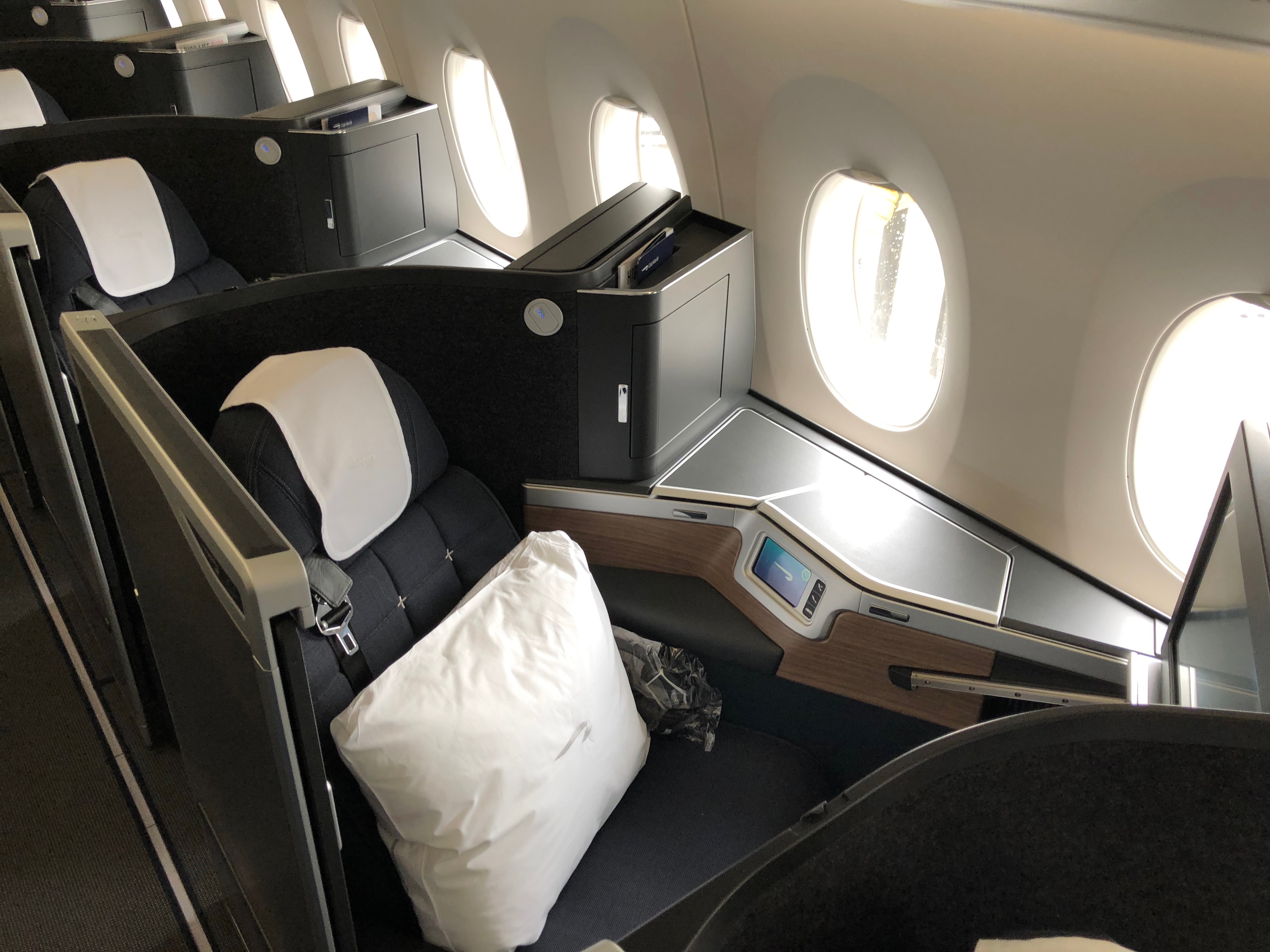
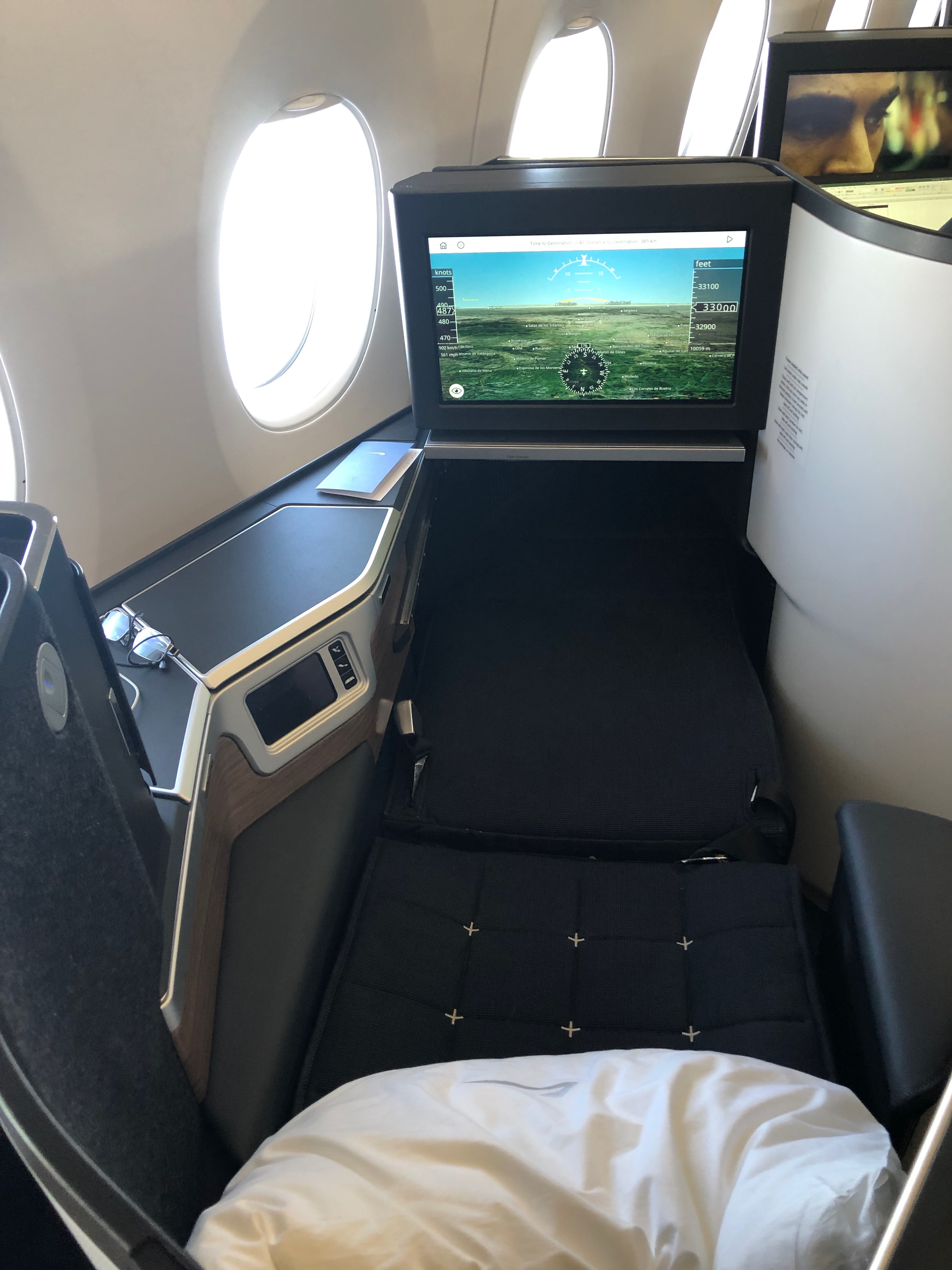
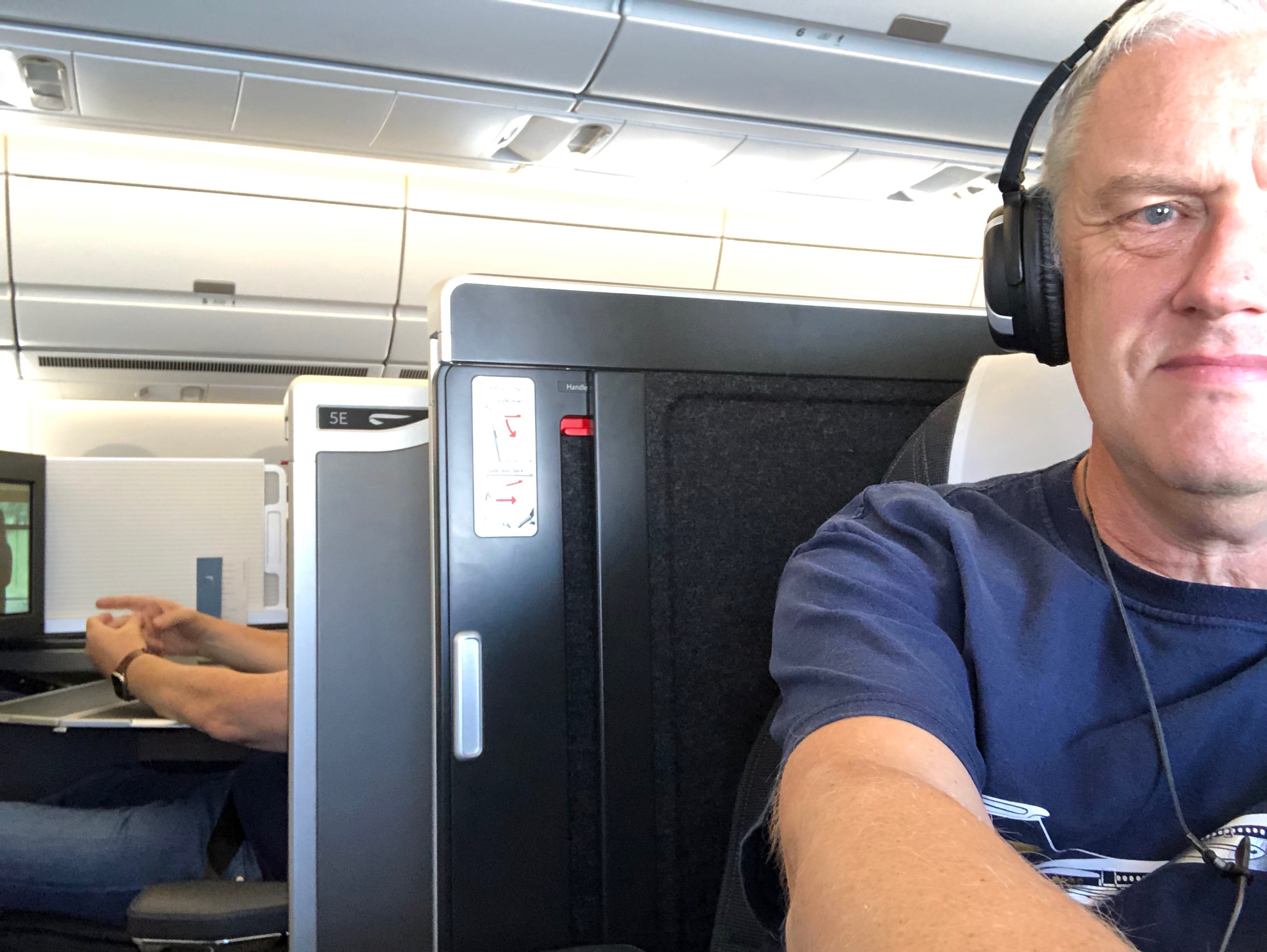
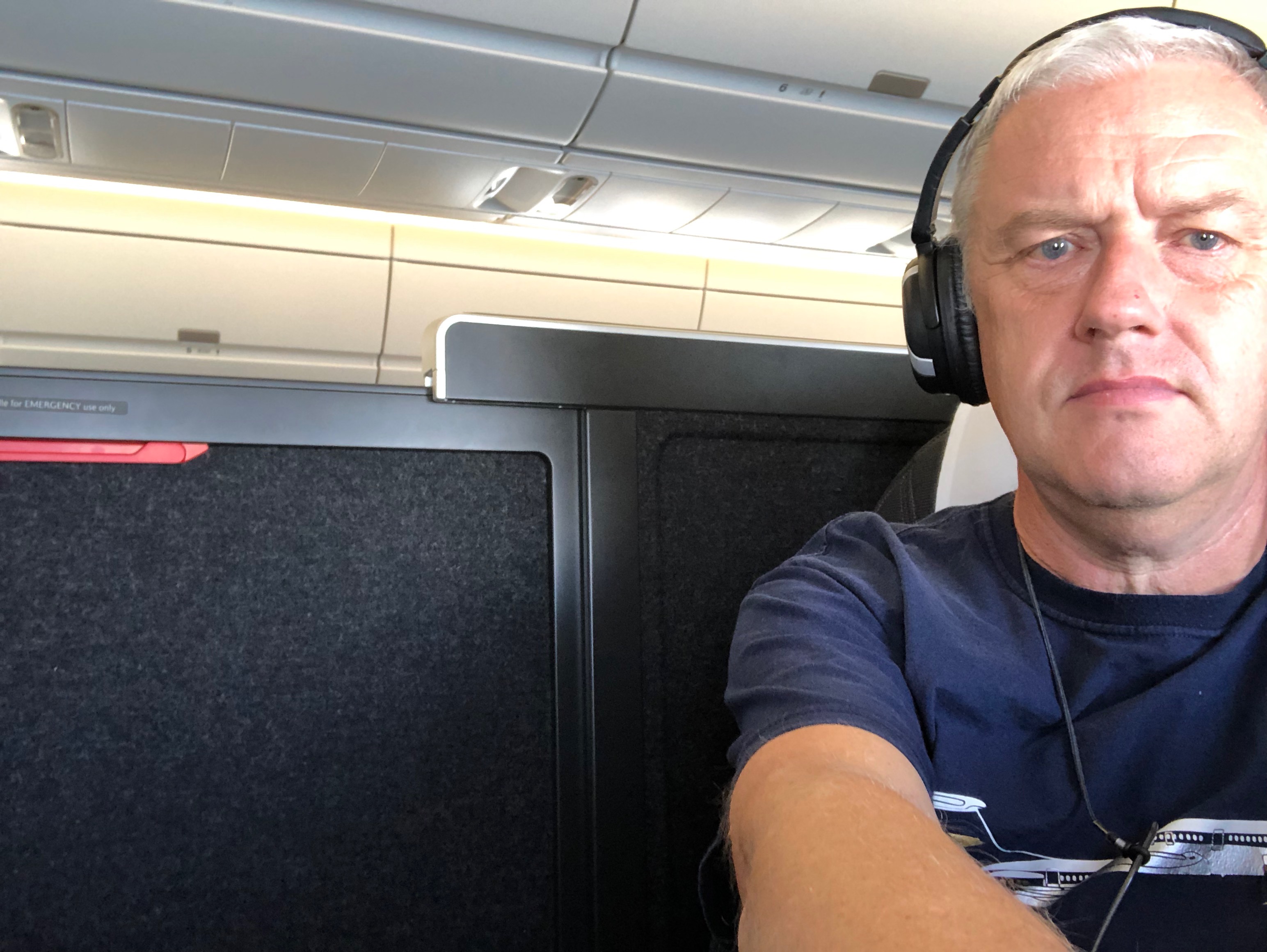
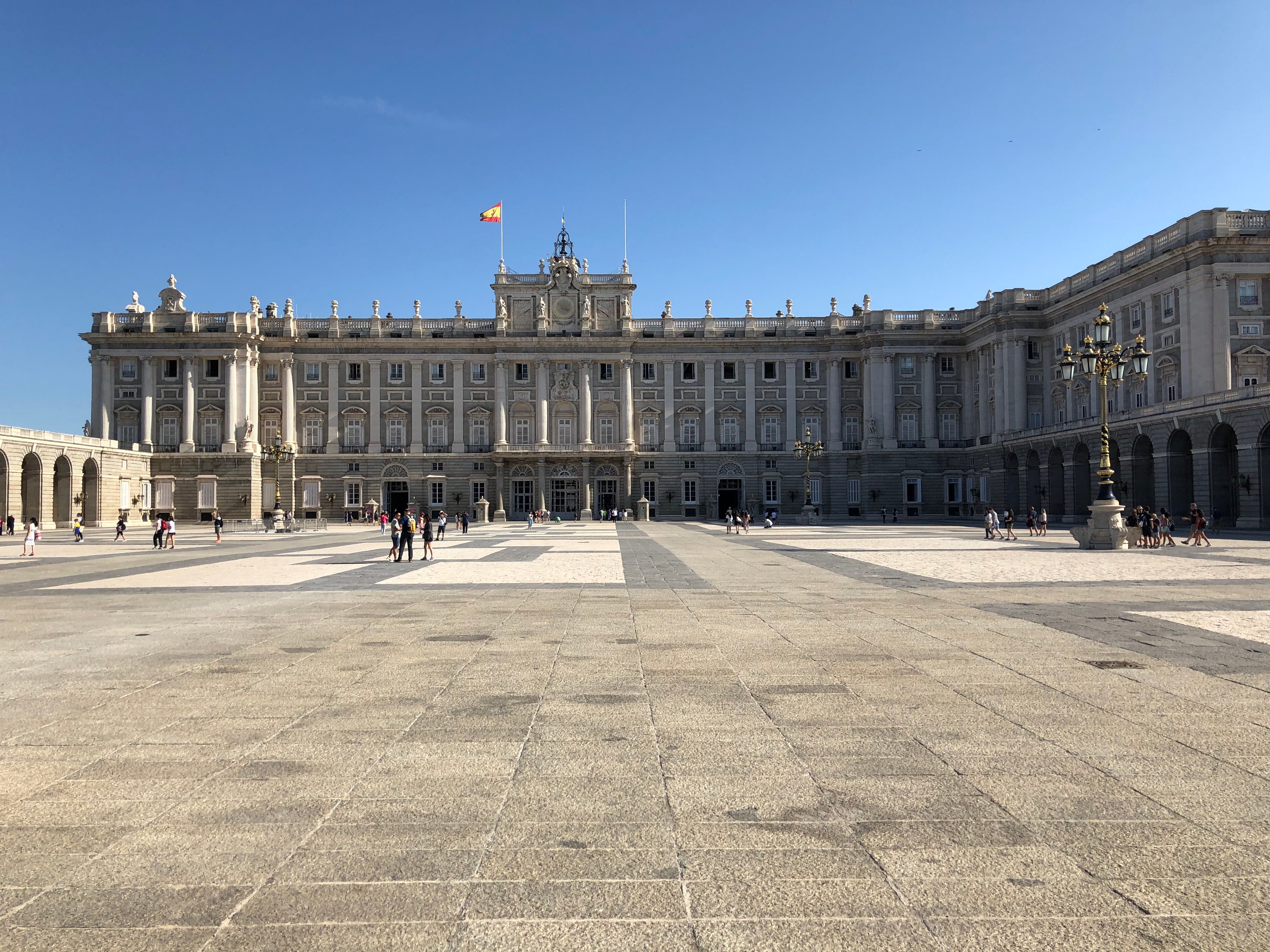
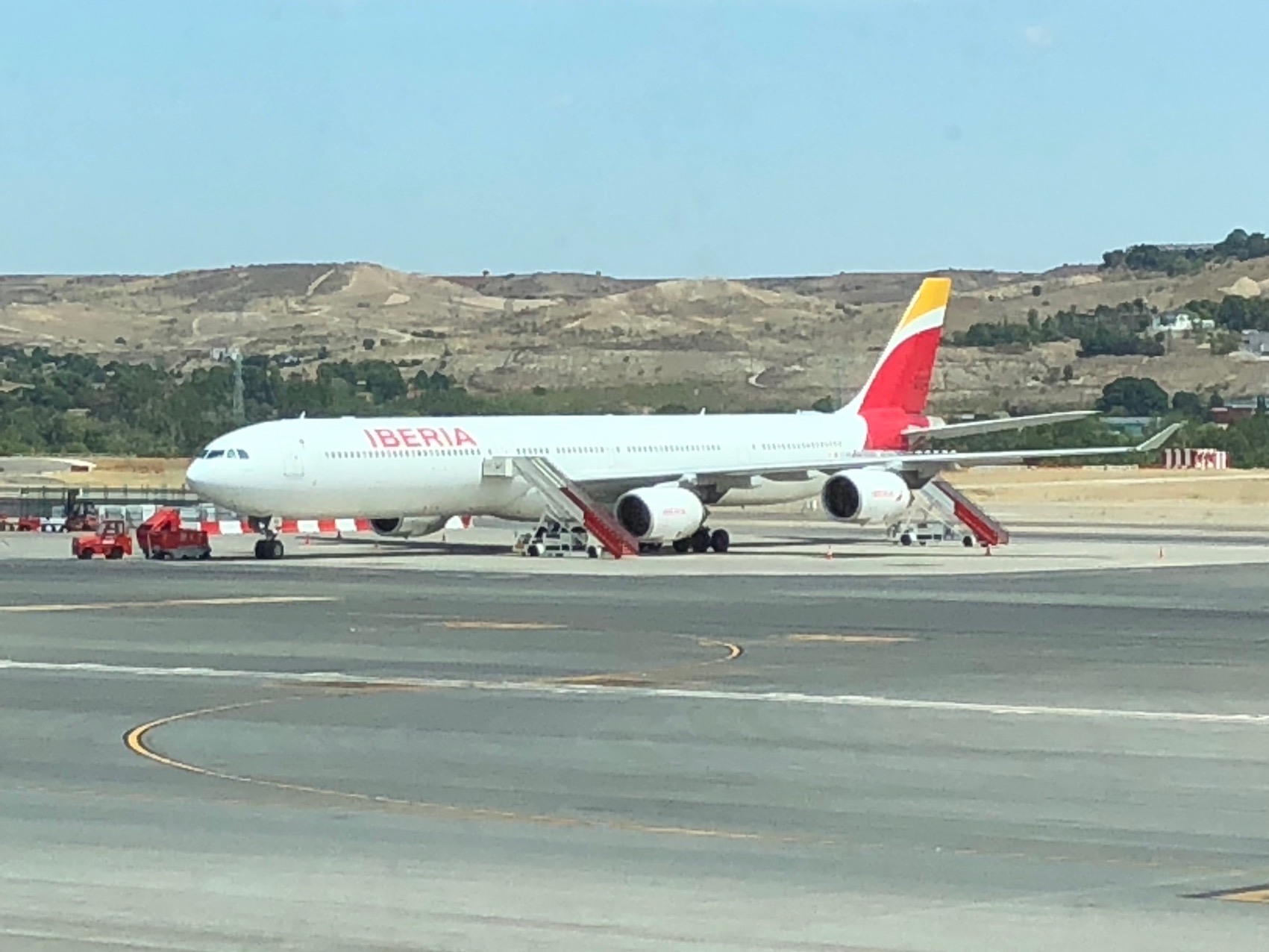
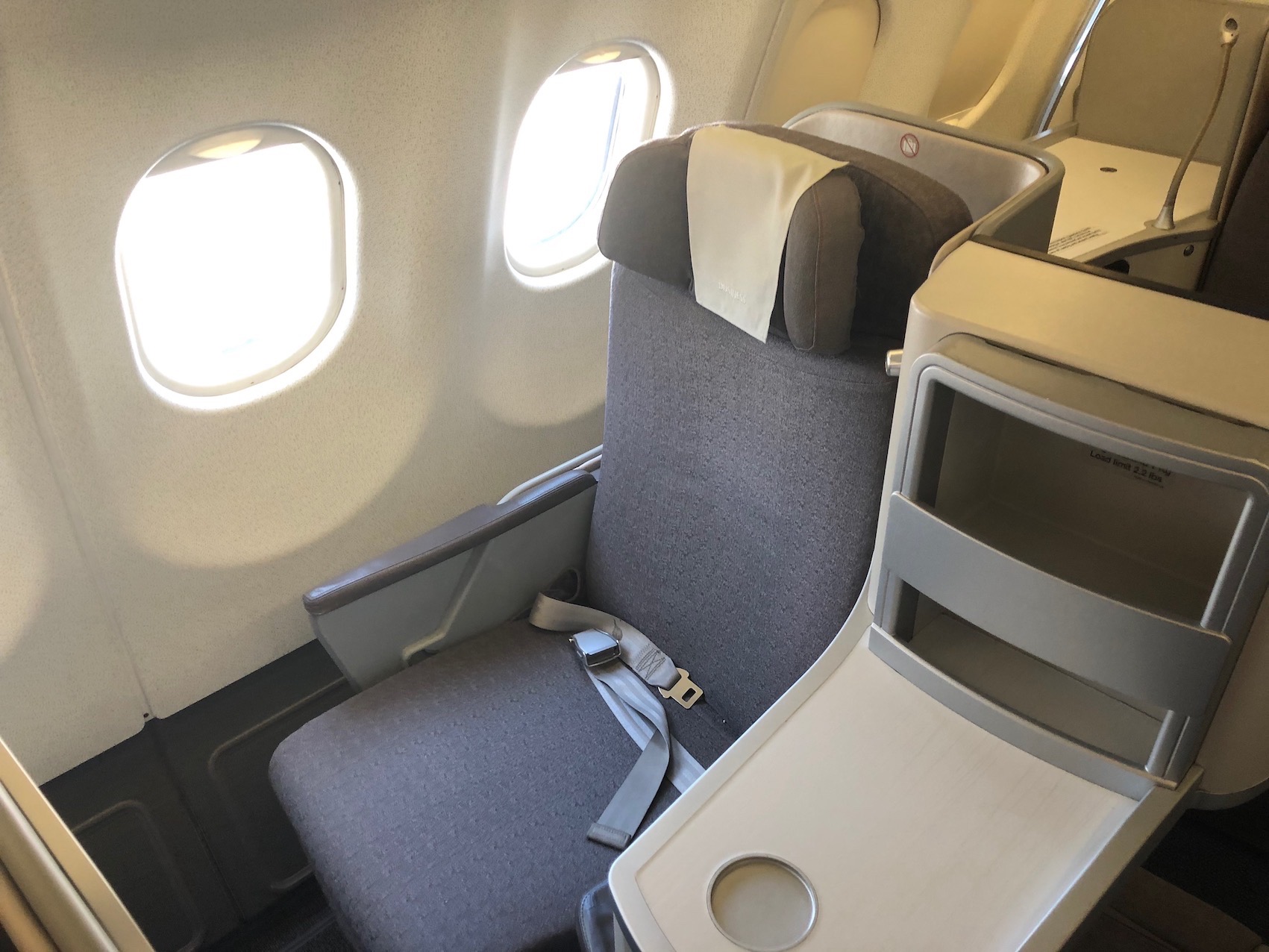
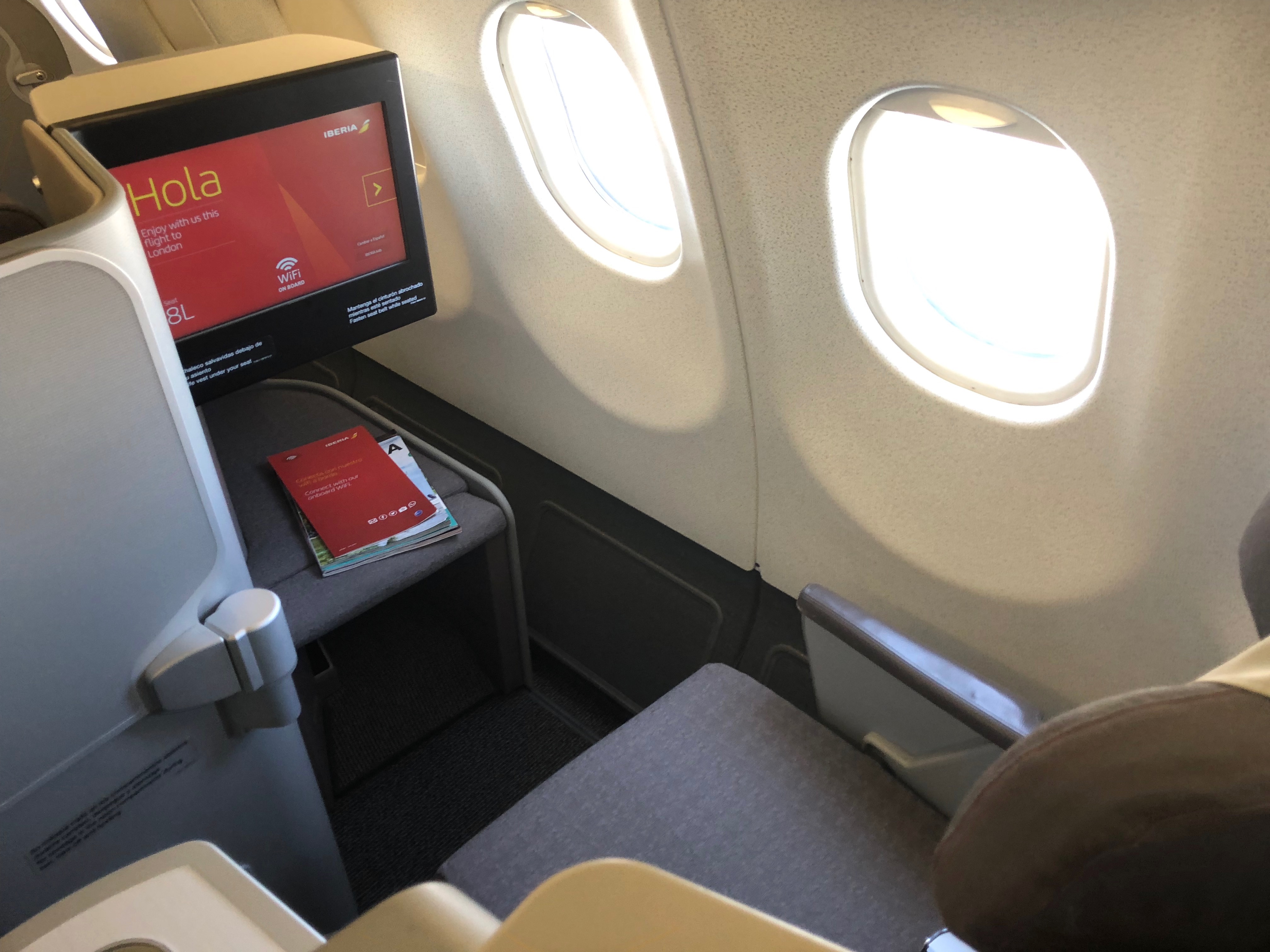
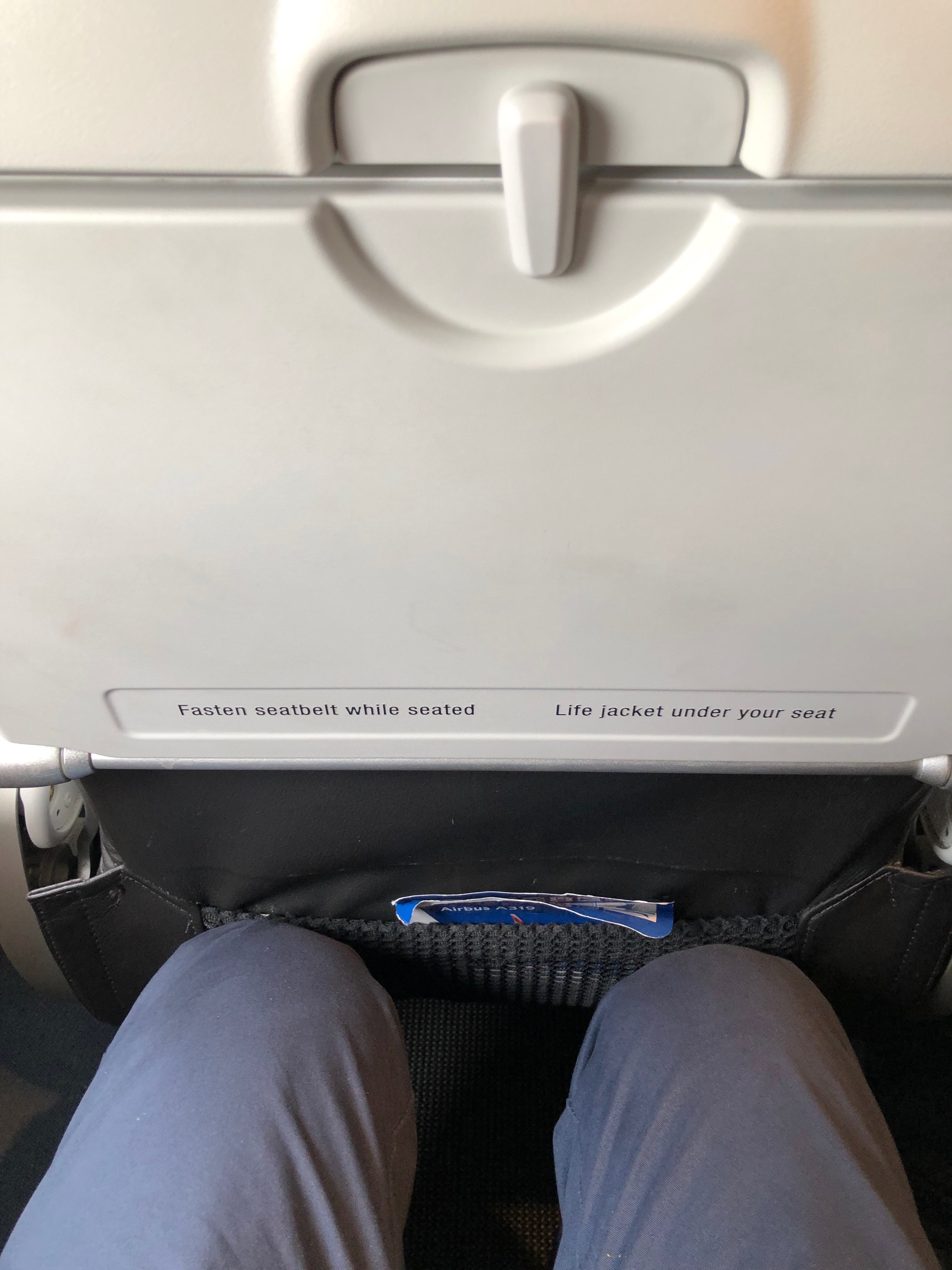
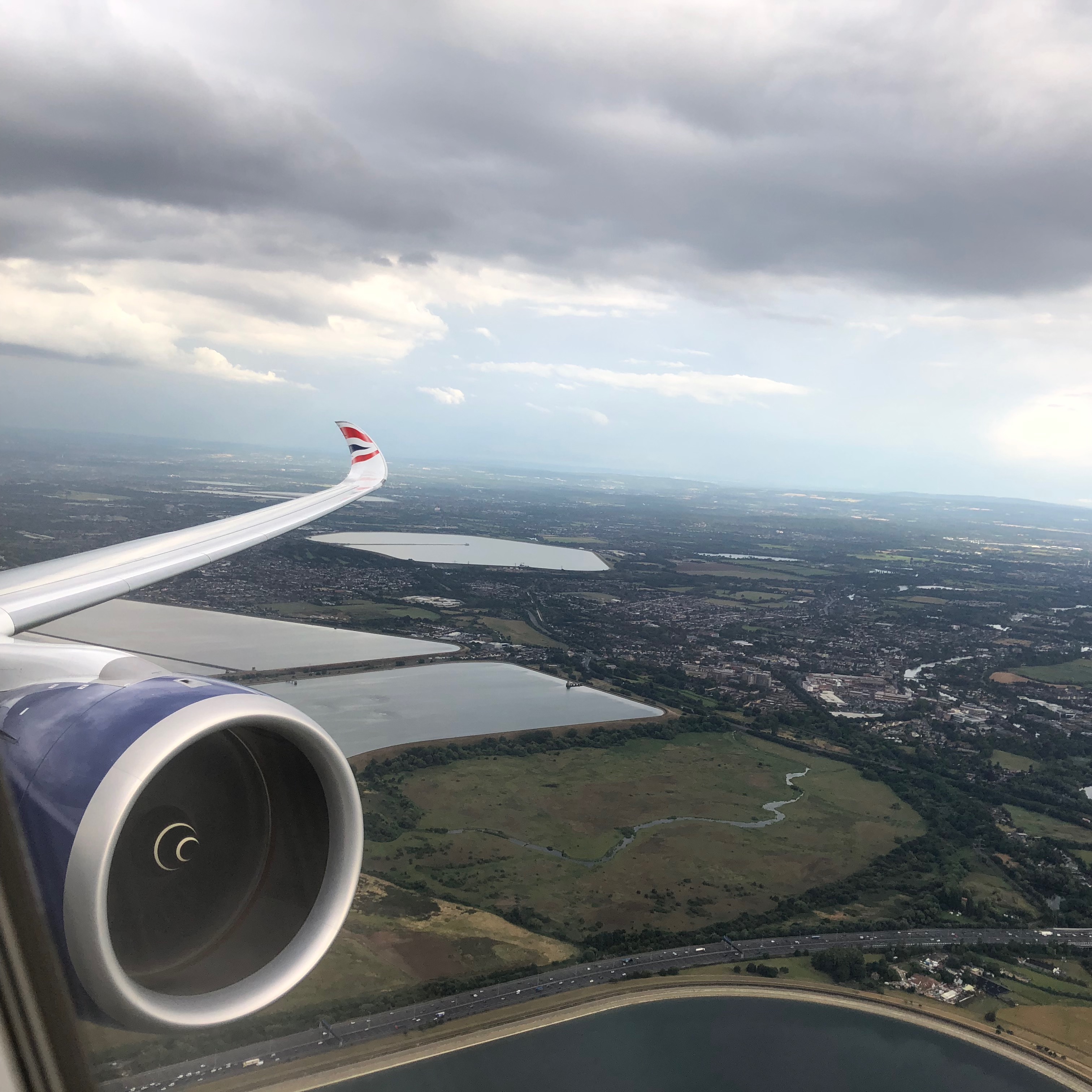
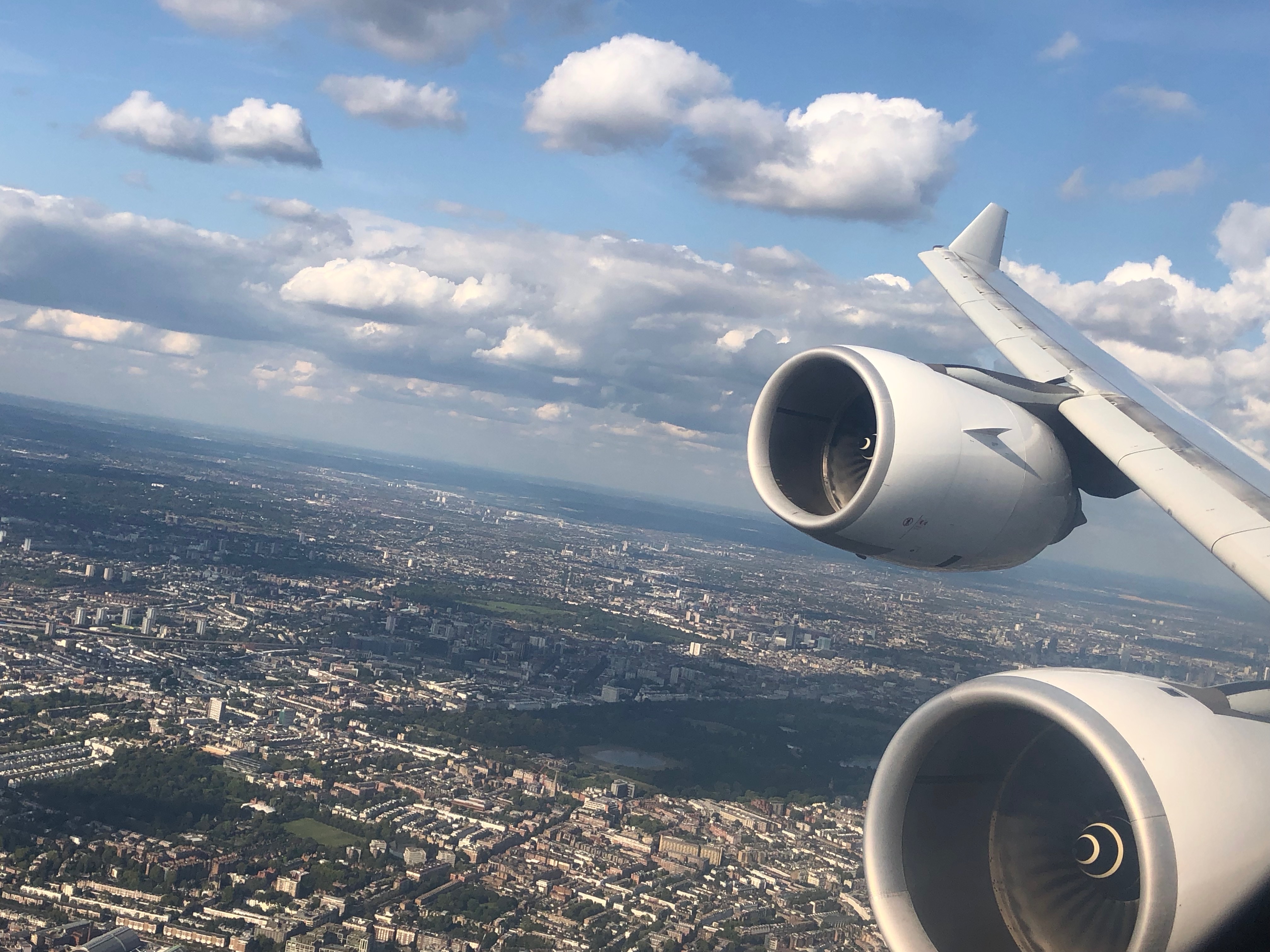
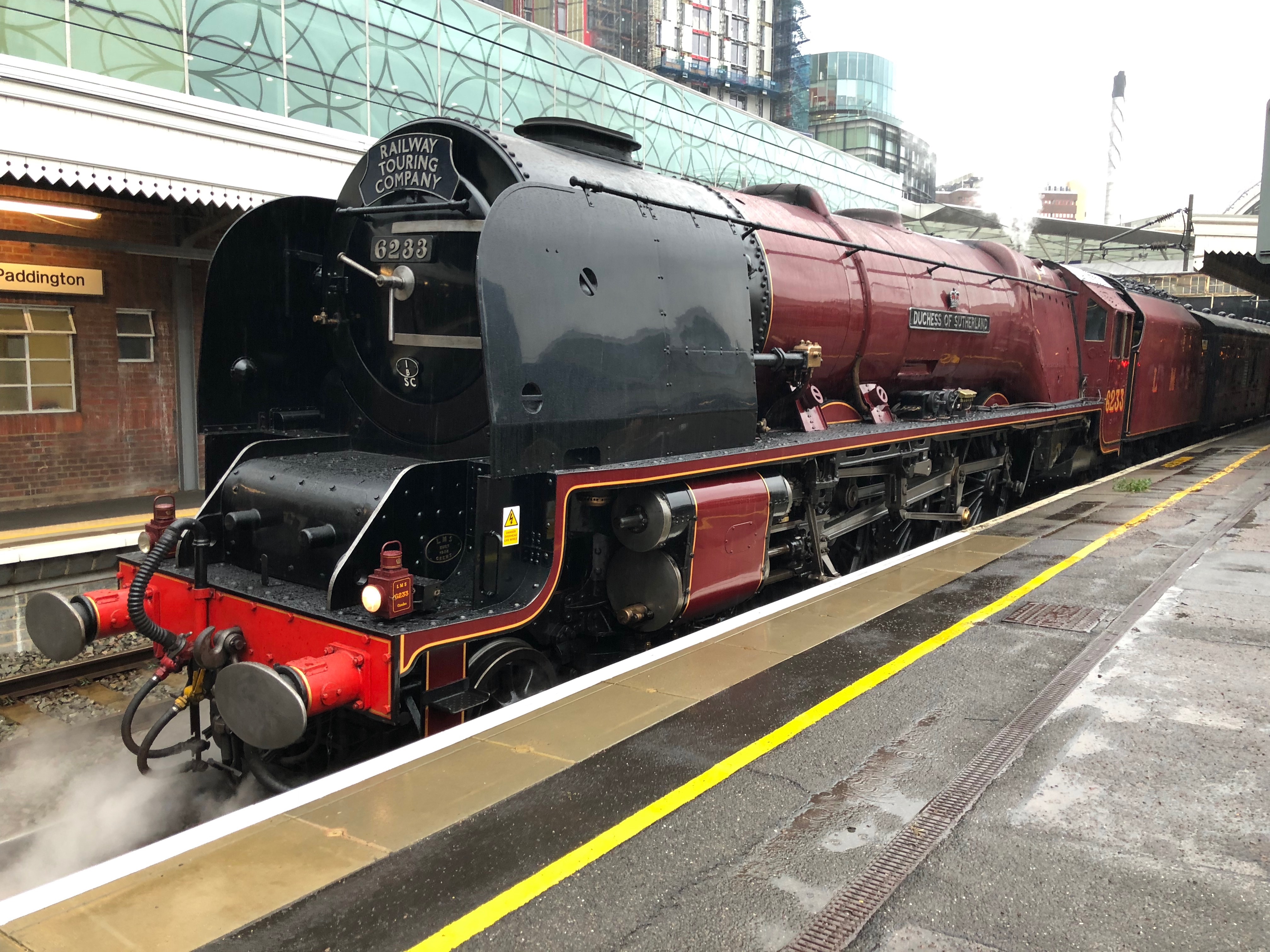
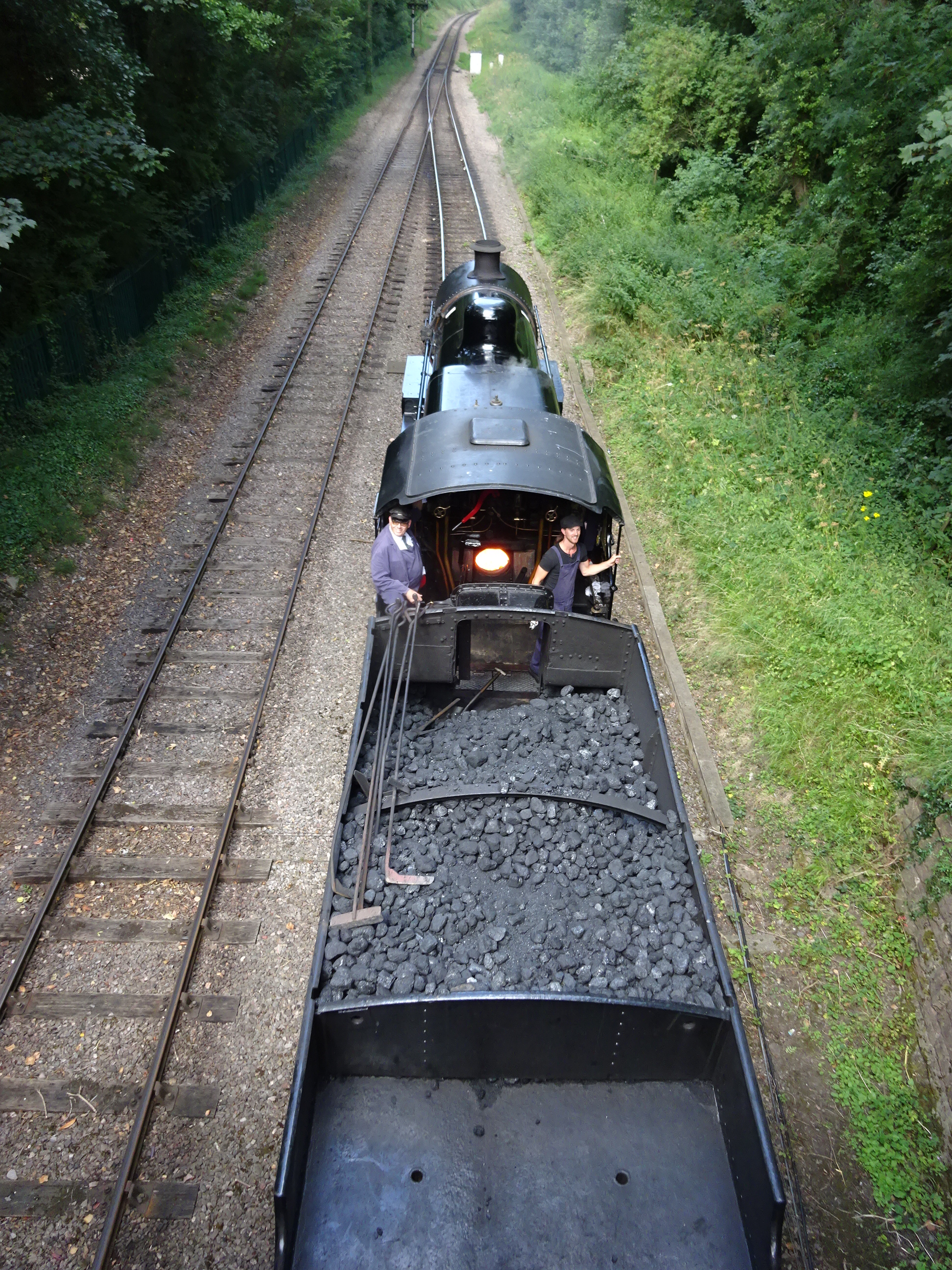
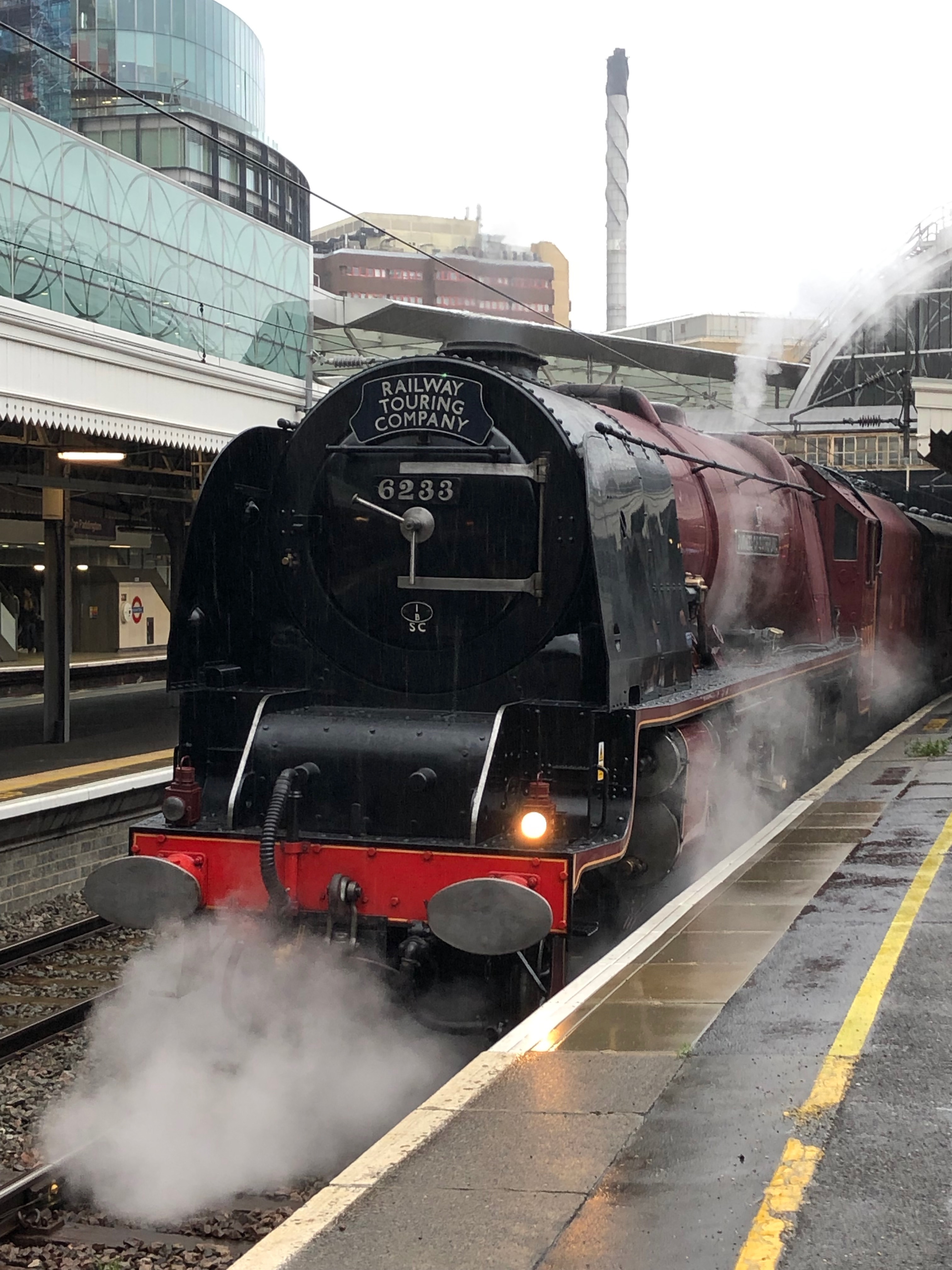
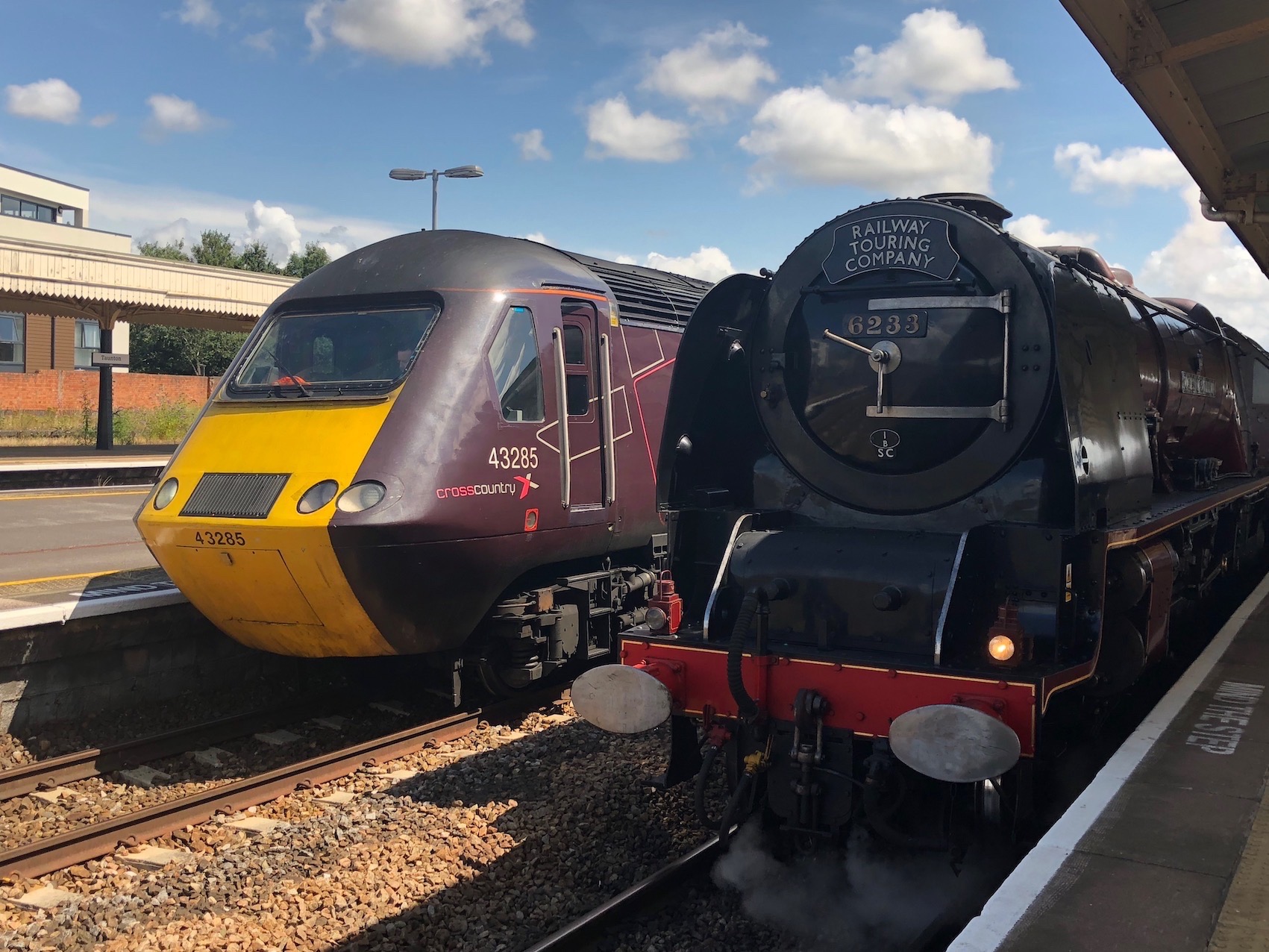
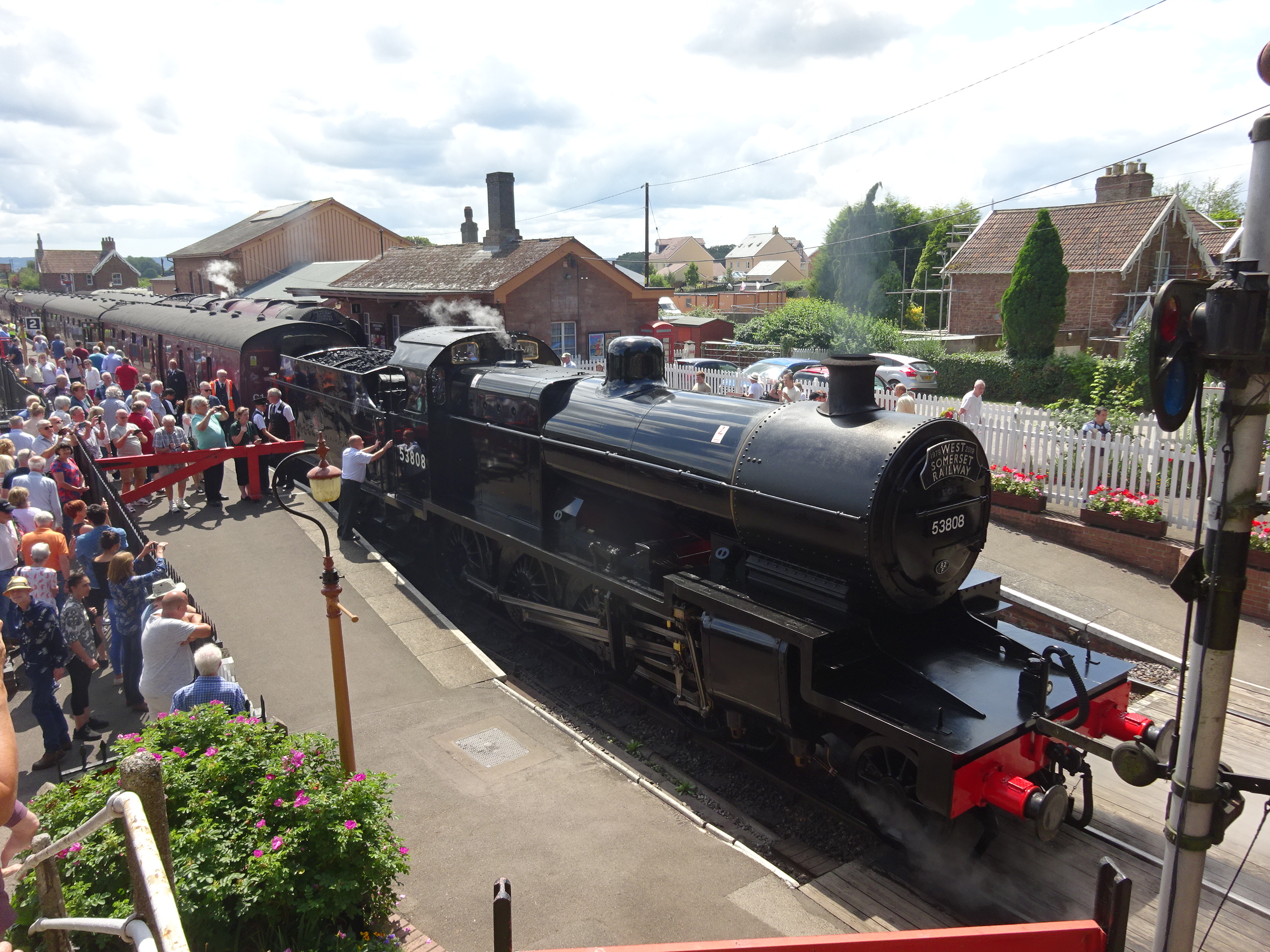
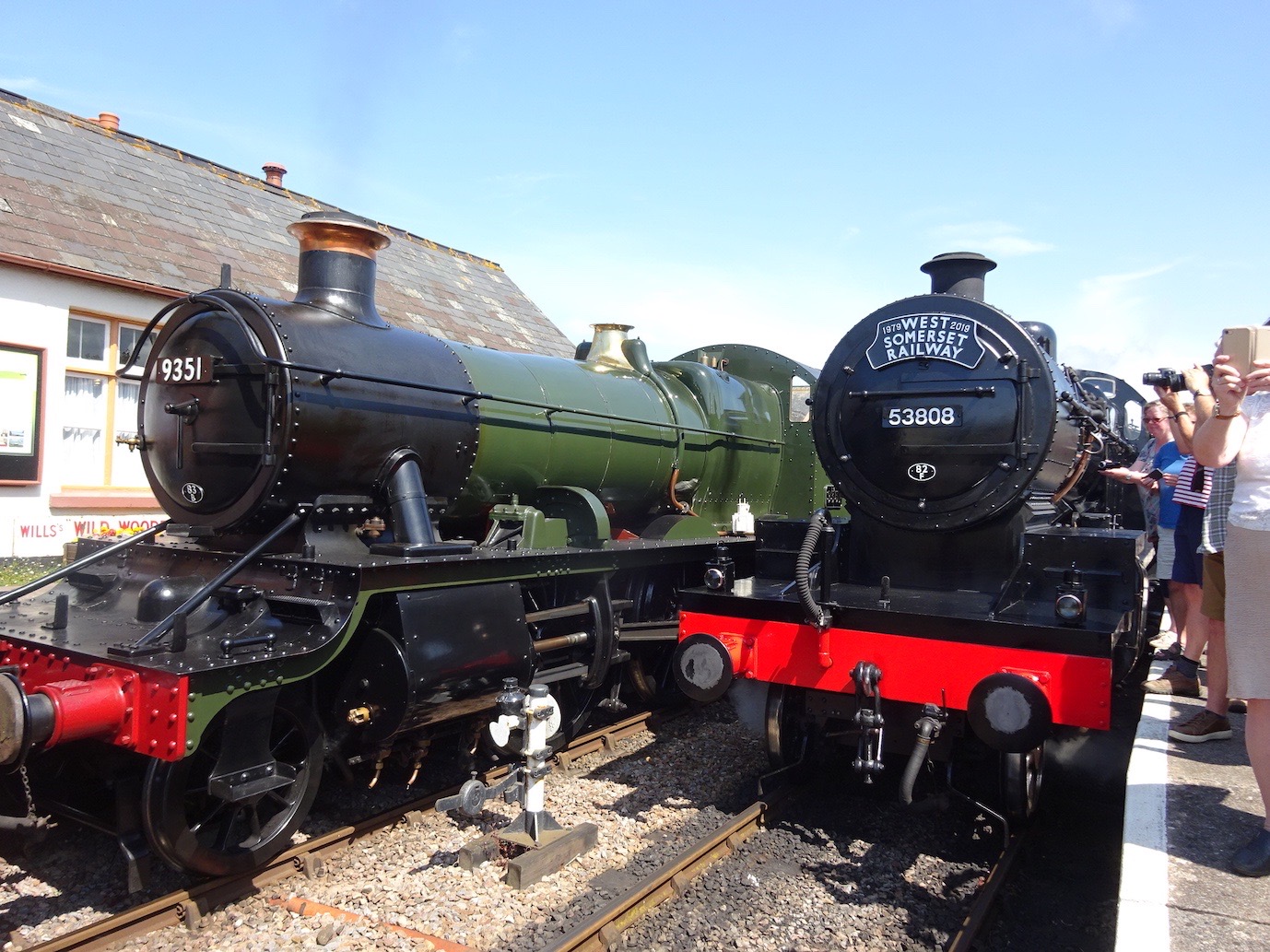
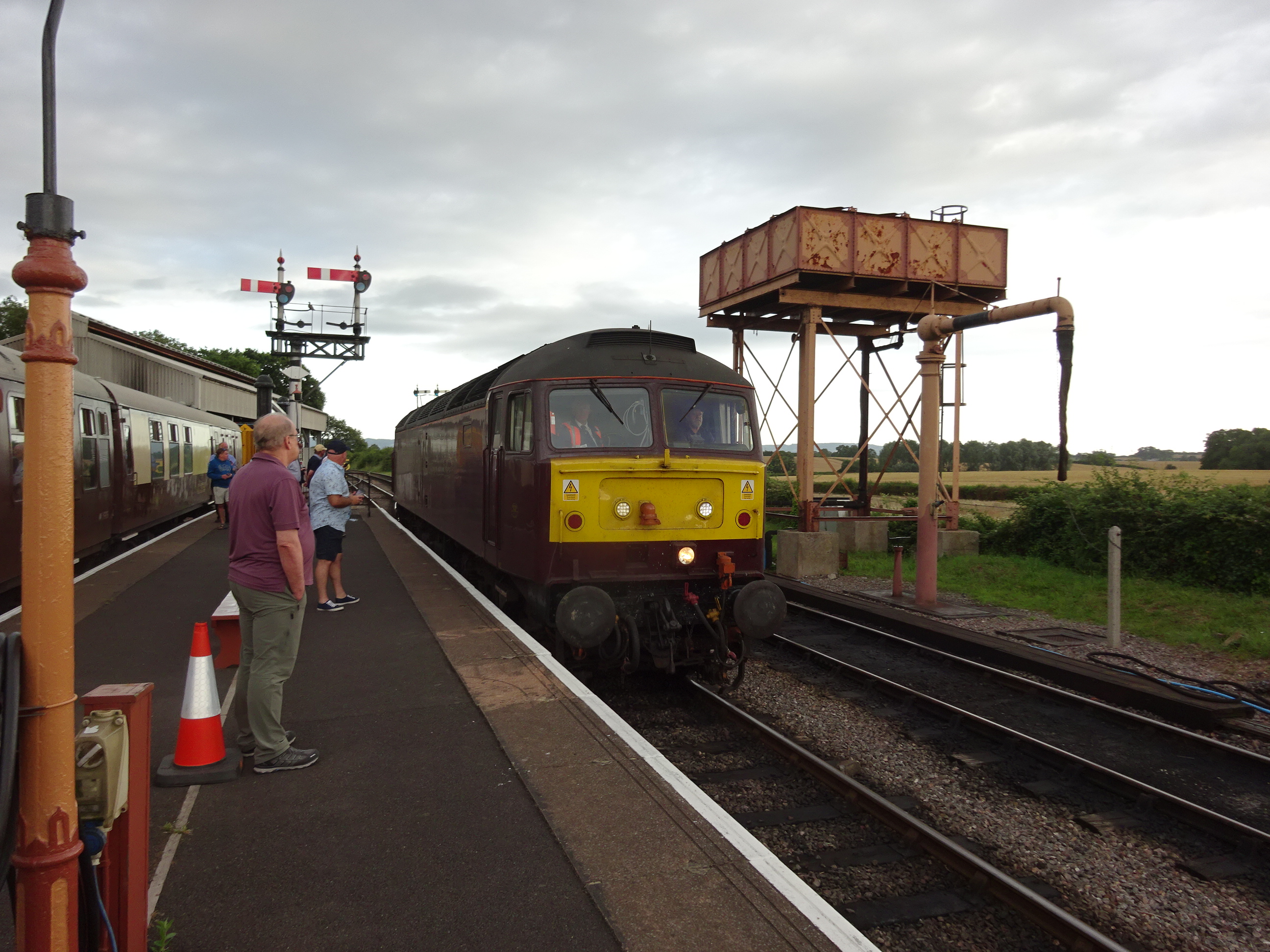
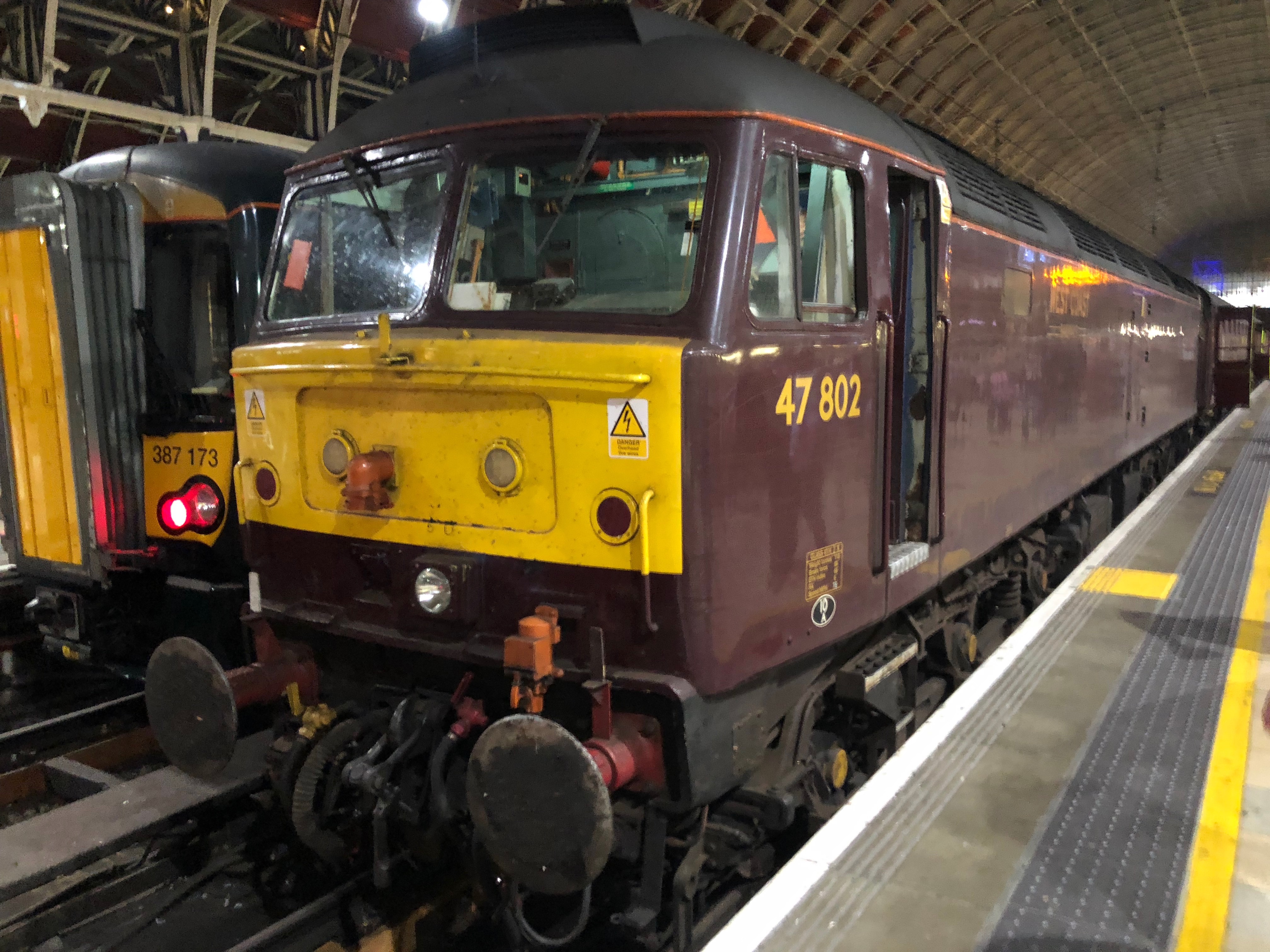
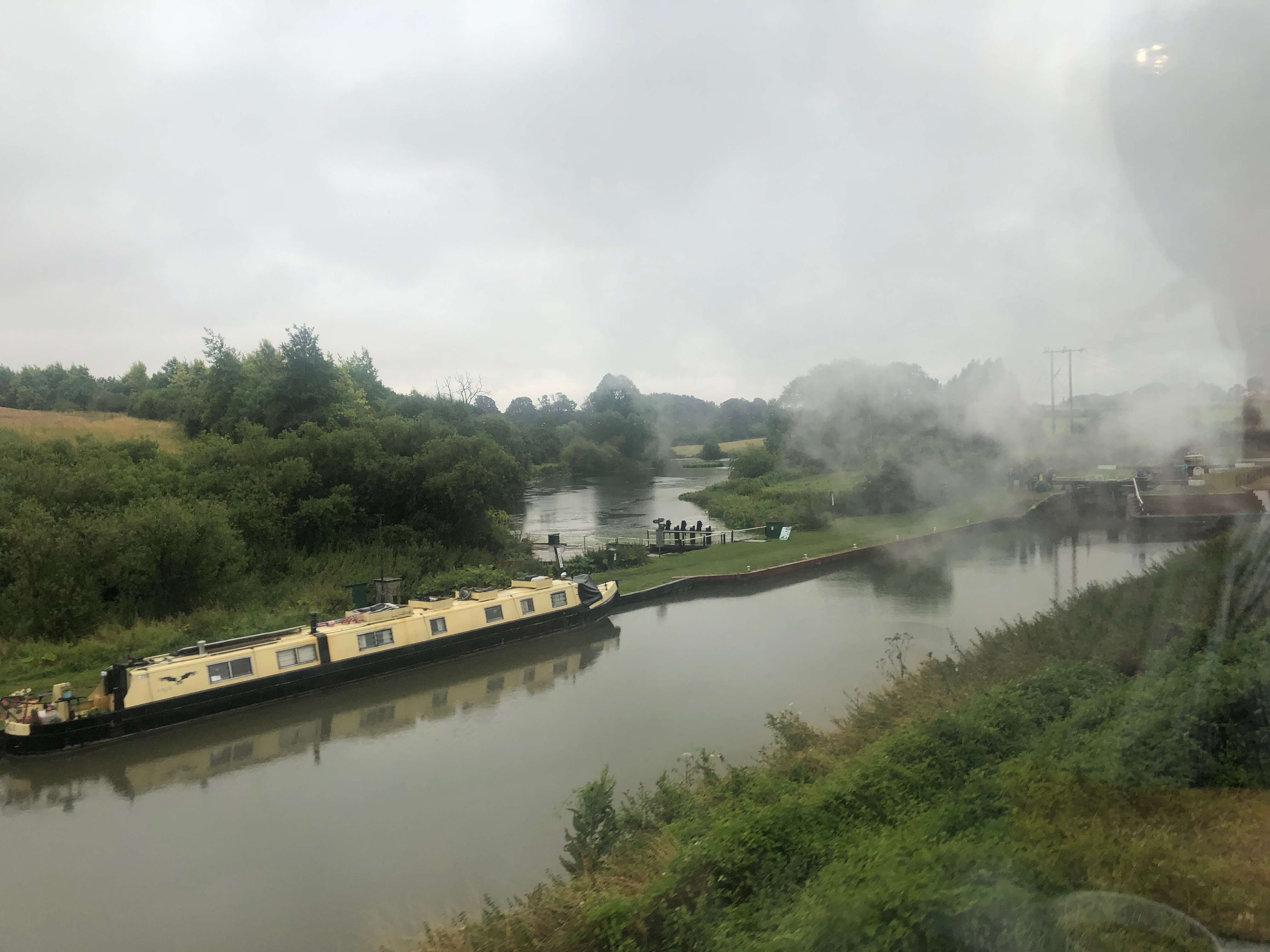
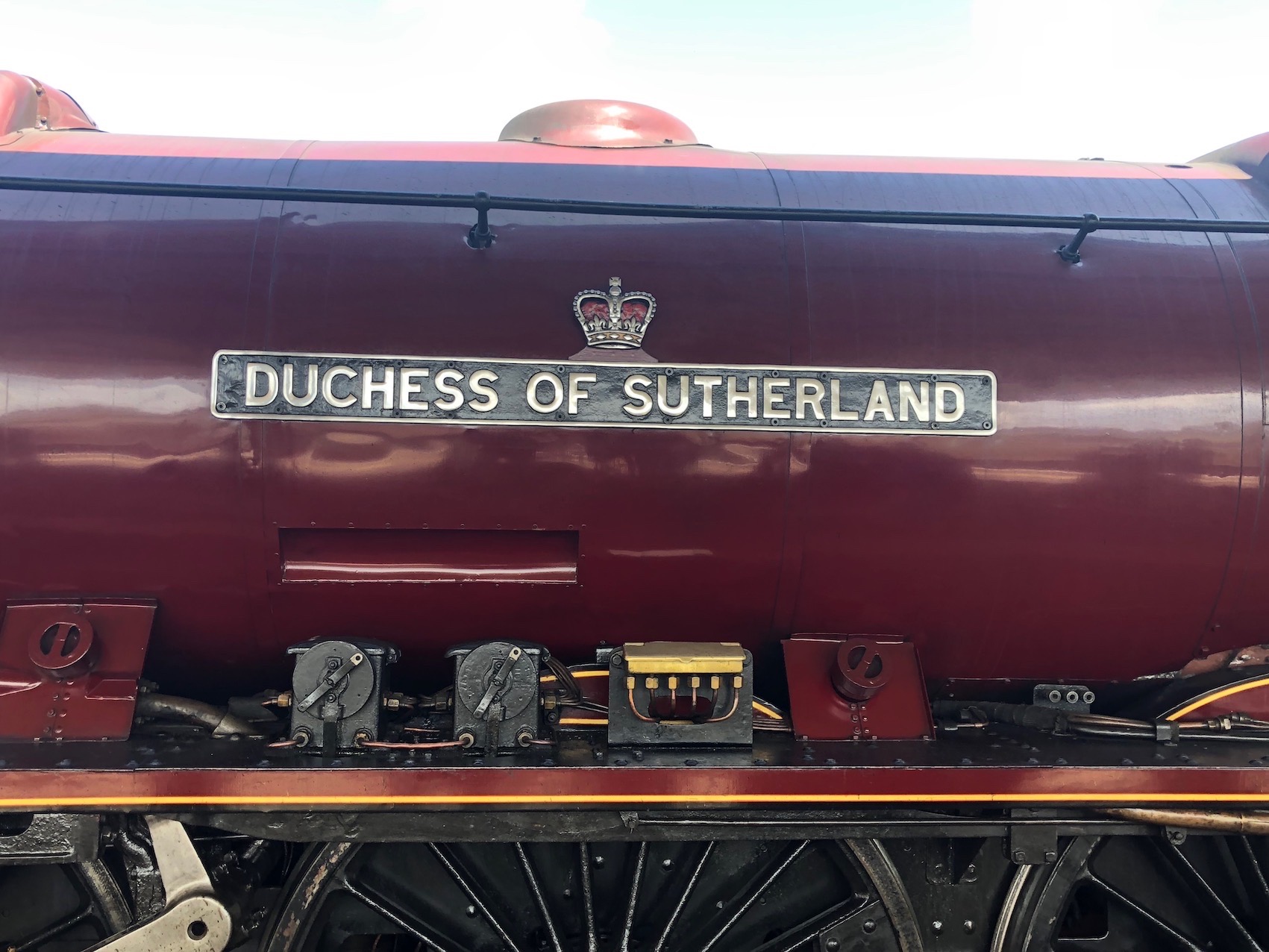

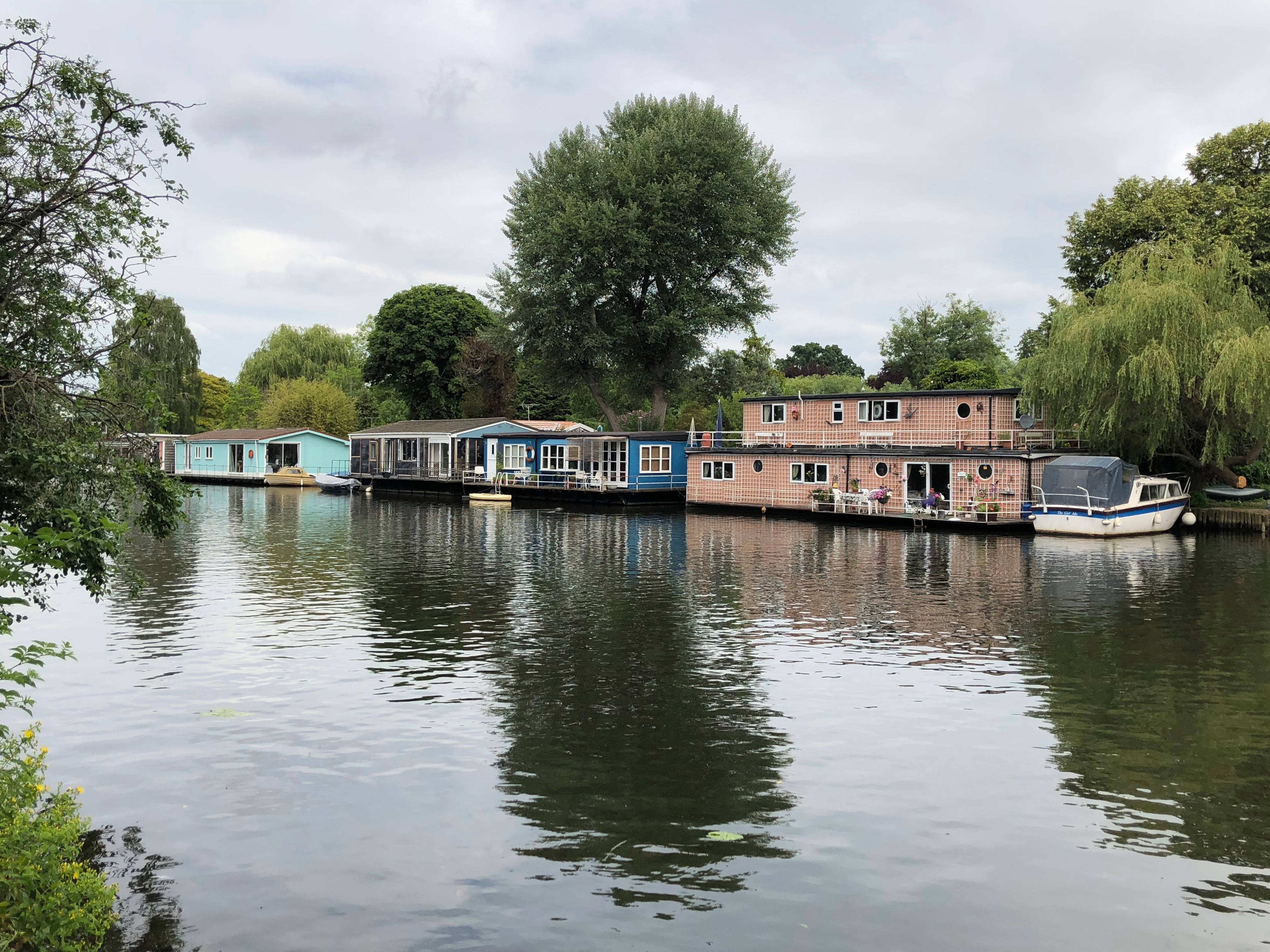
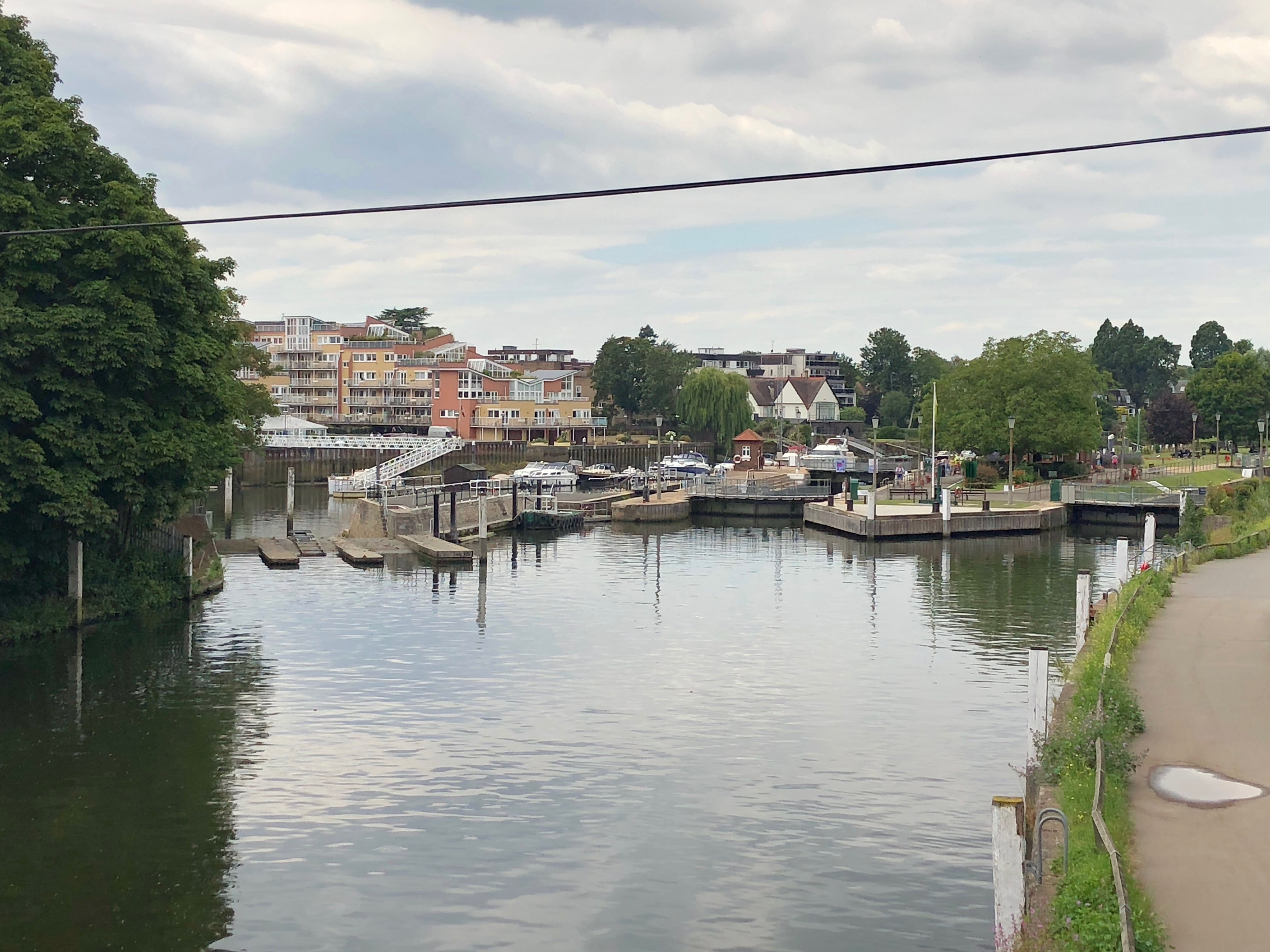
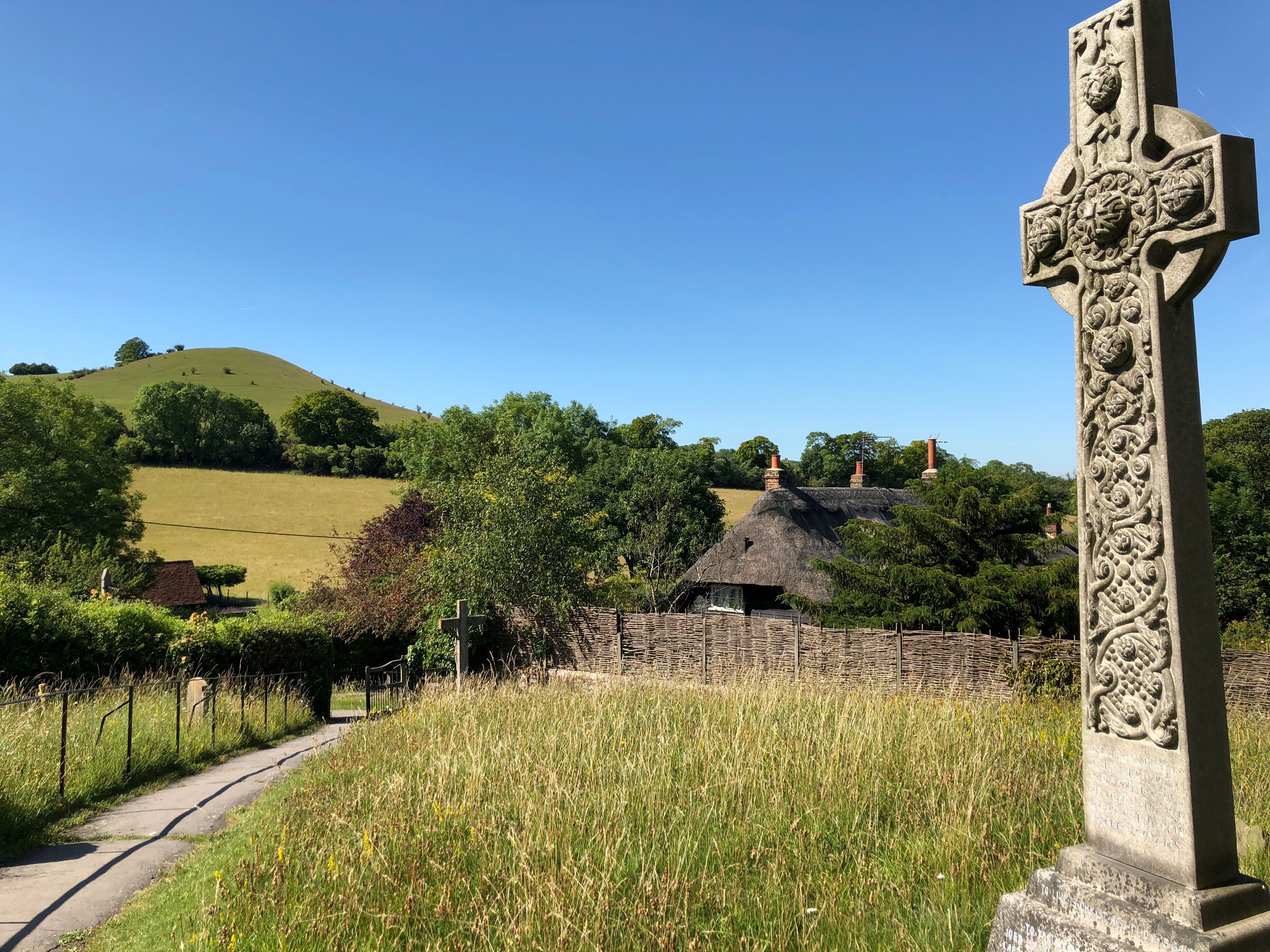
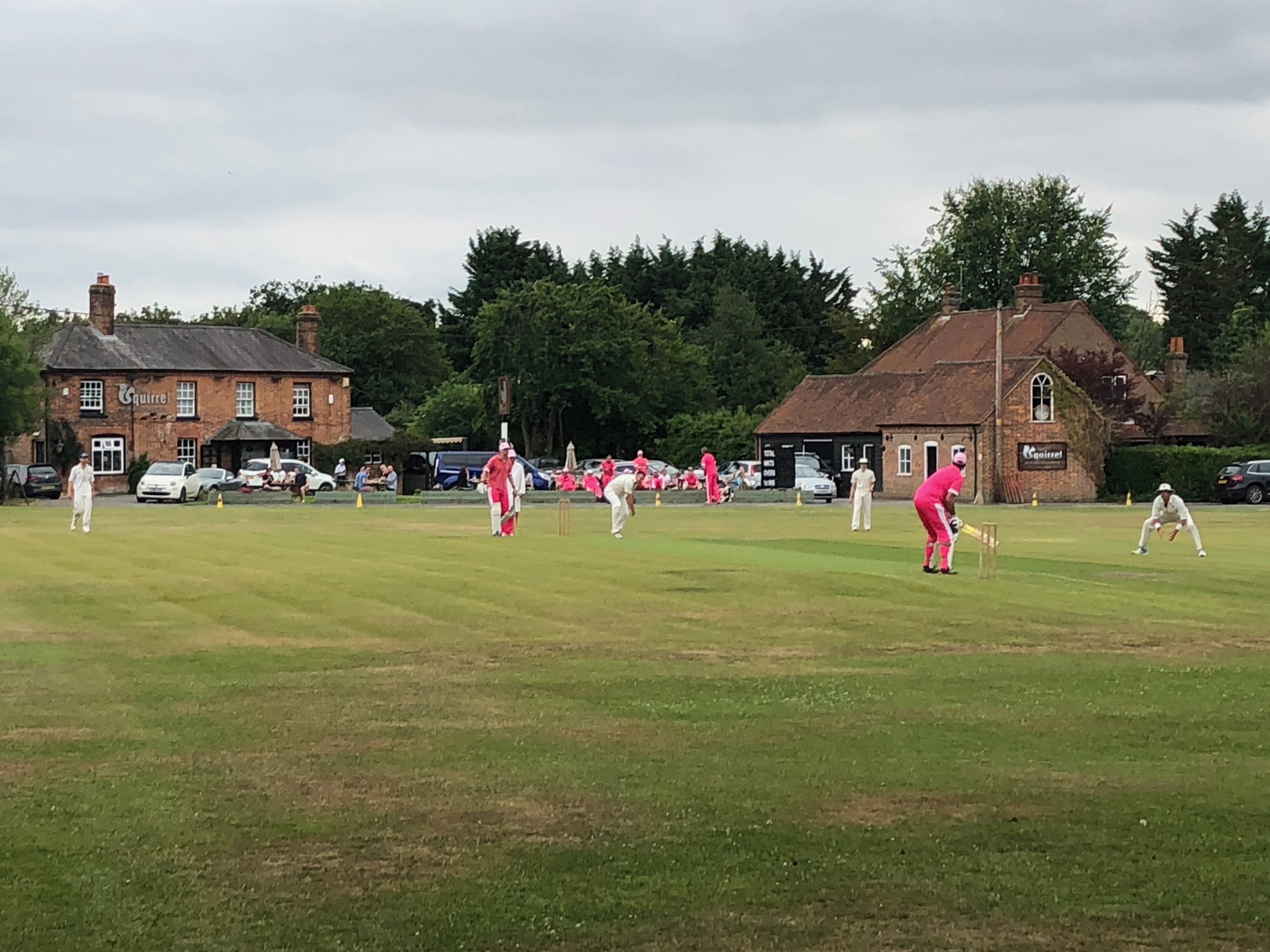
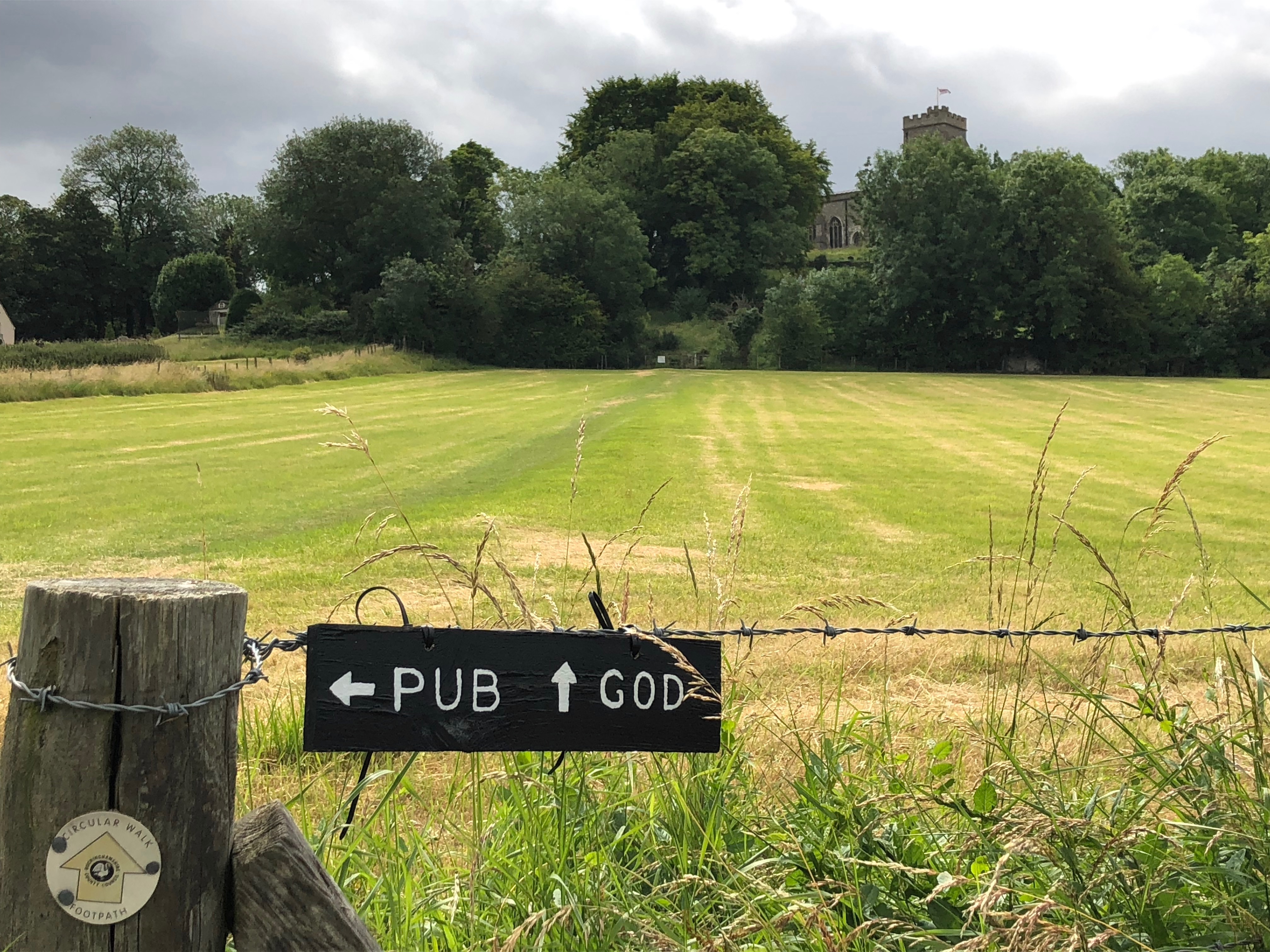
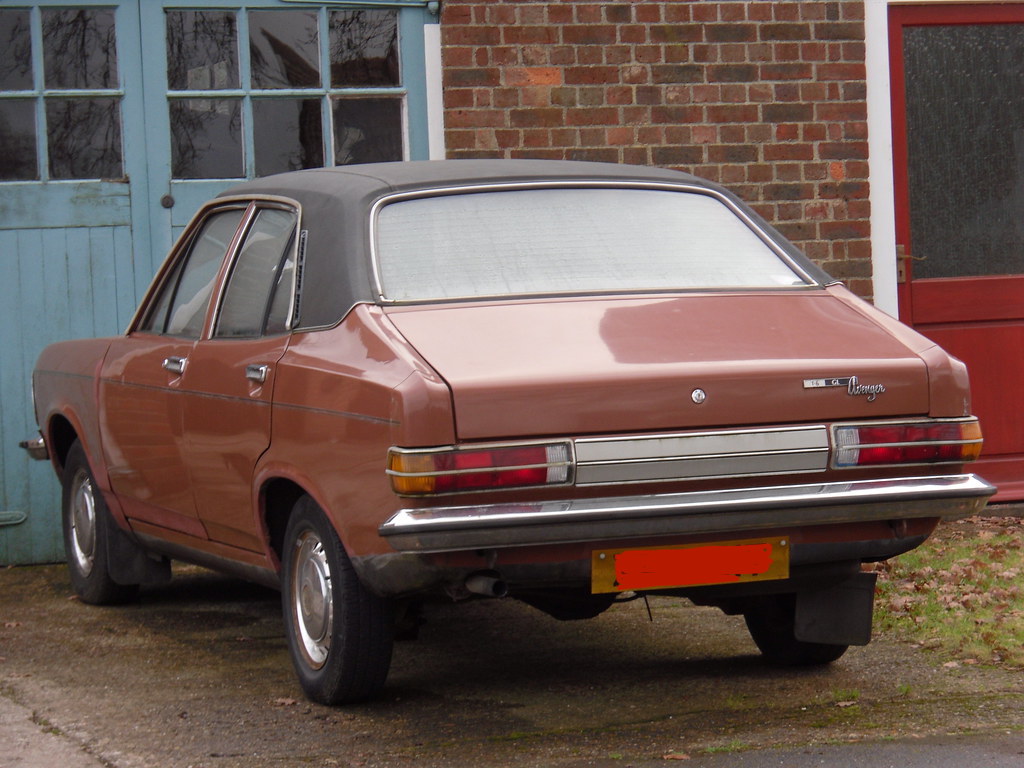
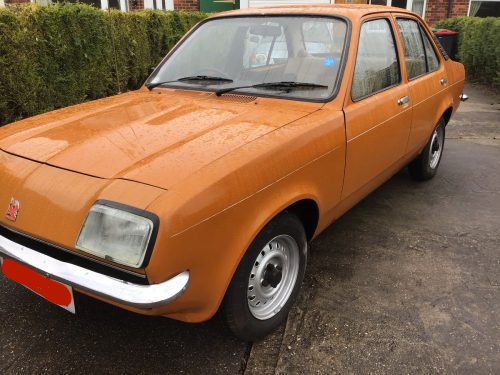
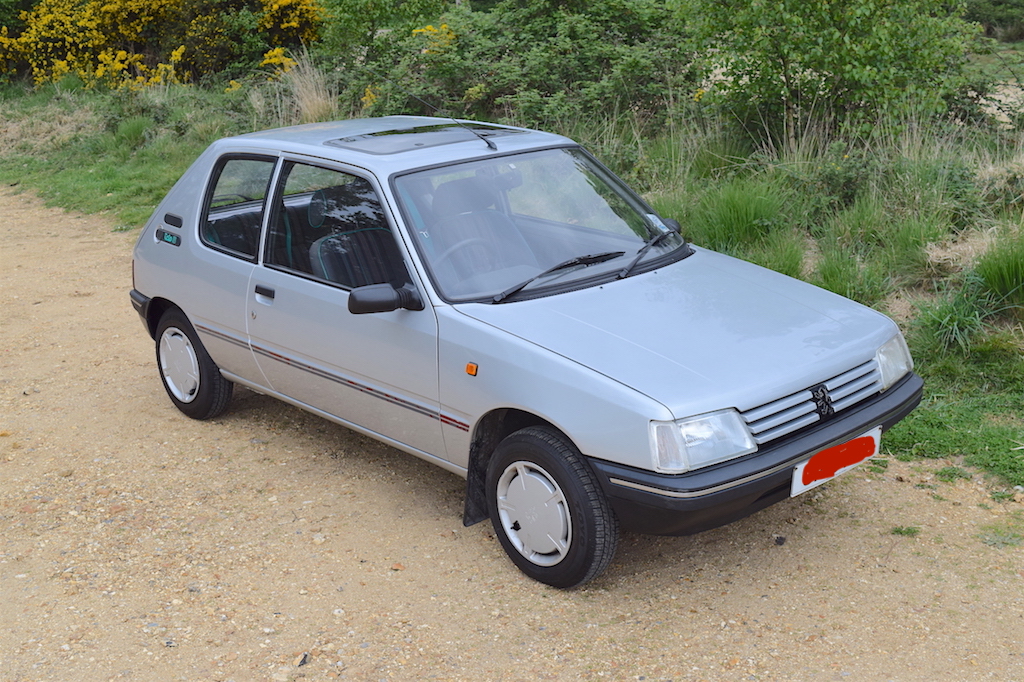
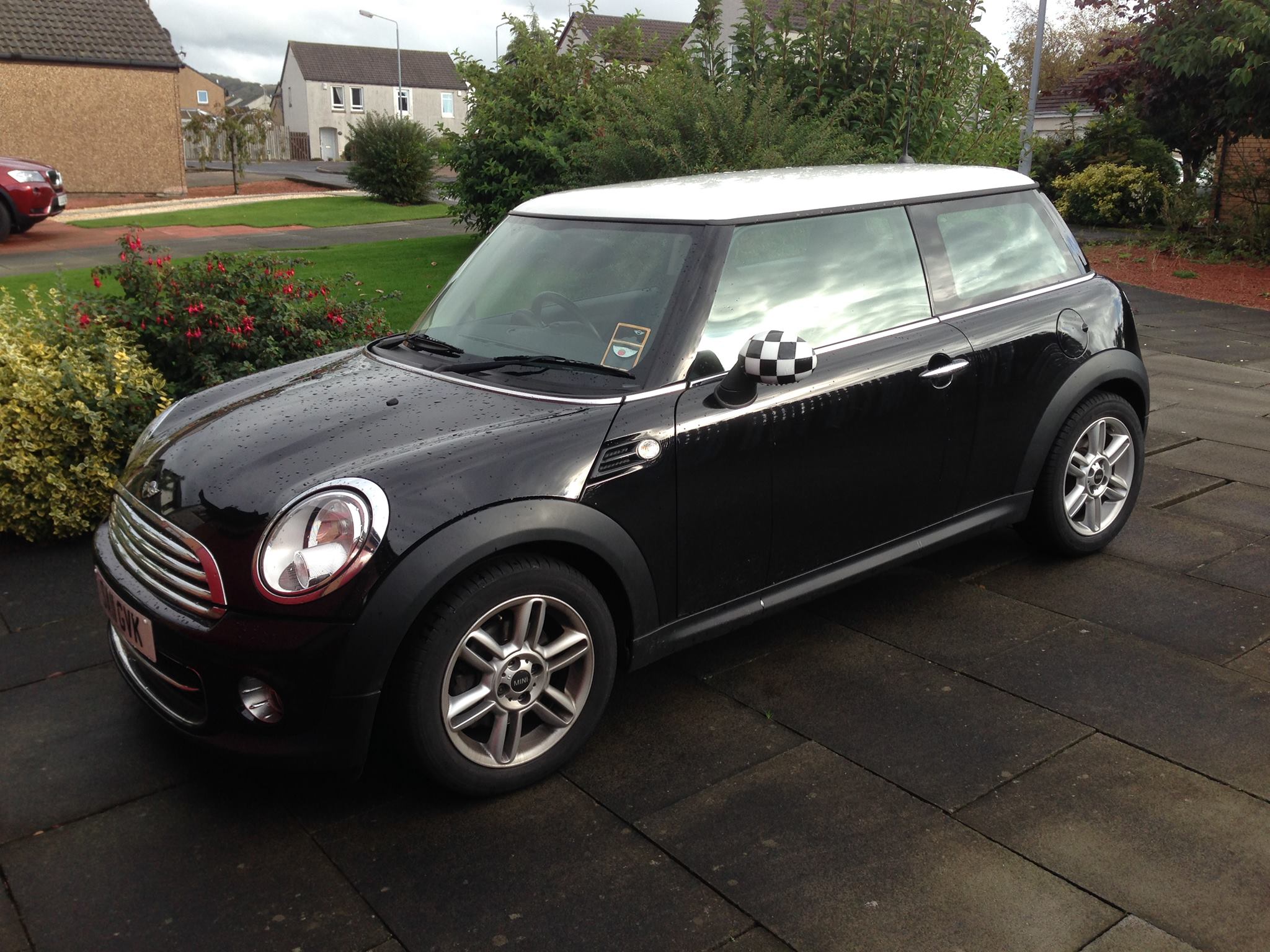
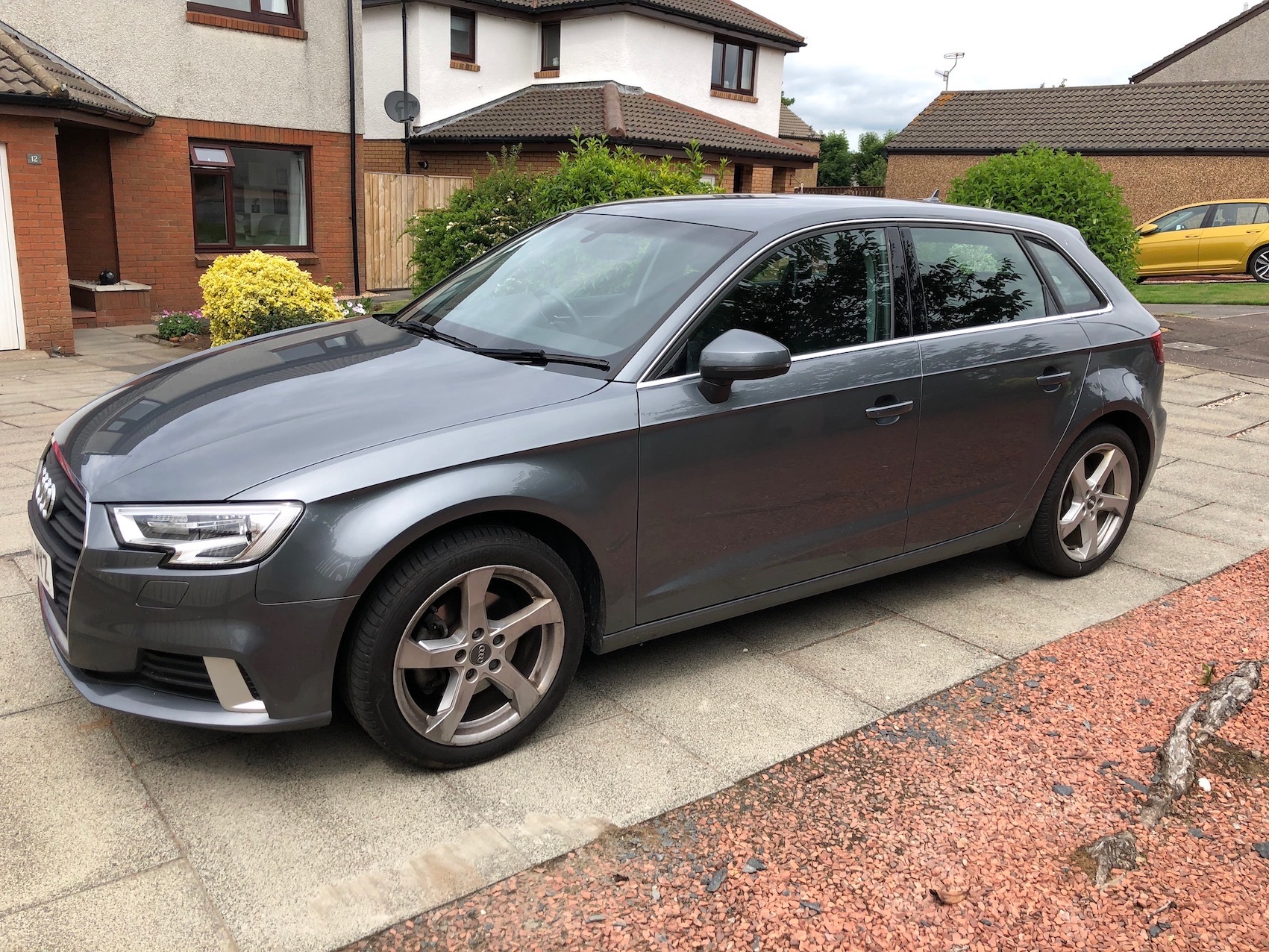
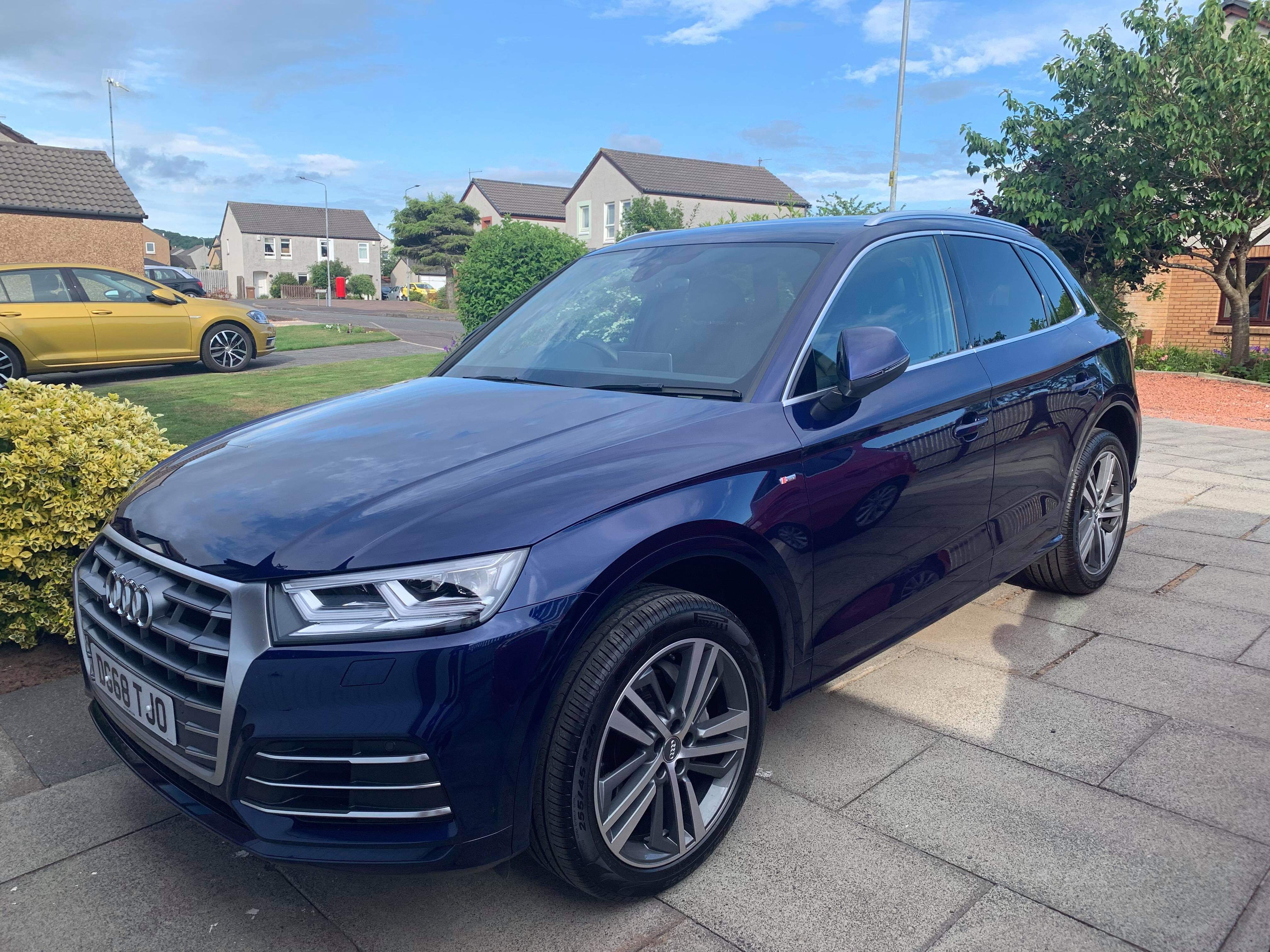


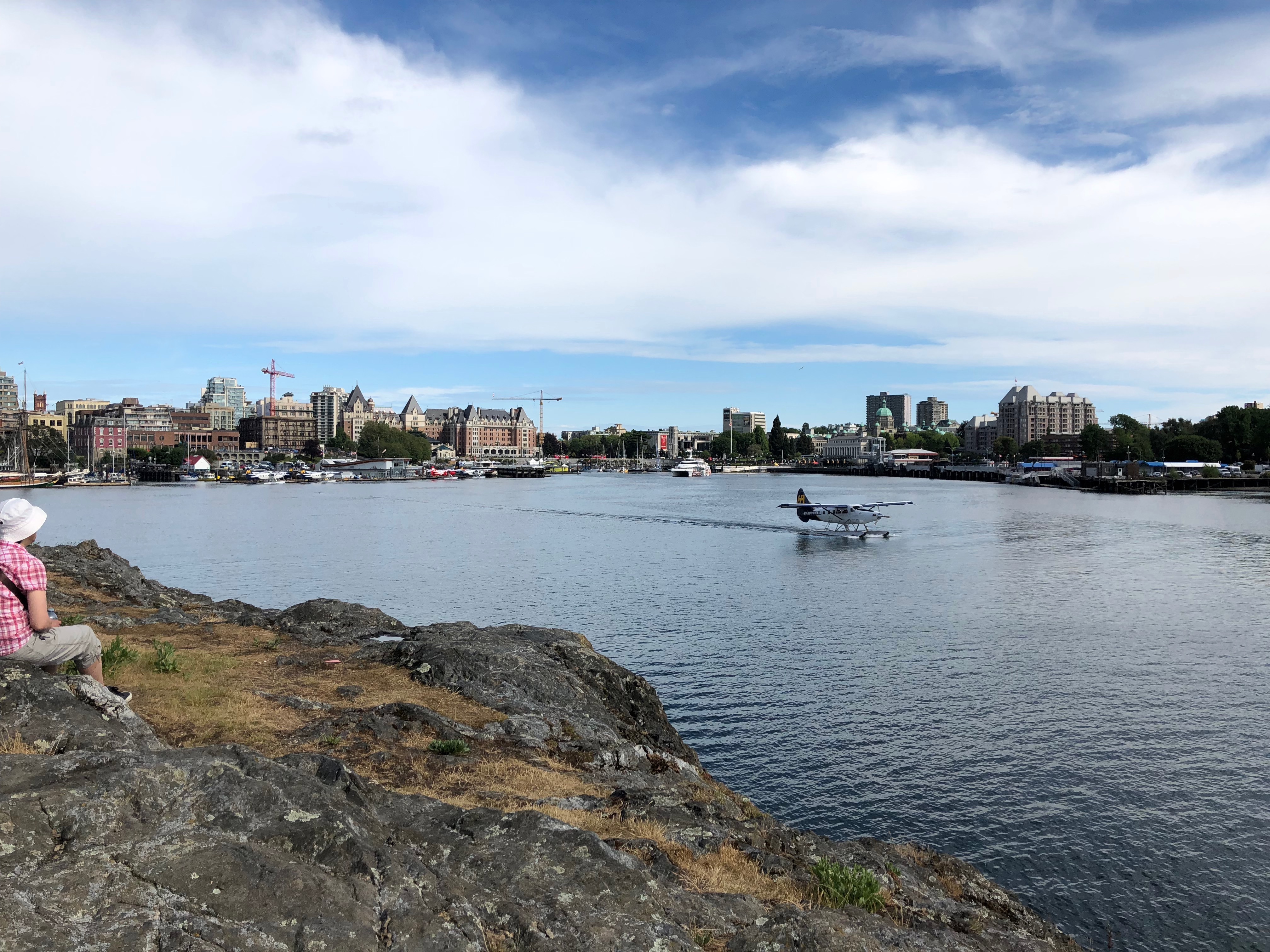
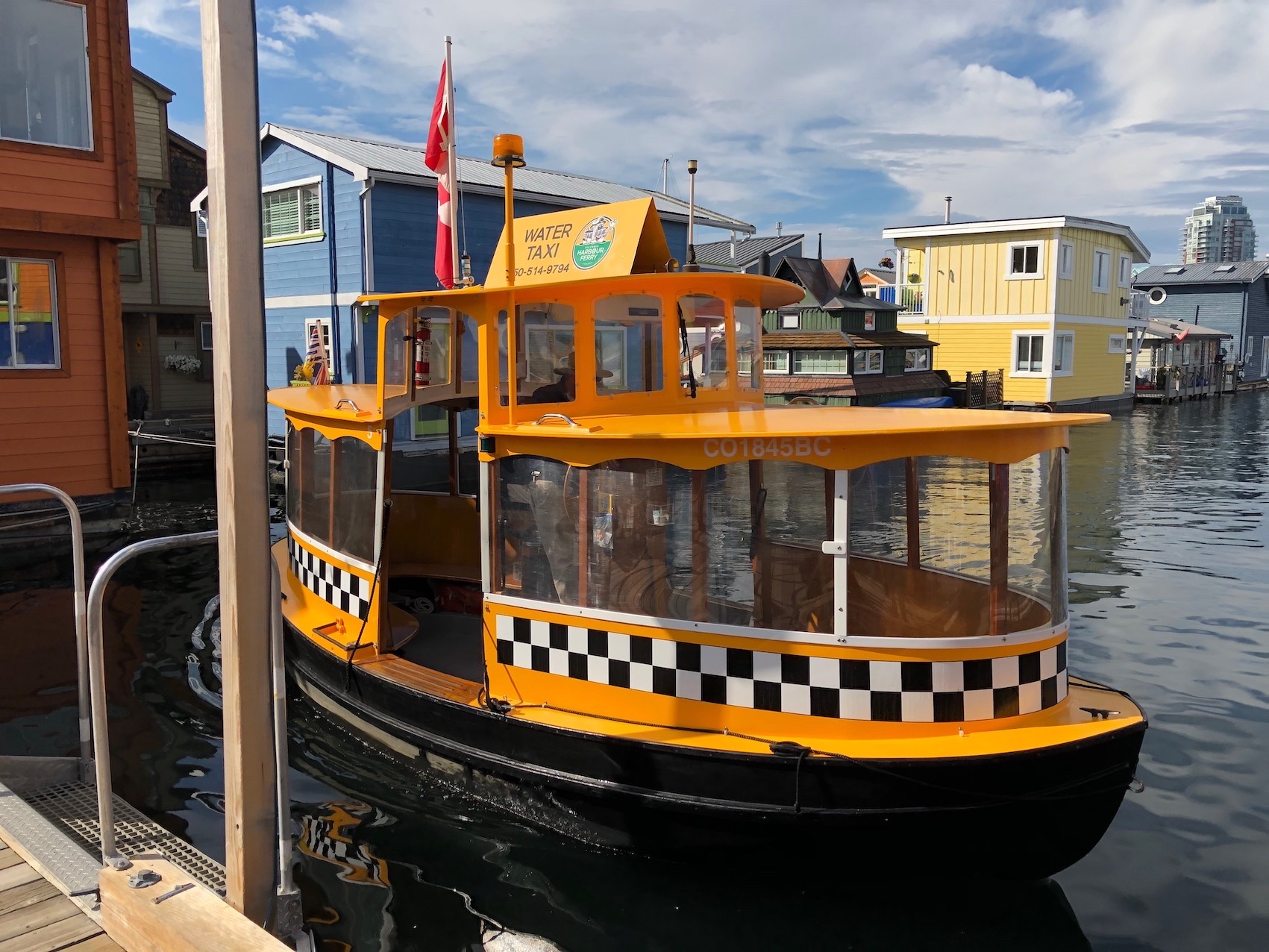
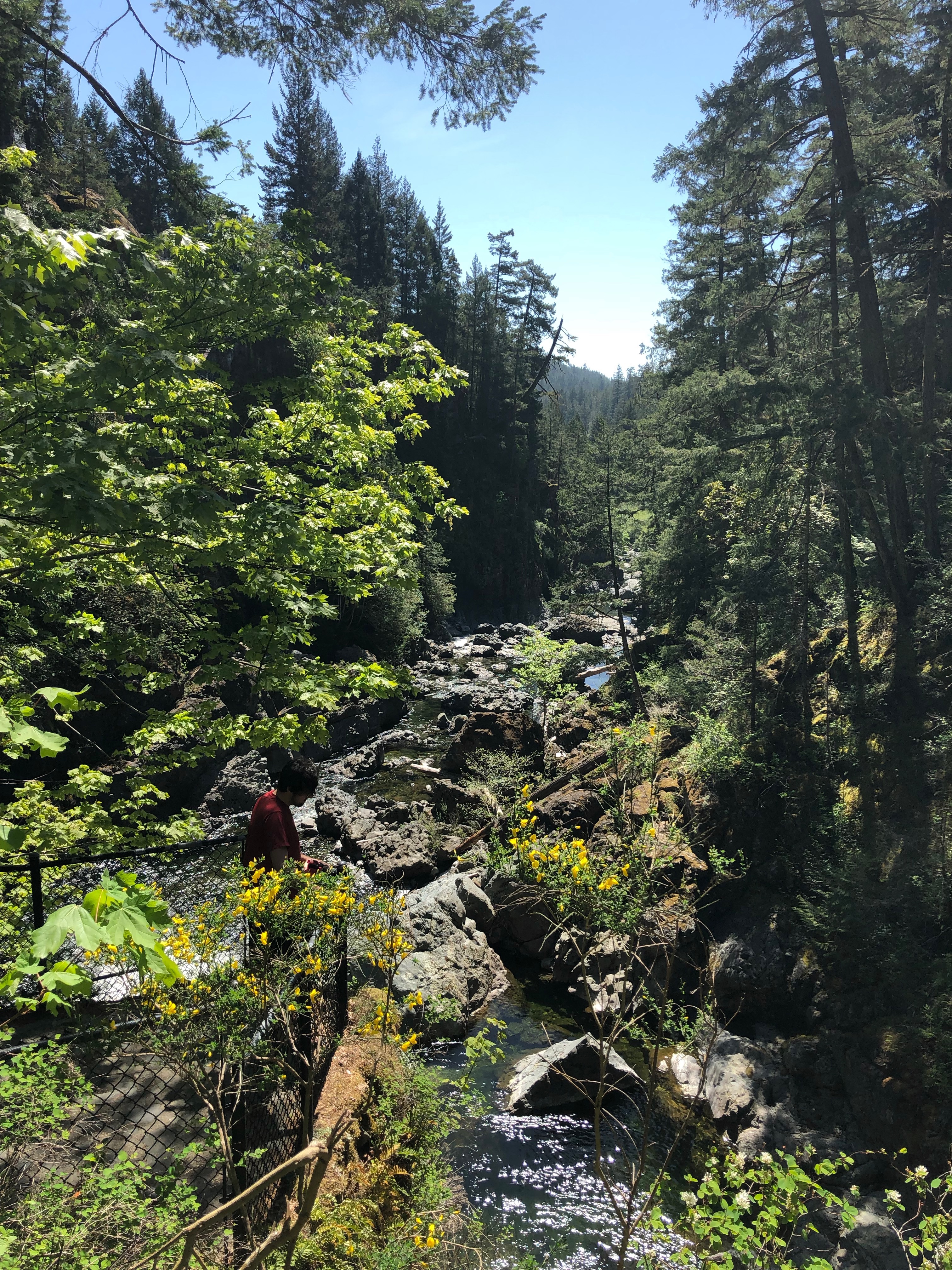
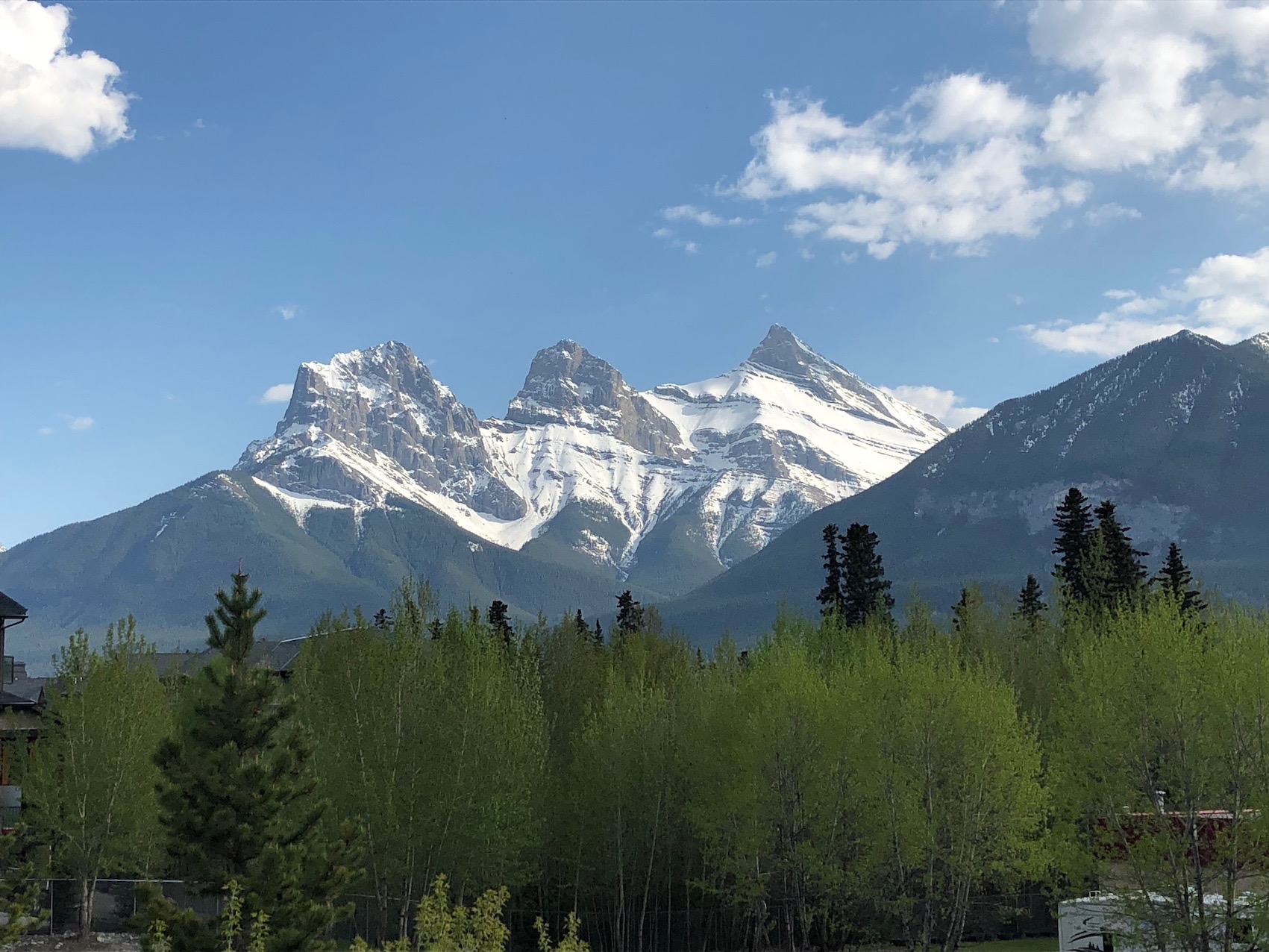
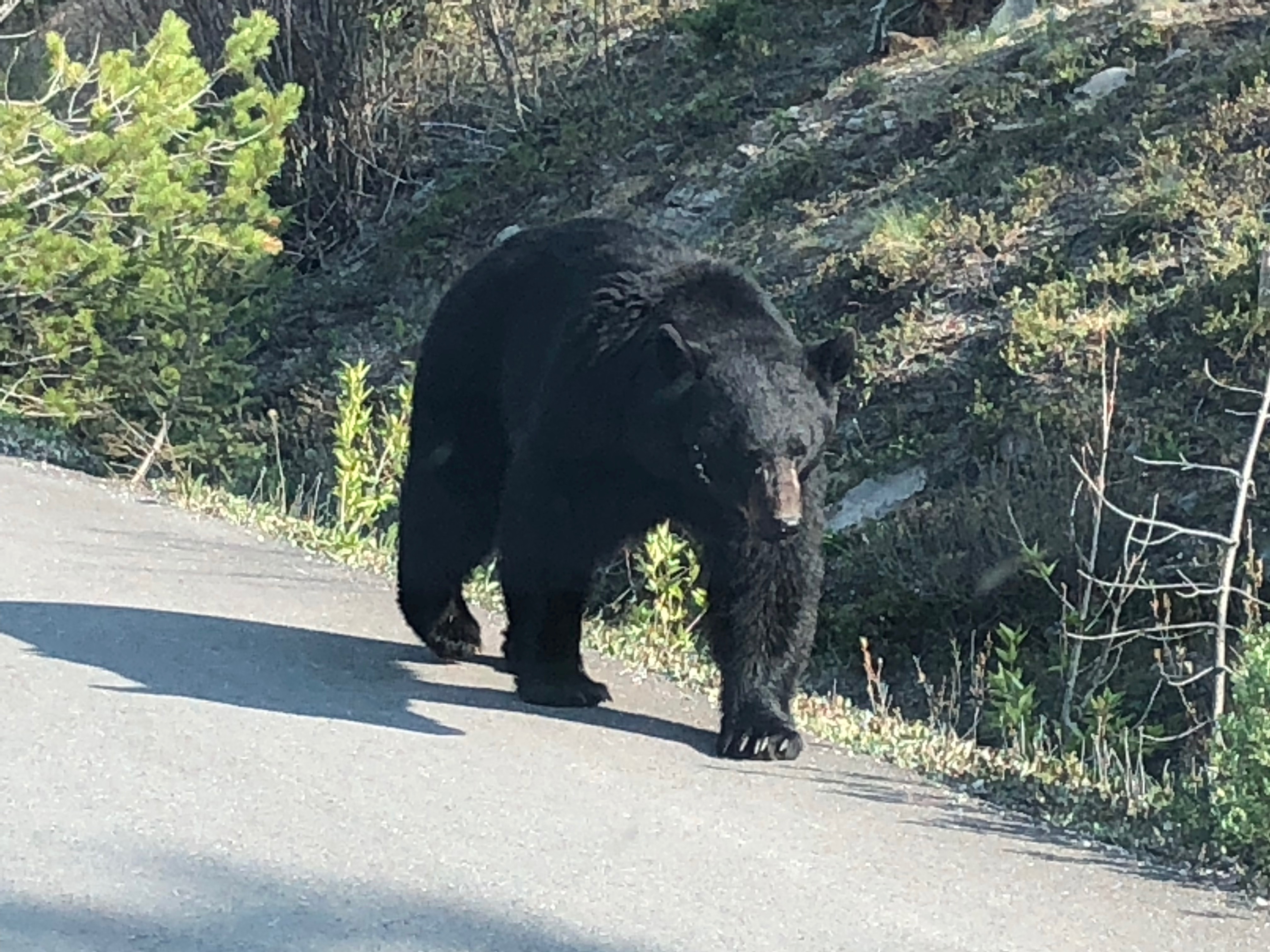
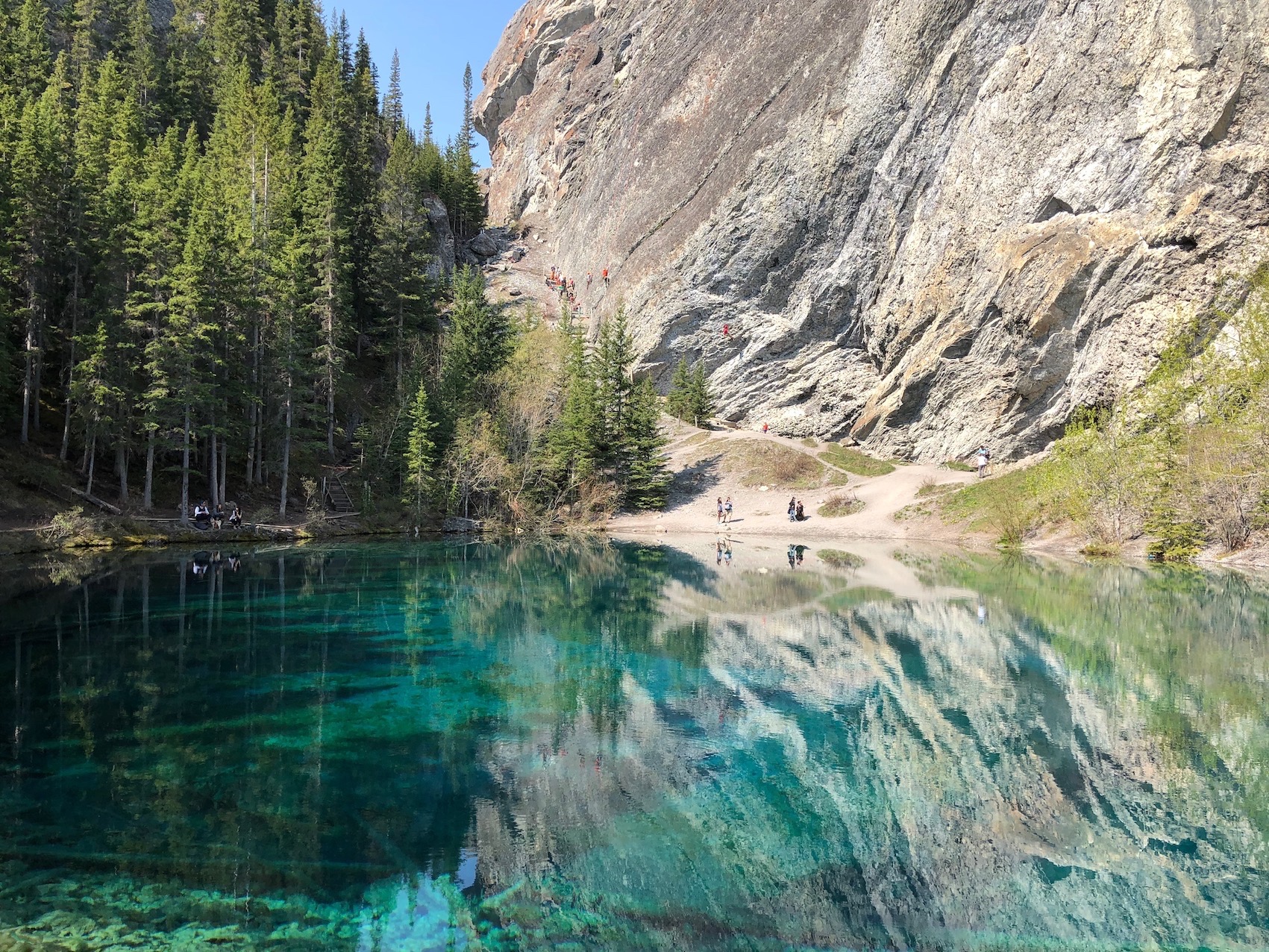
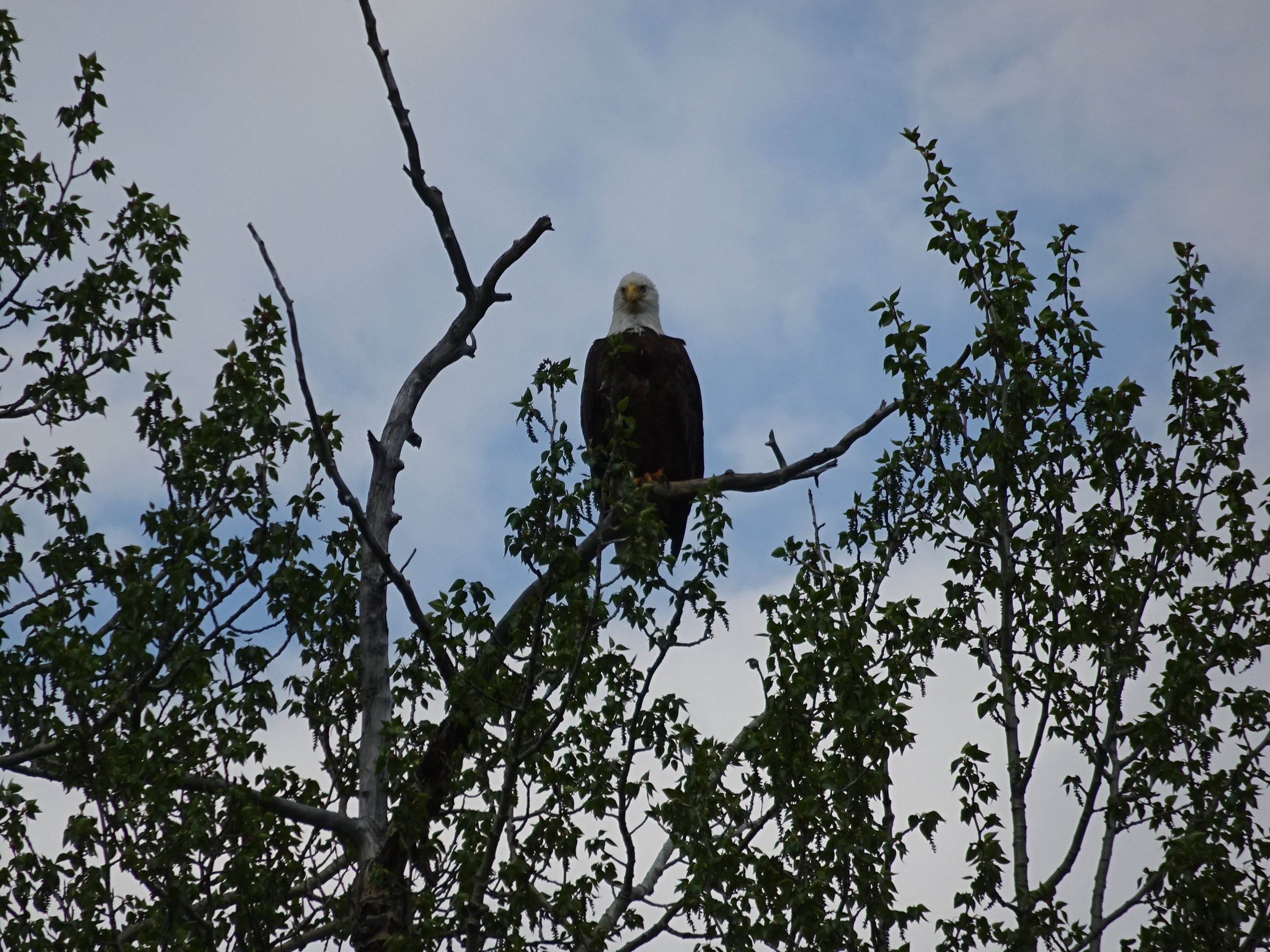
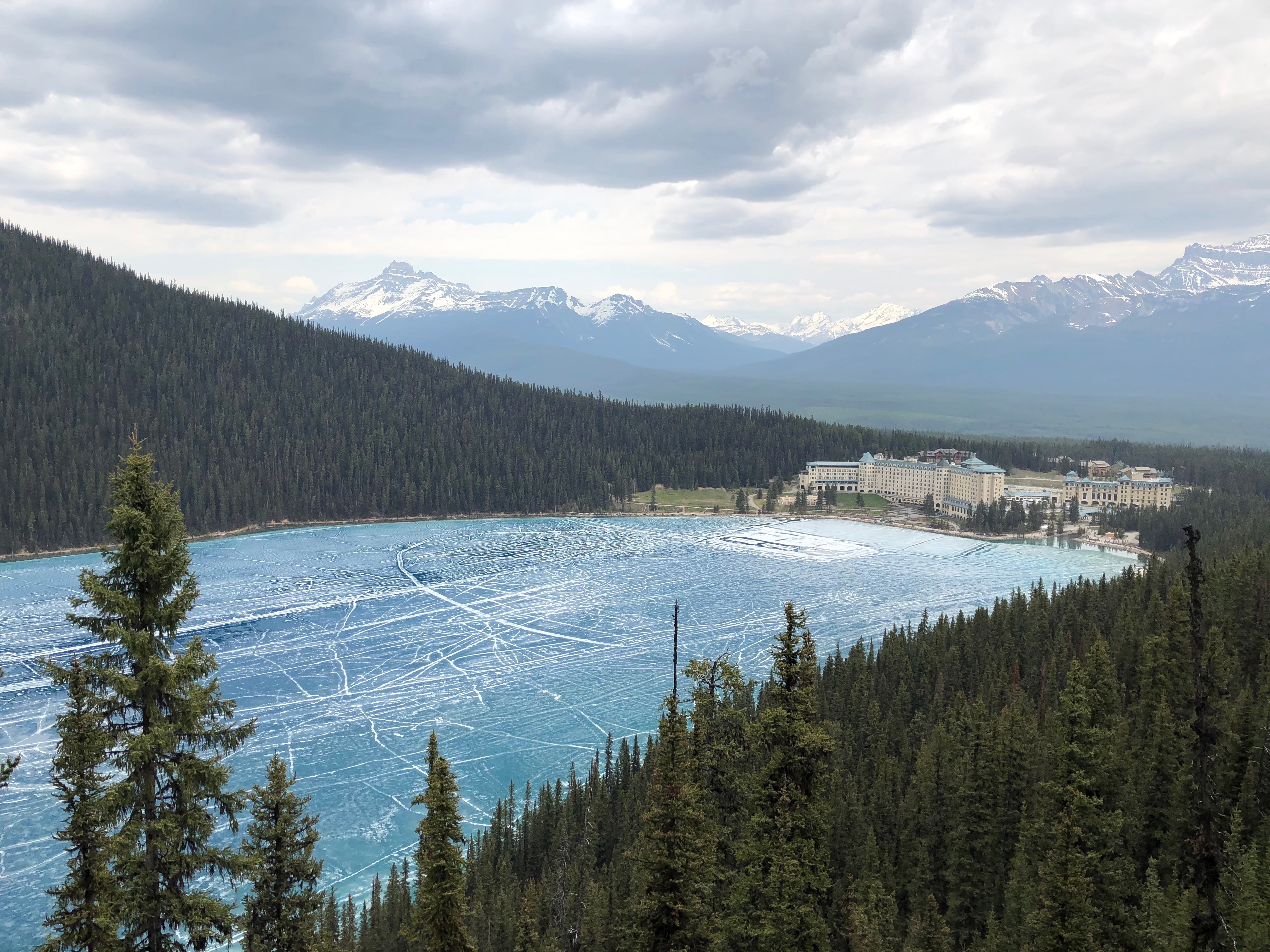
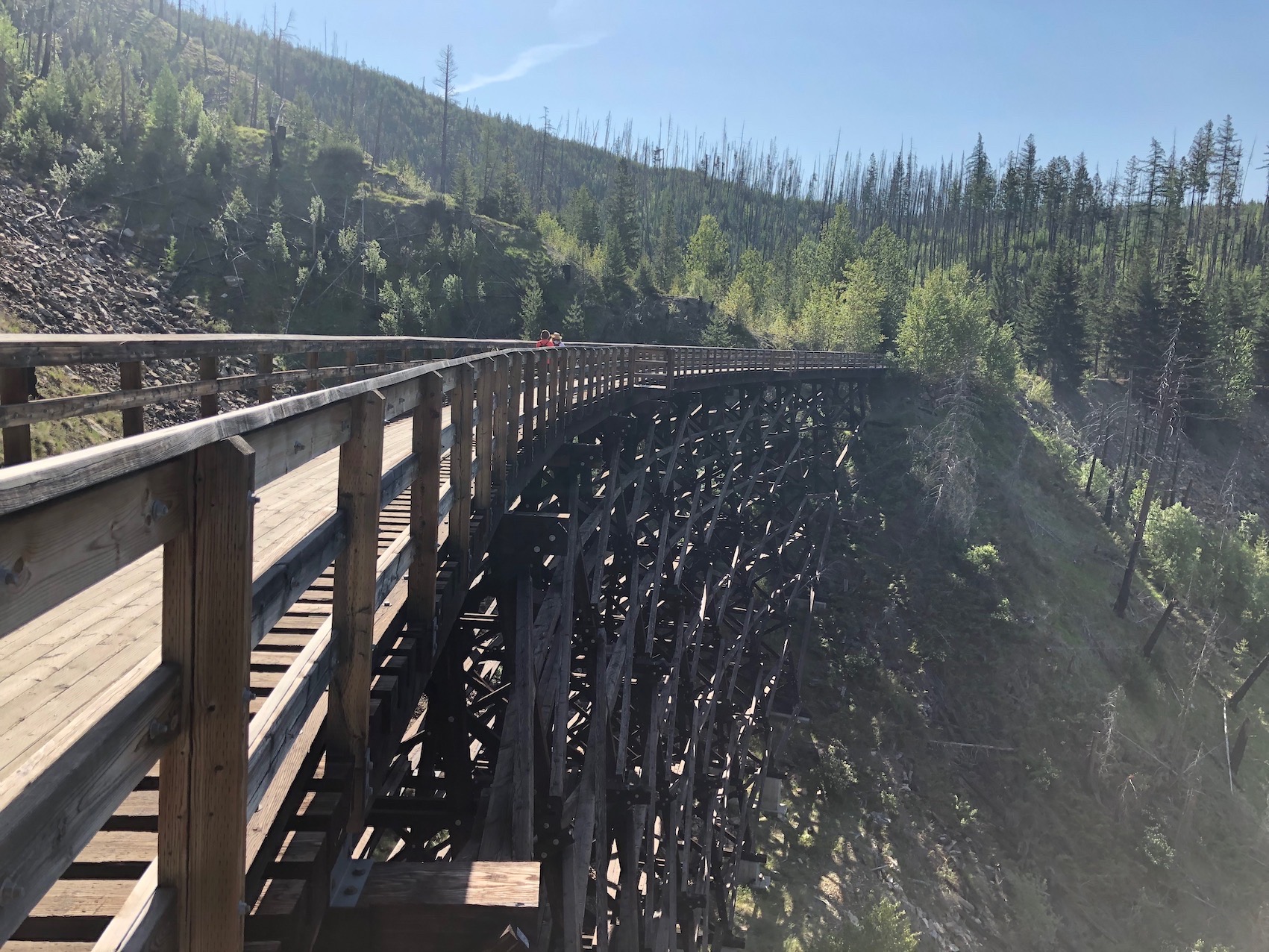
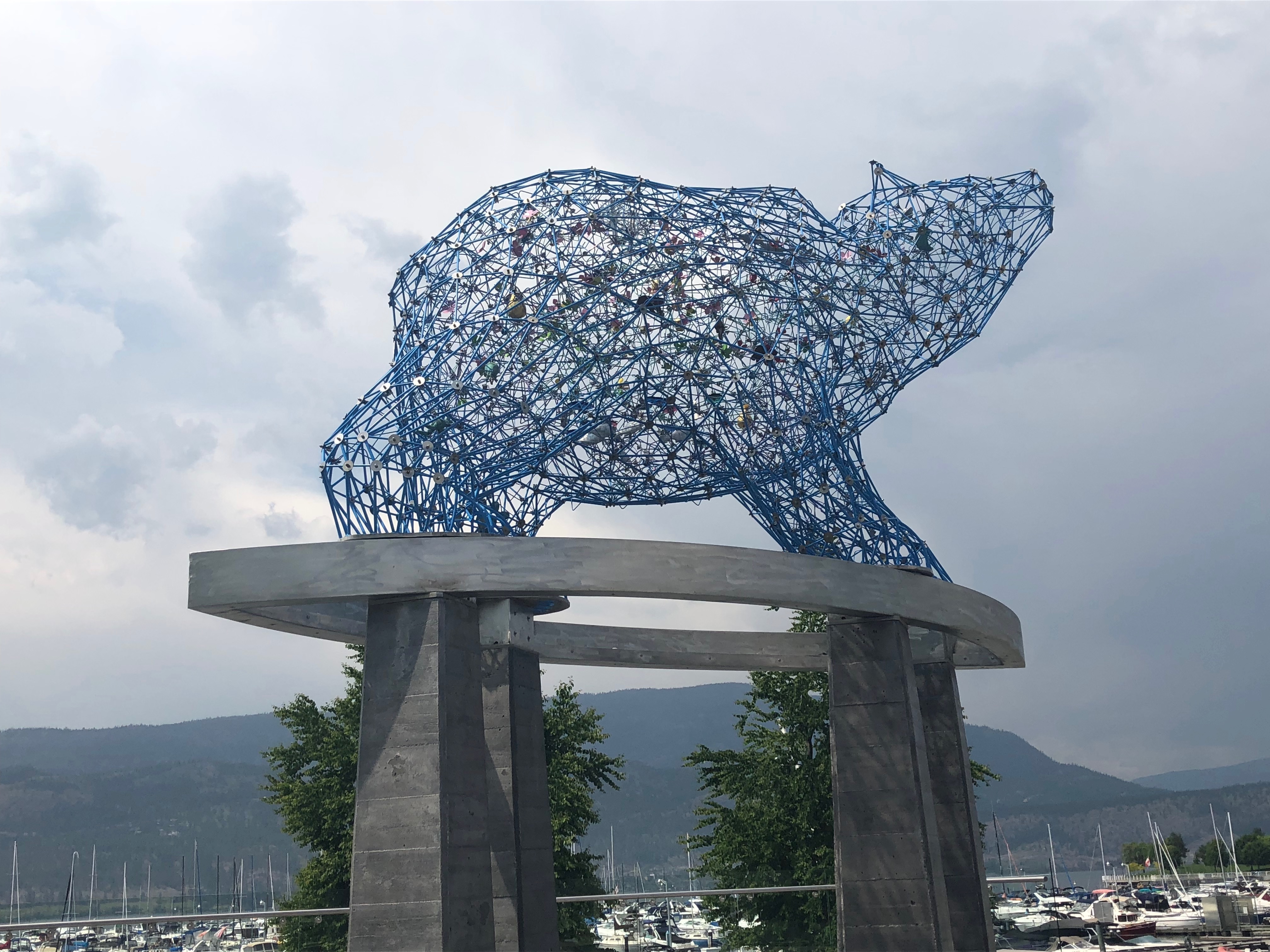
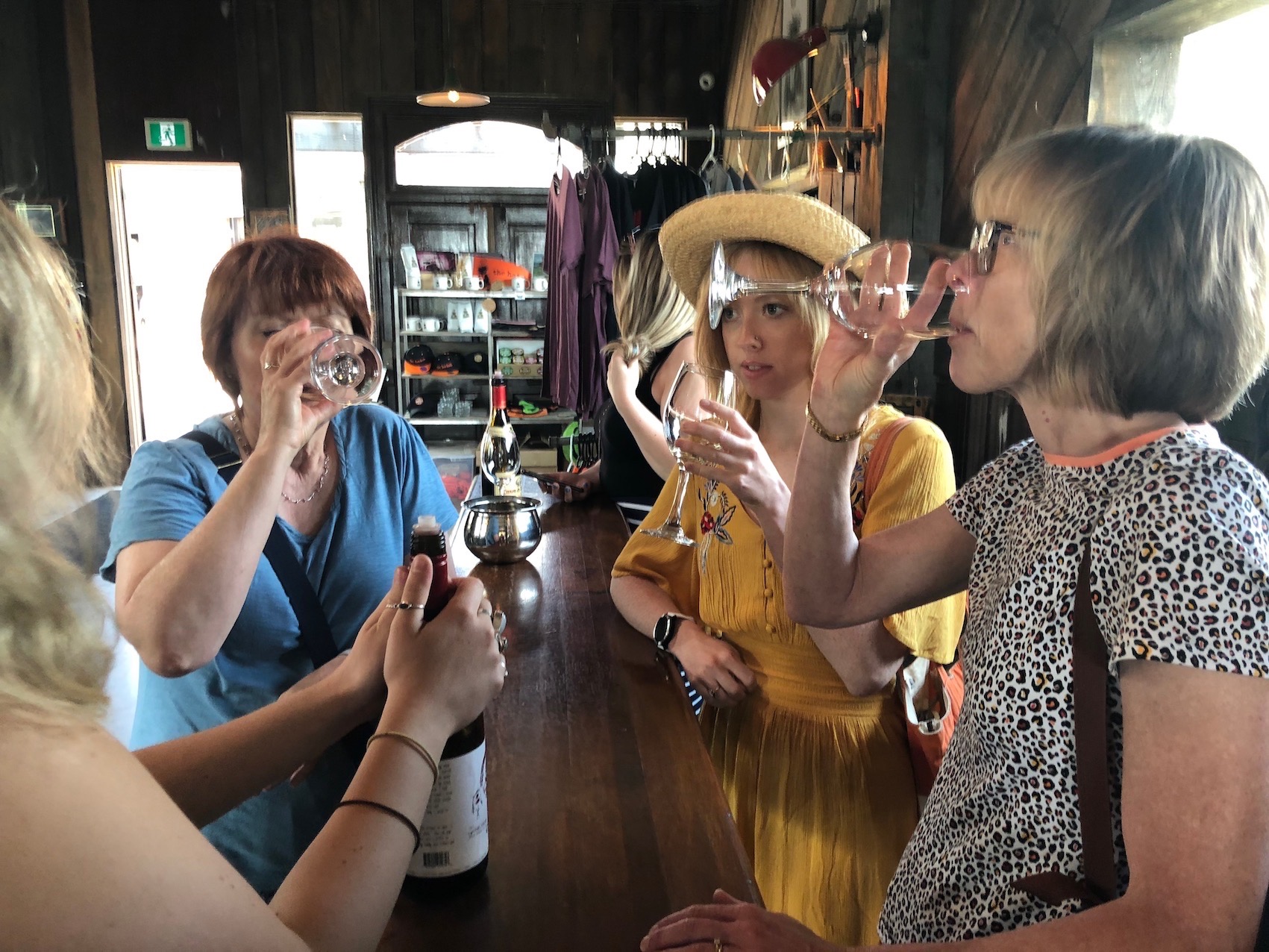
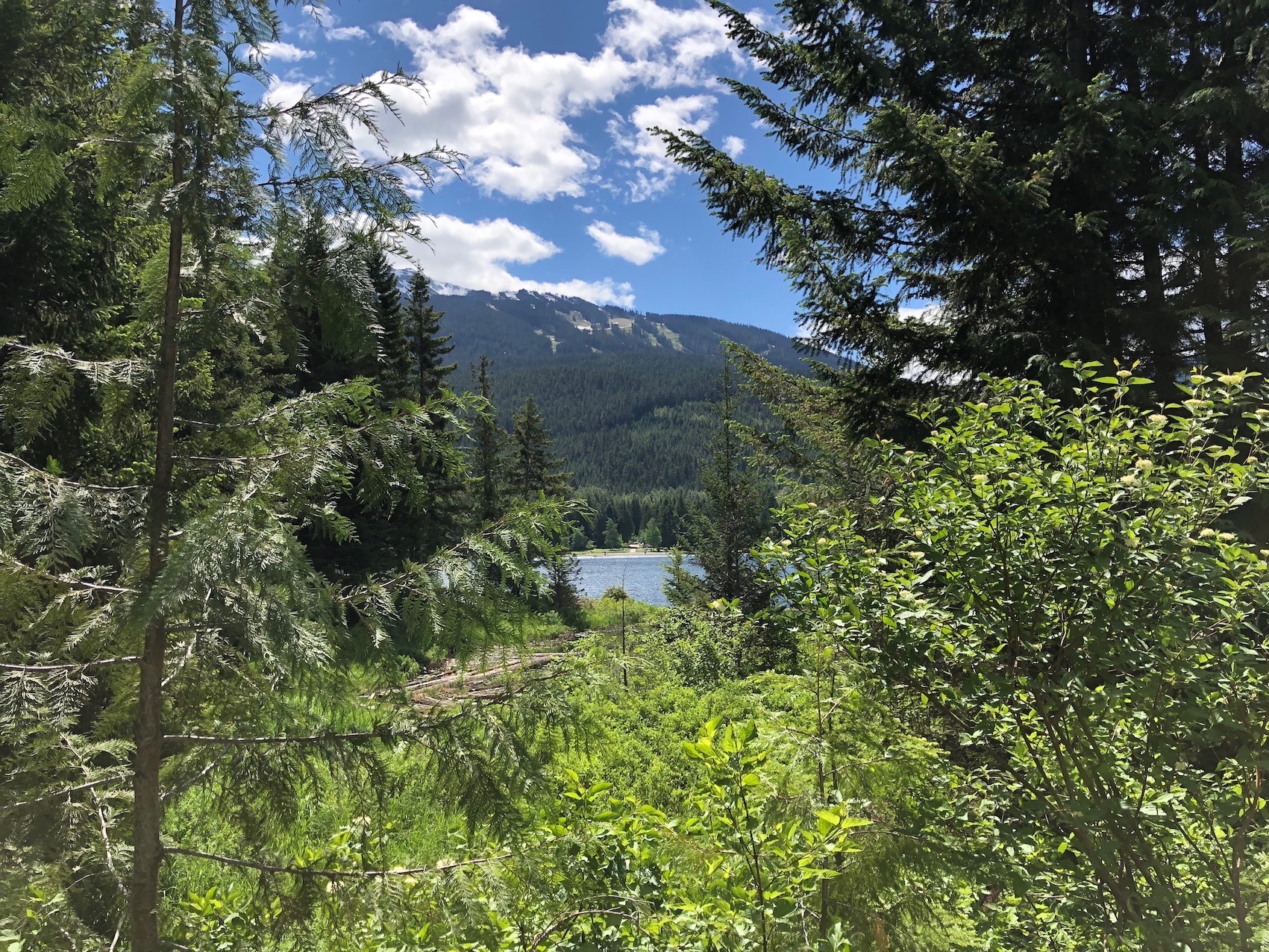

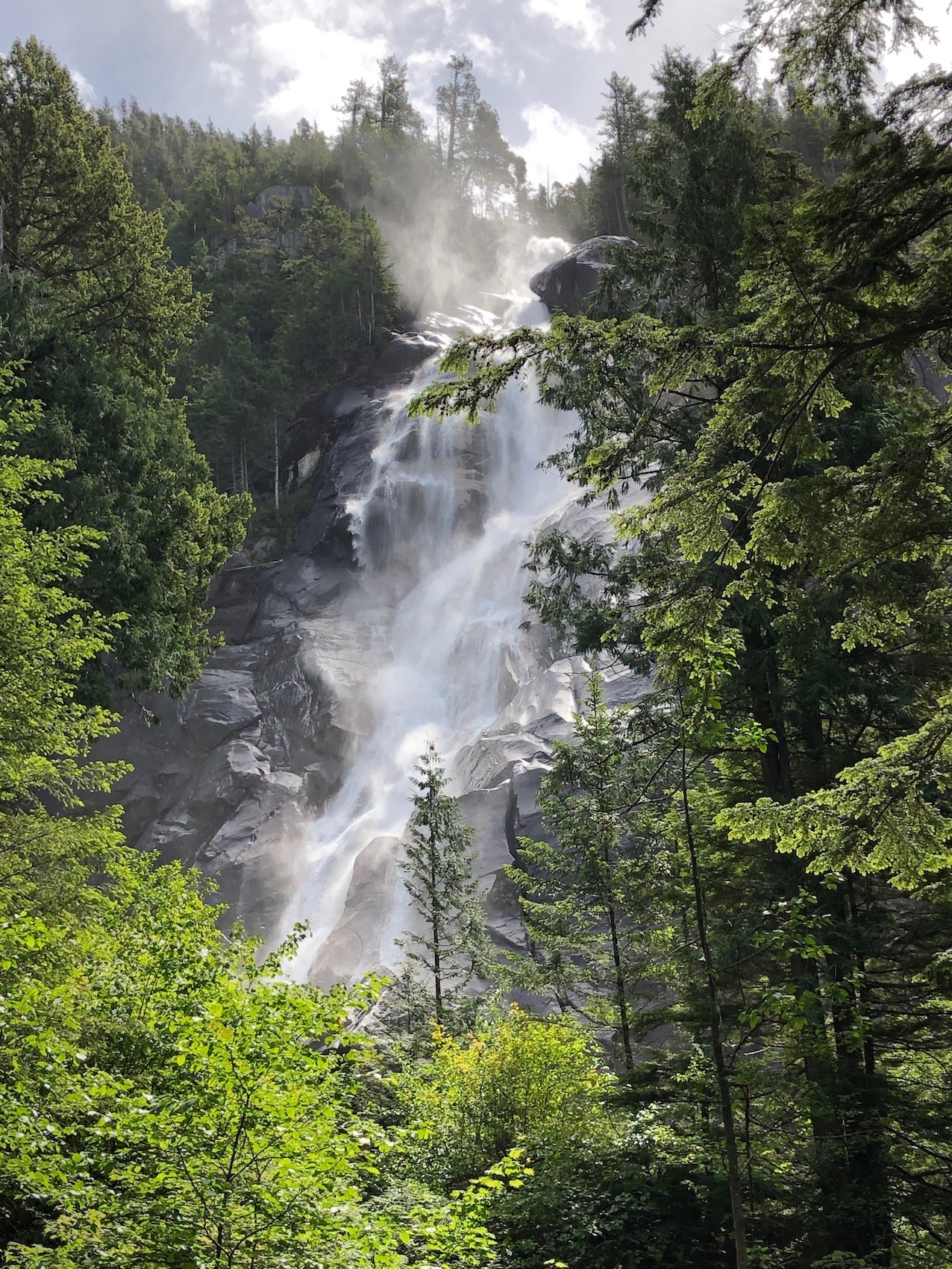
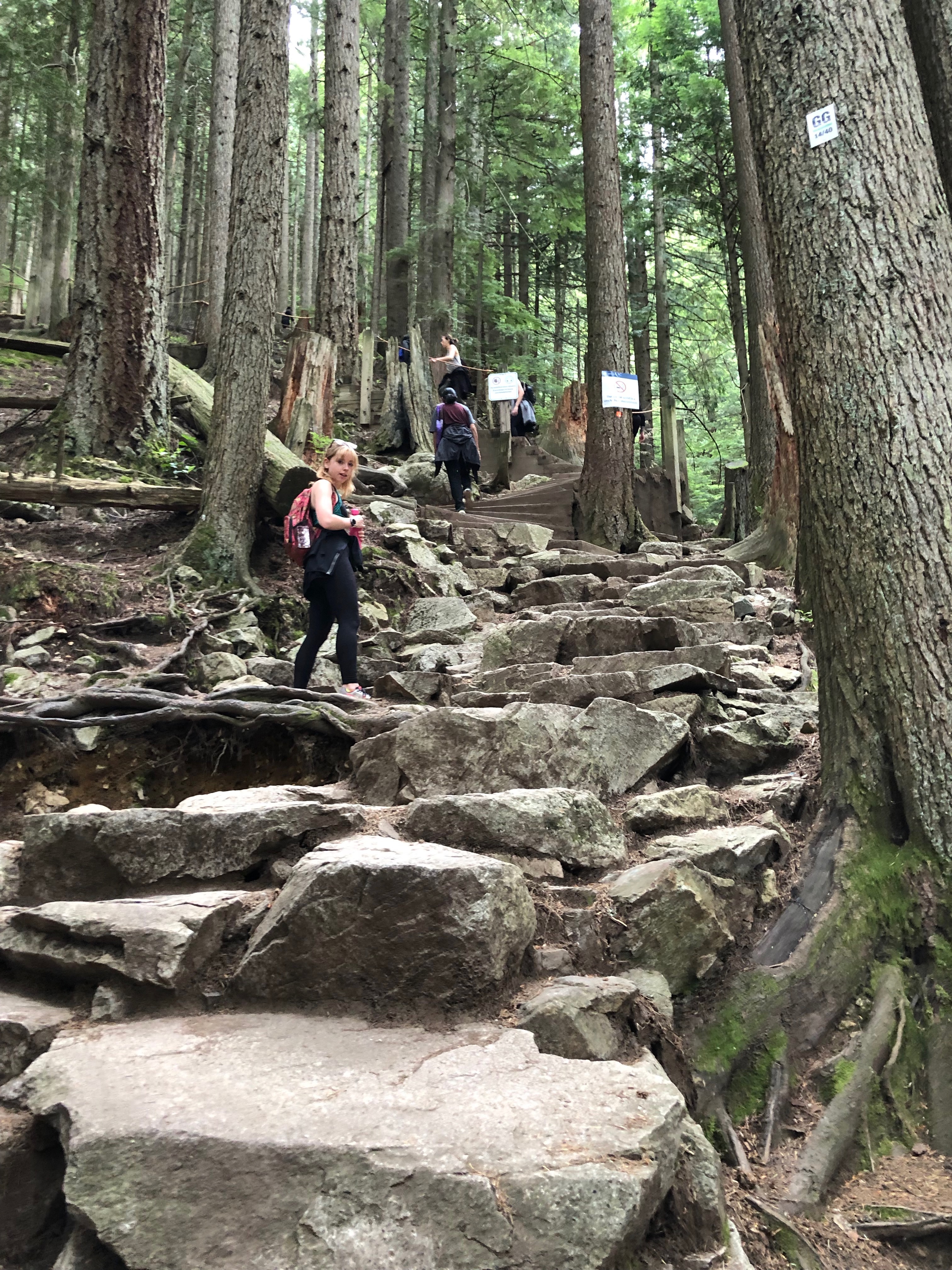
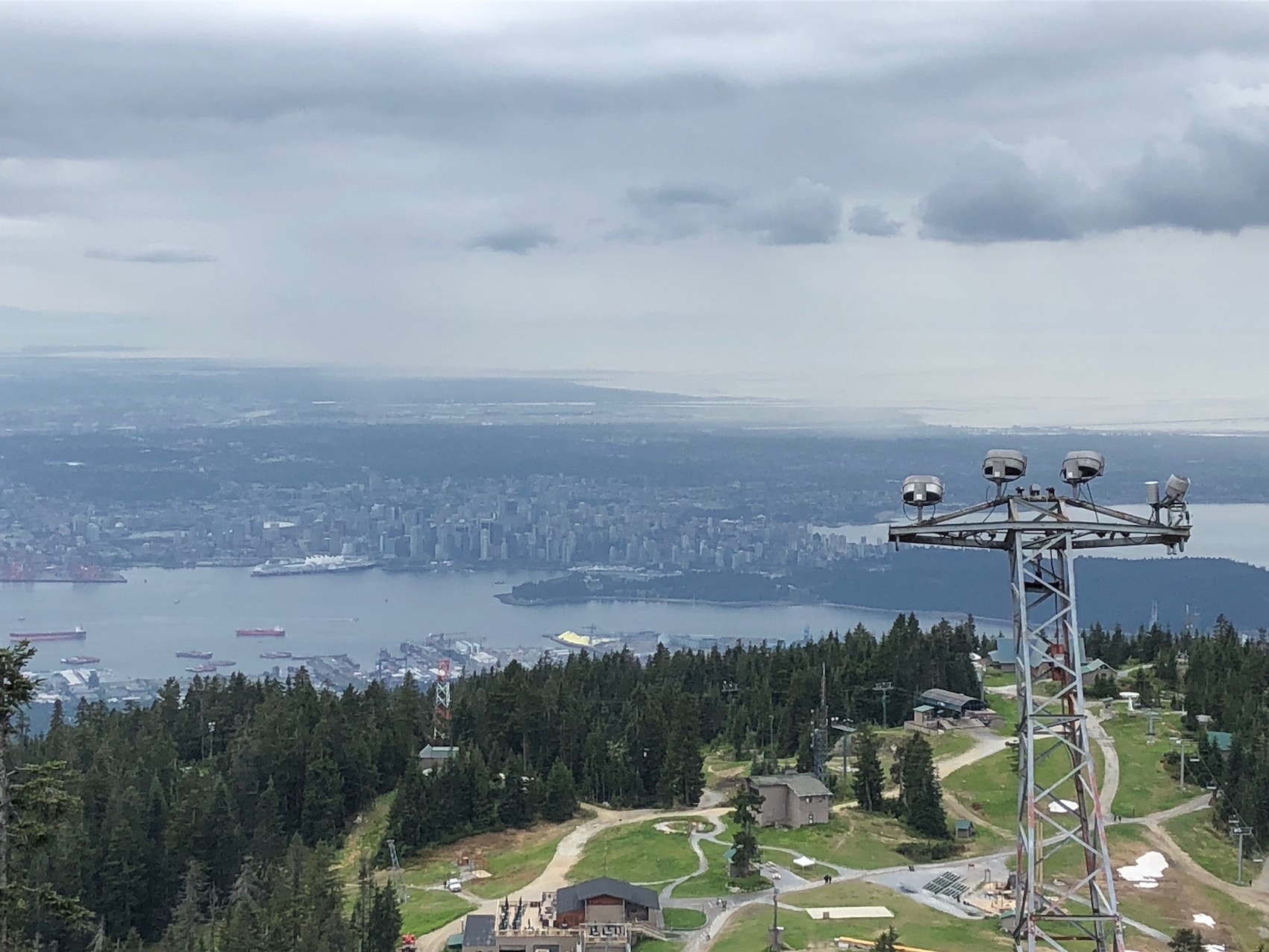
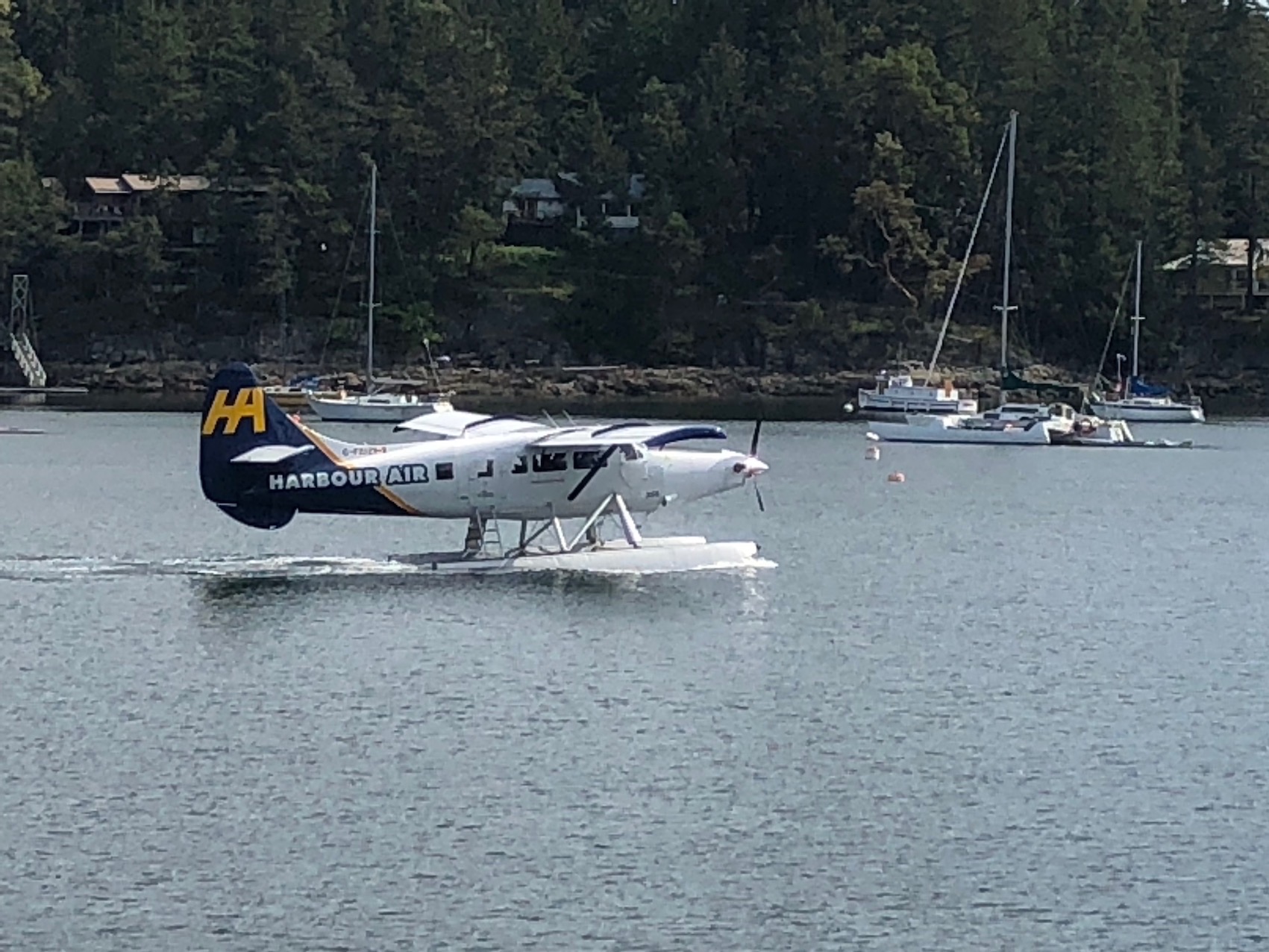
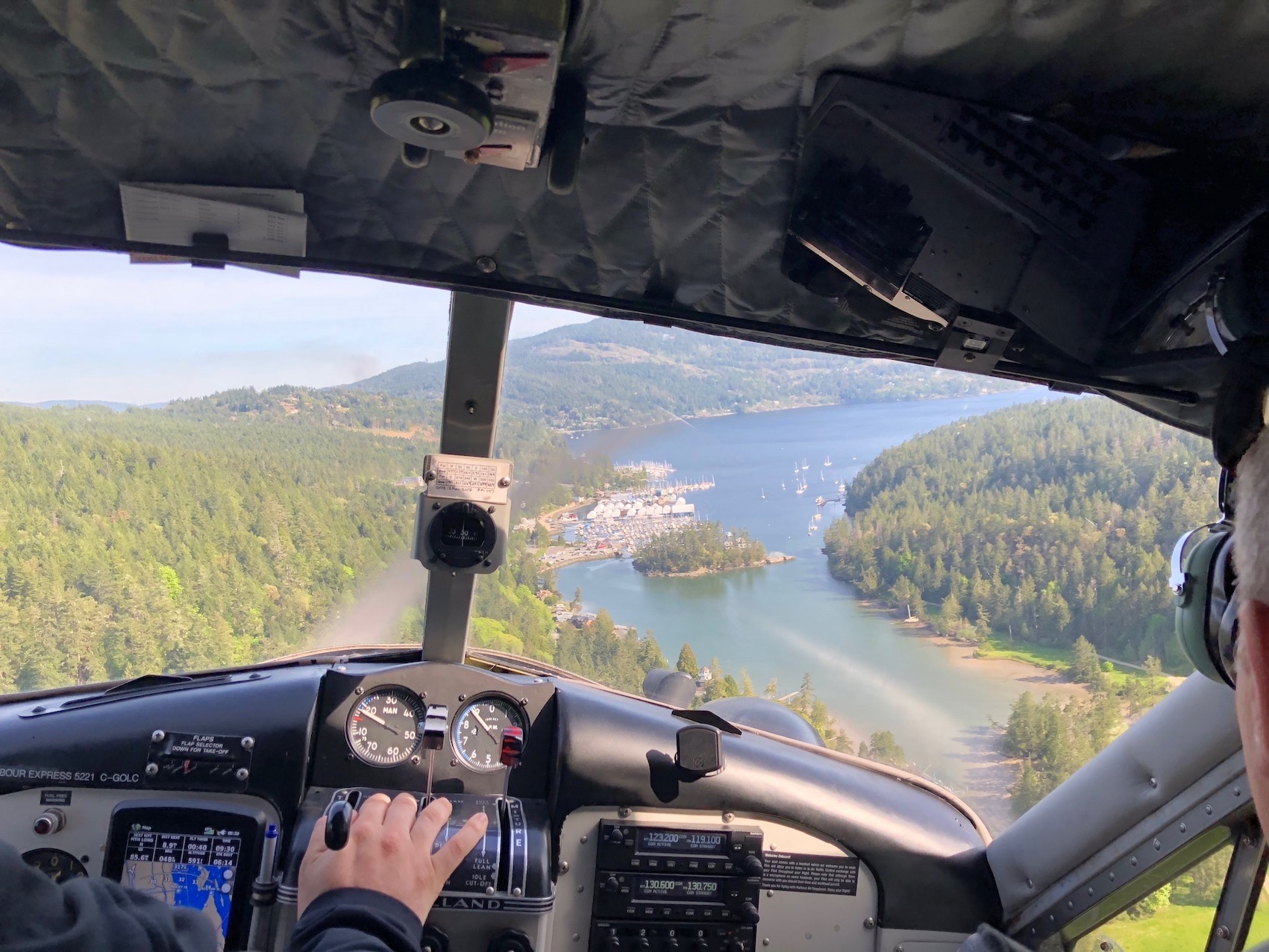
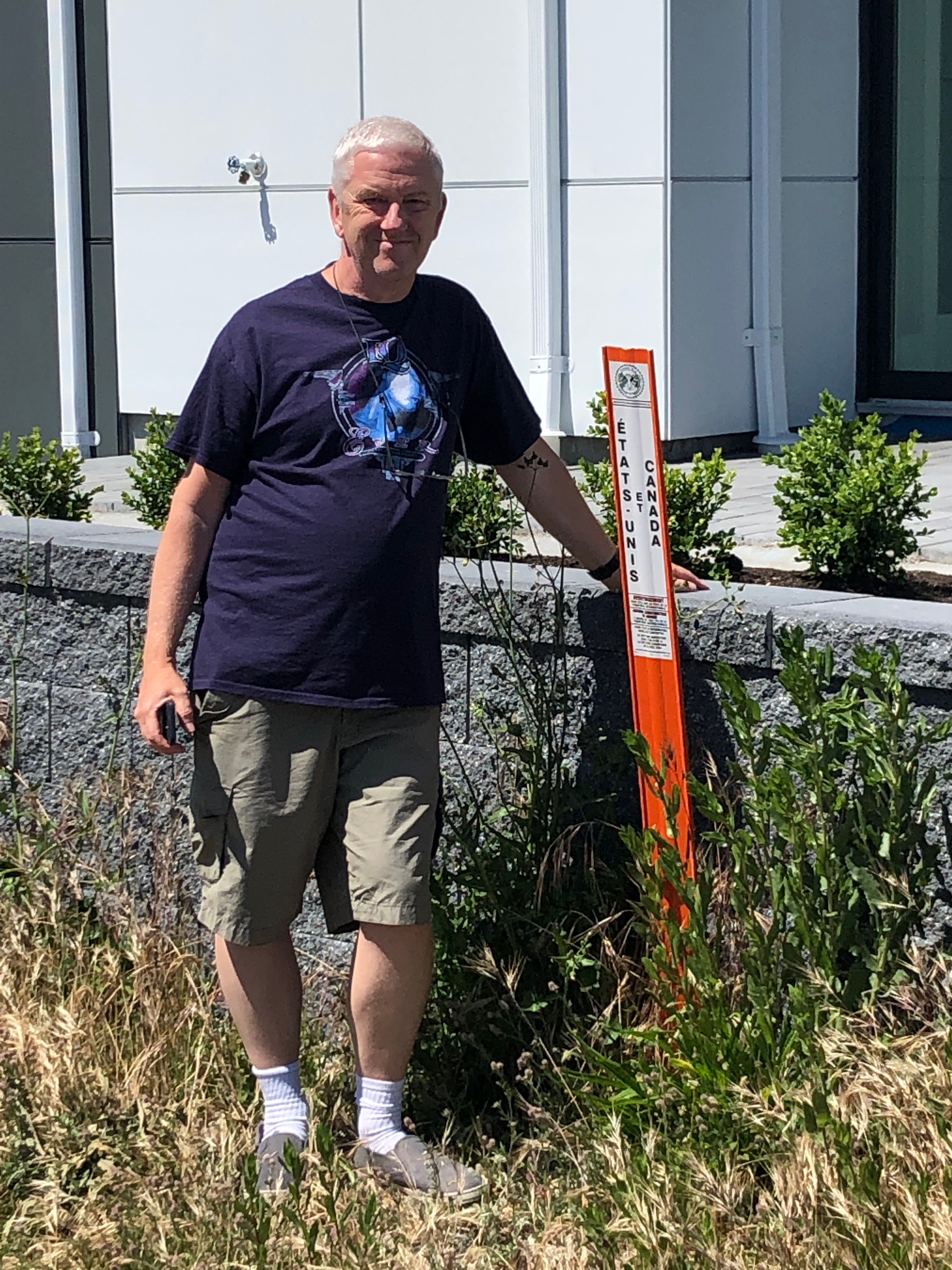
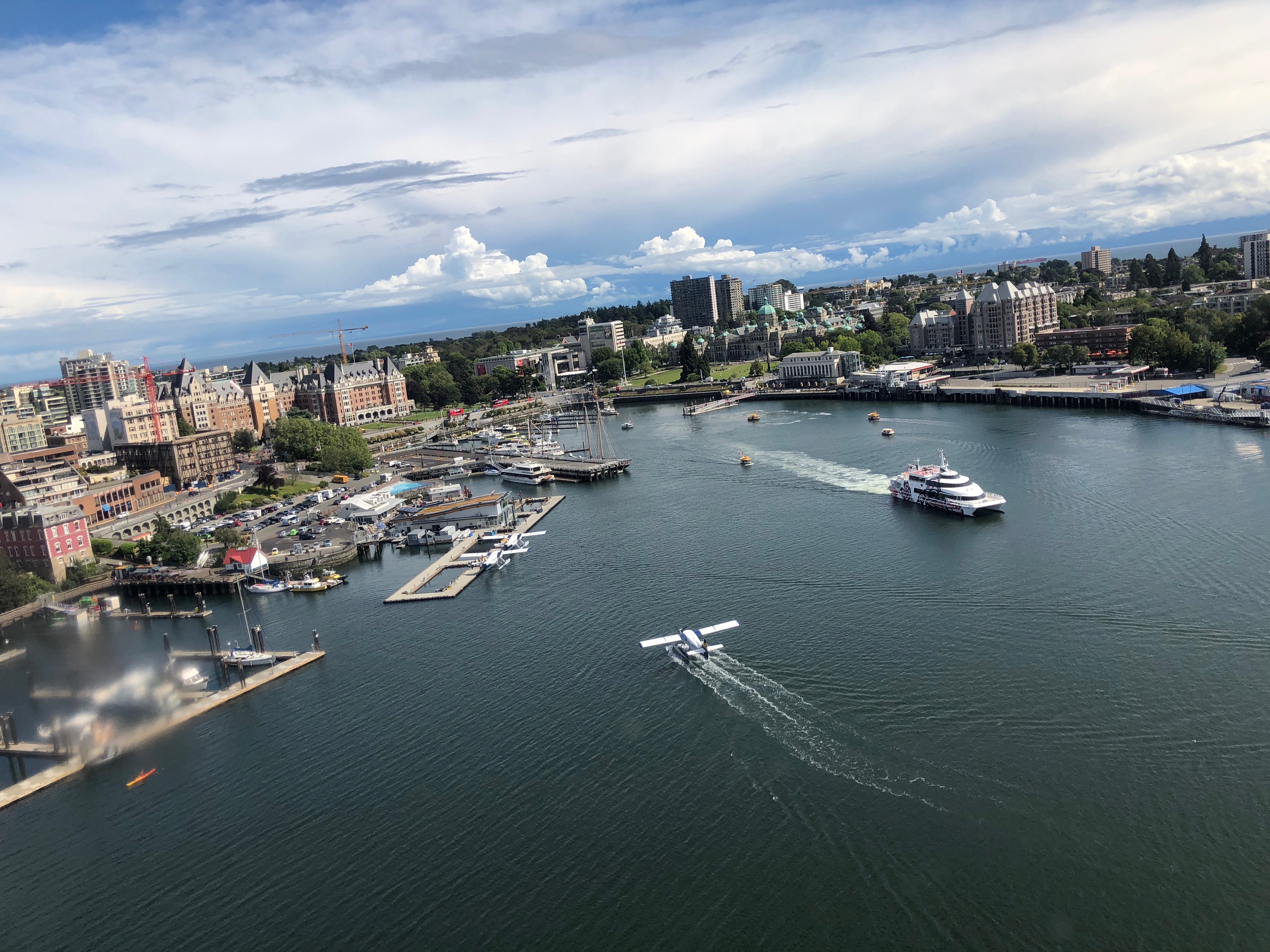
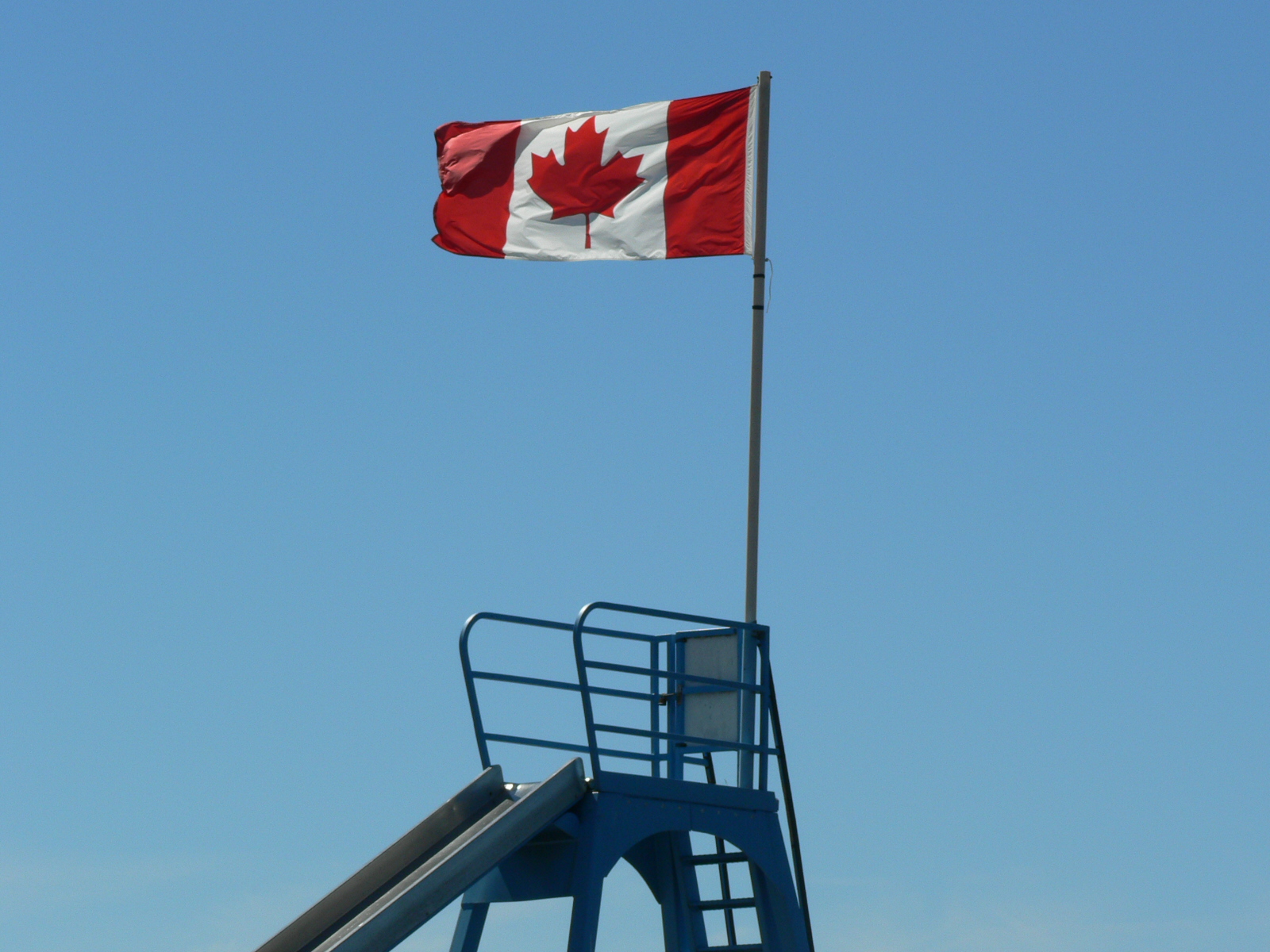
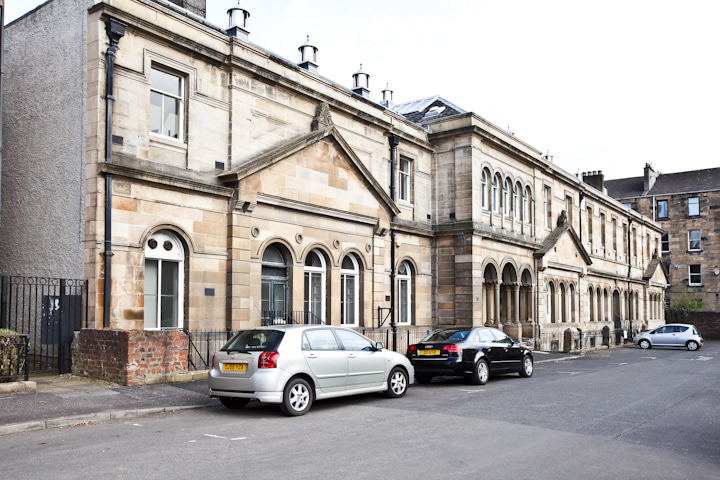
 Glad to be Grey