
This blog is not really about the Greek goddess of wisdom but about the city that is named in her honour, Athens. I’m just trying to be a clever dick. If any nuggets of wisdom are contained within the next few paragraphs, it is purely coincidental and, to be honest, rather unlikely too. Elaine and I have done some early spring city breaks in the past year or two, Alicante, Malaga and Seville to be precise, and have enjoyed them but I never felt they were worth blogging about beyond my daily Facebook updates. This year our early spring break actually took place at the end of winter and for a change did not involve Spain at all. Athens was chosen for two reasons. The first was direct flights from Edinburgh. We would have preferred to fly from Glasgow (or even better, Prestwick) but destinations from there are limited. As we had done with Seville last year, and indeed Finland a few weeks ago, we bit the bullet and headed over to Scotland’s busiest and worst airport for our easyJet flights to and from Athens. The other reason for choosing Athens was that Elaine’s niece and her fiancé are working there. Not only would it be lovely to see them, they also have a rather nice apartment with plenty of spare bedrooms and were happy to put us up for four days. The third of those two reasons was we hadn’t been to Athens before. The capital city of Greece is one of Europe’s great tourist destinations thanks to its 3500 year history when it was the home of one of the world’s great ancient civilisations. So yes, it’s probably worth a blog even if I’m hardly an expert on Ancient Greece even after spending a few days there.
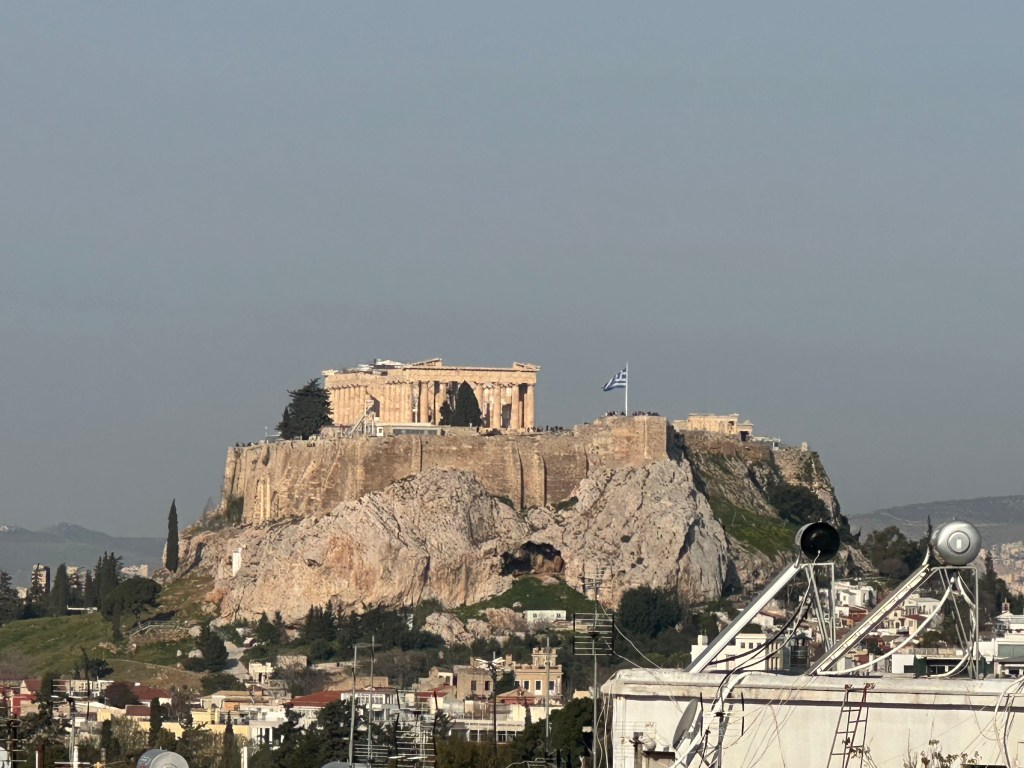
We arrived at Athens Airport on a Sunday evening, a bit late due to the easyJet captain going sick after we had pushed back at Edinburgh. At least it wasn’t after we got airborne. Another captain was found and off we went. Justine and Jack were there to meet us and give us a lift back into town. This was particularly useful as Athens is a big place and the area their apartment is in, whilst central, was a mass of narrow roads and may have proved a bit tricky to find. As it turns out, they are on the 8th floor of an apartment block which in a low rise city like Athens is quite high. This means they have a fine view of Athens’ most famous landmark, The Parthenon. Set high on a hill, The Parthenon is part of the Acropolis, a citadel of temples that date back to 500 bc and when you think of Athens, it is probably the first thing that comes to mind. It was on our agenda of course.
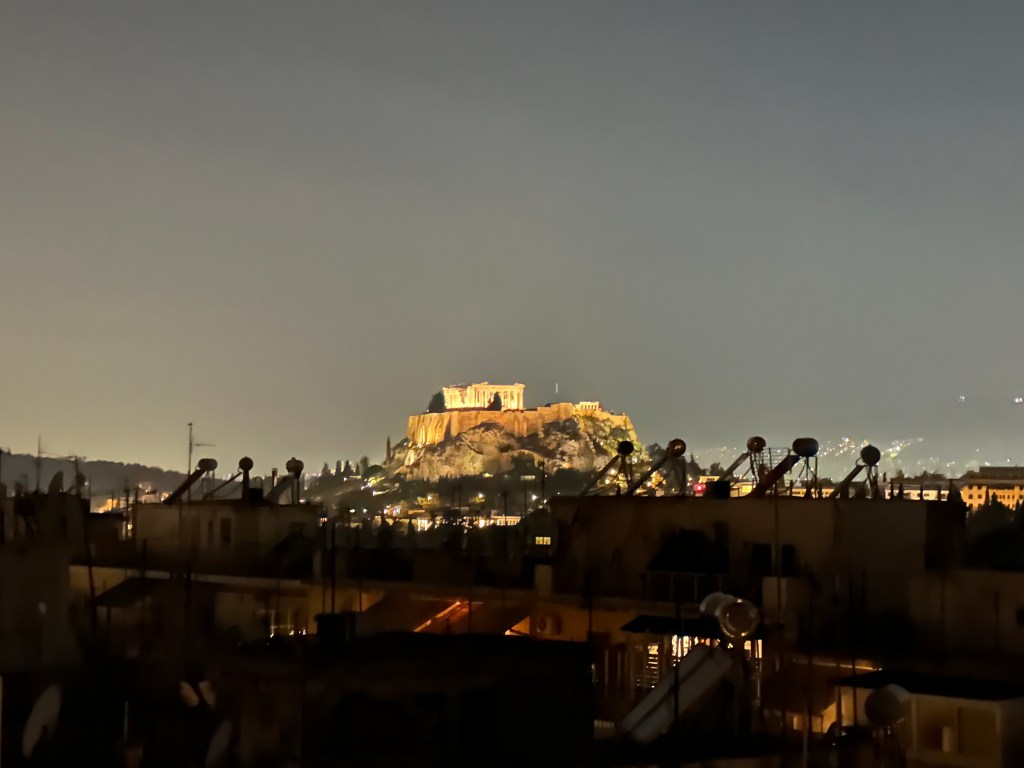
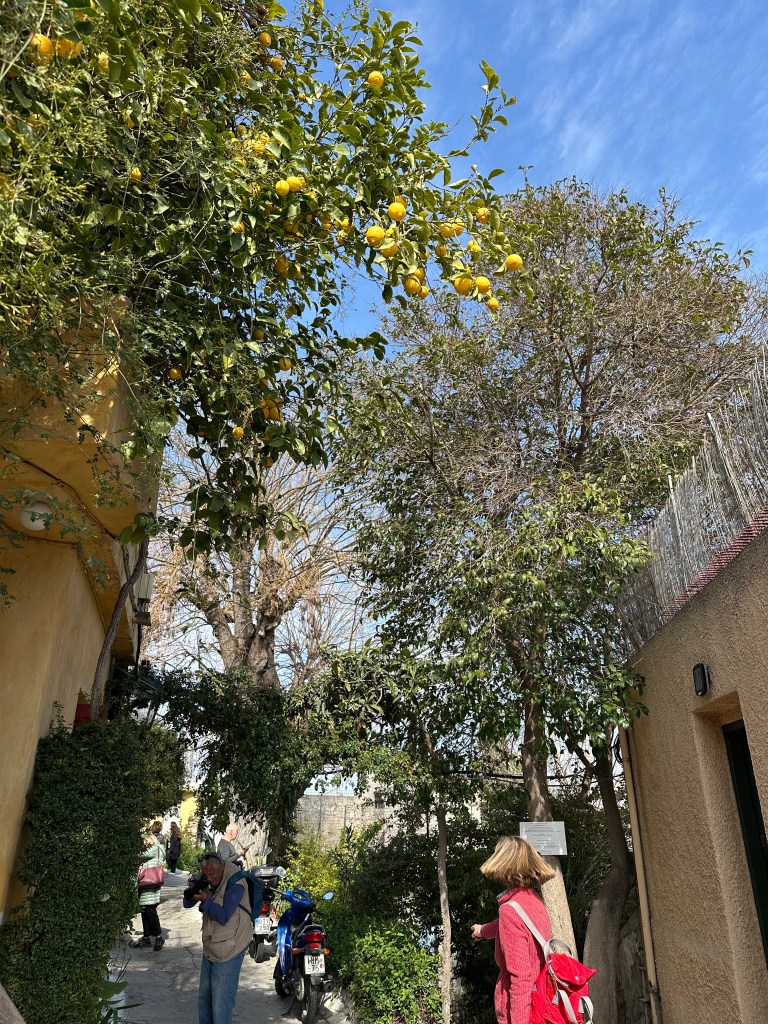
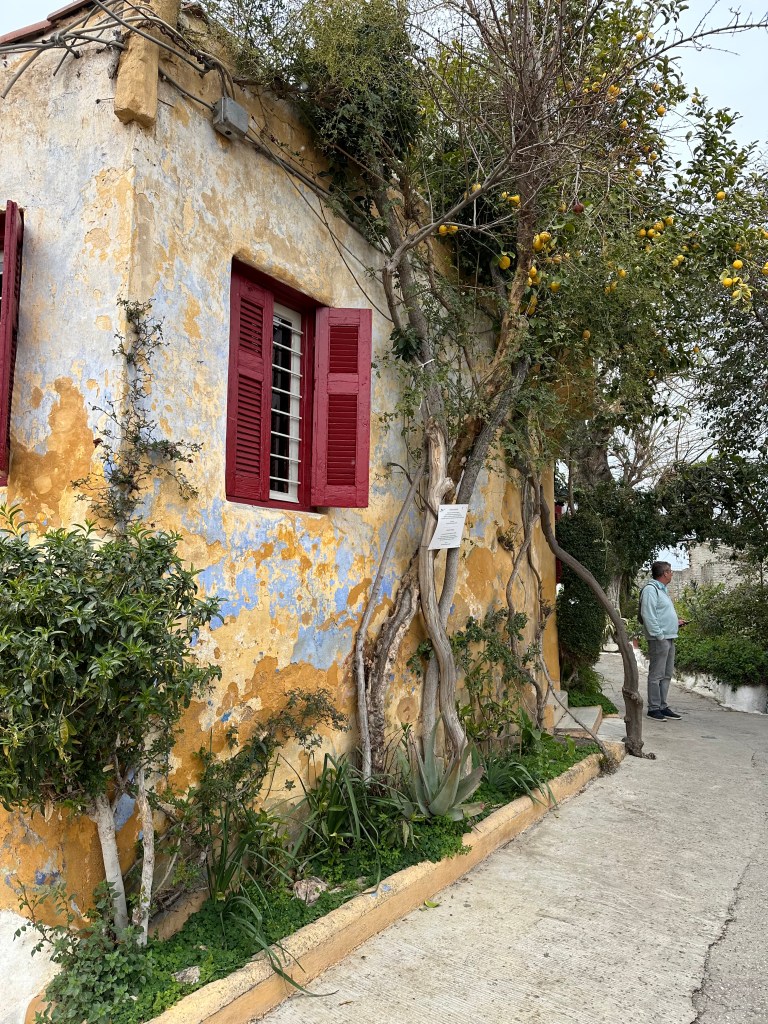
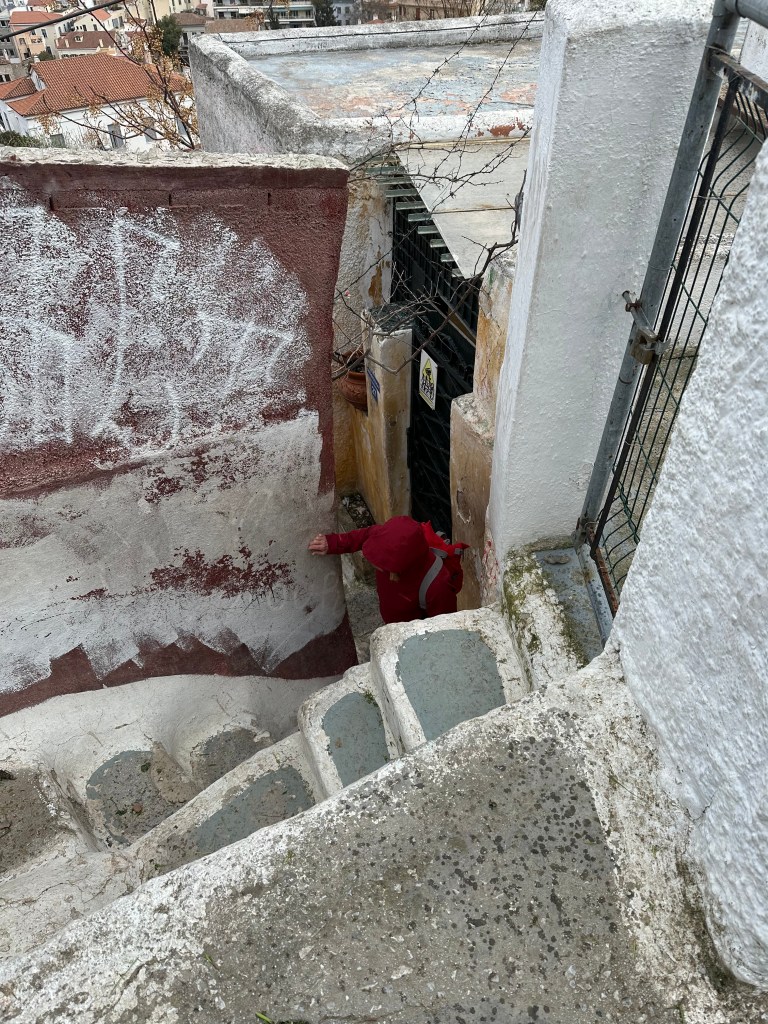
Monday morning duly followed Sunday evening and with our hosts working we were left to discover Athens. We are simple souls when it comes to discovering a new city and we set off to walk around the place. Whilst a bit hilly, most places of interest are within walking distance of where you are likely to be staying. It was certainly the case with us. The Panathenaic Stadium was just around the corner from the apartment and whilst we left that until later to discover, we headed to the foot of the Acropolis Hill passing various bits of antiquity on the way. We wound our way anti-clockwise around to the far side of the hill to the main entrance, realising later that there was a less busy entrance nearer had we gone in the other direction. Not to worry though, we passed through Anafiotika, a small settlement built on the side of the hill. The small, colourful houses and narrow passageways and stairs make it a very pretty area. The story goes that in the mid 19th century, construction workers from the island of Anafi were brought in to work on King Otto’s palace. They built their own houses in the style of their island homes and nearly fifty of them are still occupied, not, presumably, by their original owners. It was here we saw our first cat. We saw lots more subsequently. On the north side of the hill we discovered the main entrance to the Acropolis and after a relatively short queue for the tickets, headed through the gate.
We were there in March. There were plenty of tourists there but relatively speaking it was fairly quiet. Tickets are timed for entry as numbers are restricted. At peak times it is almost certainly better to obtain your tickets online before you go and time your arrival accordingly as it gets notoriously busy. A standard adult ticket costs €30, quite pricey but hey, it’s the Acropolis for goodness sake. Restoration work is ongoing and they’ve got to pay for it somehow.
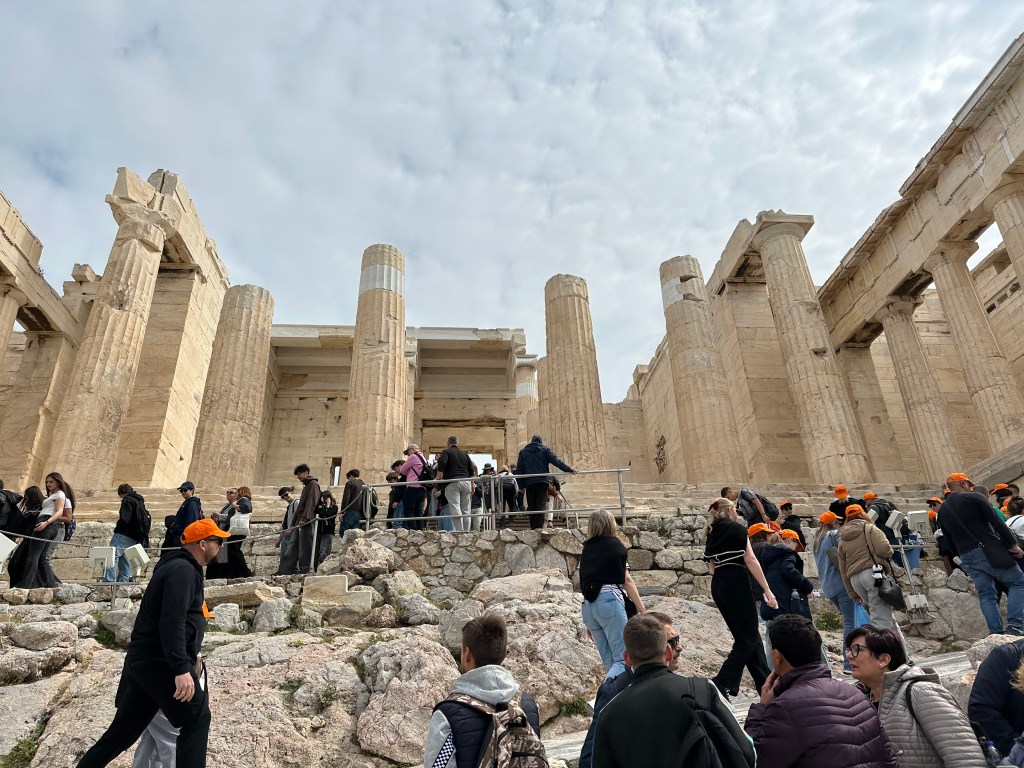
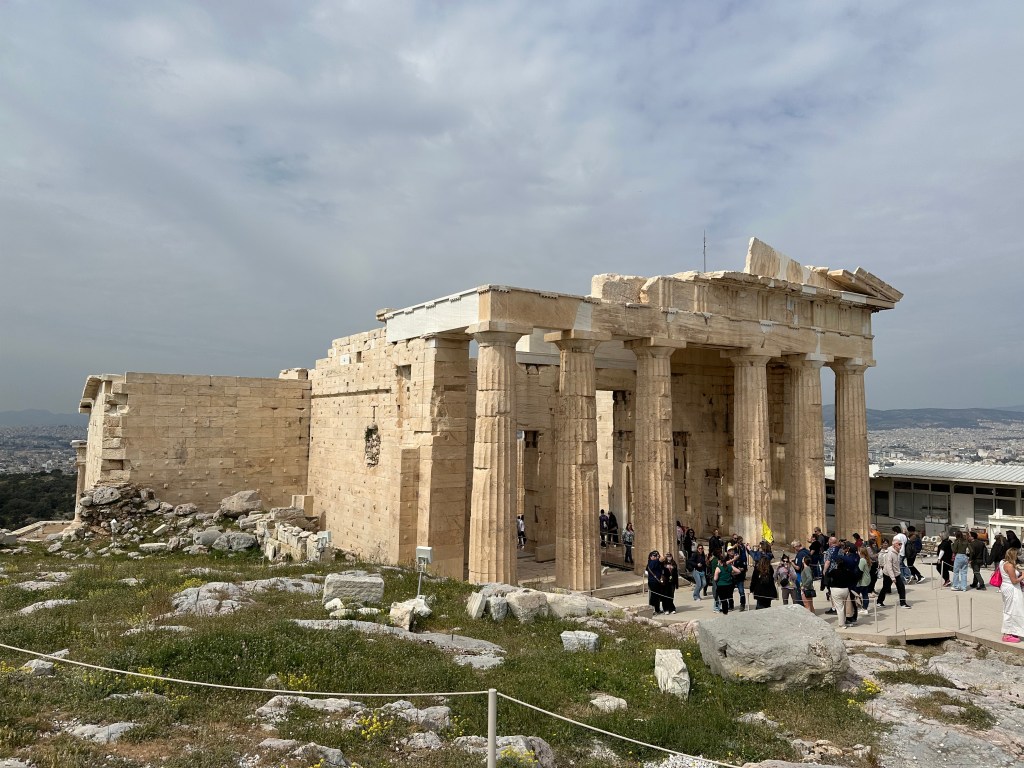
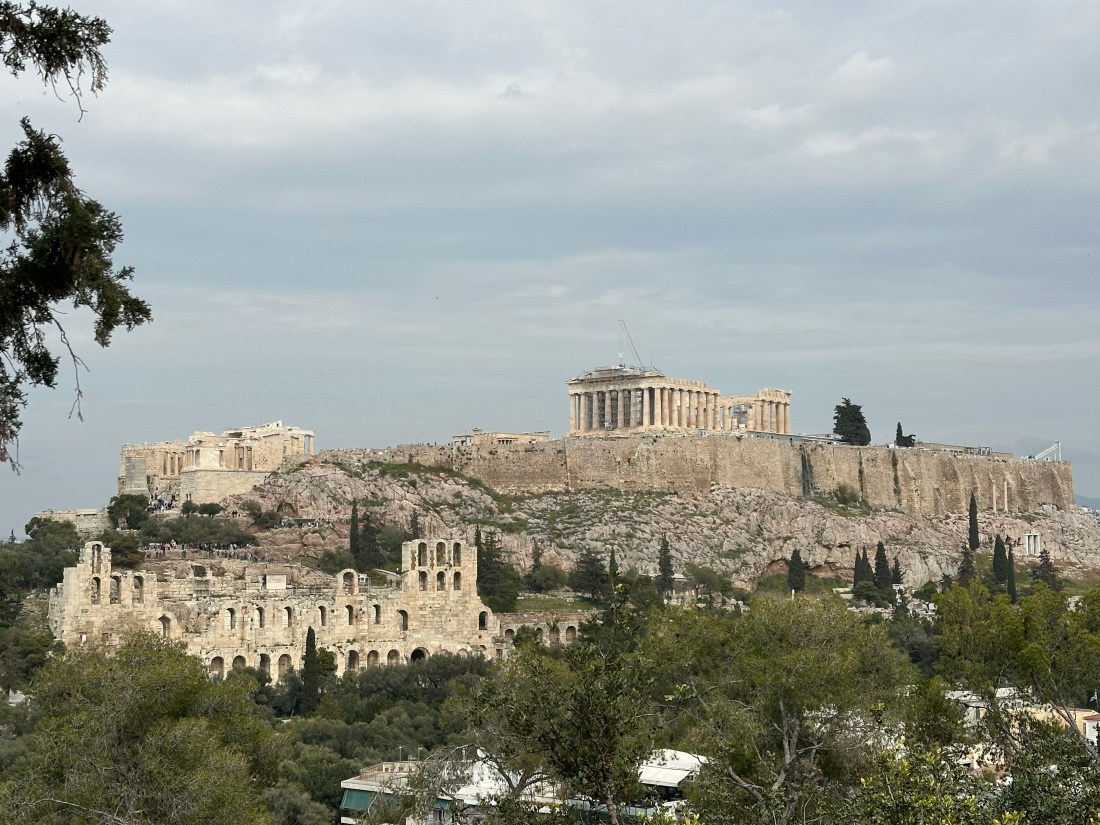
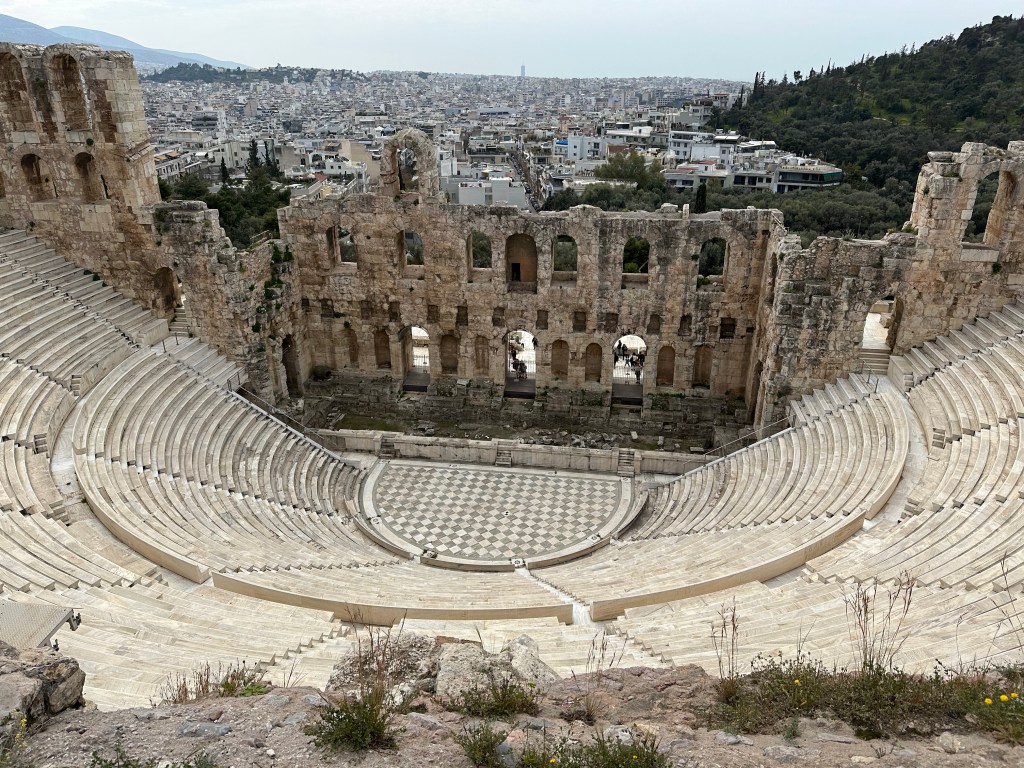
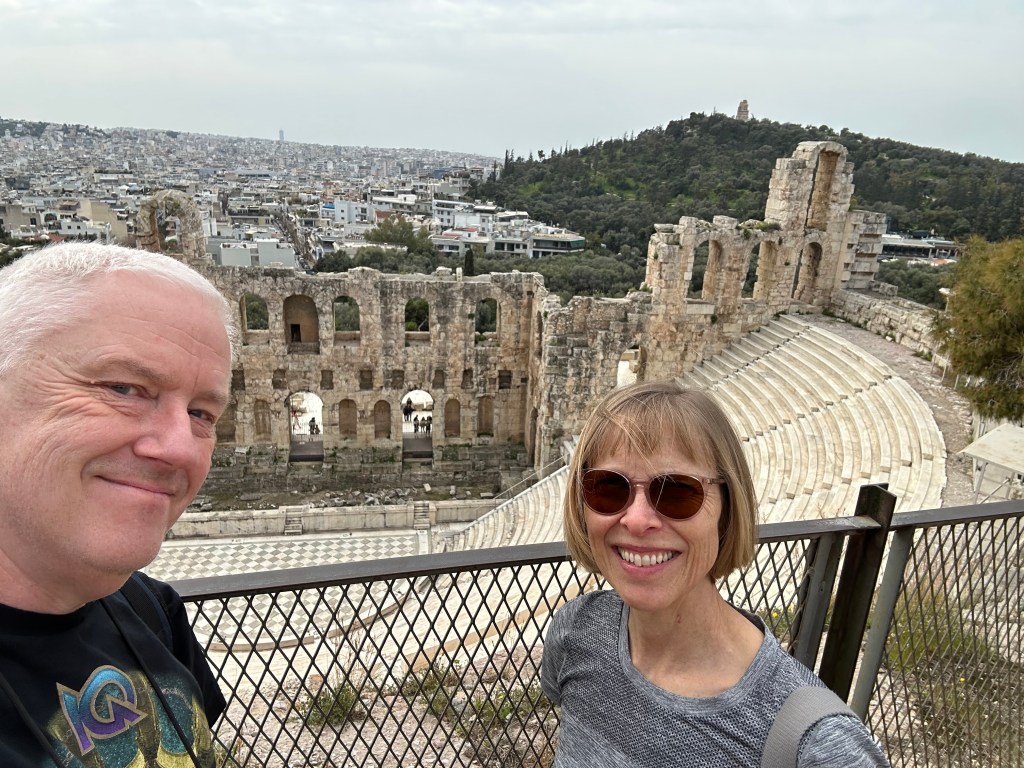
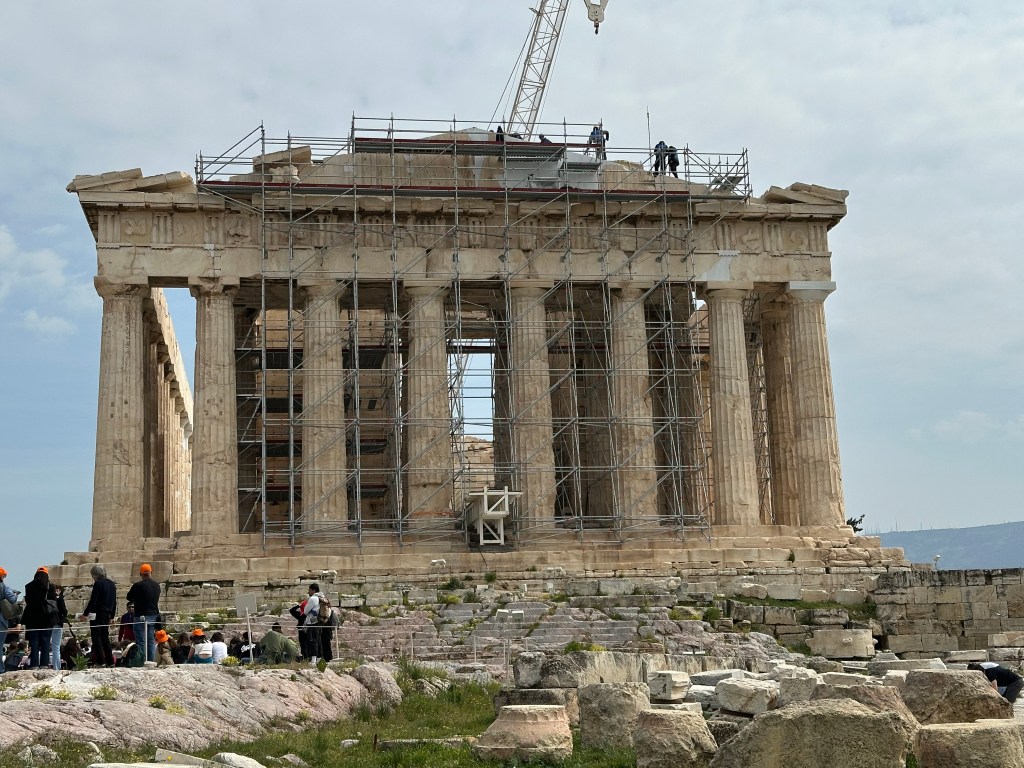
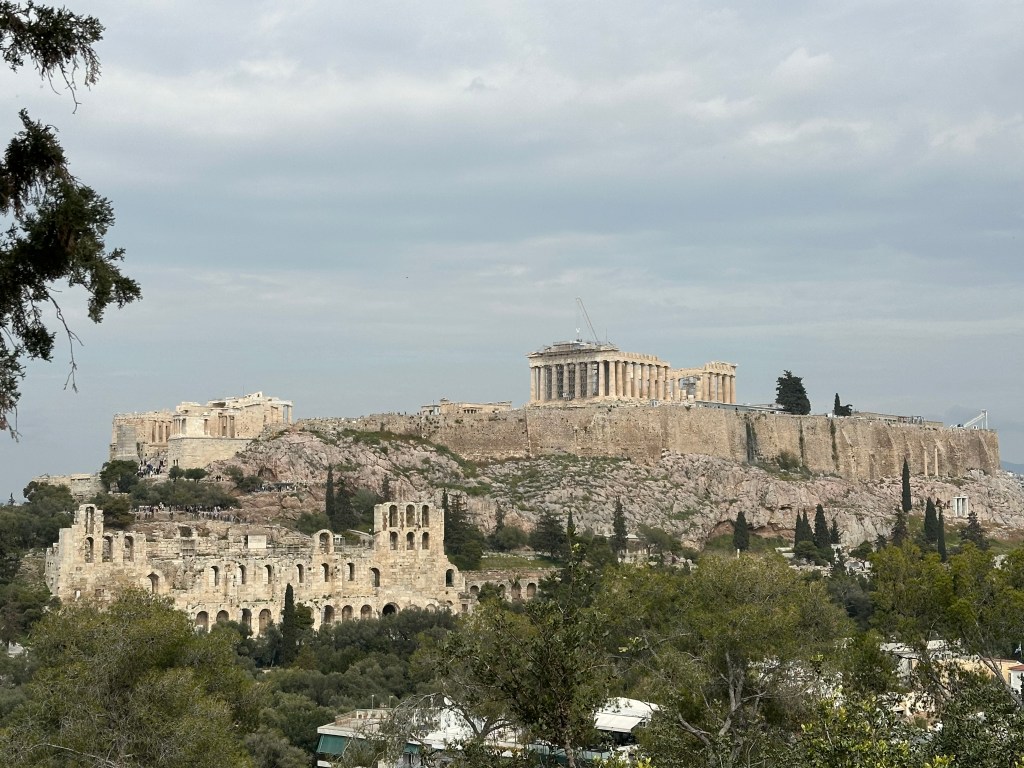
Whilst the main attraction of the Acropolis is the Parthenon, there are plenty of other things to see. The Odeon of Herodes Atticus for a start, a stone amphitheatre where concerts are still performed. The stone structure dates back to 161AD and is a Roman addition to the hill. A larger theatre, the Theatre of Dionysus, lies to the south though is now a ruin. That dates back to fourth century BC. Above the theatre on top of the hill lies the Acropolis itself. Literally ‘highest point city’, the Acropolis had been settled from at least the Neolithic period thanks to its strategic situation. It was in the fifth century BC that the buildings whose remains, erm, remain were built. Those buildings were a fancy entrance gate and a number of temples as even in a civilisation that gave the world democracy, appeasing the gods was still important. Times move on and gods change. More to the point, wars happen and buildings get blown up and fall down as happened in 1687. The temples are all ruins, some more ruined than others. Restoration work has been going on since the early 1900s and is currently at the stage of repairing the restored bits as they didn’t make a great job of it the first time. The Parthenon has scaffolding over one side and you can’t go inside, not that there’s a roof to form an inside in which to go. Despite this, it’s still an impressive building considering the 2400 years it has been standing there. It was dedicated to the Goddess Athena, daughter of Zeus, who lends her name to the city in which the Parthenon stands. Smaller but almost as impressive is Erechtheion, another temple dedicated to Athena, where the Porch of Maidens holds up part of the stone roof. They were tough women in Ancient Greece. Most of the statues that used to adorn the site are in the nearby Acropolis Museum (and the not nearby British Museum but let’s just gloss over that for the moment…) and a lot of debris from the collapsed temples is deliberately left lying around. It is, apparently, number six in the list of most visited attractions in the world but don’t let that put you off. If you go to Athens you have to go. I think it might be the law over there.
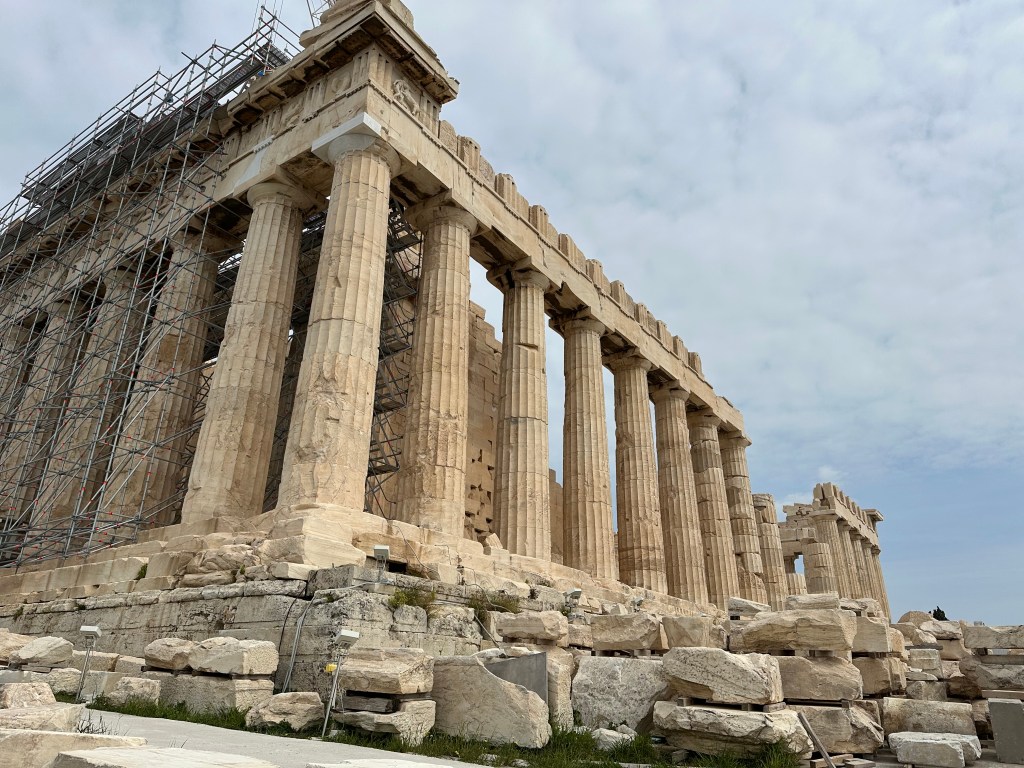
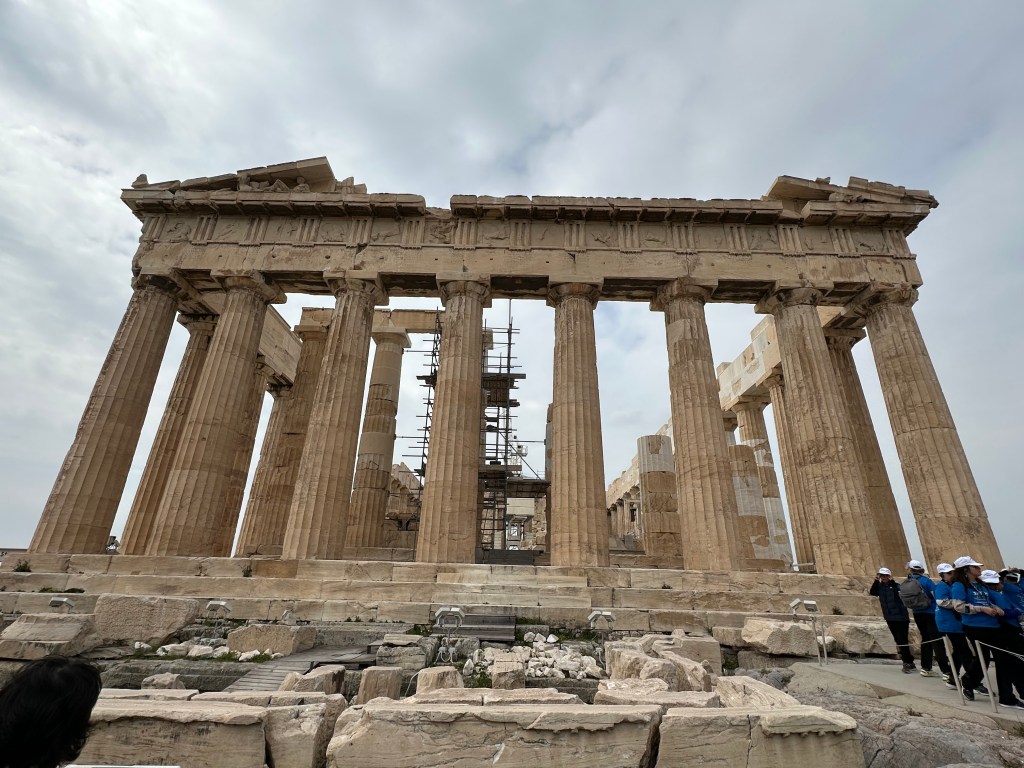
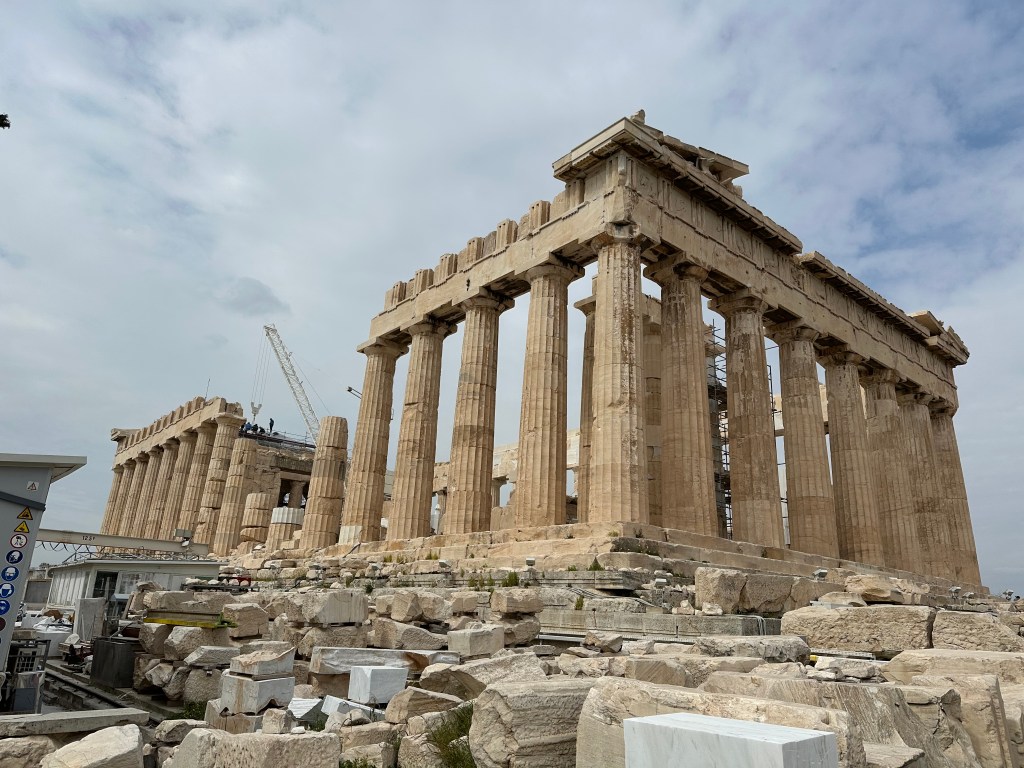
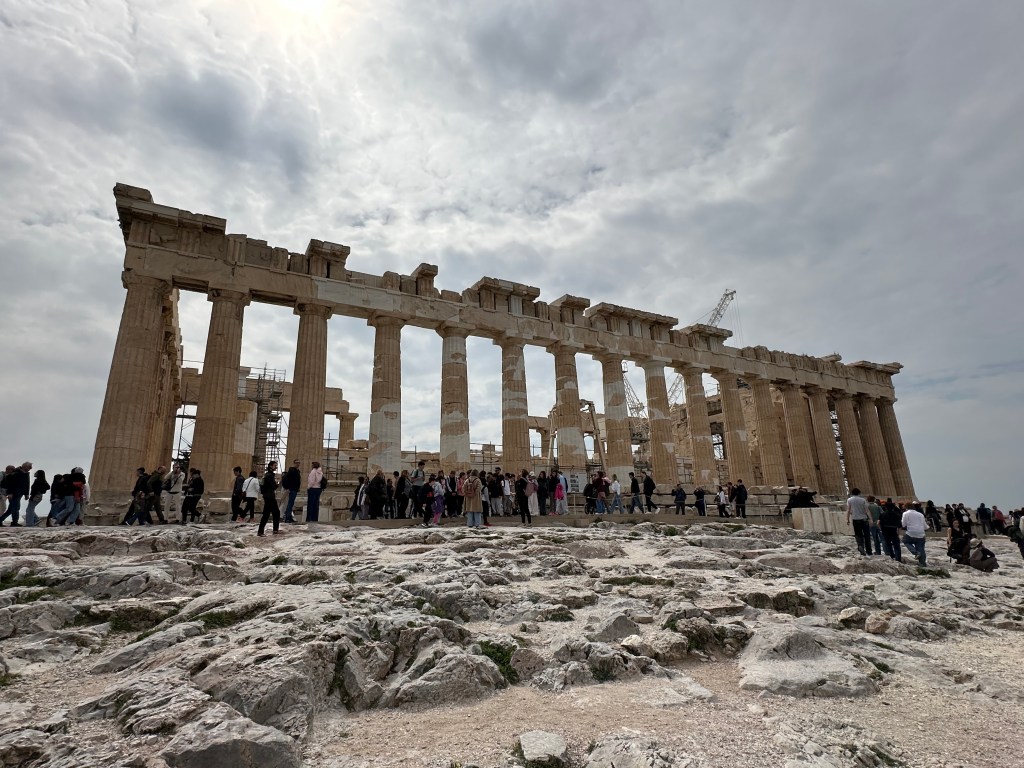
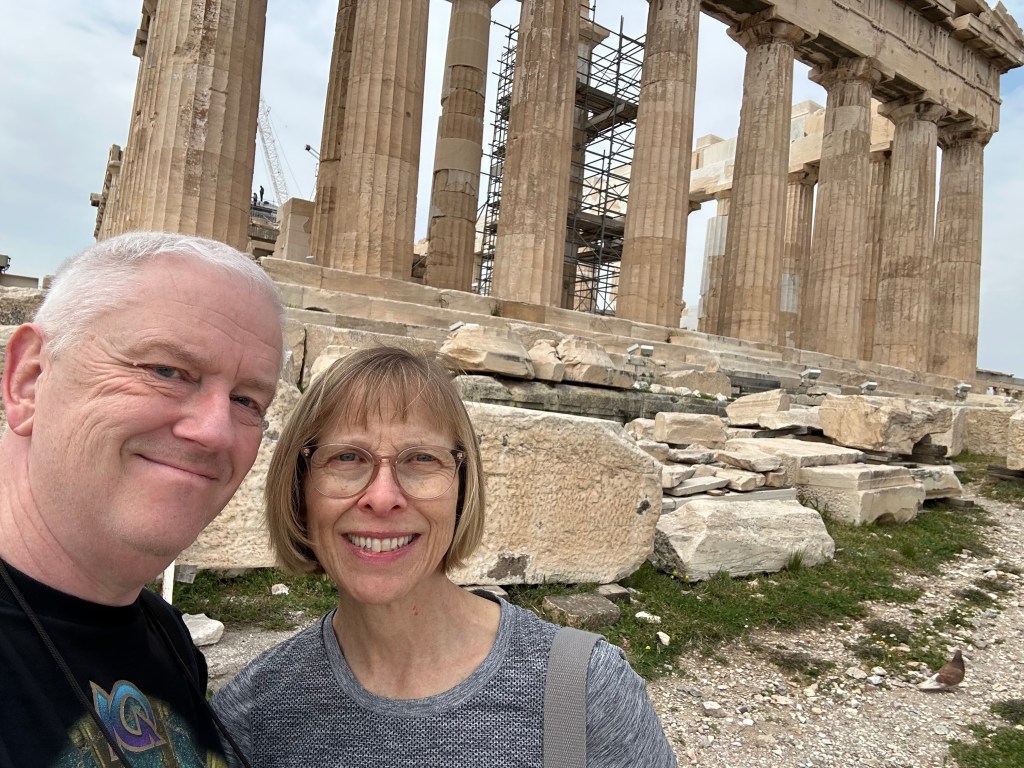
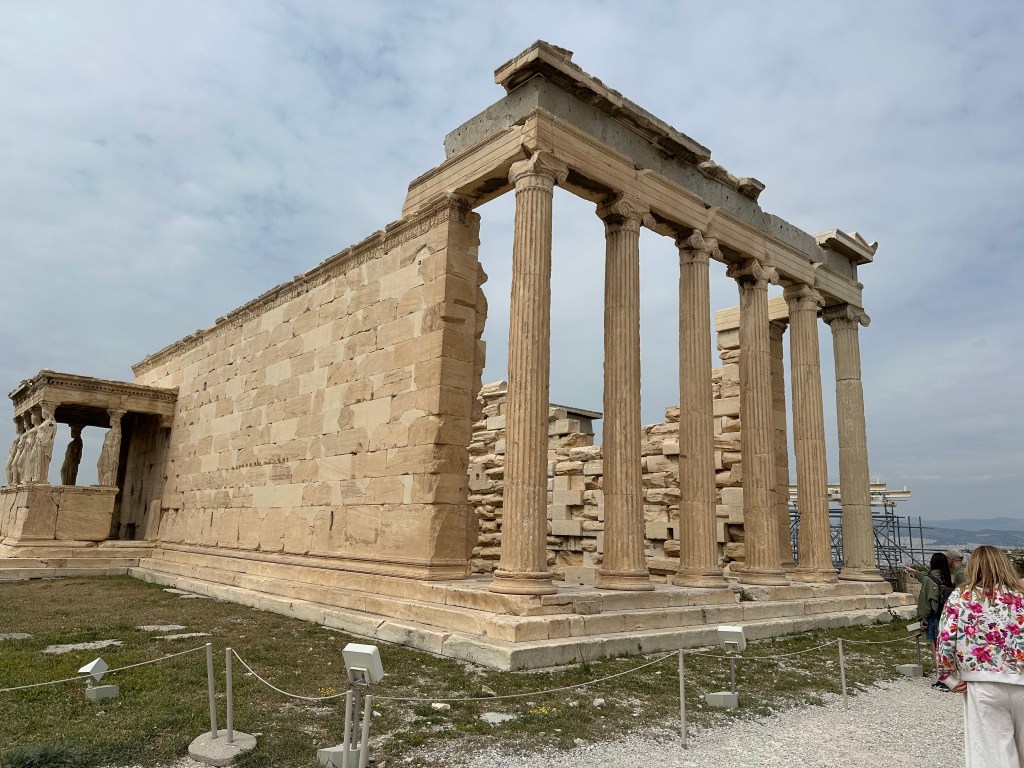
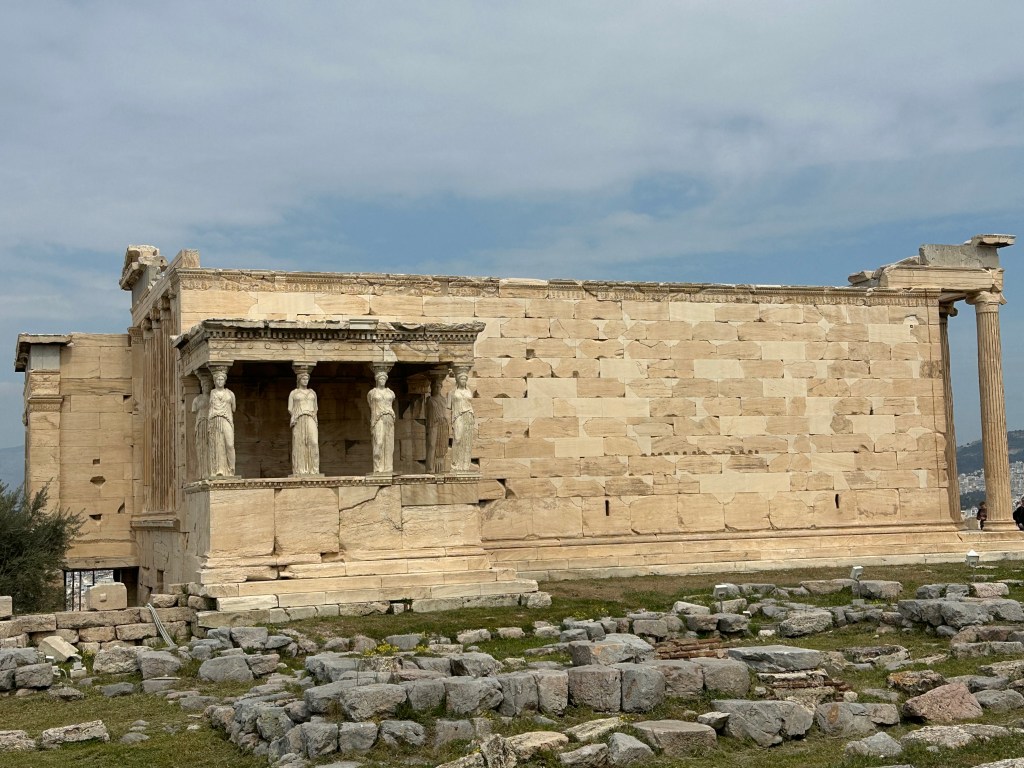
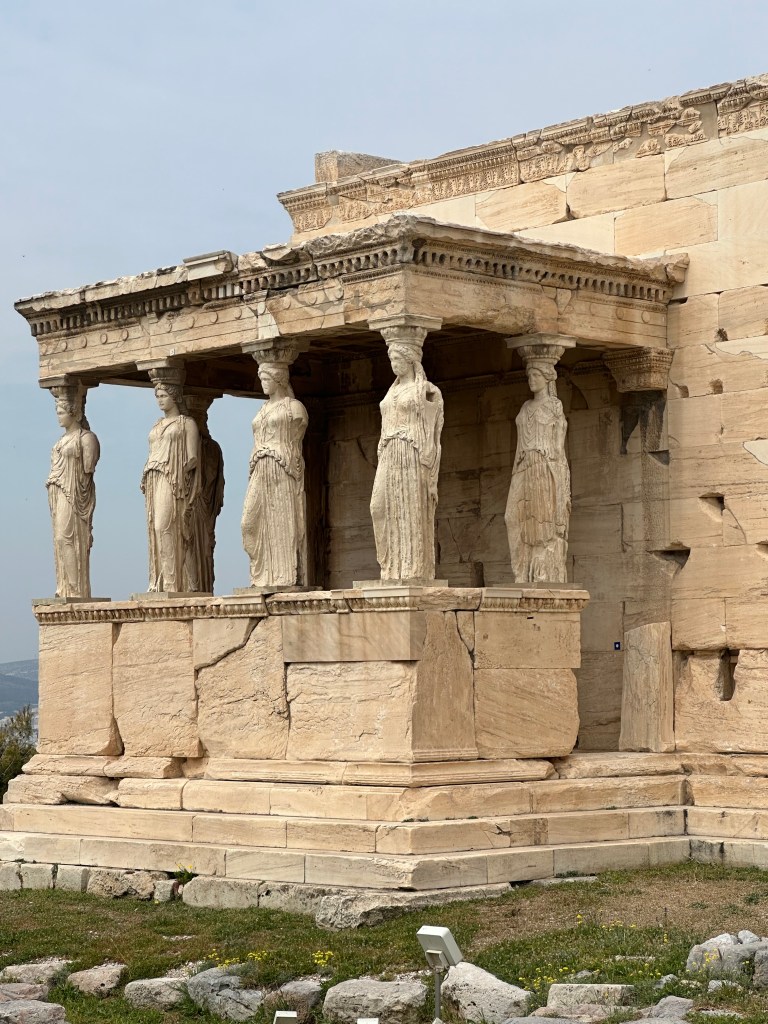
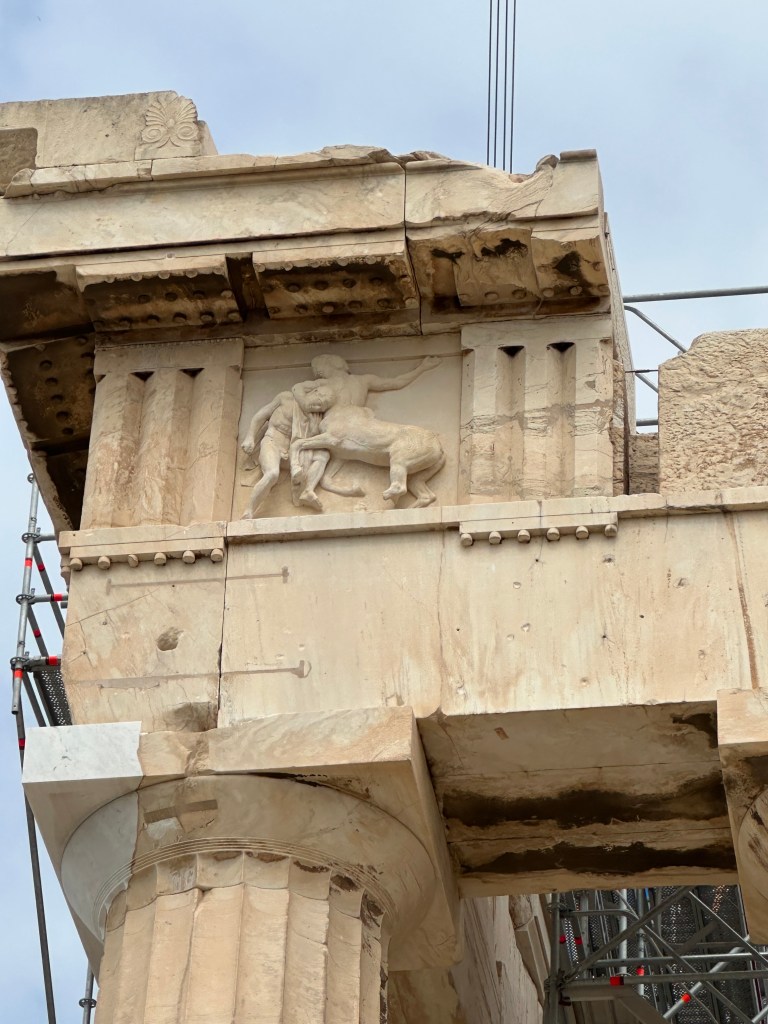
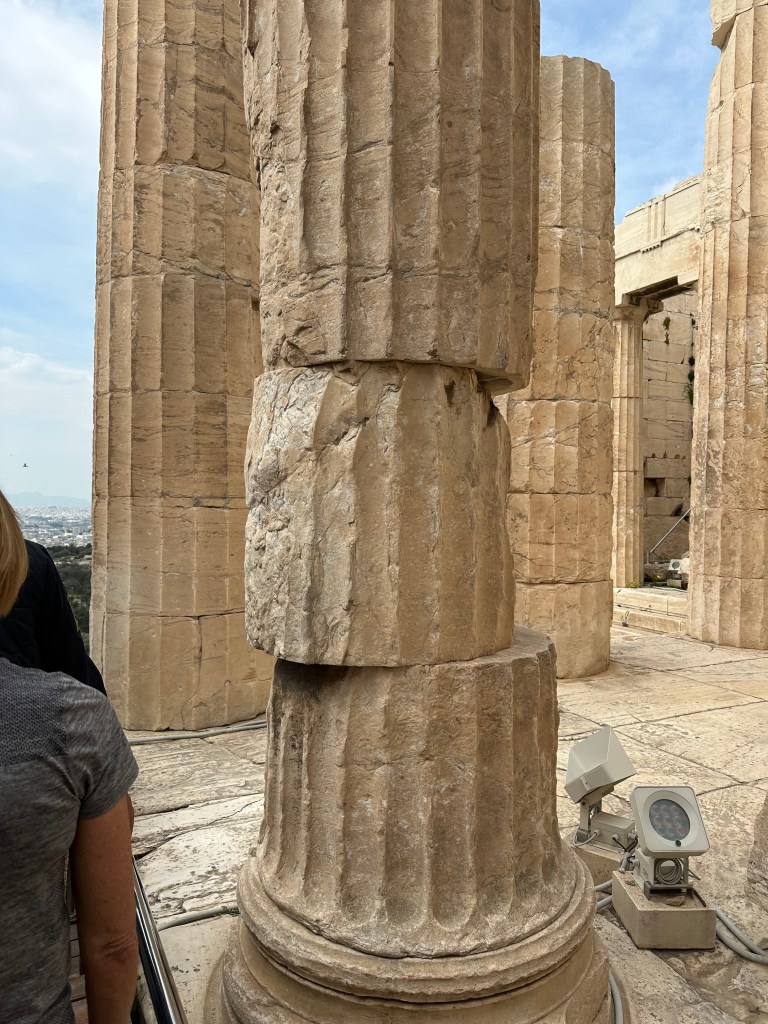
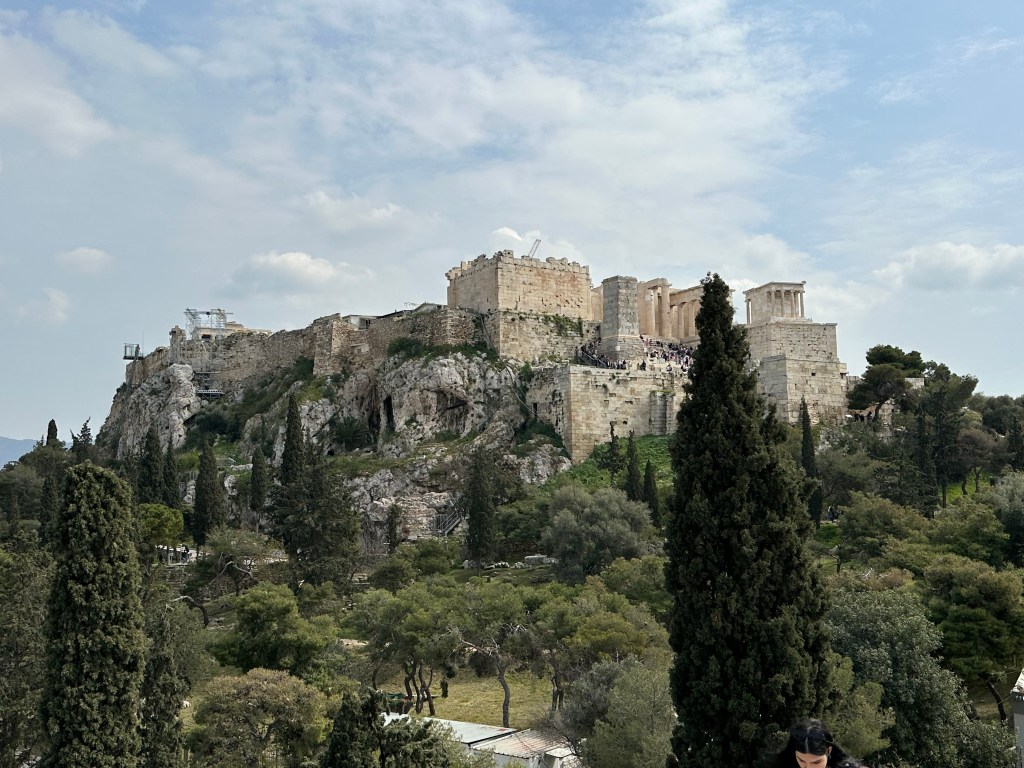
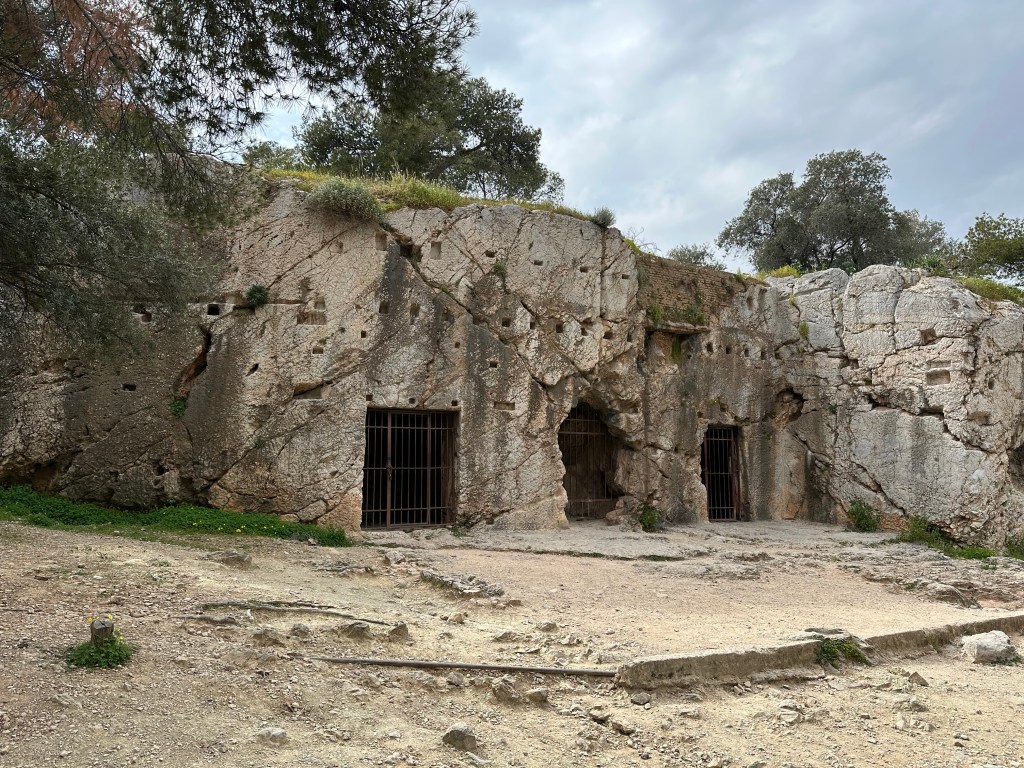
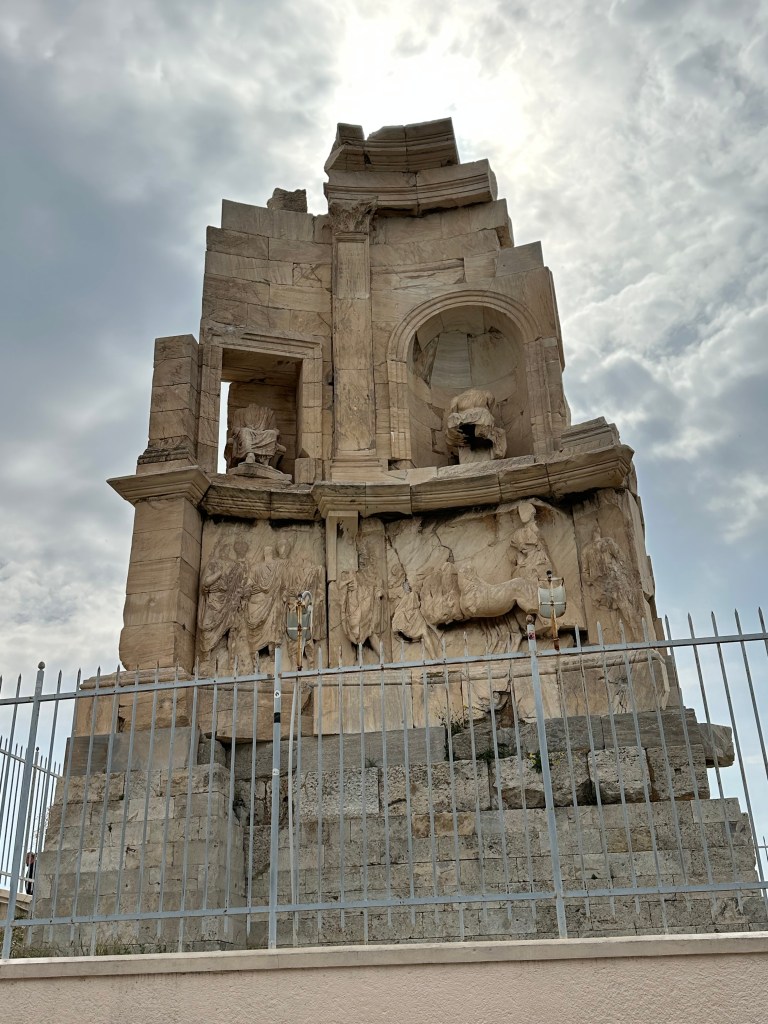
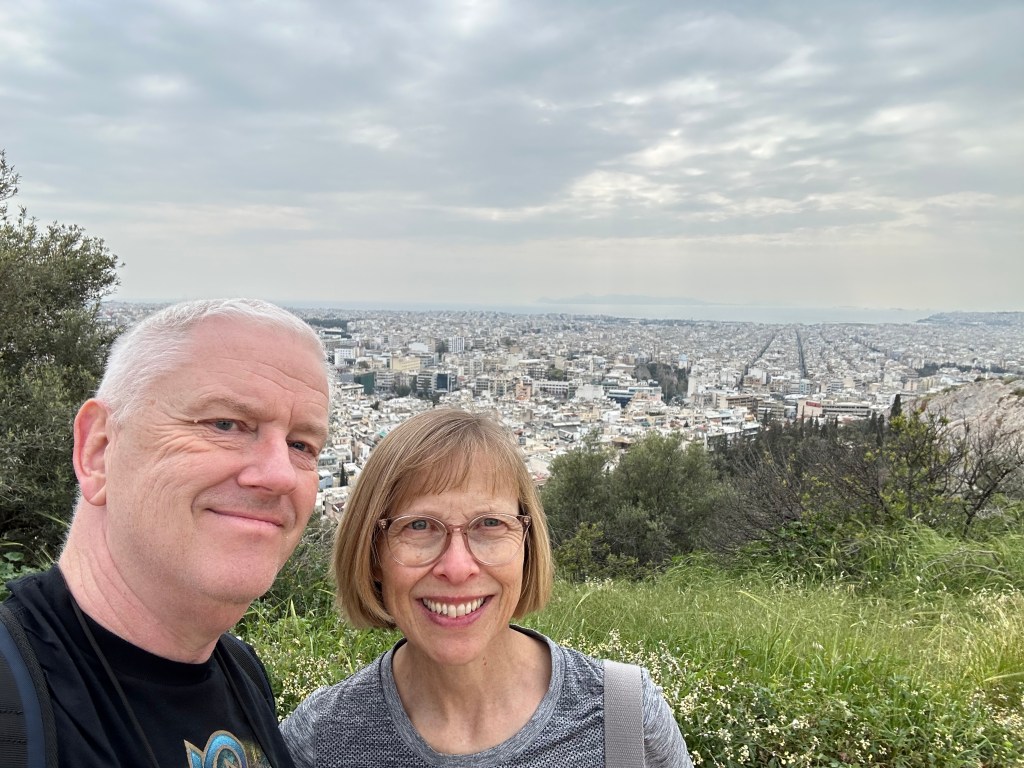
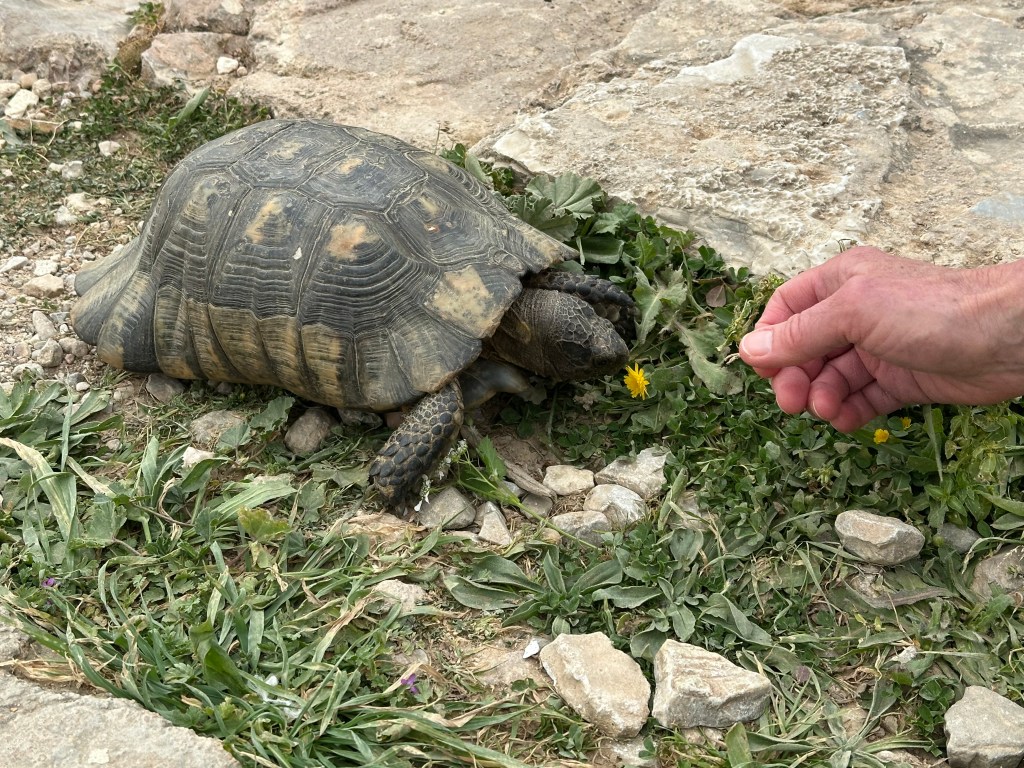
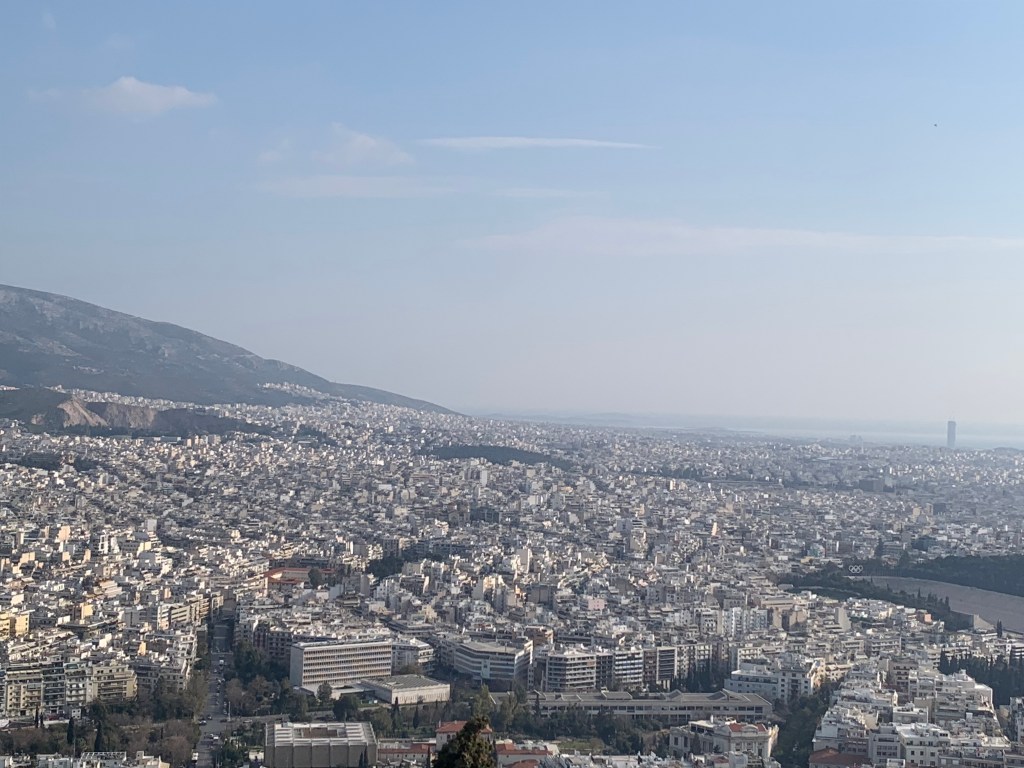
Having built up the Acropolis, we only spent an hour or so there which left us the rest of the day to fill. Having been up one hill we decided to go up another two. The first one was Philopappos Hill. Perched on top is the Phillapopus Monument, a Roman tomb containing the late Prince Philopappos who departed this mortal coil in 116AD. On it’s own it probably isn’t worth the walk up the hill as you can see it from a distance. The hill also contains Socrate’s Prison, some caves where the famous Greek philosopher, who according to Pythonic legend was permanently pissed, was incarcerated for annoying some gods. It probably isn’t but never mind. That too isn’t worth a trip up the hill. However, the views across to the Acropolis are lovely and in the other direction you can observe Athens spreading out towards the sea. In itself this is probably worth the, frankly, quite easy walk up to the top but sealing the deal is the fact that the hill is home to wild tortoises. Not that tortoises get very wild of course. We saw one and gave it a dandelion. We felt rather pleased with ourselves.
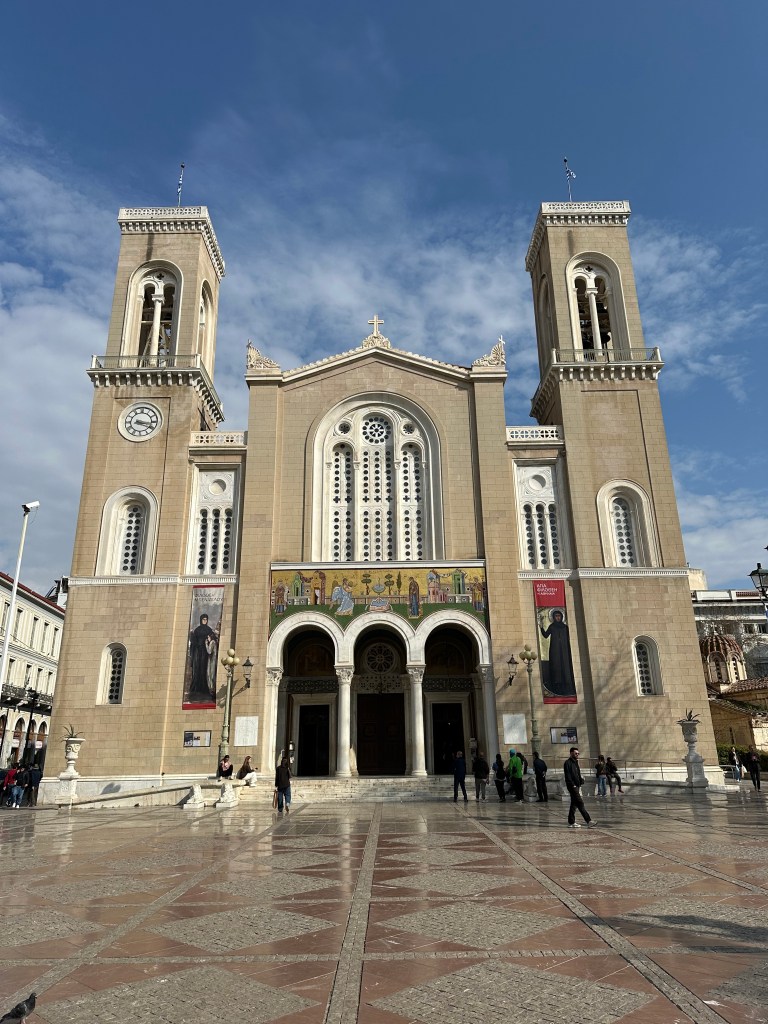
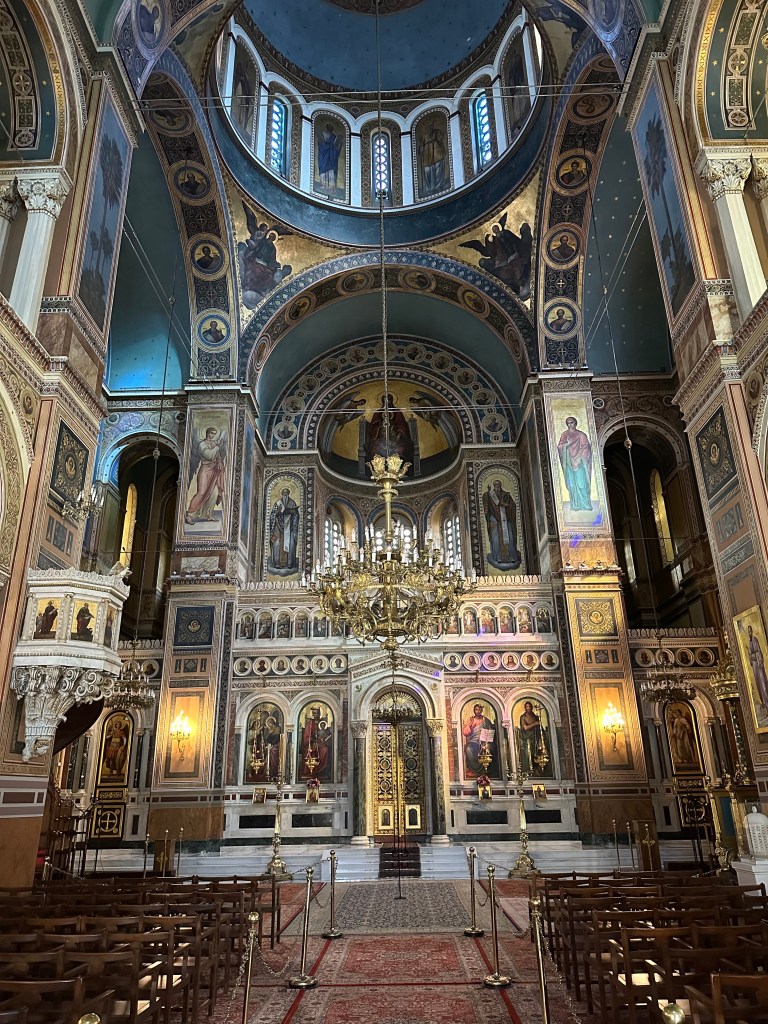
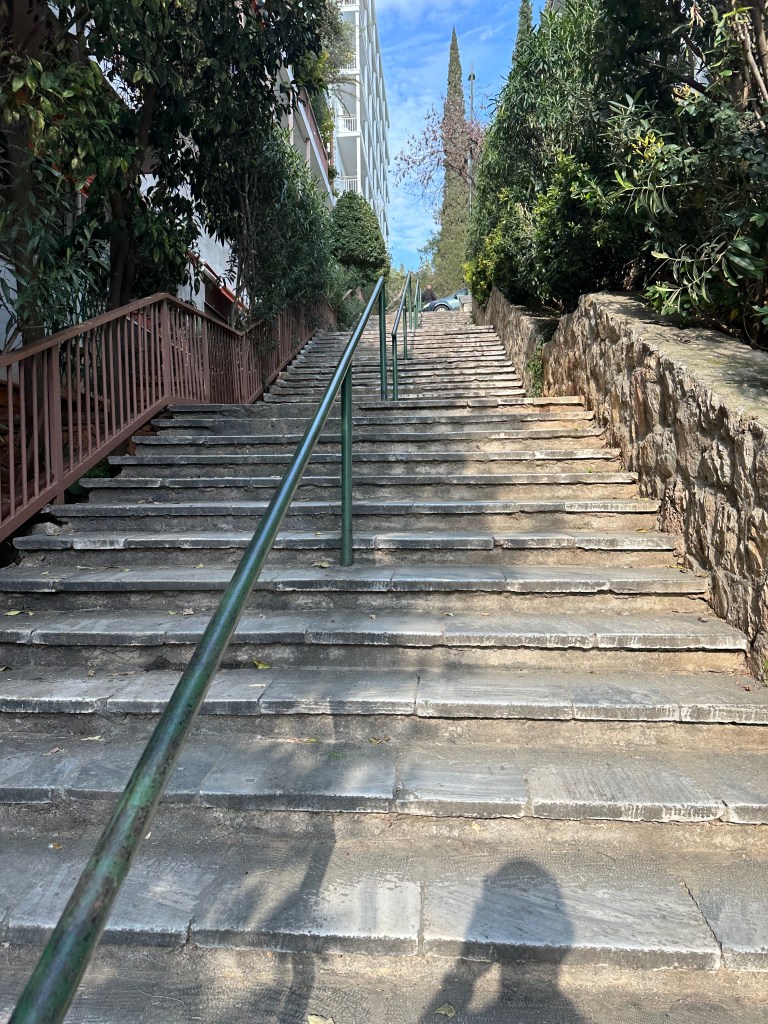
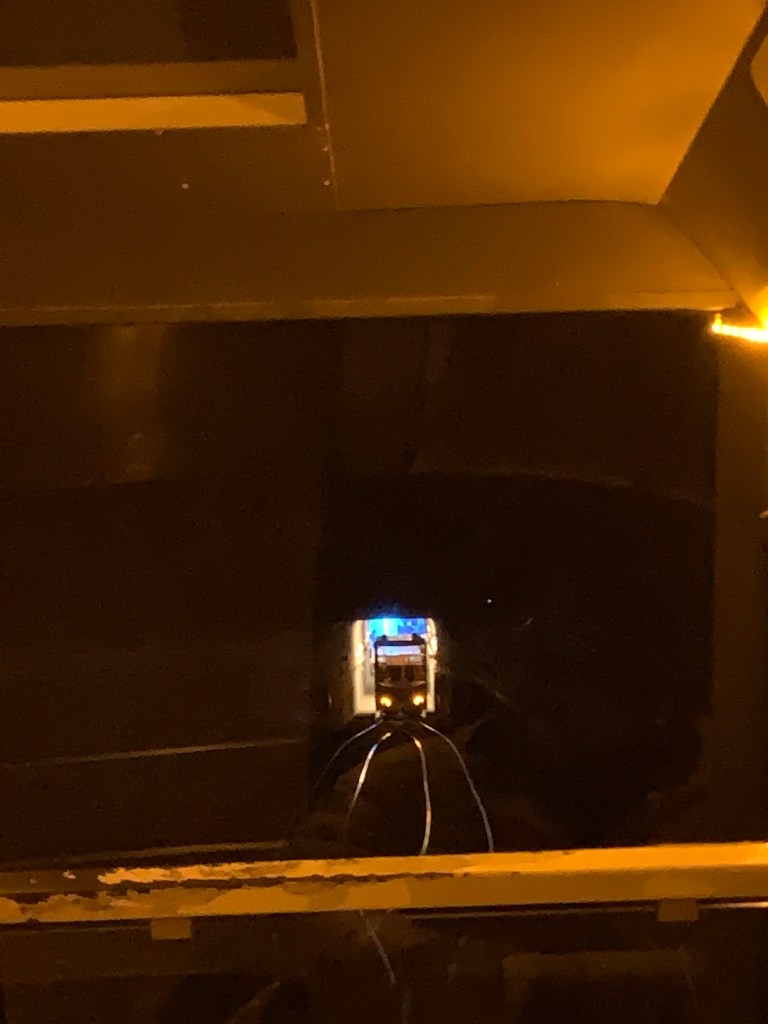
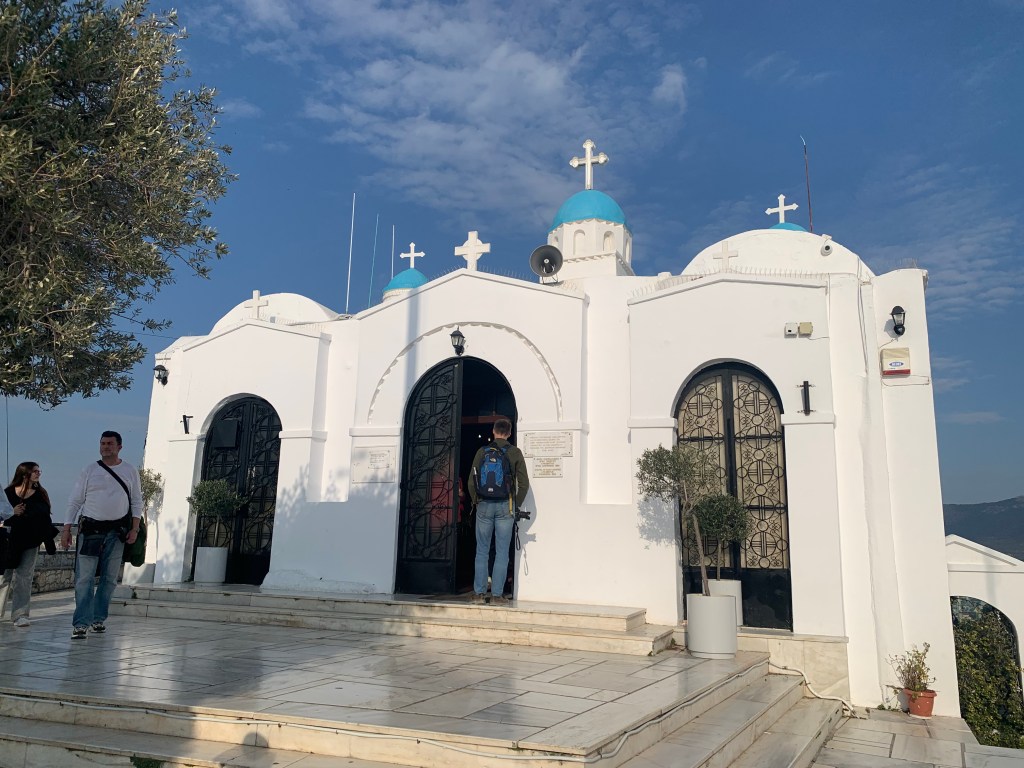
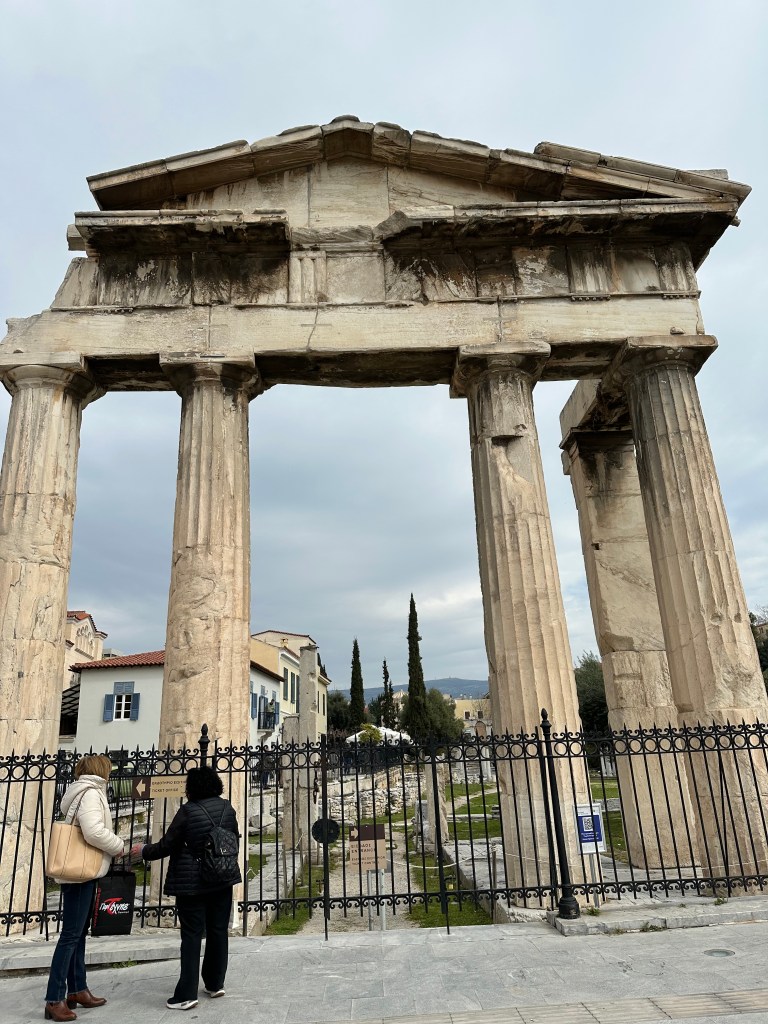
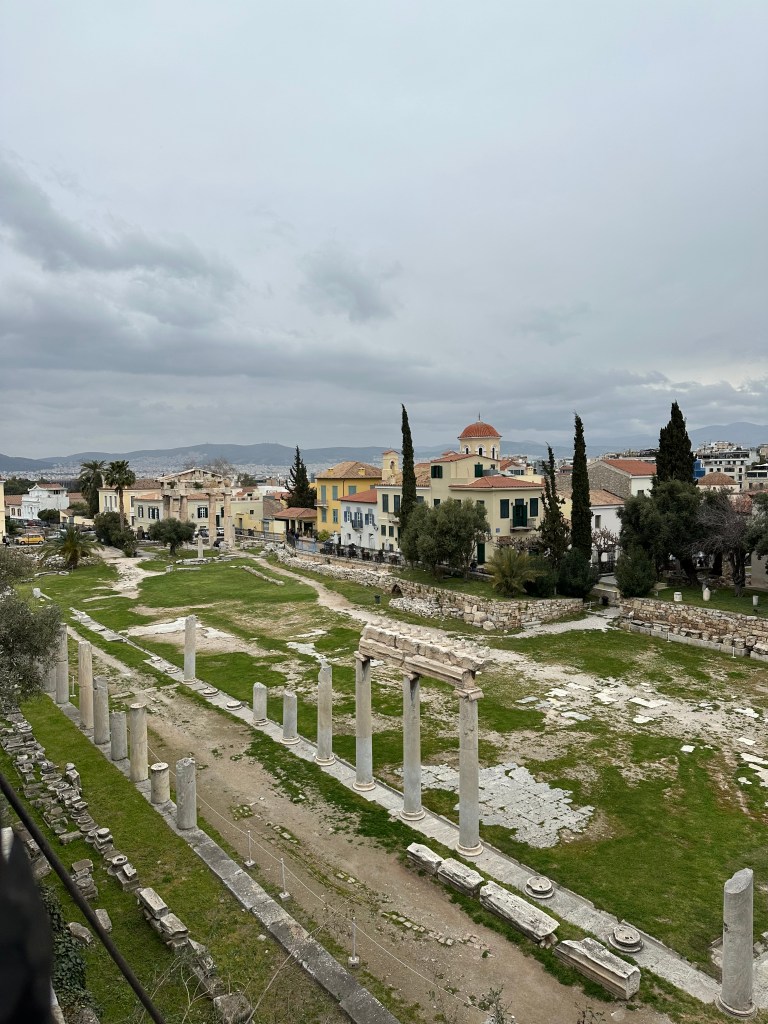
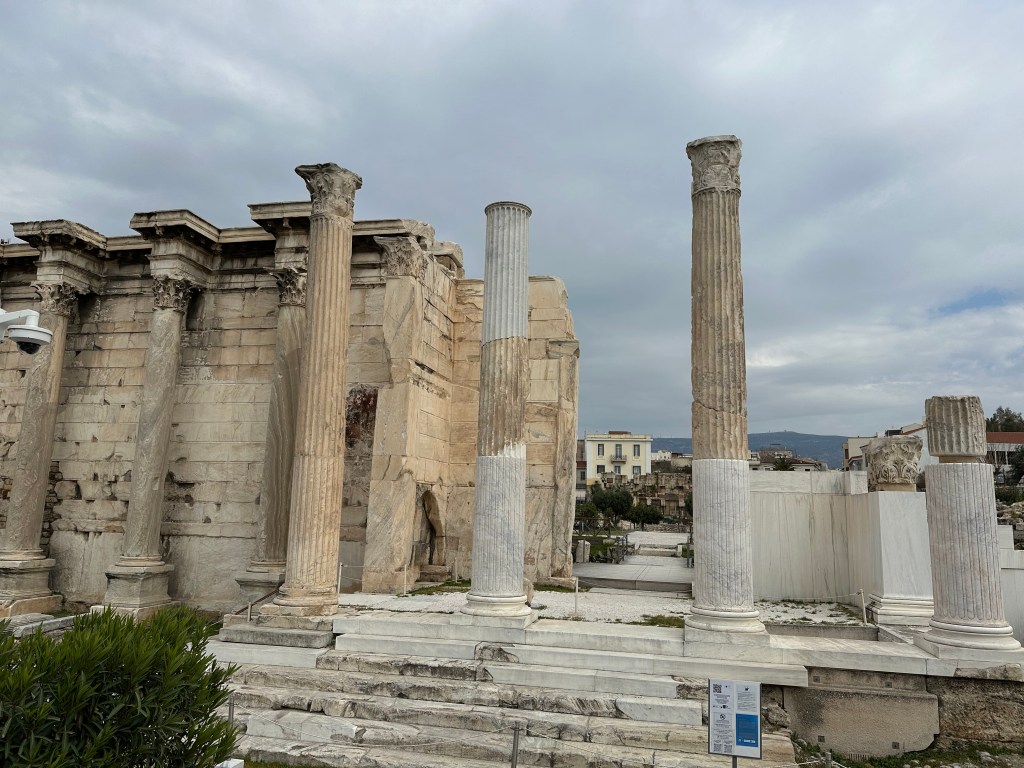
The third hill of the day was Lycabetus Hill, the highest of the lot. To get there we had a bit of a walk that took us back past the Acropolis into Monastiraki, a busy shopping area, passing the Roman Agora and Hadrian’s Library, two areas of Roman ruins. Nearby was the Ancient Agora of Athens which we didn’t visit but probably should have. We did have a quick look round the Metropolitan Cathedral of Athens, which compared with all these antiquities is a relatively modern building from 1862. After this it was on to the hill which has a funicular to make getting to the top a bit easier. I’ll emphasise the word ‘bit’ as the lower station is half way up the hill and many steps had to be climbed to get there. Unbeknownst to us, the funicular runs entirely in a tunnel so no sweeping views were available during the ride. Had we known we might have saved the €13 round trip fare each and continued to walk to the top as we were sweating anyway. At the top there are great views and a small chapel. There’s also a restaurant which serves cold beer. To be honest, we wouldn’t rush back up, either on foot or in the funicular. There aren’t any tortoises for a start and the views are just as good from Philopappos Hill. It does do beer though.
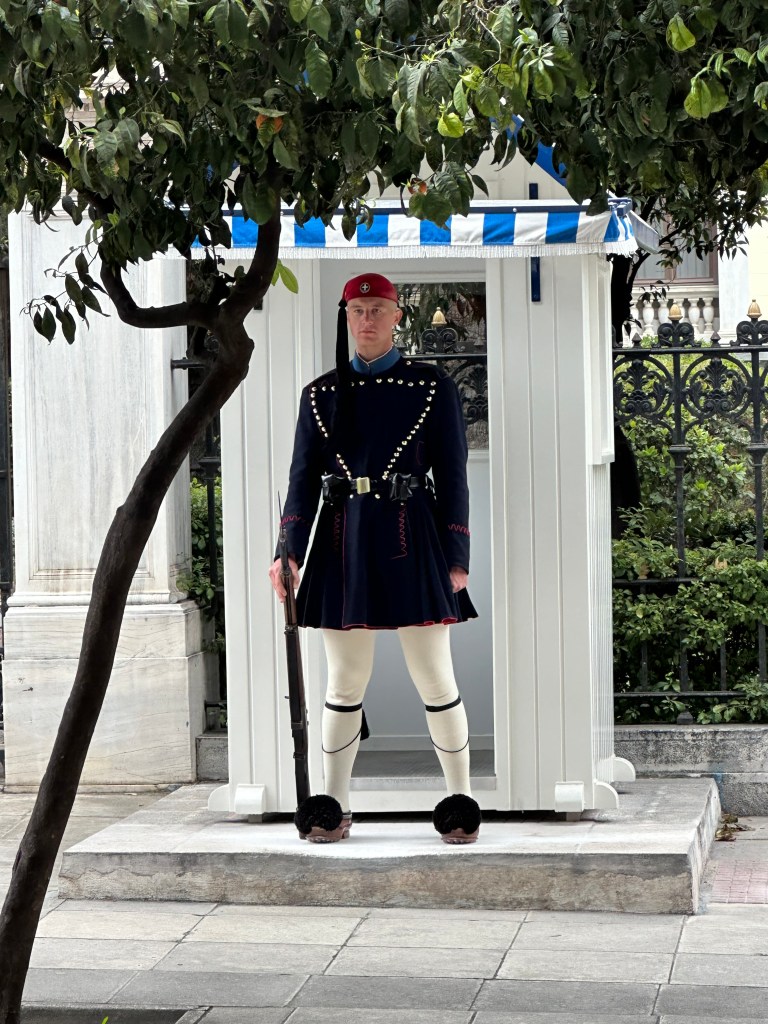
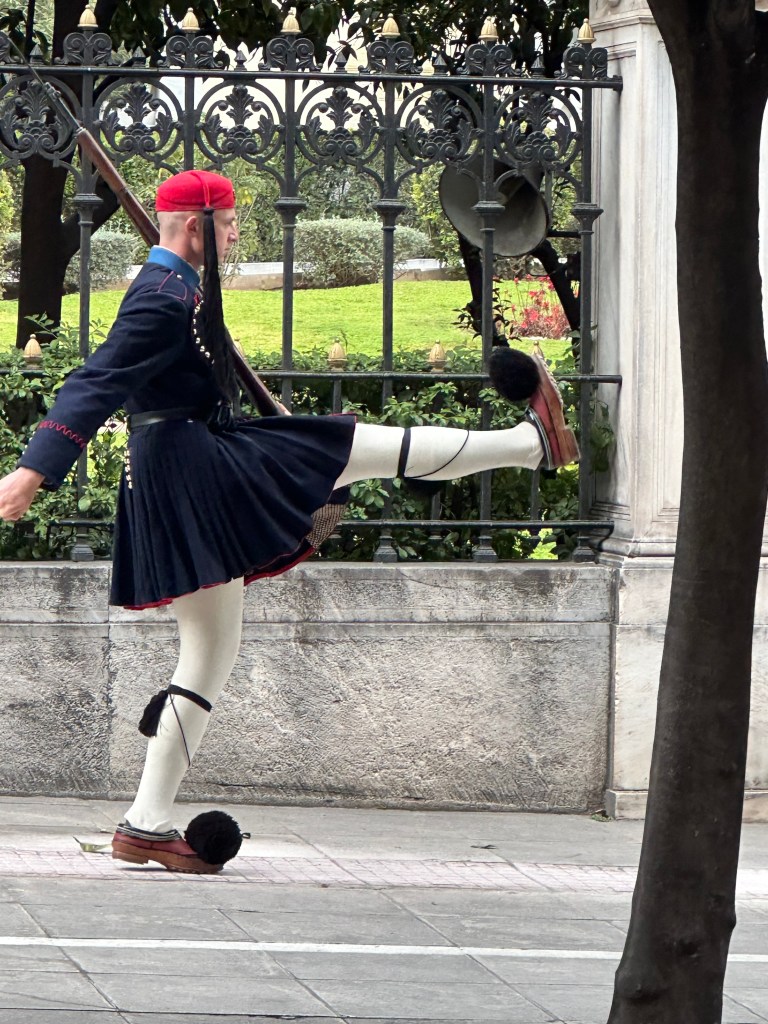
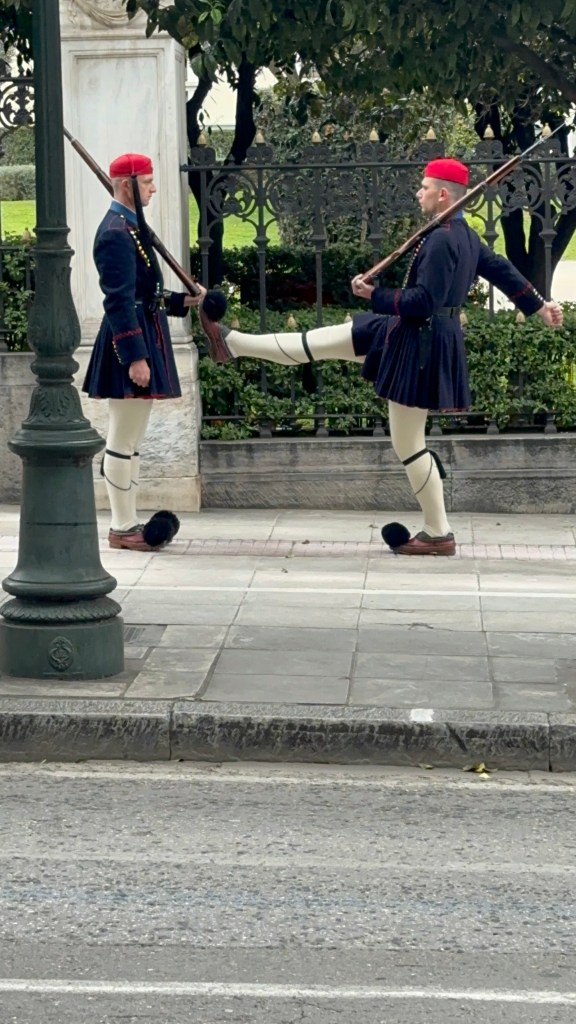
Moving away from the chronological order of this trip, quite hard for an aspiring OCD bloke like me, I’ll move on to the Wednesday when we had another wander around Athens, avoiding hills this time. We did get to see the Presidential Guard do their thing. These gentlemen, dressed in traditional costume, guard the tomb of the unknown soldier in front of the main parliament building and are a popular tourist attraction with their pom-pomed shoes and silly walks (another Pythonic reference there). Here’s a tip though, rather than stand outside the parliament building where you might get caught up in some demonstration or other – the Greeks love a demonstration – nip to the other side of the park where there are more of them guarding the Presidential Palace. These disciplined fellows attract fewer tourists than their colleagues despite putting on a similar performance. Enjoy the videos, or just scroll down for the stills.
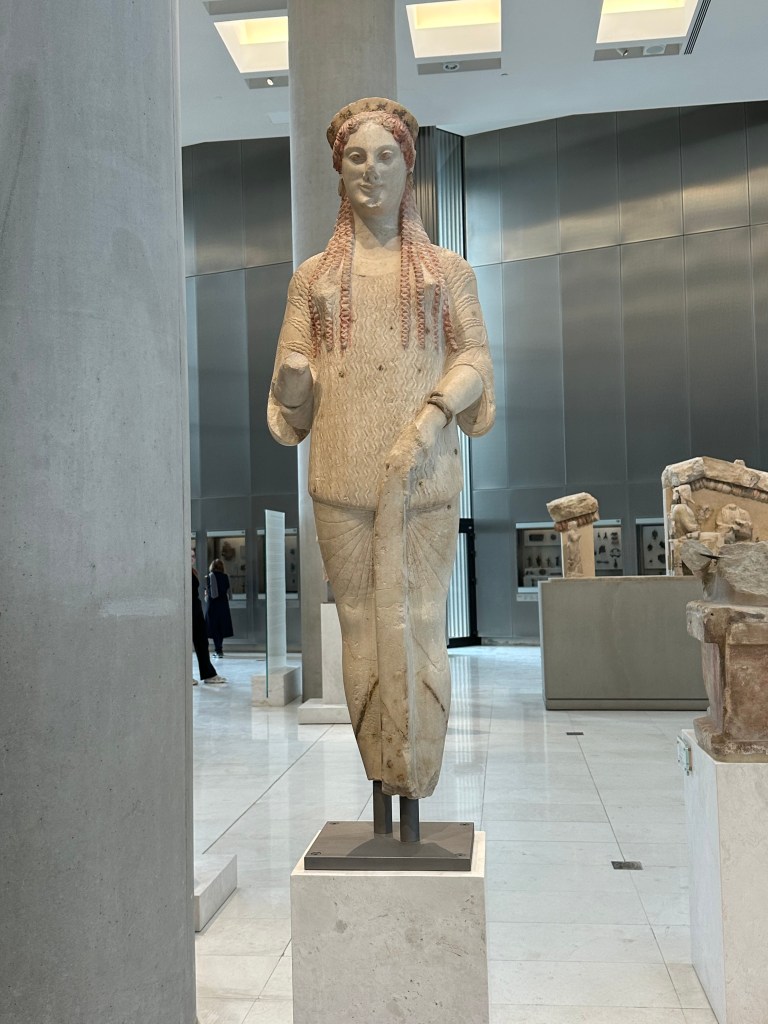
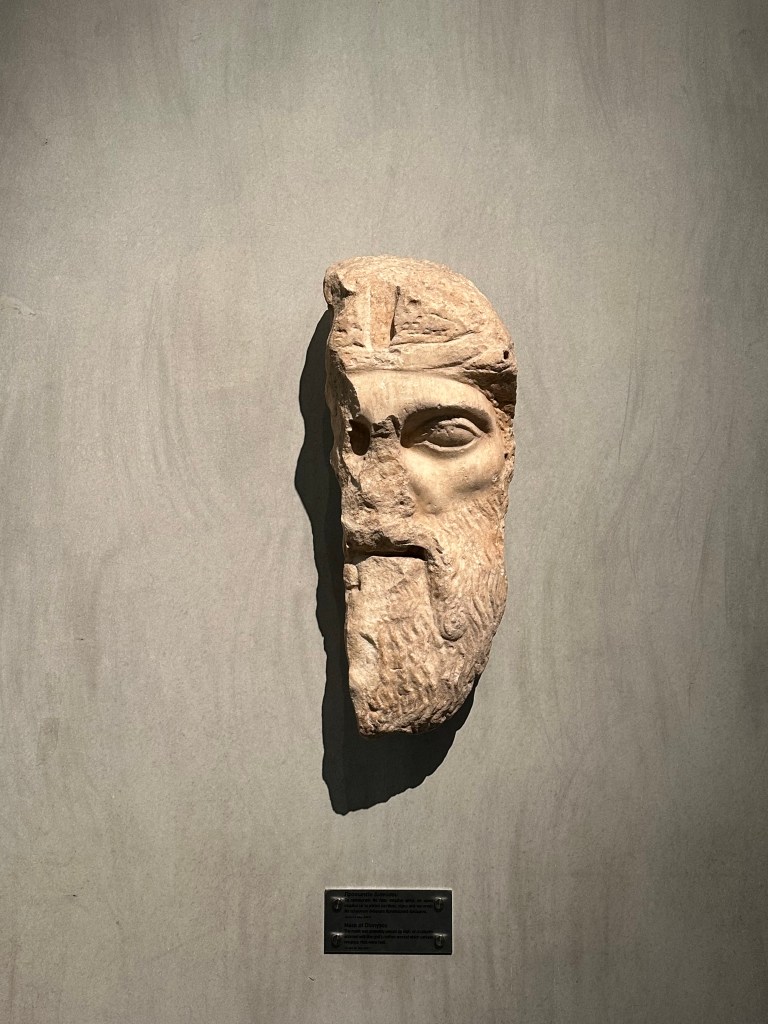
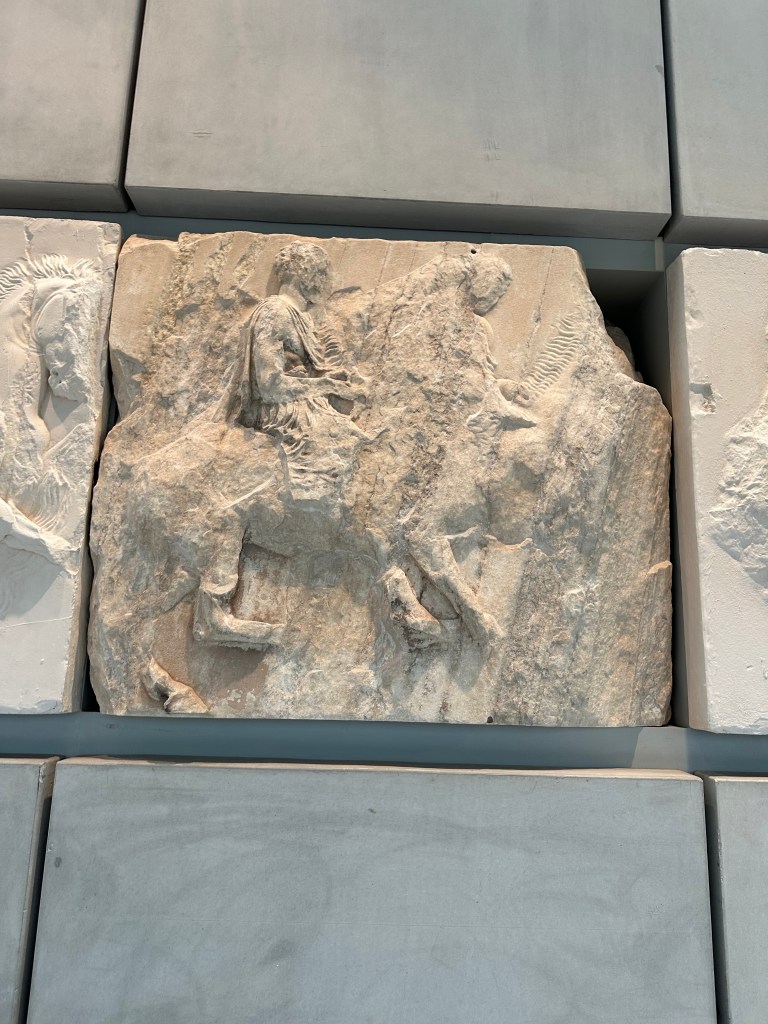
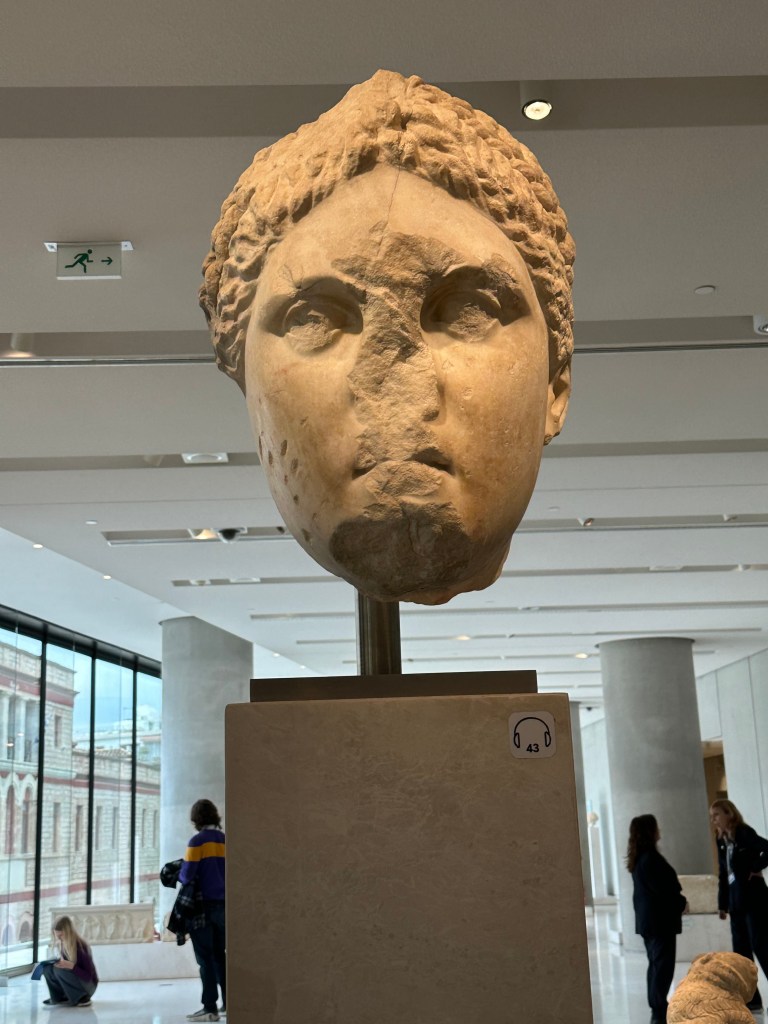
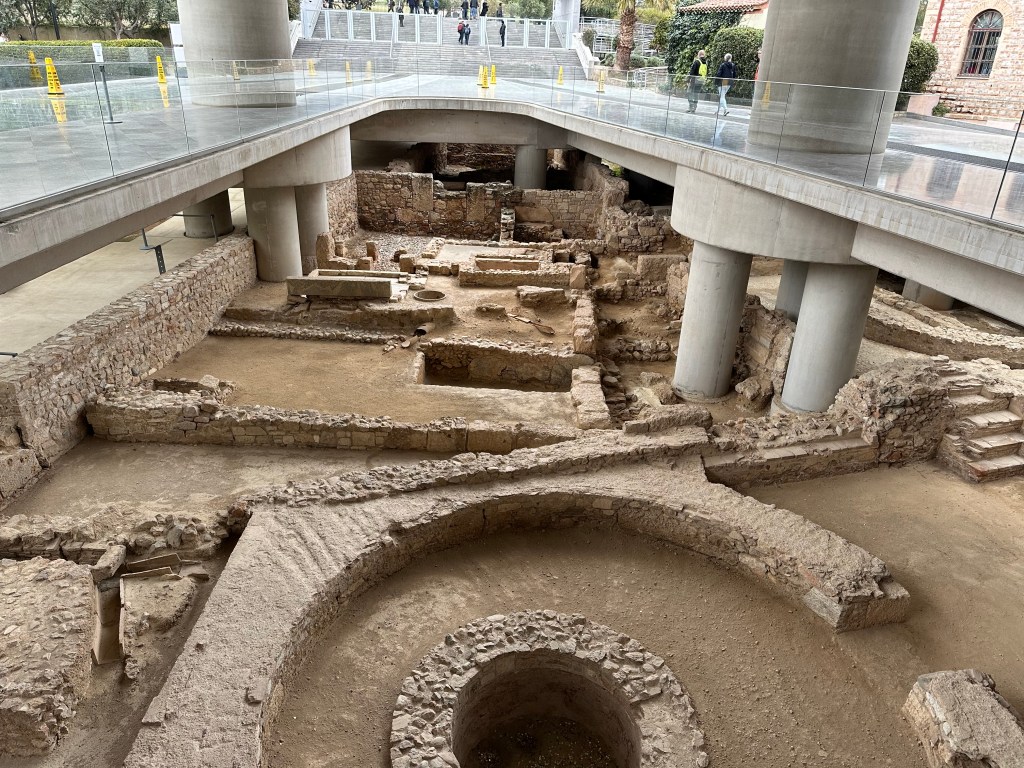
We felt we ought to visit at least one museum whilst we were there. The obvious one to go to was the Hellenic Airforce Museum but it was out of town and only open at weekends anyway. That left us with only a dozen to choose from and we decided that the Acropolis Museum was the one. It’s a nicely laid out museum containing more marble statues than you’ll otherwise see in a lifetime. There’s a free audio guide if you want to learn more but we were happy just wandering around looking at the exhibits, most of which seemed to be statues of Athena or Aphrodite. Pretty girls sold more back then as they do now. There were quite a lot of bas-relief’s of centaurs being slain by gods as that is precisely the sort of thing the Ancient Greeks wanted their gods to do. It makes sense. You don’t want centaurs roaming around your Acropolis leaving their mess everywhere. There is a fair bit of excavated Old Athens beneath the museum that you can walk around though we ran out of time having spent some time in the cafe enjoying an apple pie in the shadow of the Parthenon. The view never gets old which is ironic considering what you are viewing has been around for two and a half millennia.
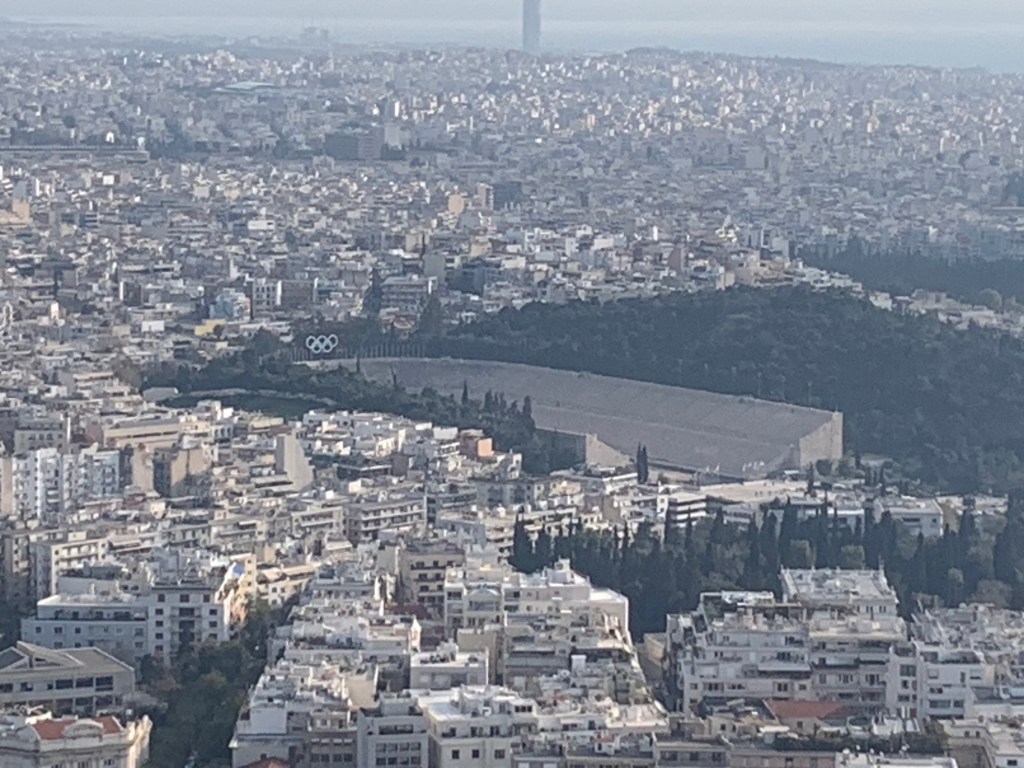
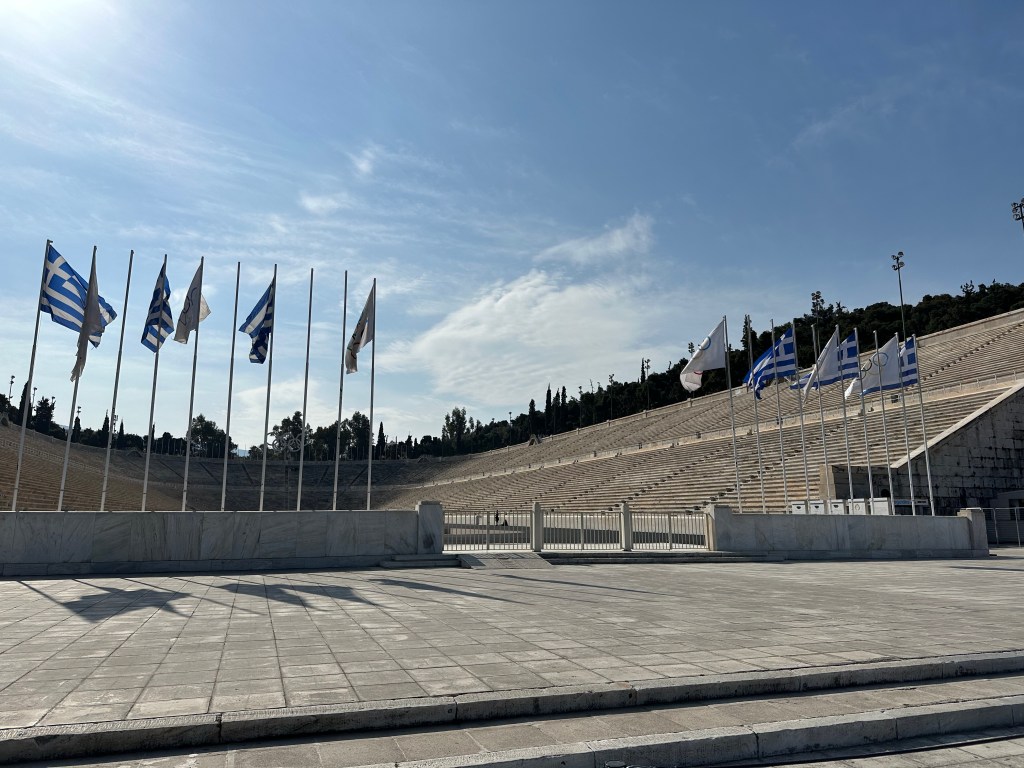
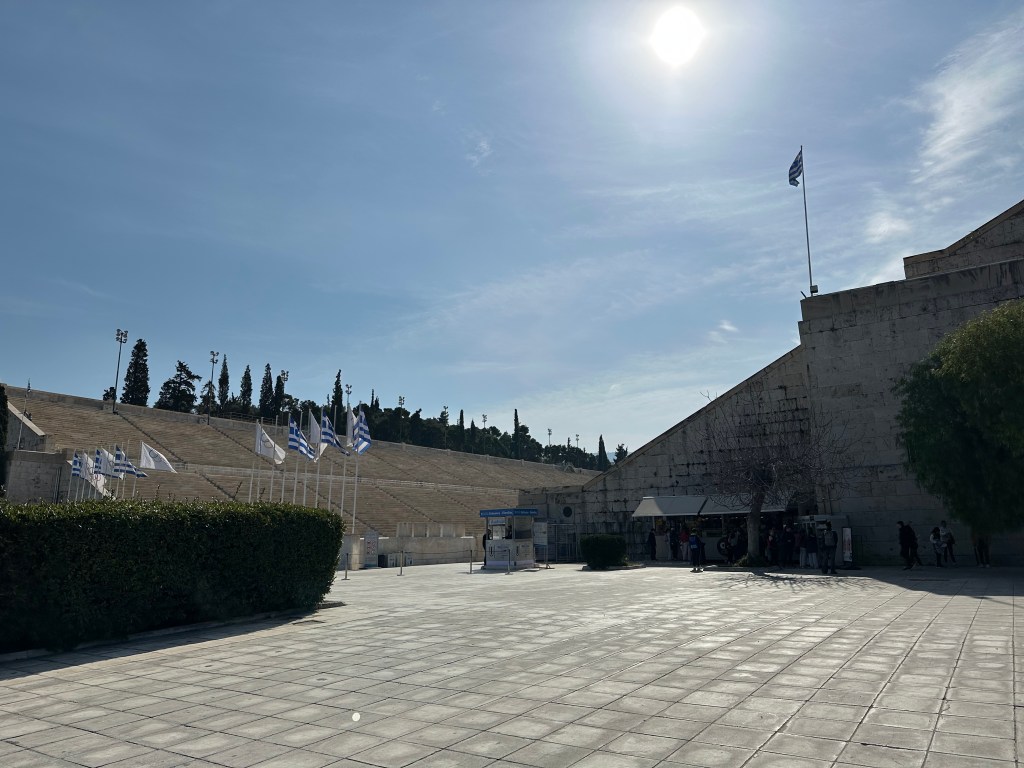
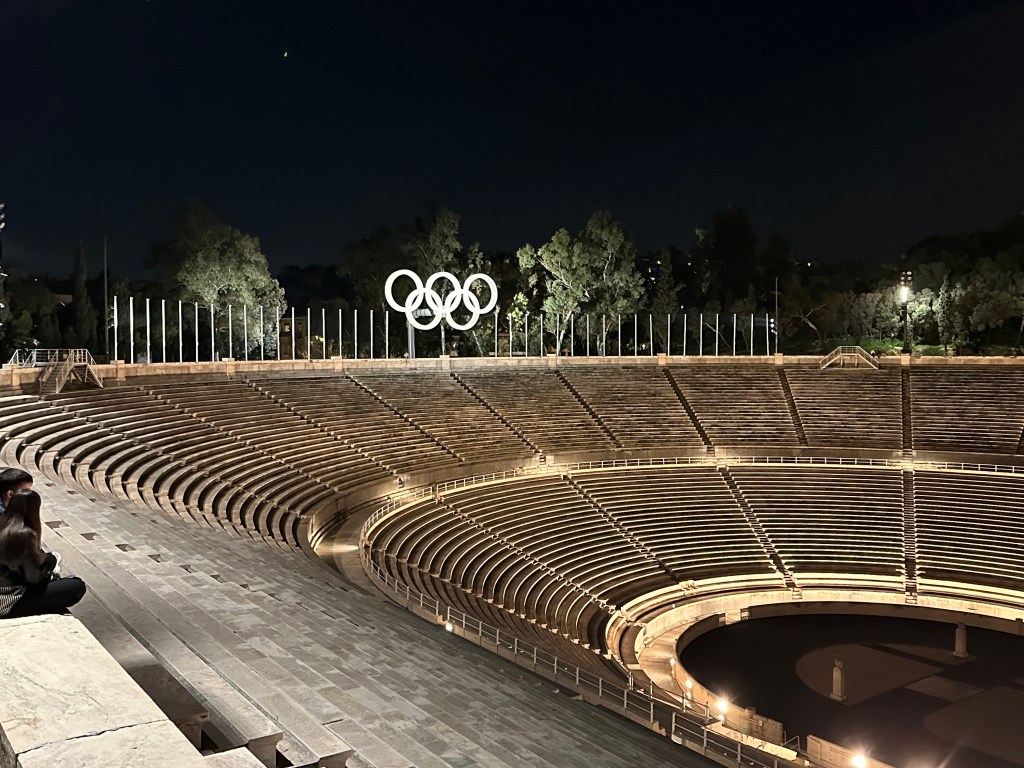
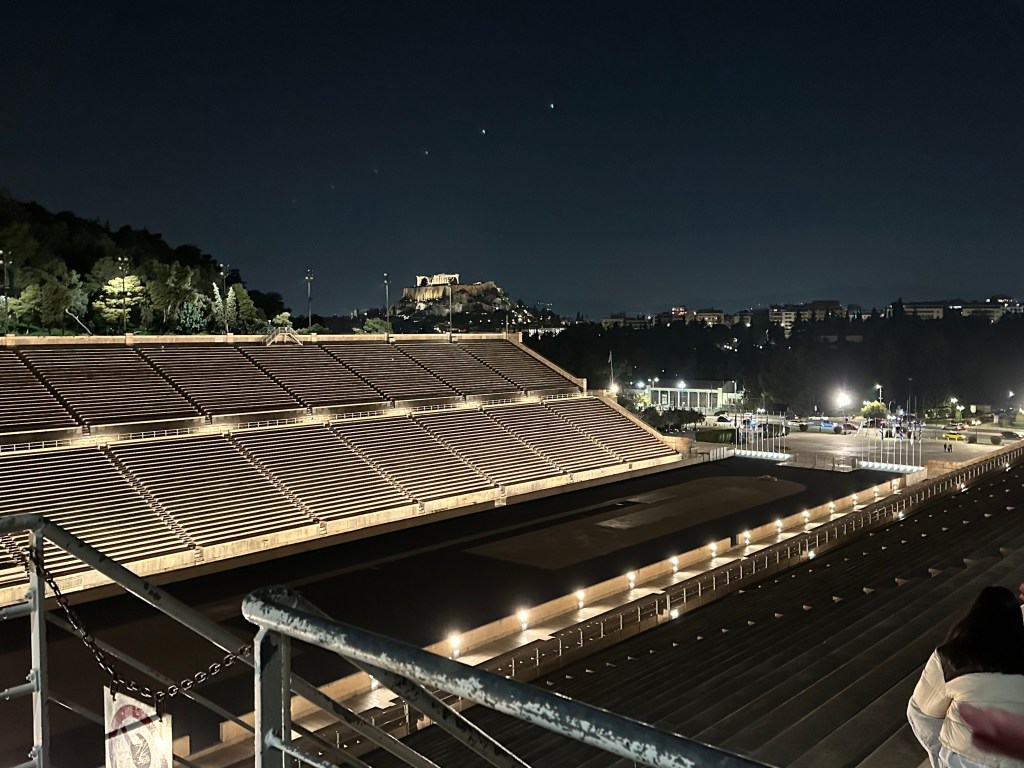
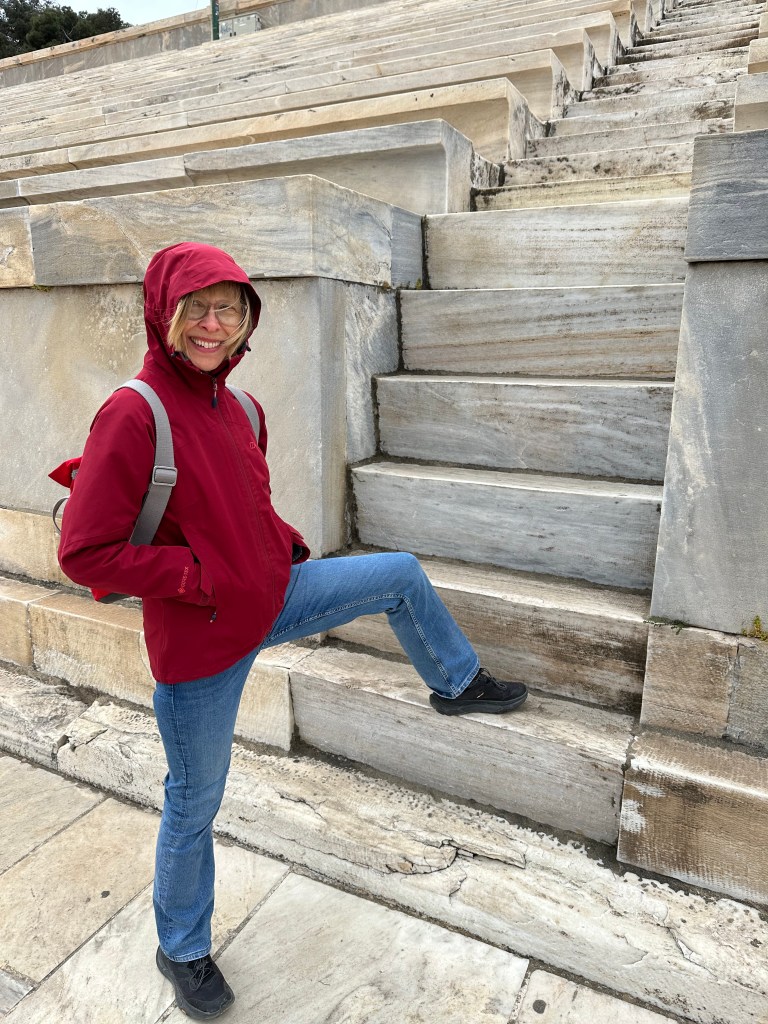
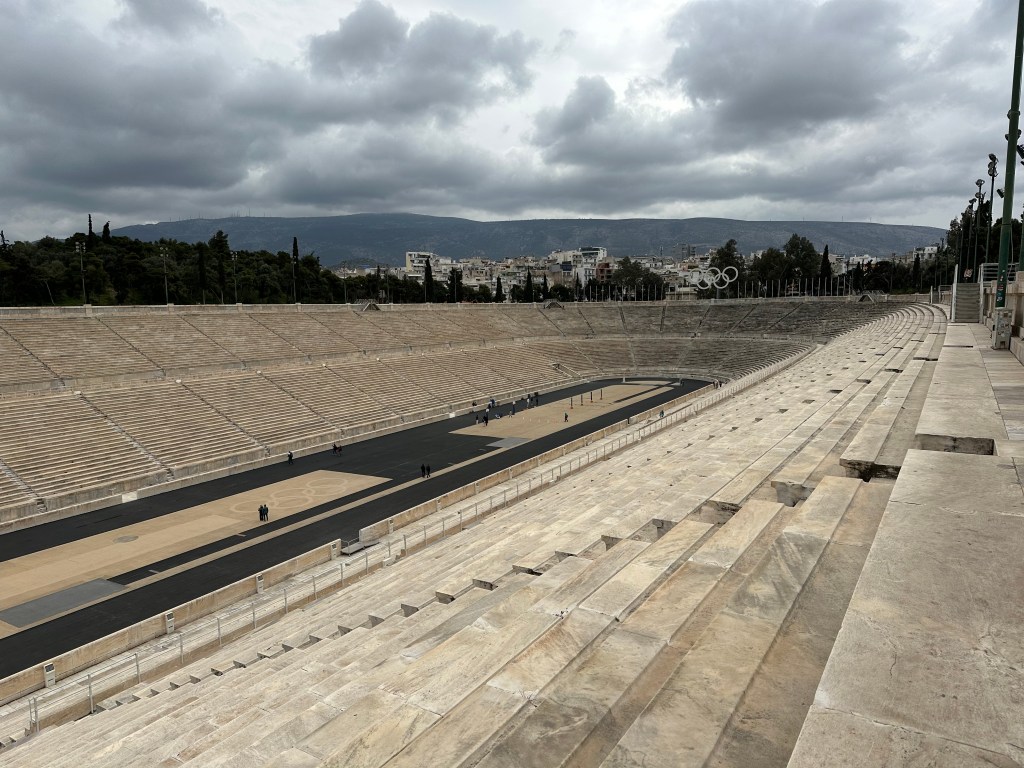
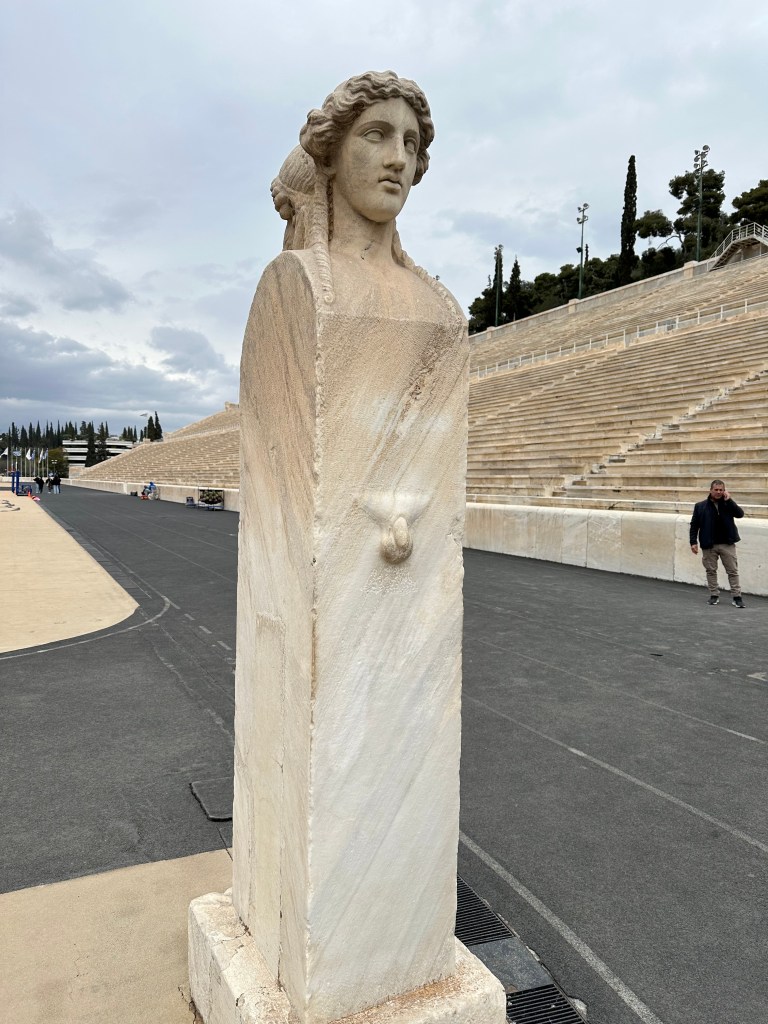
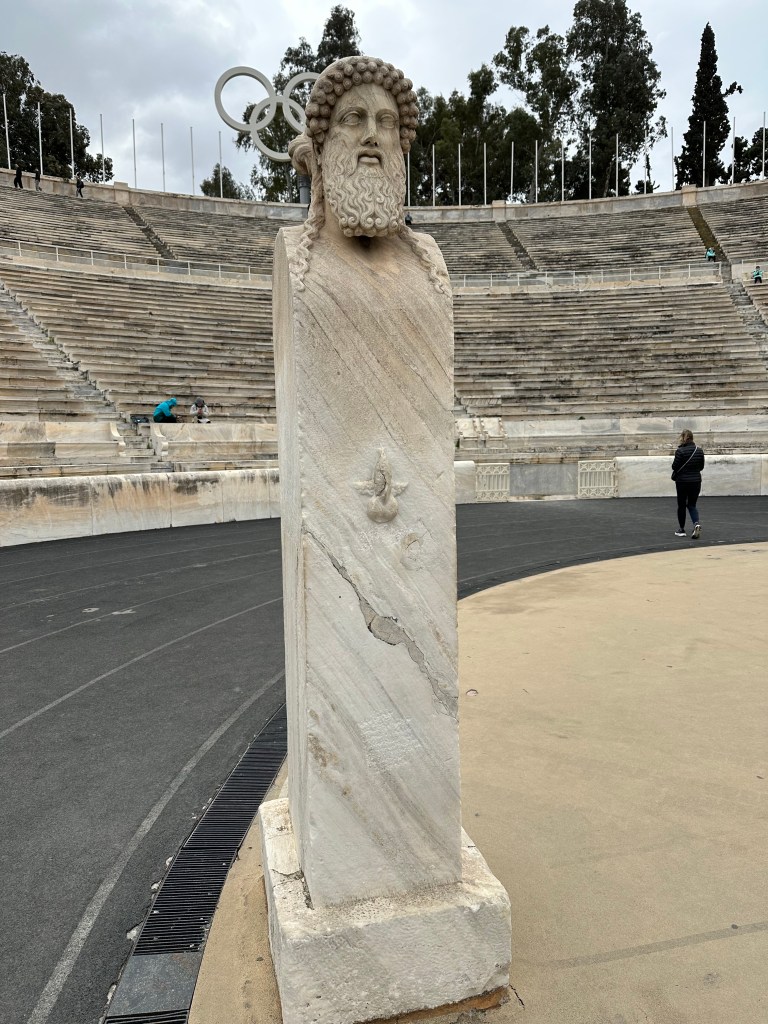
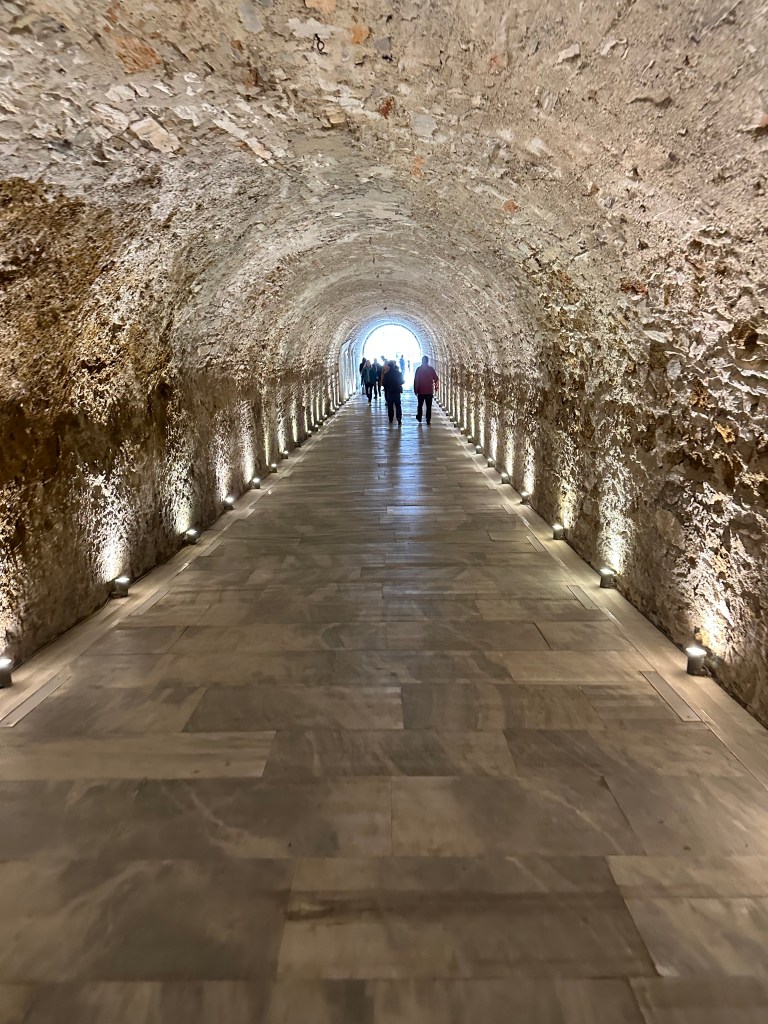
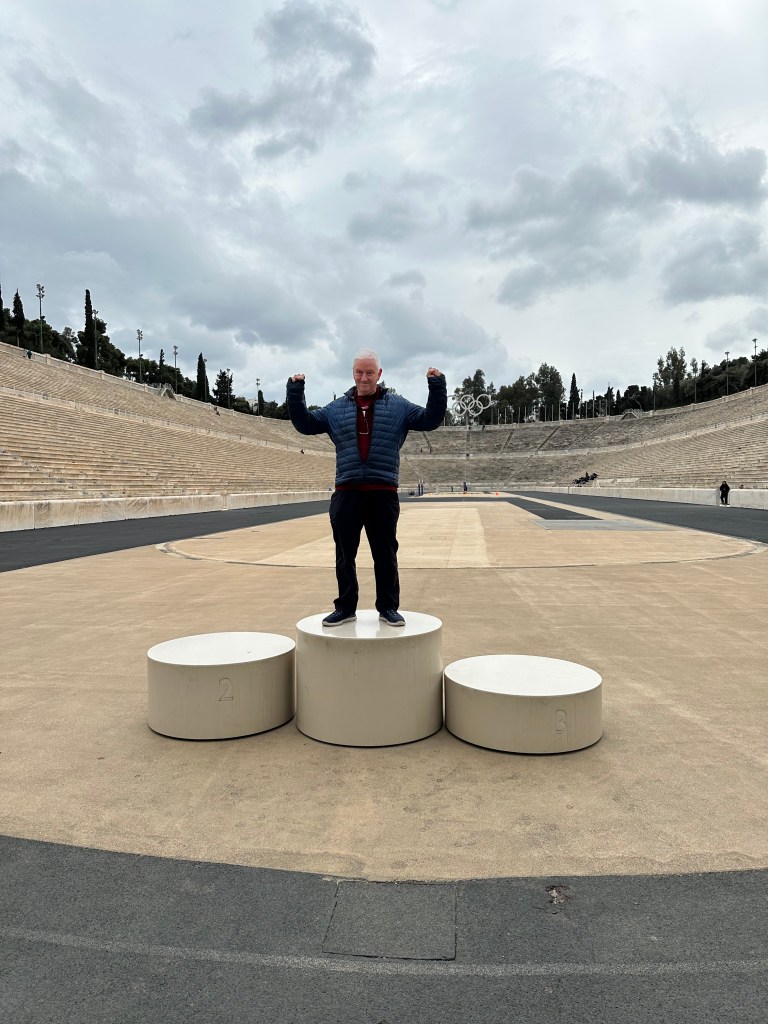
A late flight home meant we had much of Thursday to fill too so we decided to pay the €12 entry fee to enter the Panathenaic Stadium. The history of this rather impressive structure goes back 330BC and as a marble stadium to 140AD. However, what you can see now dates from the mid-19th century when it was excavated and then re-marbled in time for the first modern Olympic Games in 1896. You can see the stadium from the outside, both from street level and from the top but buying a ticket allows you to climb the terracing (steep) try out the seating (hard) and run round the non-olympic standard running track. You can also walk up the tunnel that the athletes would use to enter the stadium. This leads to a small museum with displays from the 1896 and subsequent Olympic Games. Following this we had another wander through Anafiotika and Roman Agora before heading back to the apartment to pack and depart.
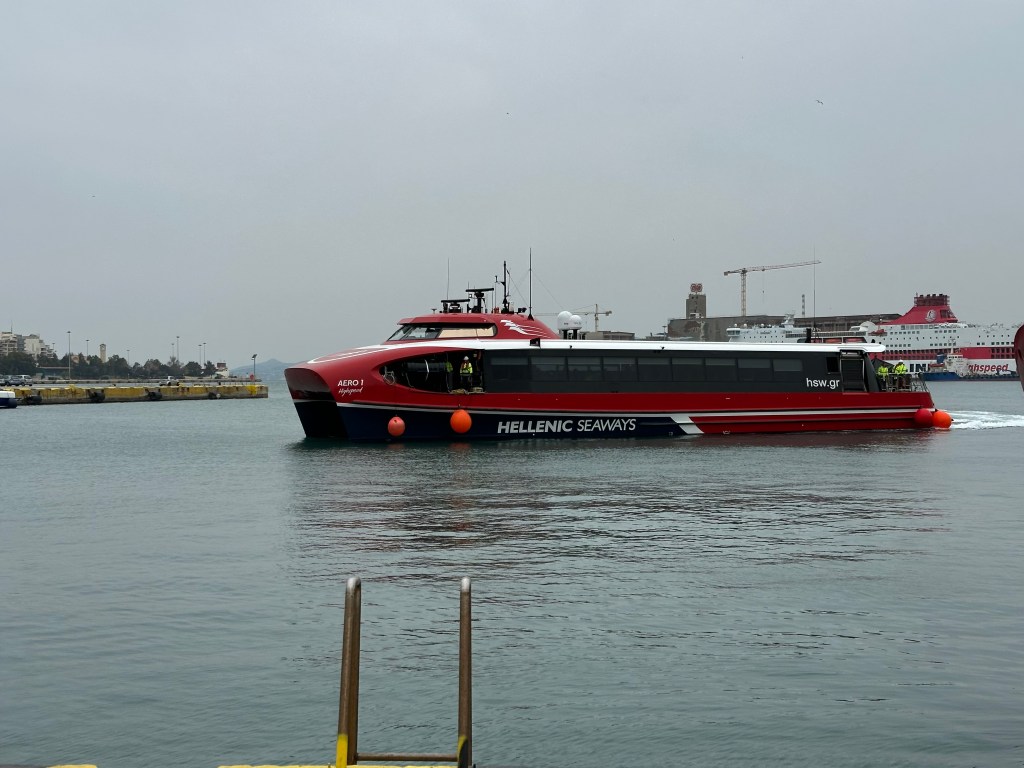
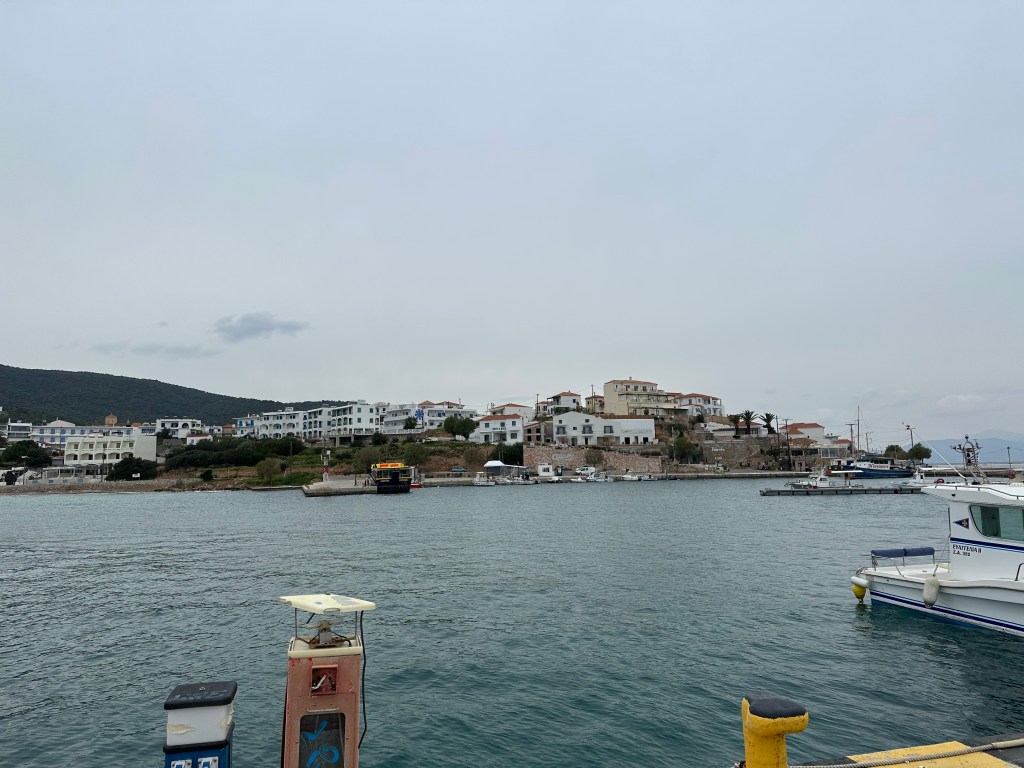
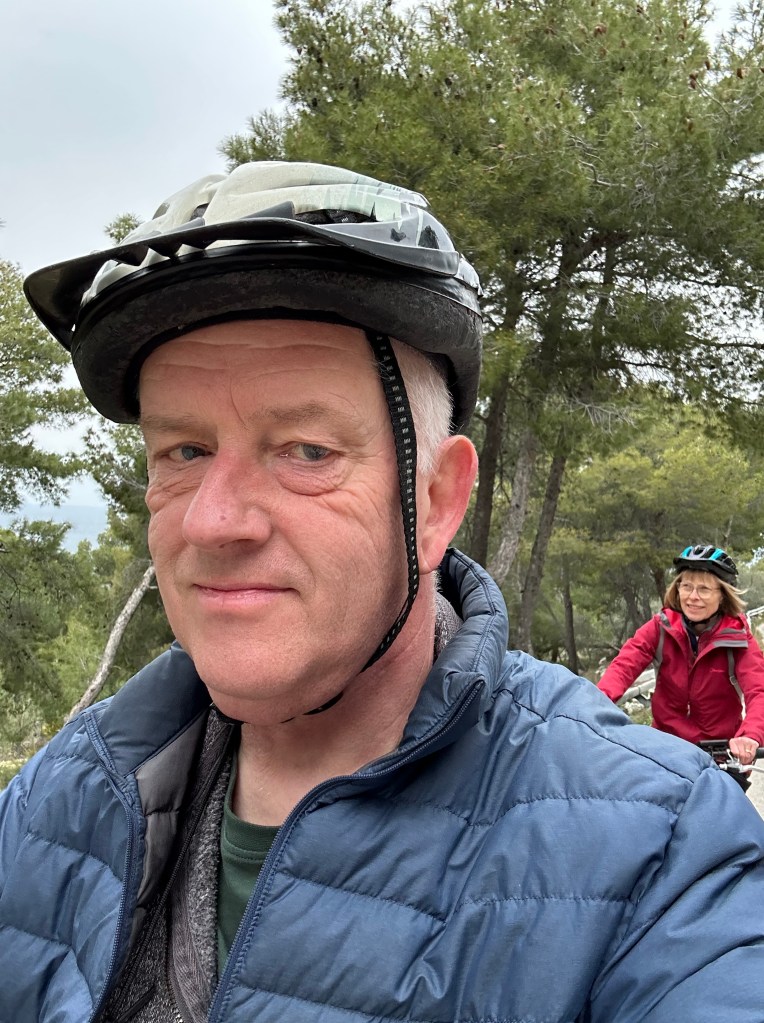
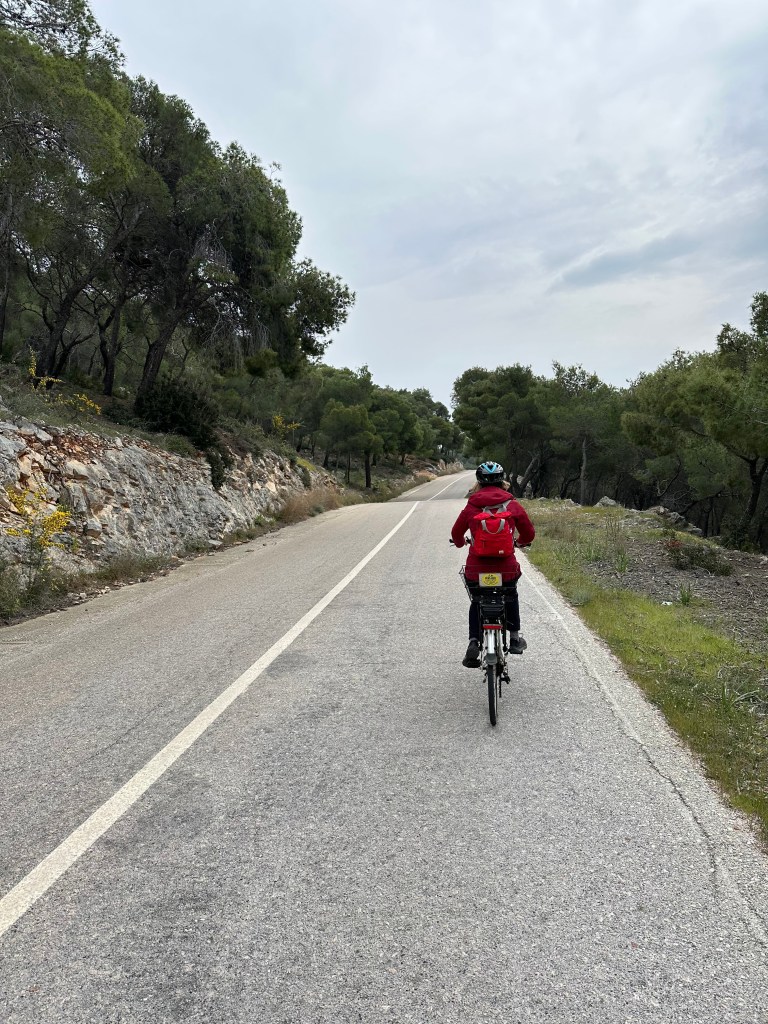
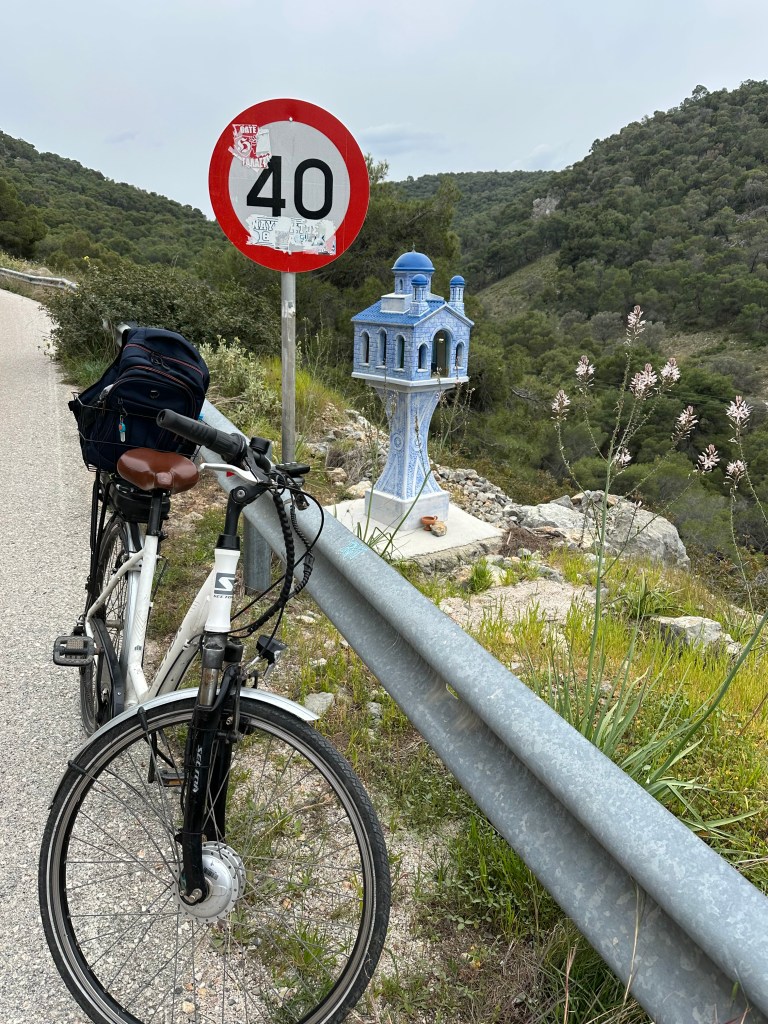
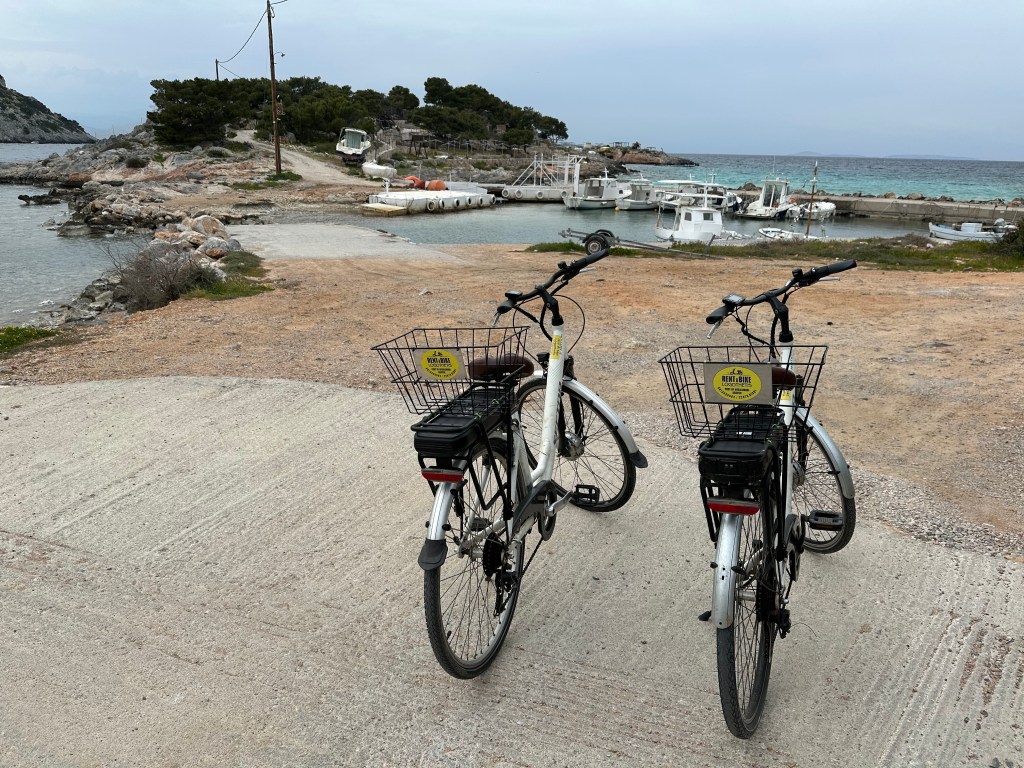
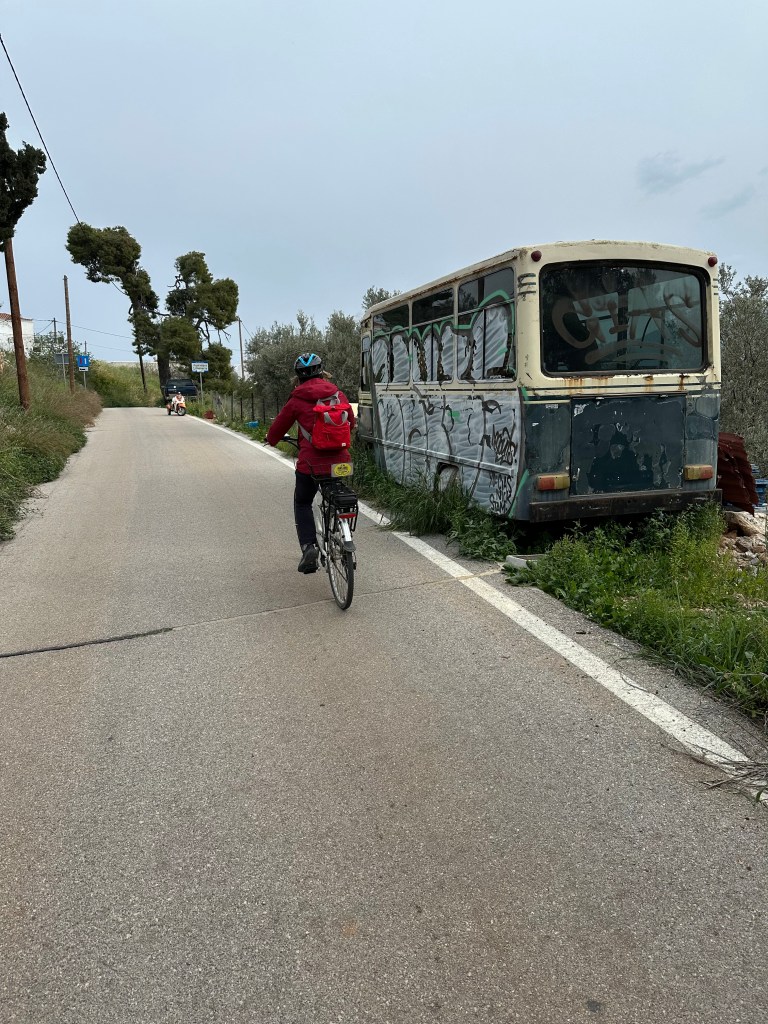
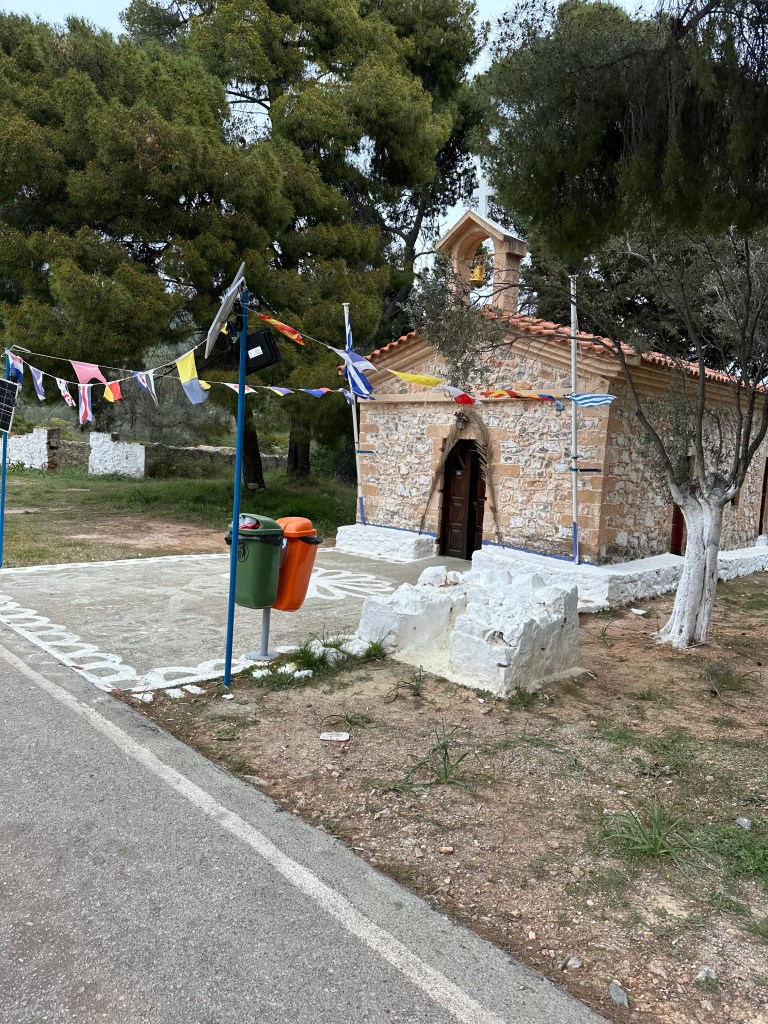
What about Tuesday? I was coming to it, don’t get shirty with me. One thing you can do when you come to Athens is to get out of Athens for a day. The port of Piraeus is a half hour ride on the Metro away and from there many ferries of different shapes and sizes serve a multitude of Greek islands, some of which are ideal for day trips. We had considered Hydra and Aegina but Justine suggested Agistri. Agistri is Aegina’s tiny neighbour, an hour away from Piraeus by fast cat. There isn’t much there but it does have a bike hire place next to the port. What’s more, they do e-bikes which sealed the deal for us. The ferry timings were such that we had some time to kill in Piraeus before the crossing, and about four hours on the island. When we arrived the bike hire place was devoid of life though there was a phone number to call. We eventually got our bikes and a brief explanation of which buttons to press and off we went. The bikes made light weather of most of the hills we encountered though there was one where it gave up the ghost and we were sweating a bit by the time we reached the top. There isn’t a lot of paved road on the island and we had covered pretty much all of it after a couple of hours but it was good fun even though the saddles weren’t the most bottom-friendly I’ve ever encountered. Being out of season there wasn’t much open on the island. There is a distinct resort area that was closed and just a couple of villages for the permanent population of around 1000 people. There were a couple of tavernas and a restaurant near the port to service the needs of the handful of visitors that make day trips on an overcast March day.
Ferry tickets can be bought at the port or online in advance. A return ticket to Agistri cost €35 by fast catamaran which served Aegina before continuing to Agistri. There are loads of ferries that just serve Aegina, the traditional ones are slower but allow passengers out on deck.
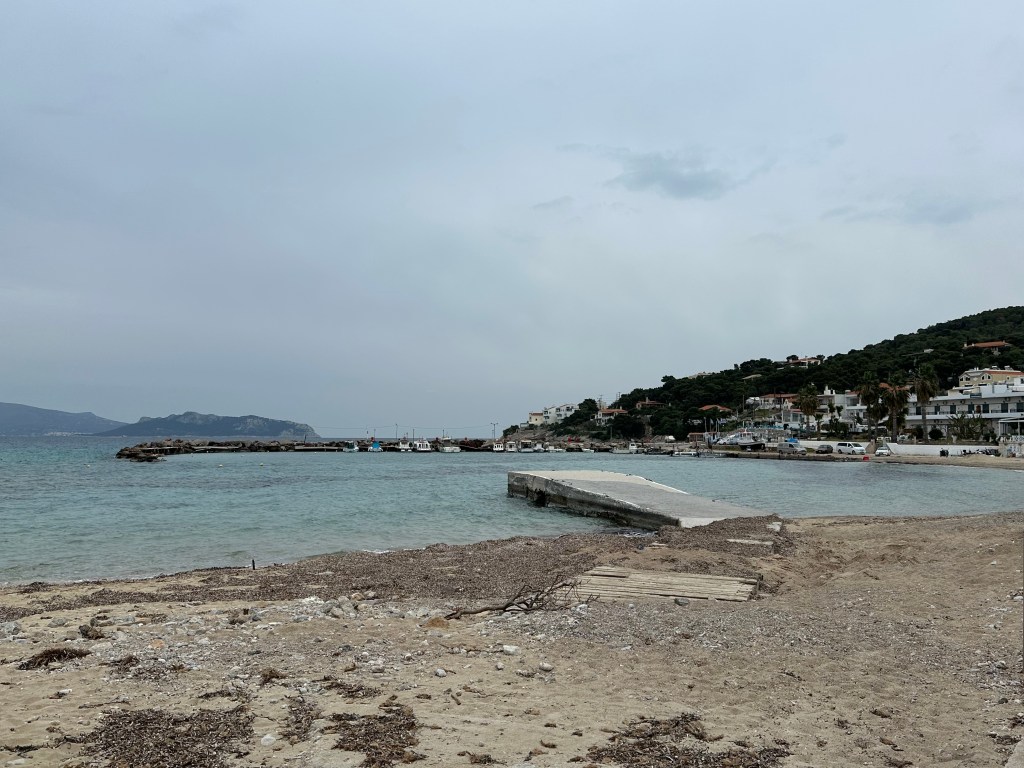
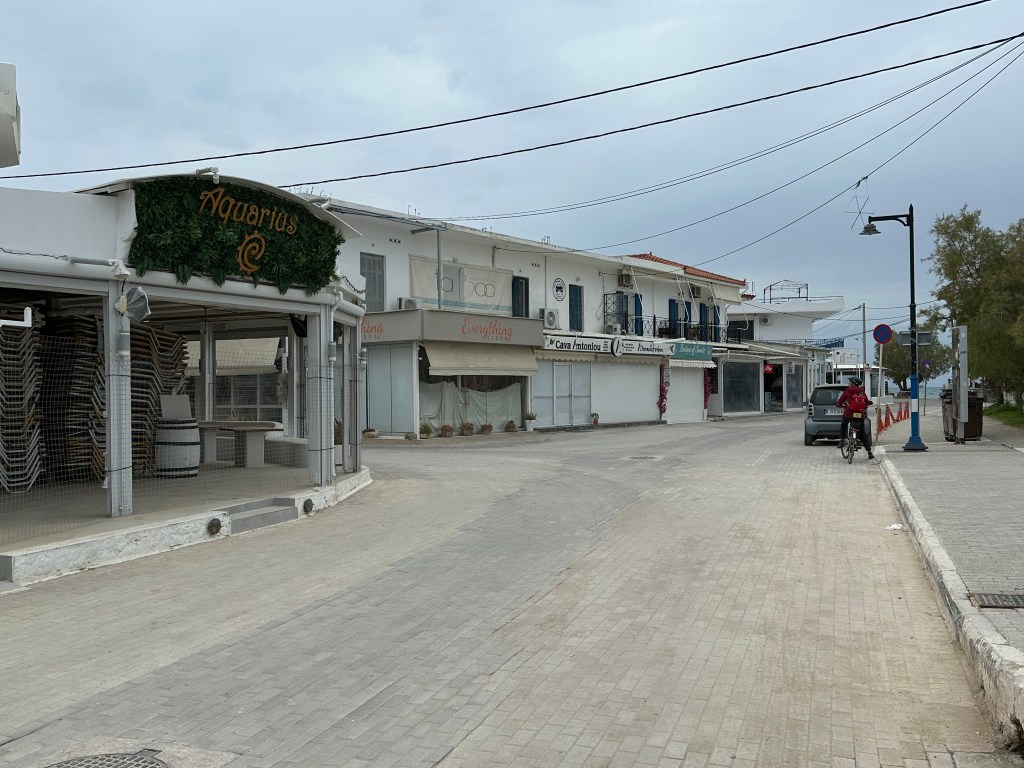
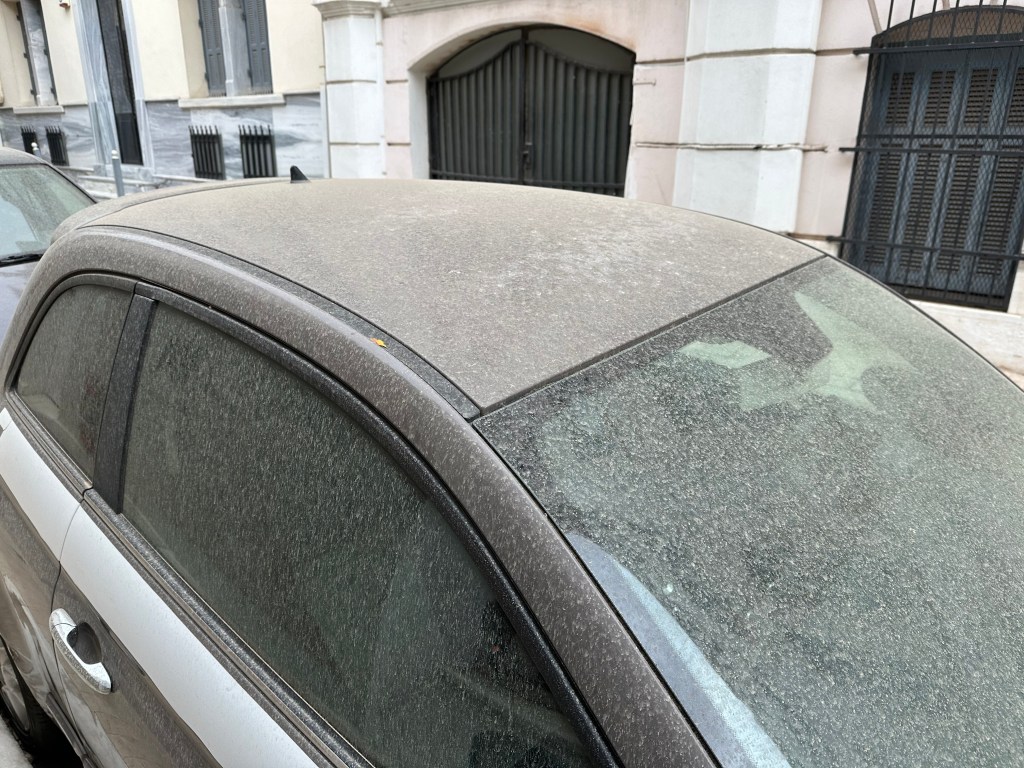
Now for some practical information. Weather. It gets very hot in Athens, be aware or do as we did and go in March when it doesn’t. Temperatures hovered round the 12-14C mark, a couple of degrees warmer when we had some sunshine on the Acropolis day. Ideal temperatures for discovering a city that involves going up hills. Rain was forecast for a couple of days but hardly came to much, though it only took a brief shower overnight to coat all the parked cars with a layer of dust.
Speaking of dust, Athens is, well, very dusty. In terms of general pollution it wasn’t too bad, there’s a lot of traffic but no industrial contaminates. There isn’t much litter either, though there’s a lot of graffiti which does the place no favours at all.
The traffic problems of Athens are quite legendary but when we were there, whilst it was certainly busy, it was no worse than other capital cities. Public transport consists of buses, trolley buses, trams, three Metro lines and more buses. Unlike a lot of European cities there doesn’t seem to be any will to convert much of the road network to cycle lanes. Cracked flagstones aside, it’s a decent place for pedestrians. Just mind your step as you go and obey the crossing signals like we (mostly) did.
Public transport is cheap and tickets can be paid for by contactless Visa or Mastercard. We used the Blue Line (Line 3) to get to Piraeus and also back to the airport. Getting to the airport requires a €9 ticket otherwise a journey costs just €1.20 and your ticket is valid for 90 minutes. Prices are capped at €4.10 a day, make sure you use the same card for each journey. For €20 you can get a tourist ticket valid for three days and including to and from the airport which seems like a good deal for those on a short break.
Food. There’s all sorts of cuisine to choose from as befits a capital city but it would be a shame to go to Greece and have burgers or pizza all the time and avoid the local stuff. Our hosts suggested a couple of places nearby and they were lovely. One was a typical taverna, the other was a very popular restaurant called Black Sheep. The food was excellent and the prices were very reasonable compared to restaurants back home. The Greeks love their chips which is fine because I love them too. There’s a lot of lamb and fish dishes and it’s probably best to do what we did, order a few different dishes and let everyone tuck in.
Language. The chances are you won’t understand much Greek or are familiar with the Greek alphabet. Don’t worry though, English is widely spoken in Athens.
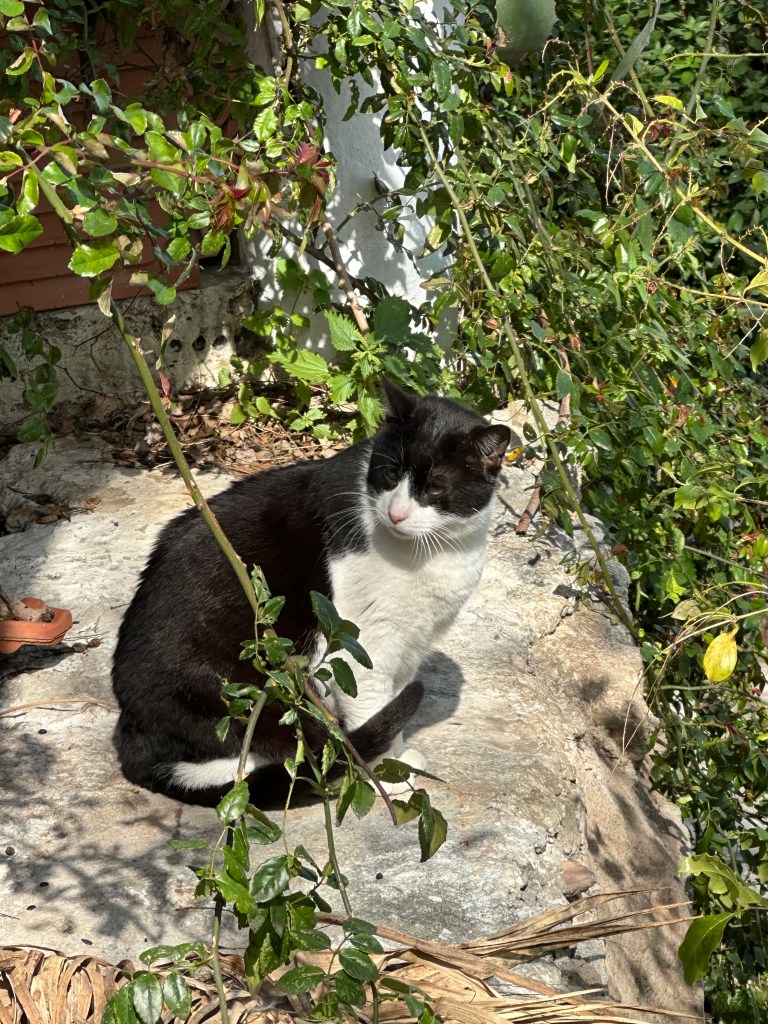
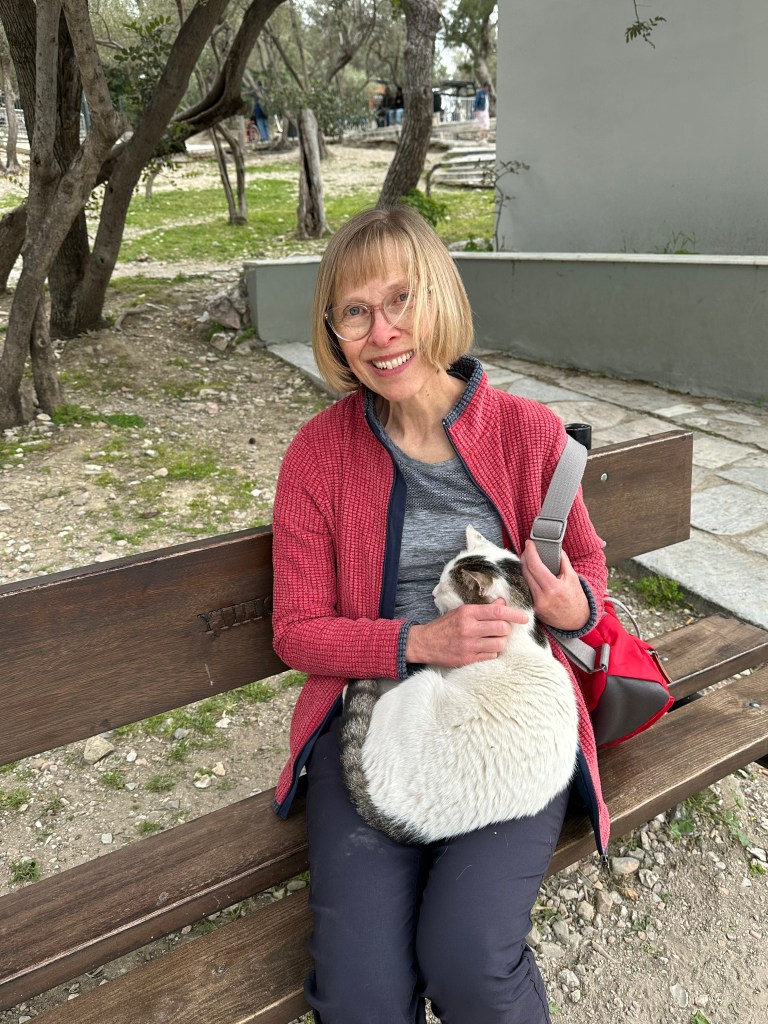
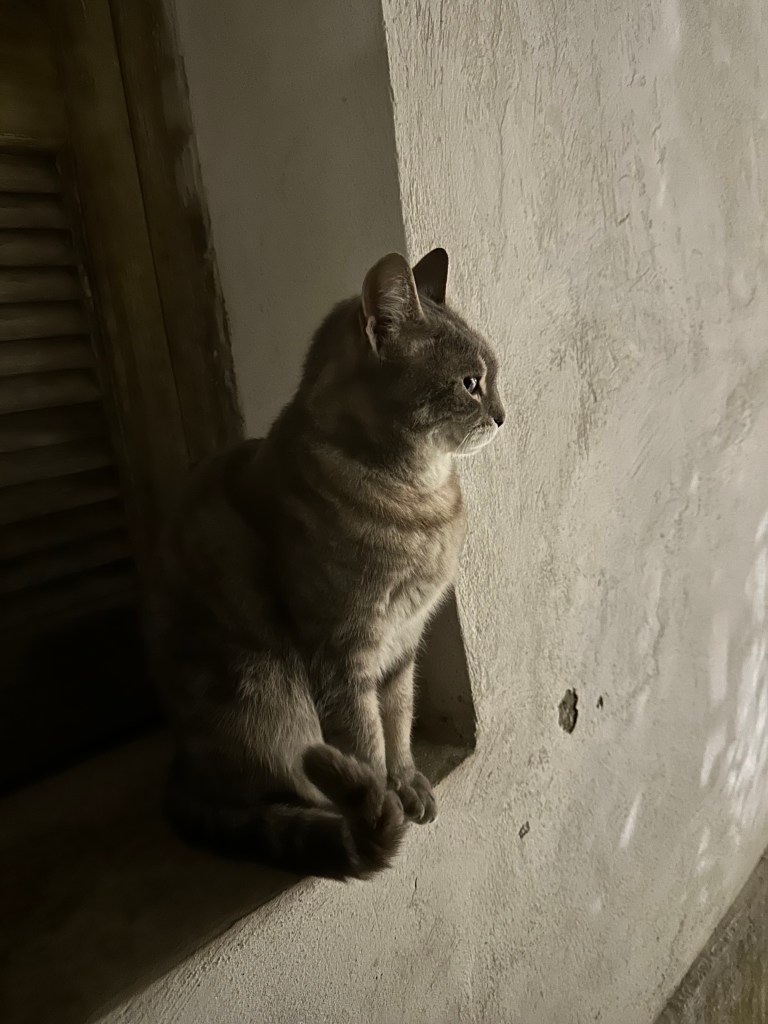
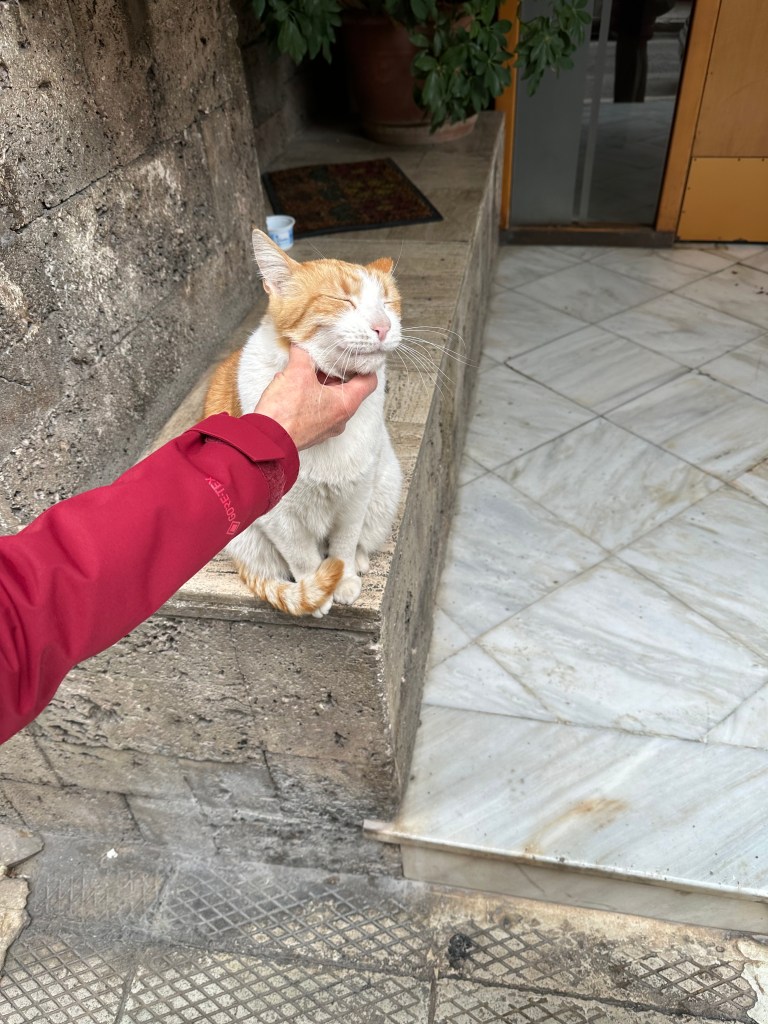
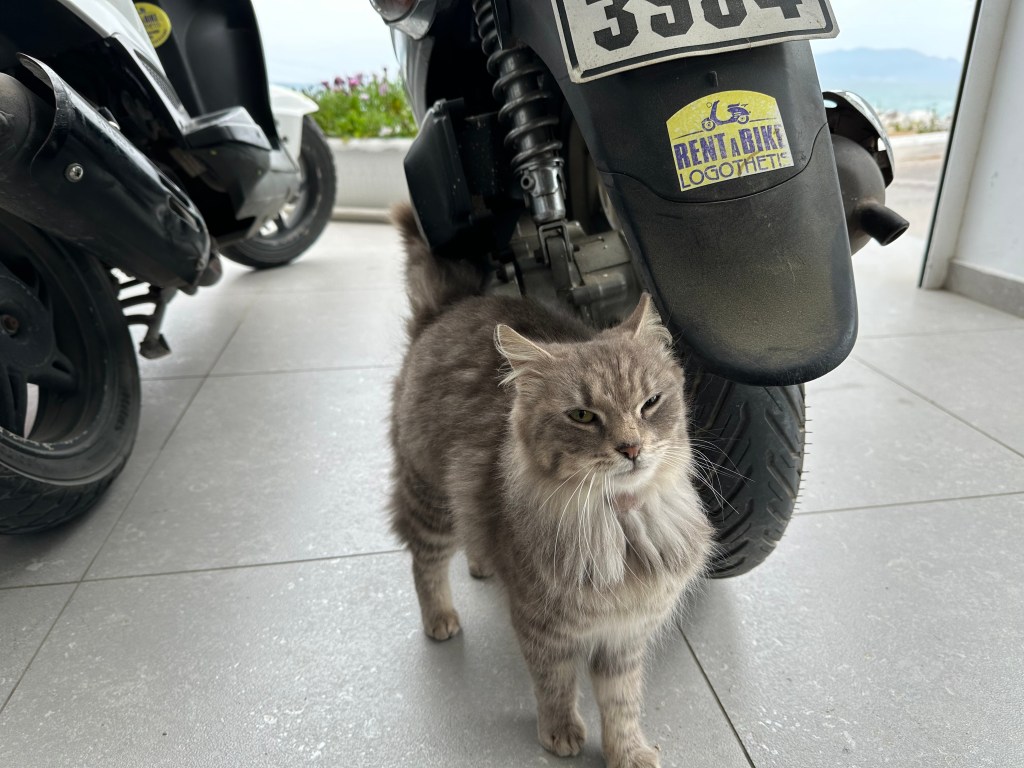
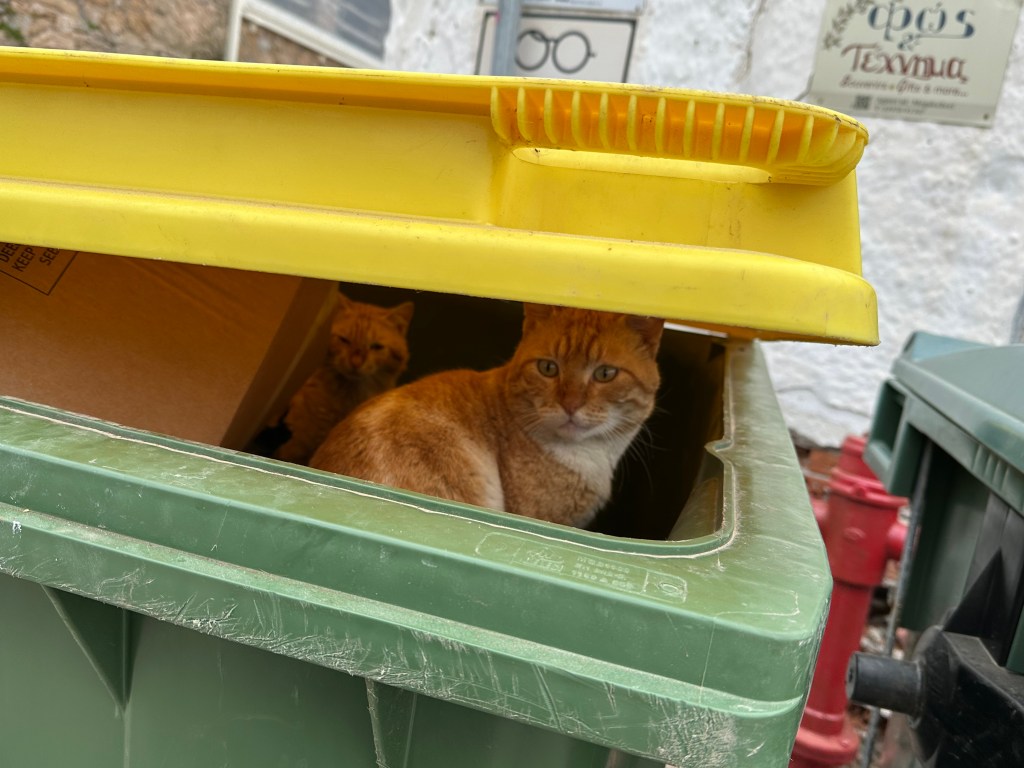
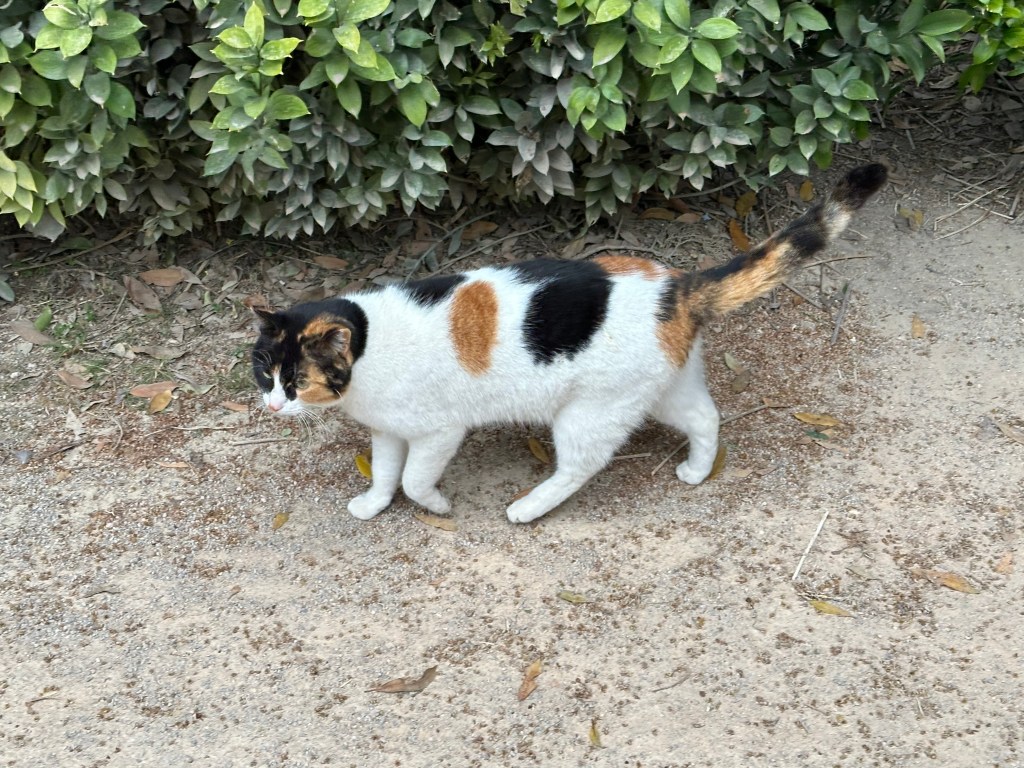
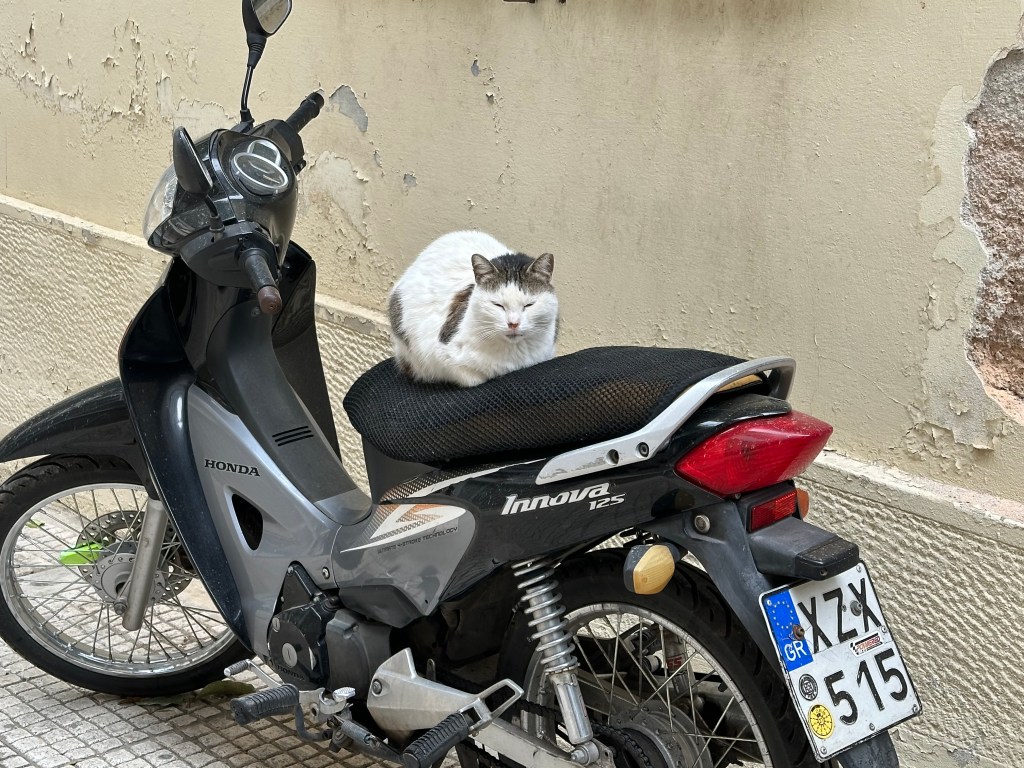
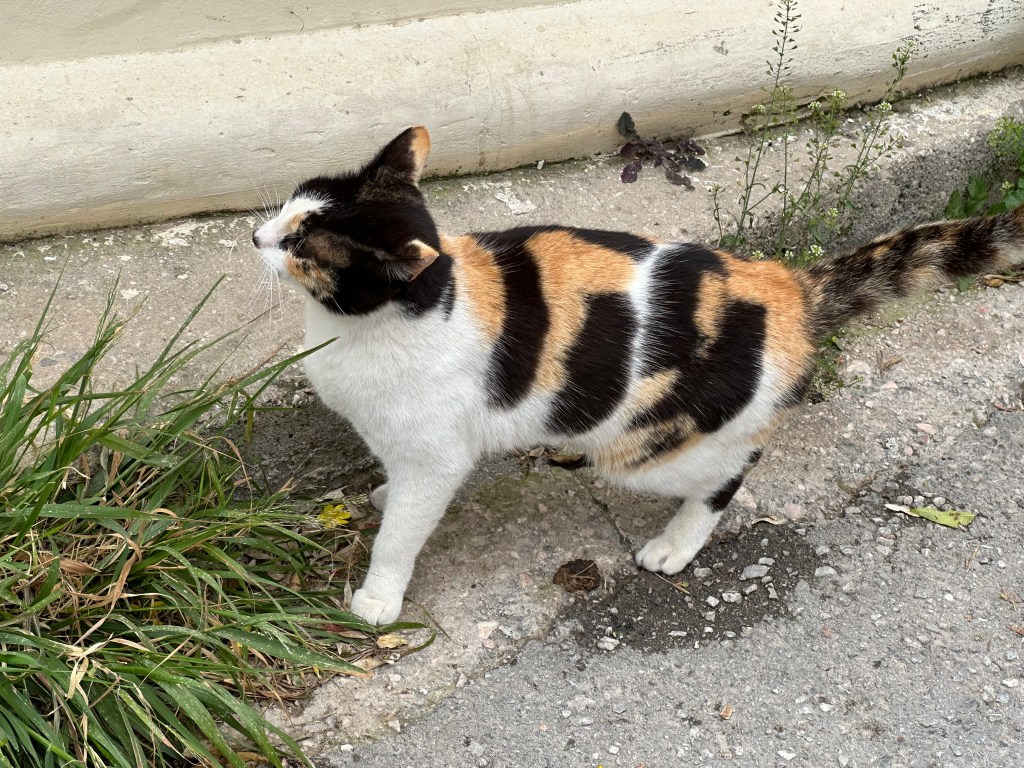
Cats. There’s loads of cats. Not only in Athens but on Agistri too. They seem to be semi-feral in that they live outside, sometimes in cat baskets and old armchairs left for them. They are provided with food and drink and by the number of clipped ears we saw, are sterilised as soon as they are old enough. Some are friendly, some skittish, there’s big ones, small ones, tabbies, black and white, calicos – pretty much any variety of cat you can think of. Presumably most of them are themselves a mixture of any cat variety you can think of. We like cats. We spent a lot of time with cats, the friendly ones at least.

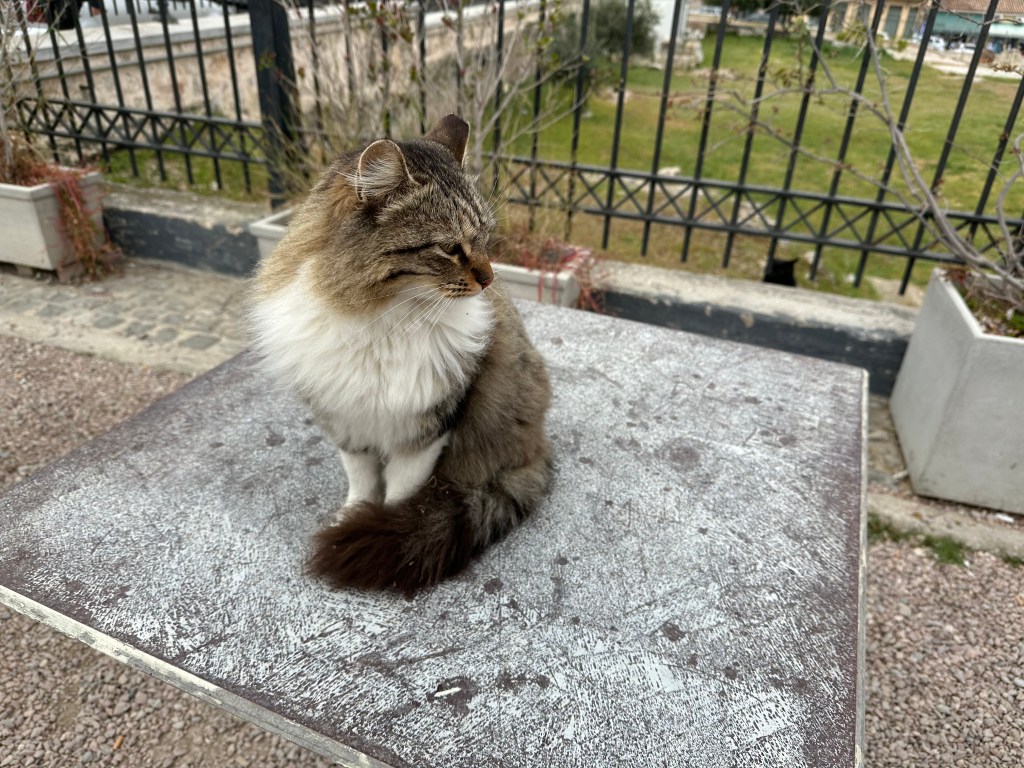
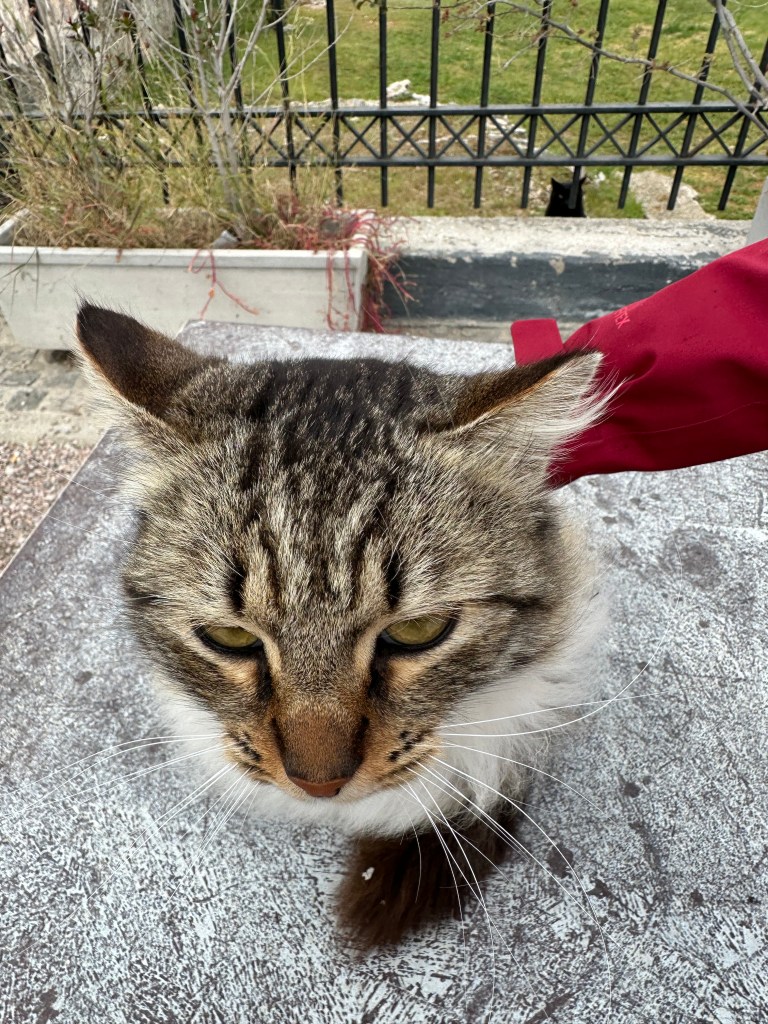
So there you have it, Athens in a slightly bigger nutshell than I intended. I blame the cats for that. It is a place that is well worth going to. We had the benefit of staying with nice people in a very nice apartment in a nice part of town which was all rather nice, but I’m sure staying in a nice hotel would be almost as nice (six nices in one sentence, blimey). Having said that, four days is plenty and that still gives you a day to visit an island. For us it is now a case of: Athens – tick.
 Glad to be Grey