All Inclusive

Hilton Playa Del Carmen, All Inclusive, Adults Only

When you hear of the word ‘holiday’, or if you are North American, ‘vacation’, what do you think? Companies that sell holiday packages seem to assume that sun, sea and sand are what most people want, combined perhaps with party evenings and cocktails. I presume they have done some market research and come to this conclusion. Maybe I should be a bit more cynical and think it is the adverts that are forming those ideas of what a holiday should be in people. Whatever, it is safe to assume that a holiday for a lot of people involves going somewhere with guaranteed sunshine, a nice beach and a regular supply of intoxicating liquor. And maybe a buffet breakfast too. We Brits love a buffet breakfast. There are, however, a large number of people who can’t think of anything worse than lying in the hot sun developing melanomas, sitting on a beach where the sand gets right up the crevice or swimming in a mixture of salt water and the outflow from the local sewage treatment works. Elaine and I fall into that category. For us a holiday tends to involve going somewhere that looks interesting, hiring a car and travelling around to see if it is indeed as interesting as we had hoped. It usually is. Lately, and forgetting the pandemic for a moment, we have tended to go to Canada. Not only does it tick the interesting box, it is also spectacularly beautiful and perhaps the most important of all, our daughter lives there. We tend to stay in Airbnb properties, usually for three nights at each destination, before moving on to a new one. I’ve been planning a holiday like this for the summer and we are looking forward to it, despite the lack of a buffet breakfast. That’s not to say we haven’t tried the sun, sea, sand holiday in the past. We had a fortnight in Menorca in 1994. We even had a couple of weeks in St Lucia in 2001. Neither holiday will make the highlight reel of Hughes Holidays.
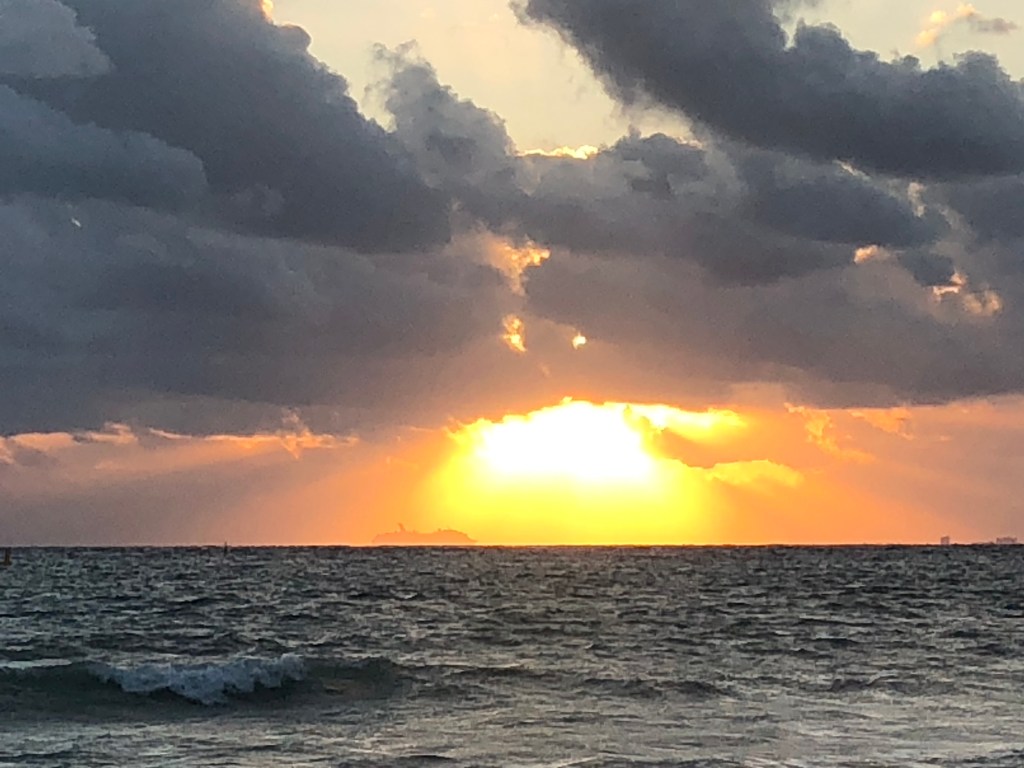
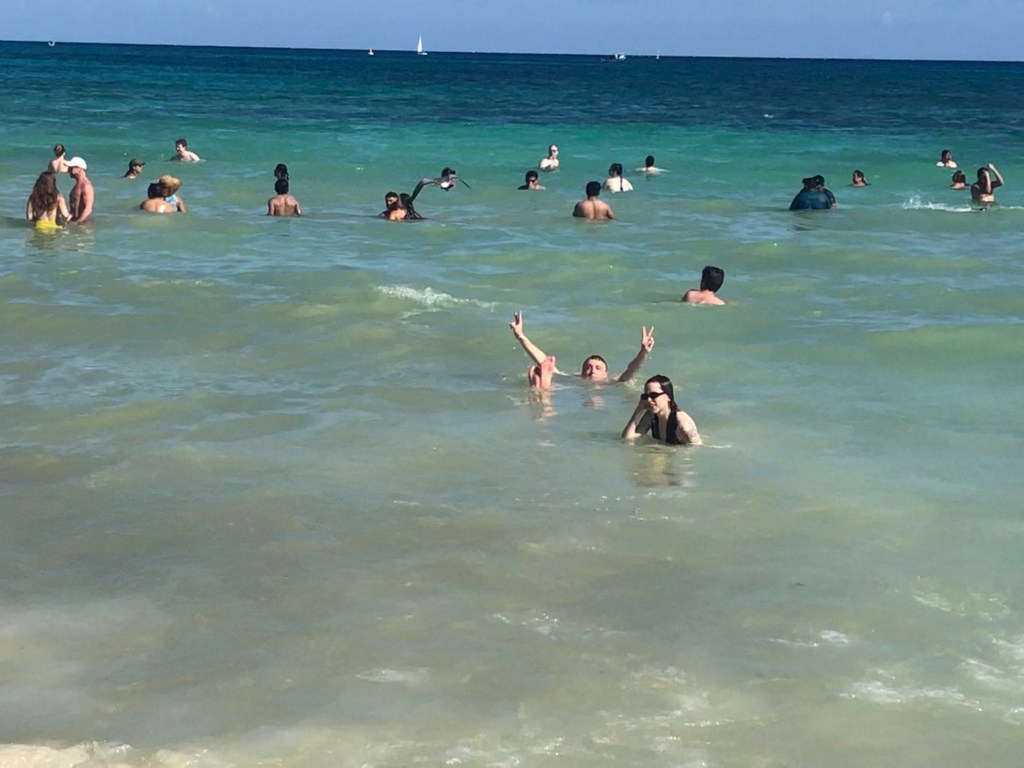
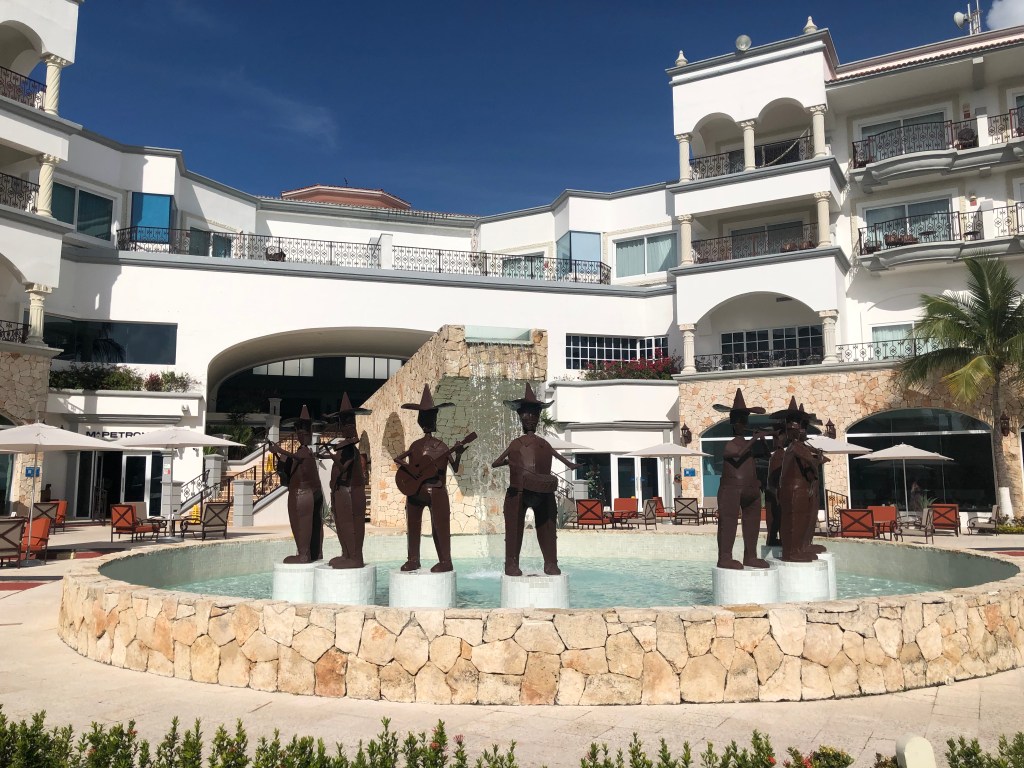
Having read that initial paragraph, you might be a bit surprised as to the location of our recent holiday. We spent a week in Playa del Carmen in Mexico. This resort is situated 30 miles south of city of Cancun on the Yucatan Peninsular and the whole area exists for one thing – tourism. It might be cruel to call it the Benidorm of the Americas but it’s a mecca for Americans, Canadians and also many folk from Latin American countries. It is also popular with Europeans with daily flights from a number of cities. It has a pleasant climate for most of the year, is lapped by the warm waters of the Sunny Caribbean Sea™(thankand does a good line in tequila sunrise. All in all, it is an ideal holiday destination for the sun, sea and sand lovers and one that provides many tourist dollars to the Mexican economy. What could possibly be there for us? It was Elaine’s idea. We knew that the place where Rebecca worked in Canada closed the first week in January. Why not see if we could arrange a holiday for that time at a destination where we could meet up. Hopefully our son Nicholas could get time off and come too. Great idea but where exactly? Mid way between Troon and Victoria lies Nova Scotia. It’s a lovely place but not somewhere we fancy going in the depths of winter. Mexico, however, fitted the bill. It’s a seven hour flight from Victoria, ten hours from London, and the weather at that time of year looked perfect. Mid-20s, not much in the way of rainfall and, most importantly, a relatively easy place to get to from both the UK and BC. We booked a package through British Airways Holidays for the three of us and invited Caryn, a family friend along too. At the same time we booked a package through Last Minute for Rebecca and her boyfriend Harry for the same hotel. Their flight from Victoria arrived an hour after ours from Gatwick whilst our respective flights back were scheduled to depart at exactly the same time. It was if it was meant to be.

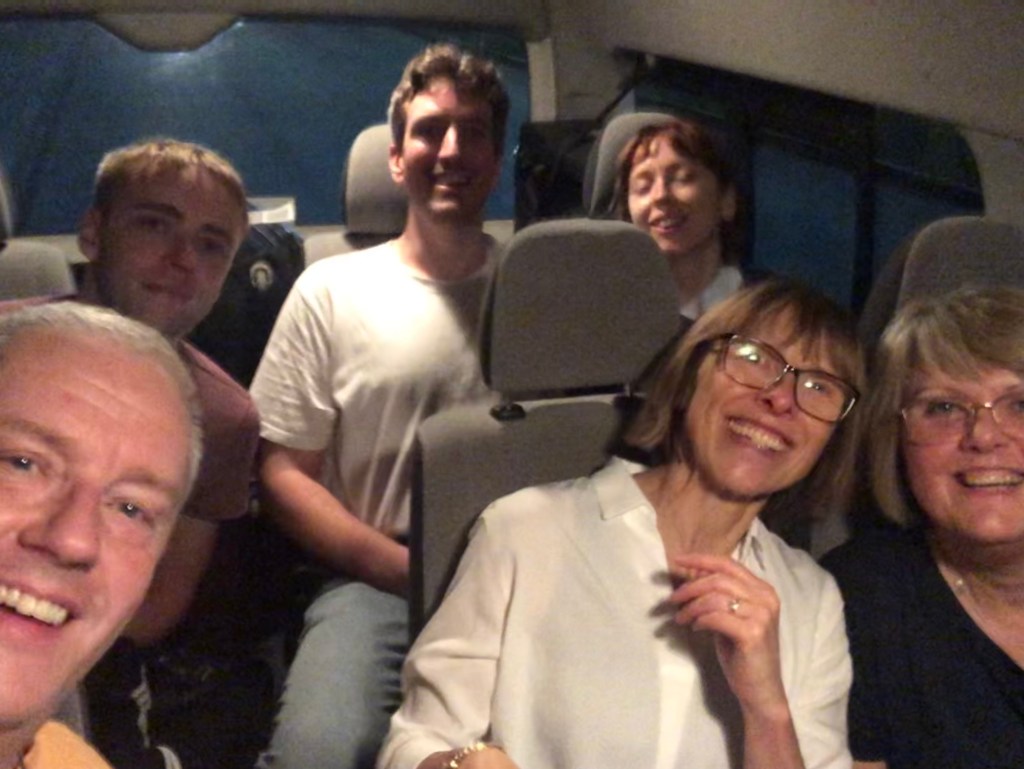
Having booked the holiday last September there was three or four months of worrying about what spanners might get thrown in the works. It turned out that nothing did. None of us got Covid, assorted strikes in various different industries did not affect us and the disarray in Canadian air transport caused by weather in the run up to departure had passed. On December 31st our respective flights ran to schedule, our bags made the connection and apart from a small panic when I realised British Airways and WestJet utilised different terminals at Cancun we all met up and piled into the pre-arranged transport to our resort hotel. It was shortly before 7pm when we set off and so we celebrated GMT New Year on the bus. It was five hours until the local New Year and eight before British Columbia New Year but it had been a long day for those travelling from the UK so we thought it best to get at least one of them done and dusted.

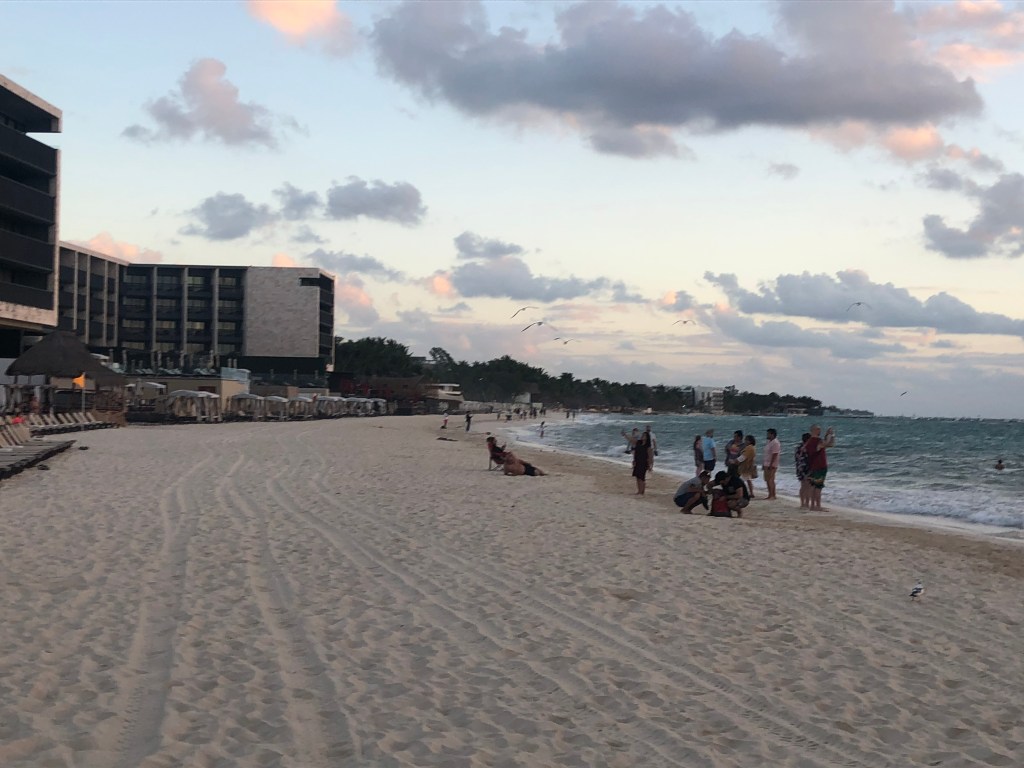
It took about an hour to get to our hotel. This was the Hilton, Playa del Carmen, an all inclusive, adults only resort. All inclusive resorts abound along the coast. I’m not sure why we chose this particular one but we all felt it was a good choice. Not that we have anything to compare it with but it seemed very well appointed. We all had Garden View rooms which were at the cheaper end of the resort’s accommodation spectrum yet were huge in size, each containing a large jacuzzi next to the beds which barely reduced the living space at all. The beds were comfy, the air conditioning efficient, bathrooms were spacious and all in all we were impressed. The resort had several restaurants, numerous bars and two pools – the main pool and a smaller quiet pool. It was right on the beach although that beach was public and got rather busy during the day. We checked in and had bands attached to our wrists. These were to identify us as residents of the Hilton and not chancers coming in from outside to avail themselves of the free stuff on offer. All inclusive meant that – food and drink were part of the package though certain things required a supplement. Once settled in to our rooms we went to the buffet restaurant for some food and then joined the New Year Party that was taking place. Well, sort of. We were all knackered from a long day of travelling and remained on the periphery. For the New Year countdown itself we retired to the balcony of Rebecca and Harry’s room where we watched proceedings. They were twenty seconds late with their countdown which annoyed the OCD in me but fireworks went off and we all retired to our respective rooms. Despite the party going on until 1am I was very tired indeed and fell asleep without difficulty. I’m not sure what I was dreaming about at 3am but I suspect it wasn’t New Year BC time. Two out of three new years would have to do.

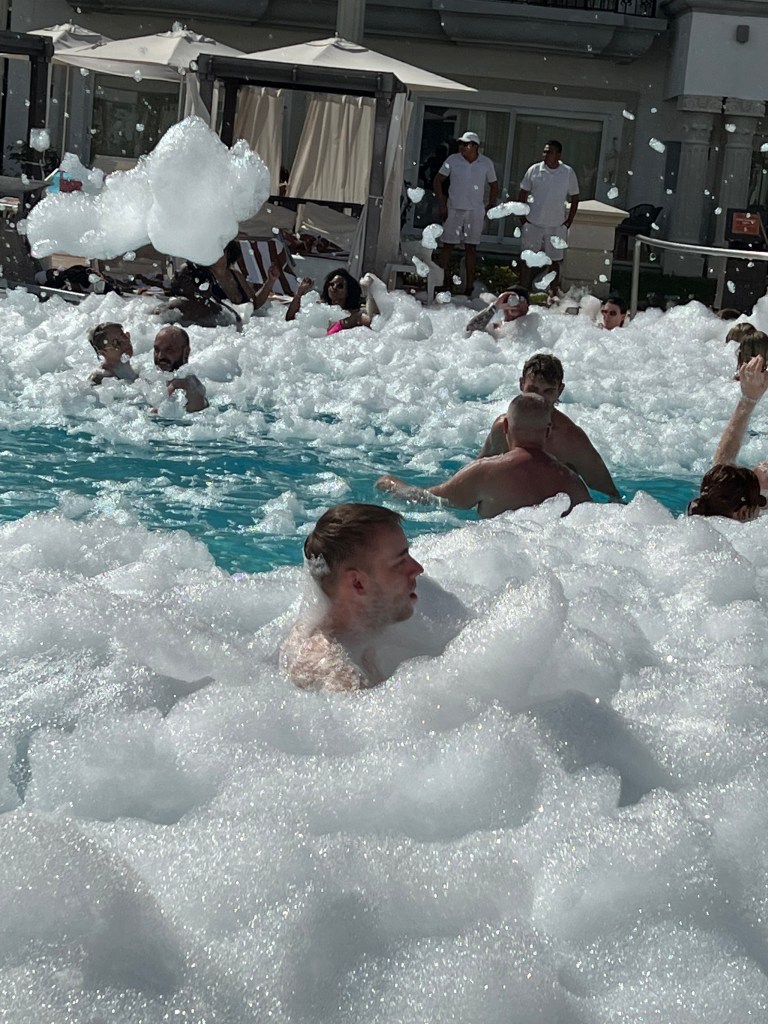
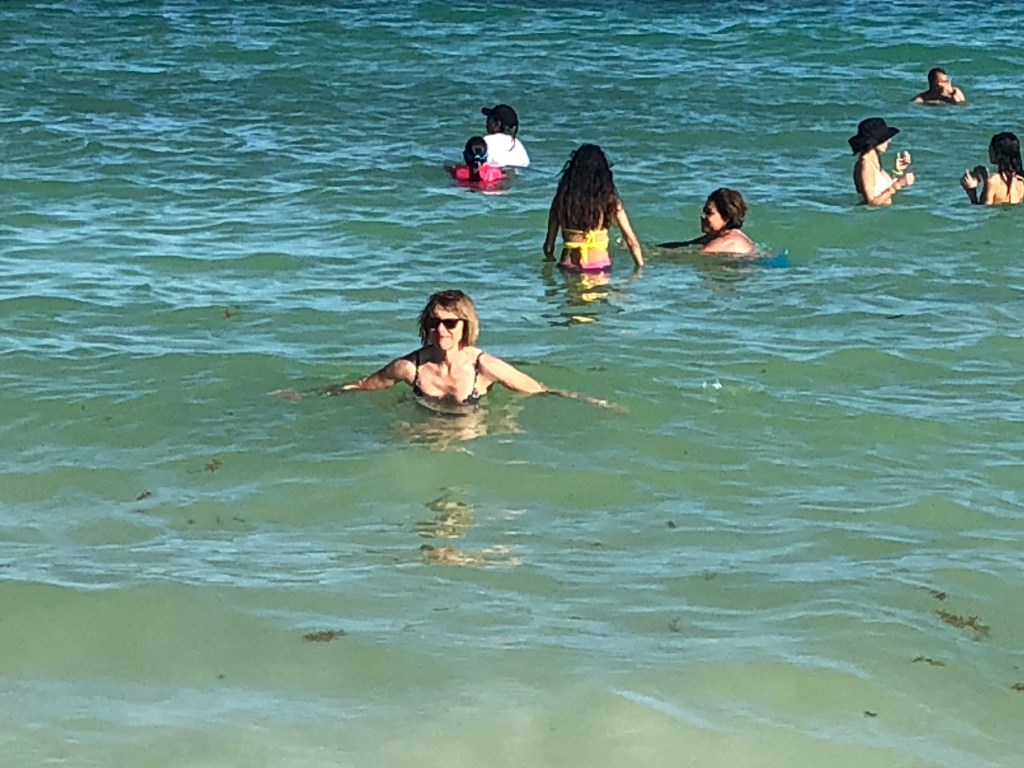
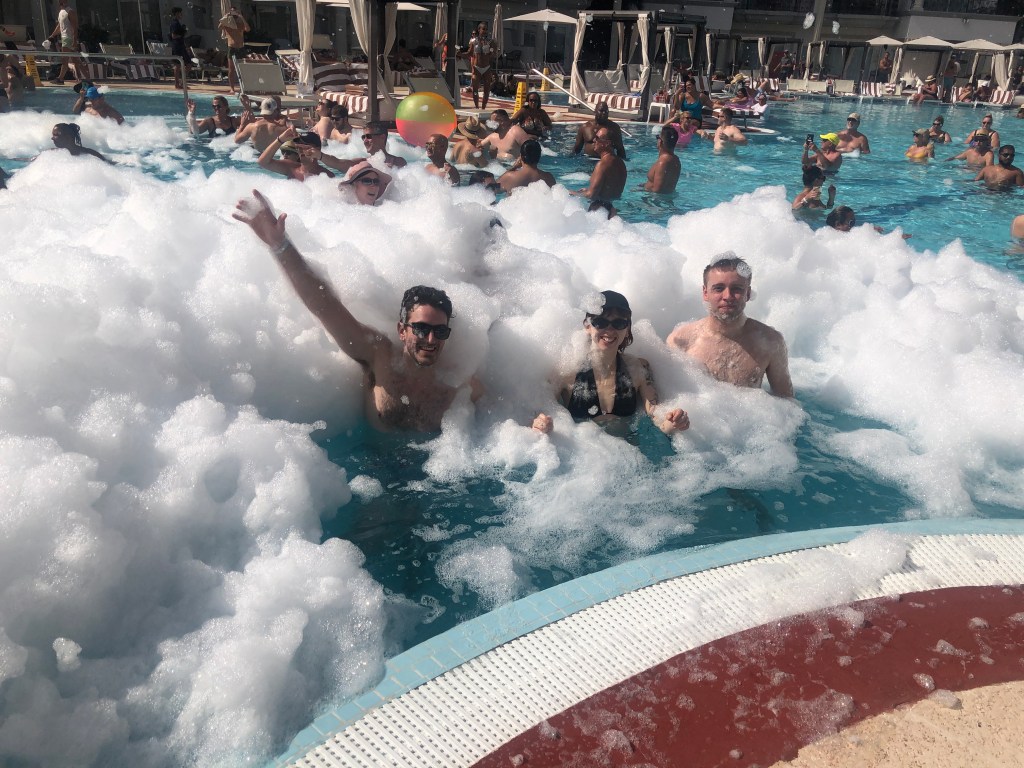
The following morning we all met up at the buffet breakfast (a big thumbs up for that) to decide what we were going to do during the following six days. What exactly do you do on a holiday like this? Sit in the sun, swim in the pool, paddle in the sea? For a week? Mainly yes, but not all the time. We booked an excursion for the following day but then spent the time getting ourselves orientated with the resort and the town itself. The main strip of Playa del Carmen was more or less right outside the hotel’s reception, not that you’d know it from inside. It was a long street of shops, restaurants and bars and packed with tourists, this being New Year’s Day and peak holiday time. It was good to know it was there even if we didn’t have to use it. The Hilton itself took a bit of discovery with the assorted restaurants and bars dotted around the place. The routine for getting beach towels and reserving sun loungers needed to be learnt – basically, grab some towels as soon as the towel station is open and plonk them on the lounger in a way that a German would be proud of. Even better, grab the towels the day before and reserve your lounger before the towel station opens. Towels on the sun loungers might be a cliche but it’s a real thing apparently. There were cabanas dotted round the pool. I didn’t really know what they were either. However, they are like four poster beds with an attached cool box which are available to rent for $99 a day. We did not avail ourselves of them as it might have been a squeeze getting all six of us on one. The main pool had various activities throughout the day including, on three of the days we were there, the foam party. To a 61 year old bloke like me this sounded absolutely horrendous. Soapy suds are generated by a couple of foam cannons and sprayed into the pool where some of them stick. Music of sorts is blasted out of speakers, the resort’s resident dancers gyrate in their thongs and you might get some bloke pouring cheap tequila down your throat from the bottle. What possibly is there to like about that, apart from maybe the thong wearing dancers? I can tell you it was brilliant. I don’t know why but it was great fun. Soap suds flying everywhere, a few beach balls thrown in for the hell of it and the hour it lasted flew by.
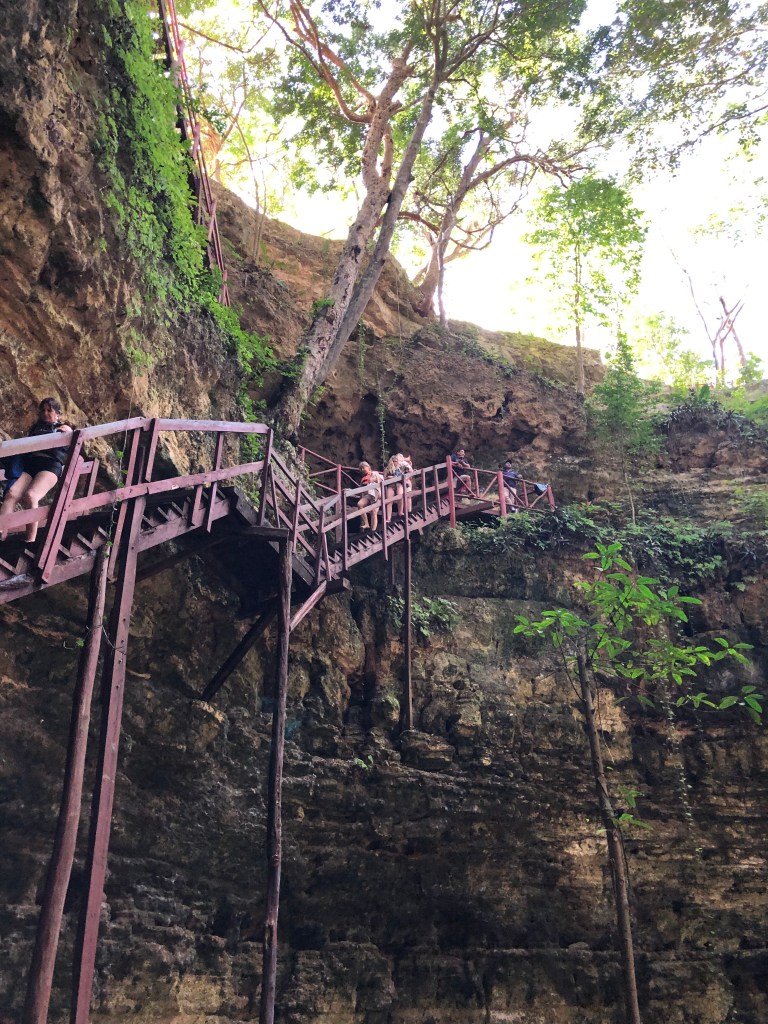
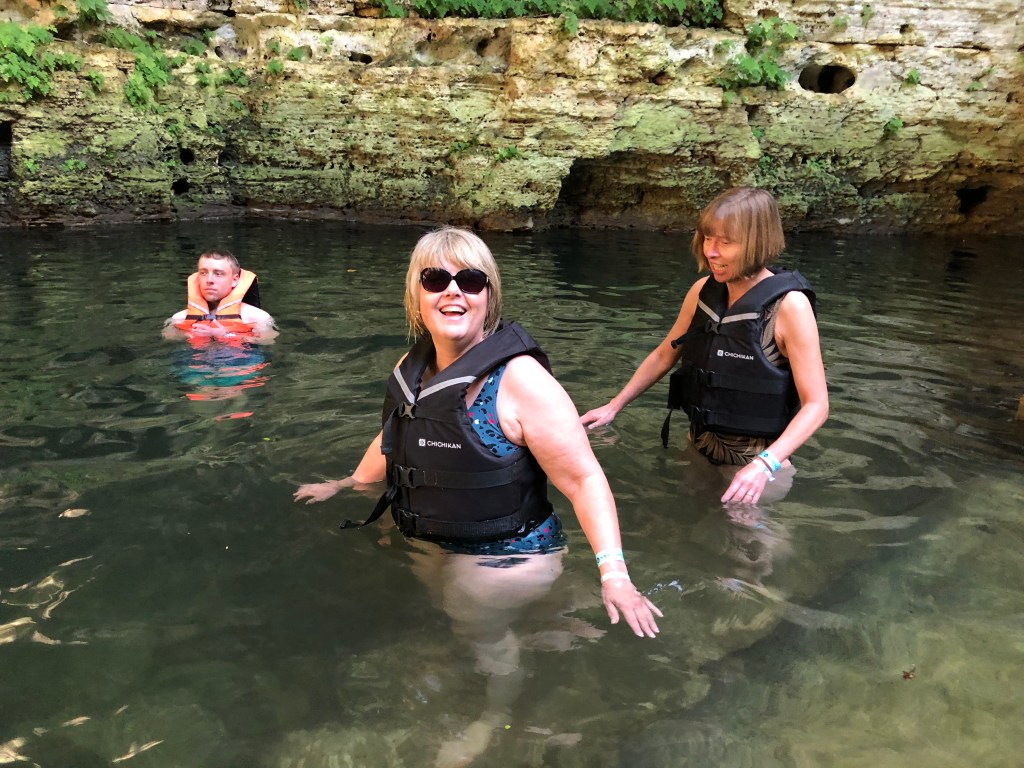
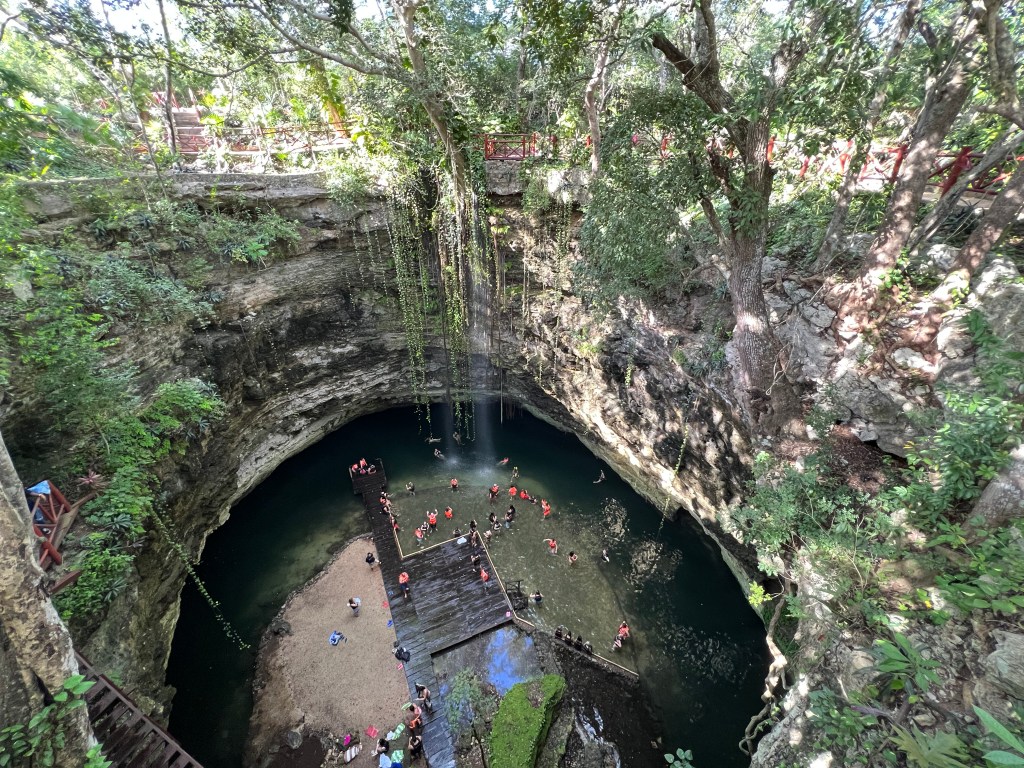
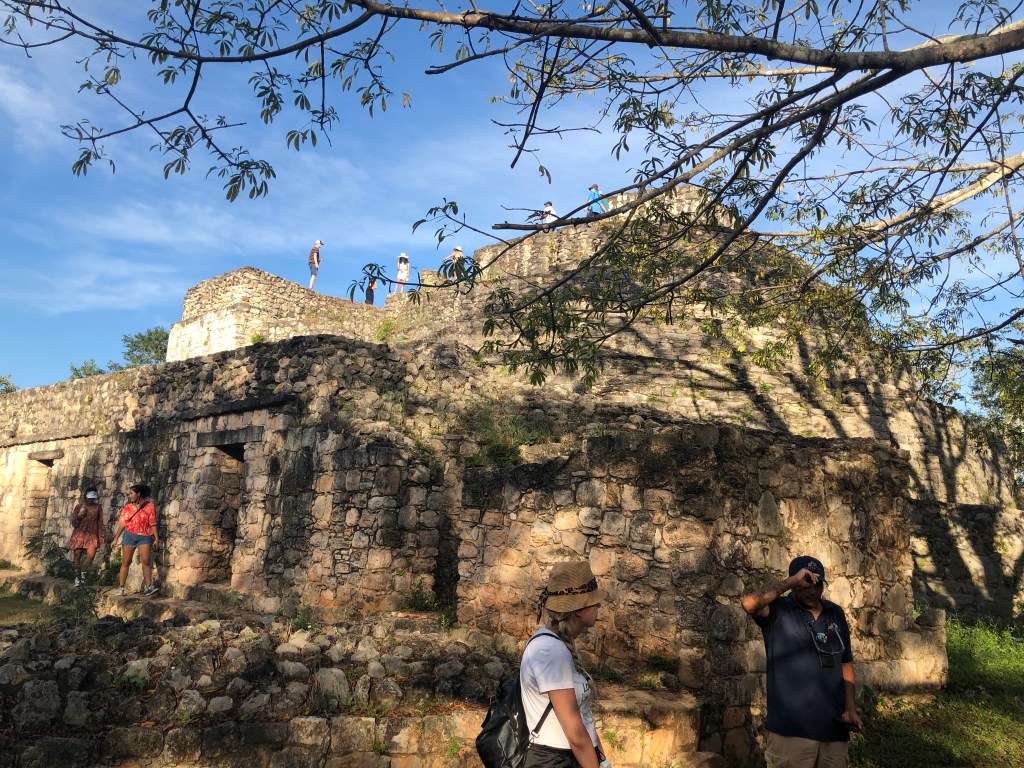
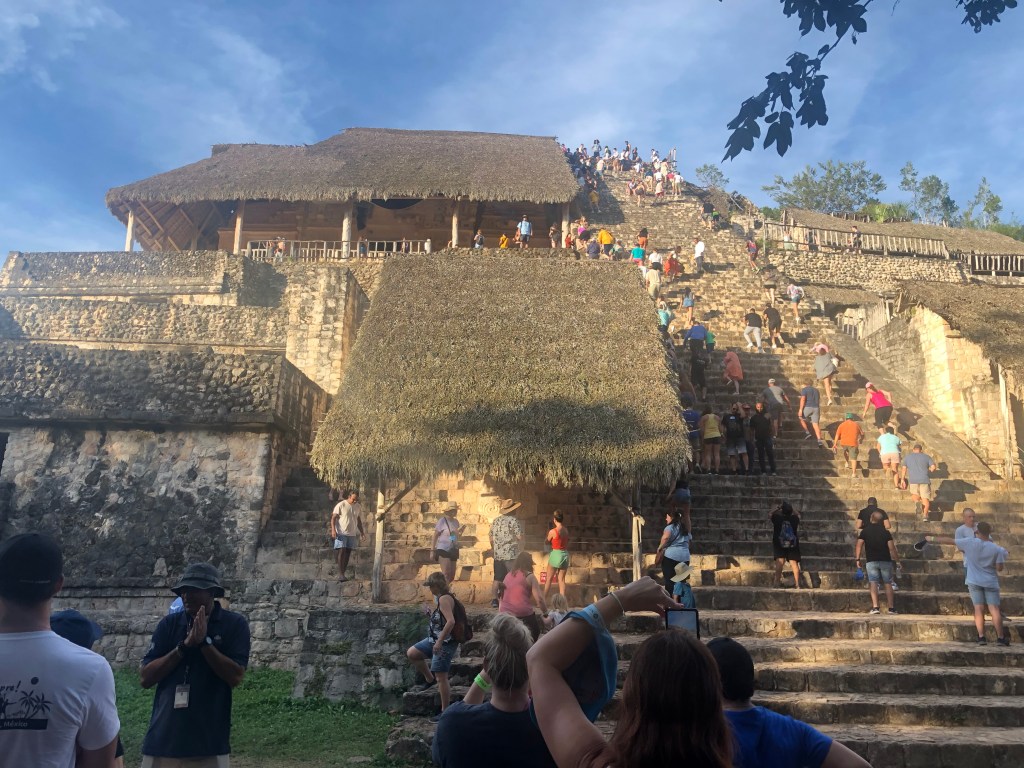
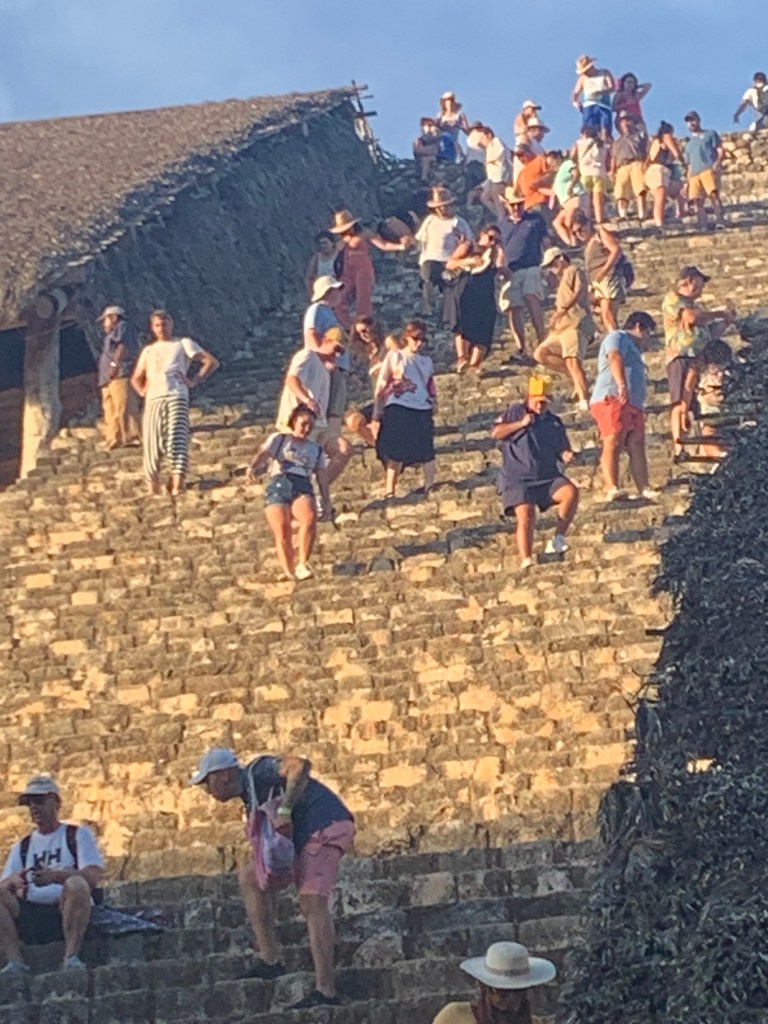
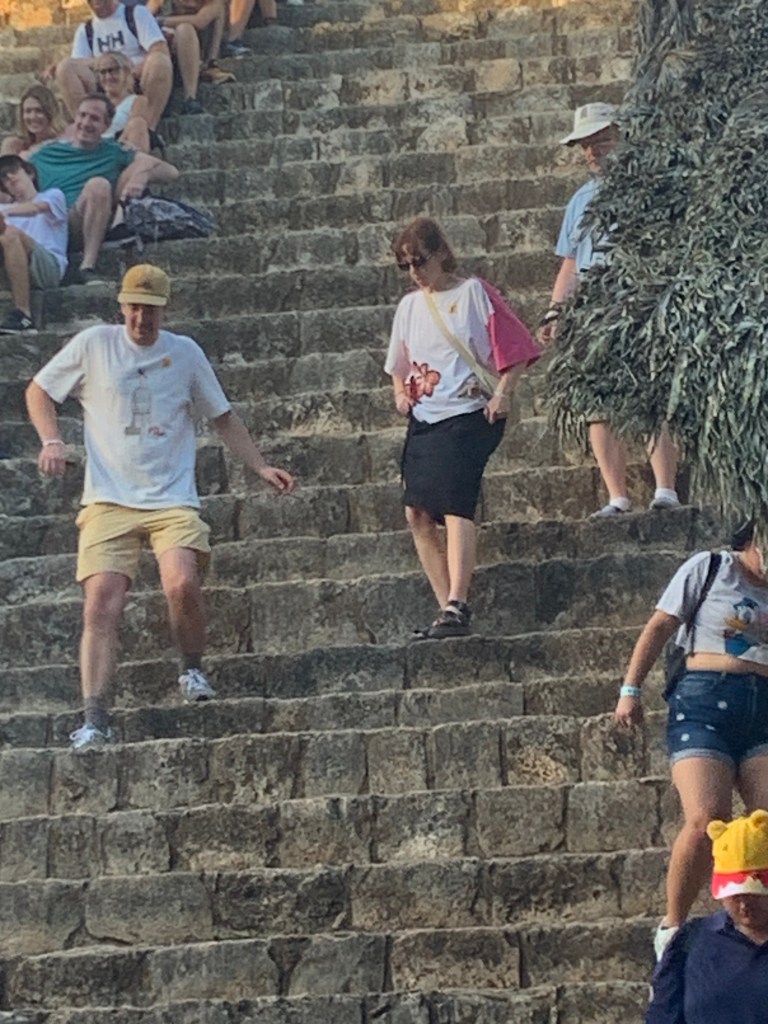
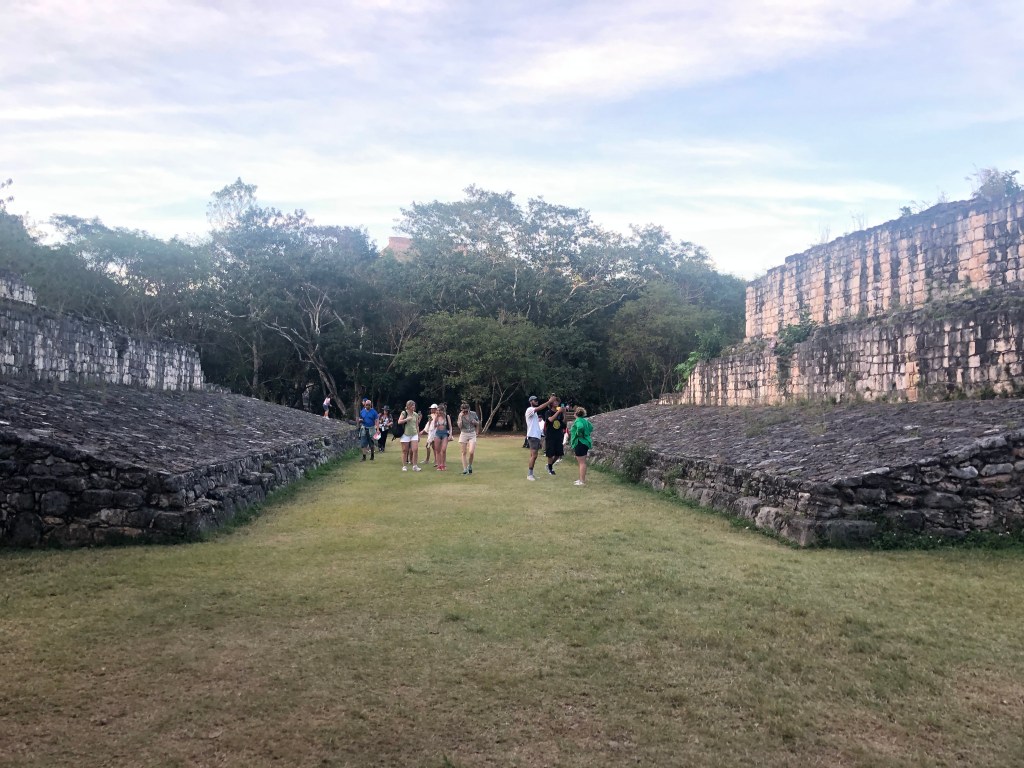
The tour we had booked was to Chichen Itza. This is an old Mayan city full of pyramids and all that sort of thing. It is first on the list of tours that visitors to the region might embark on. We’d booked the full day experience which involved a stop in the town of Vallodolid, lunch at some Mayan themed restaurant, Chichen Itza itself and a swim in a cenote, a sink hole in the limestone rock that the Yucatan peninsular is made from. All was going well until we pulled out of Vallodolid and were informed that Chichen Itza was closed due to ‘civil unrest’. To cut a long story short, the local population, most of whom were of Mayan descent, were less than happy with the management of the site and were kicking up a stink about it. It took a while for the tour leaders to come up with an alternative plan, concocted whilst we were enjoying lunch. Instead of Chichen Itza, we would go to Ek Balam, a different Mayan city. There was an option to return to the resort but we decided to stick with the tour. The schedule changed and we did the cenote swim first. This was really rather pleasant. The sink hole has sheer vertical sides and the water at the bottom, part of the aquifer that gives Yucatan its supply of fresh water, was fresh, warm and extremely inviting. The cenote done and dusted, we headed on to Ek Balam. You know what, if Ek Balam is number two on the Mayan city list, Cichen Itza must be bloody good. It was a fascinating place and, unlike Chichen Itza, you can walk on it, all the way to the top of the temple. The place was busy of course. Many other Chichen Itza tour buses had diverted there so it was quite crowded, even at the top of the temple, but we all felt we had got a very good dose of Maya at the end of what was a long day, even if it wasn’t quite the city we had expected.

The other tours and off resort activities we did consisted of a snorkelling trip, initially for five people but reduced to four when Elaine got a touch of the Montezuma’s revenge, which the remaining participants seemed to enjoy. I didn’t fancy it so I booked myself on a jungle ATV tour. Once in the jungle, which covers most of the peninsula, I got to zip around some dirt tracks twice, interspersed by another cenote swim. Nice though that cenote was, it wasn’t a patch on the other one. It was the ATV ride I was there for and that was great fun, even if the first one I was one was worryingly smoking by the end of the first ride and I managed to drive the second one into a tree and was stuck for a while until I worked out where reverse gear was. Elaine, Nicholas and Rebecca all went on another outing to walk some rescue dogs in what was a rough part of town. The woman that runs the refuge was most appreciative of their efforts. Of the hundreds of thousands of visitors who visit Playa del Carmen every year, only a handful even know about the place. Apart for a couple of walks along Playa’s main tourist drag and the beach, that was it as far as leaving the resort was concerned.

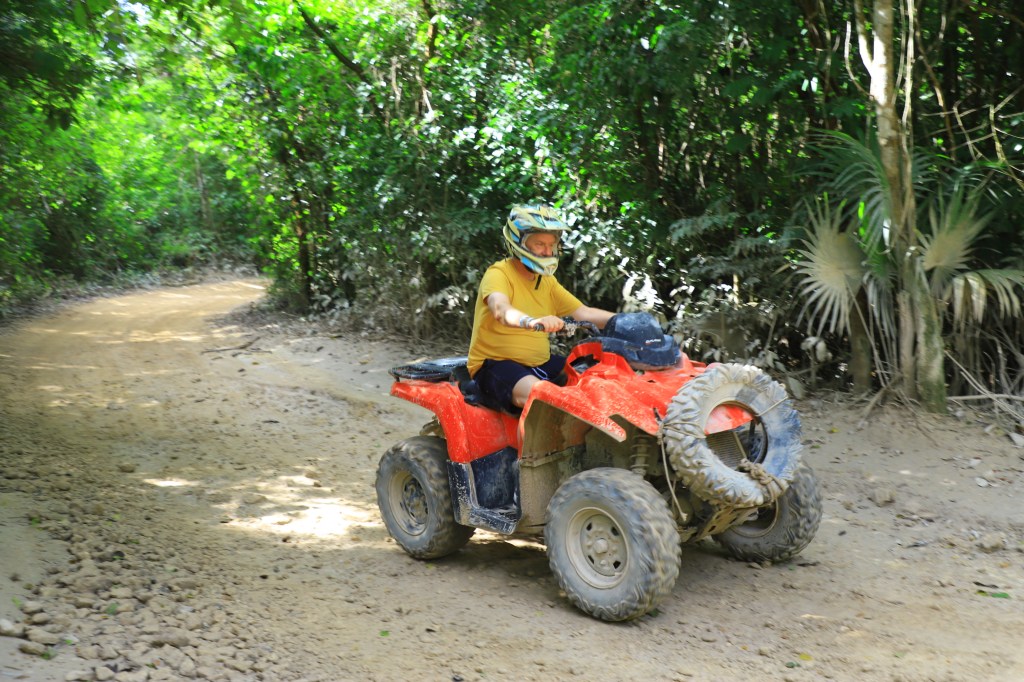
No photos allowed on the snorkelling tour but I suspect it was something like this.

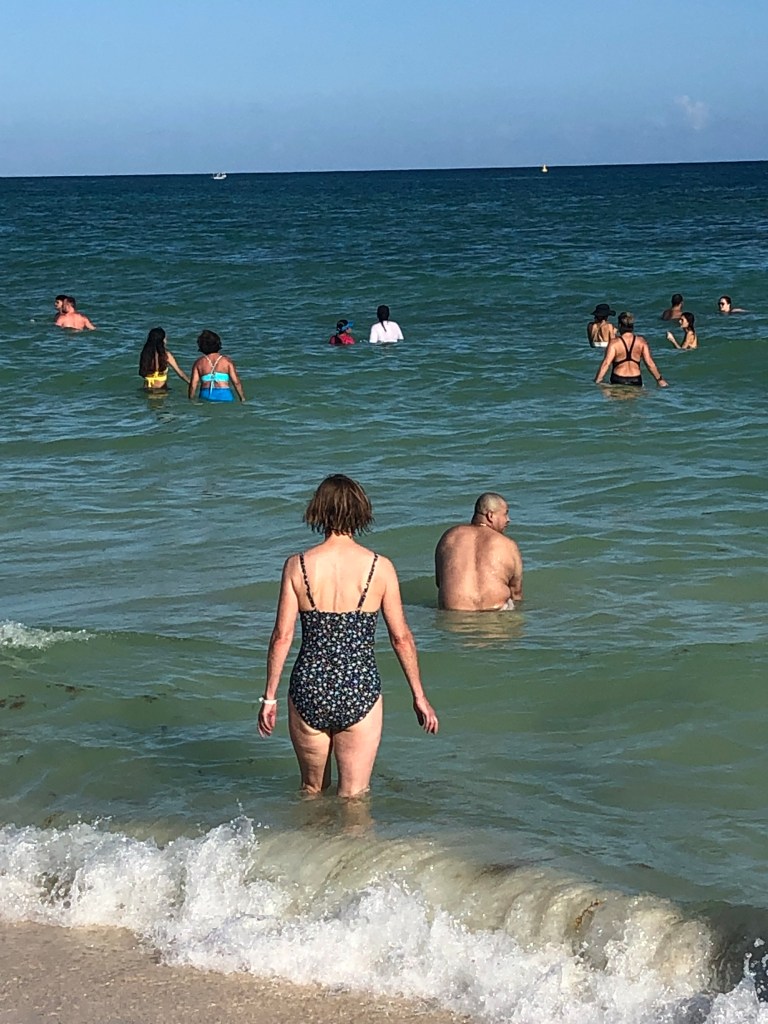
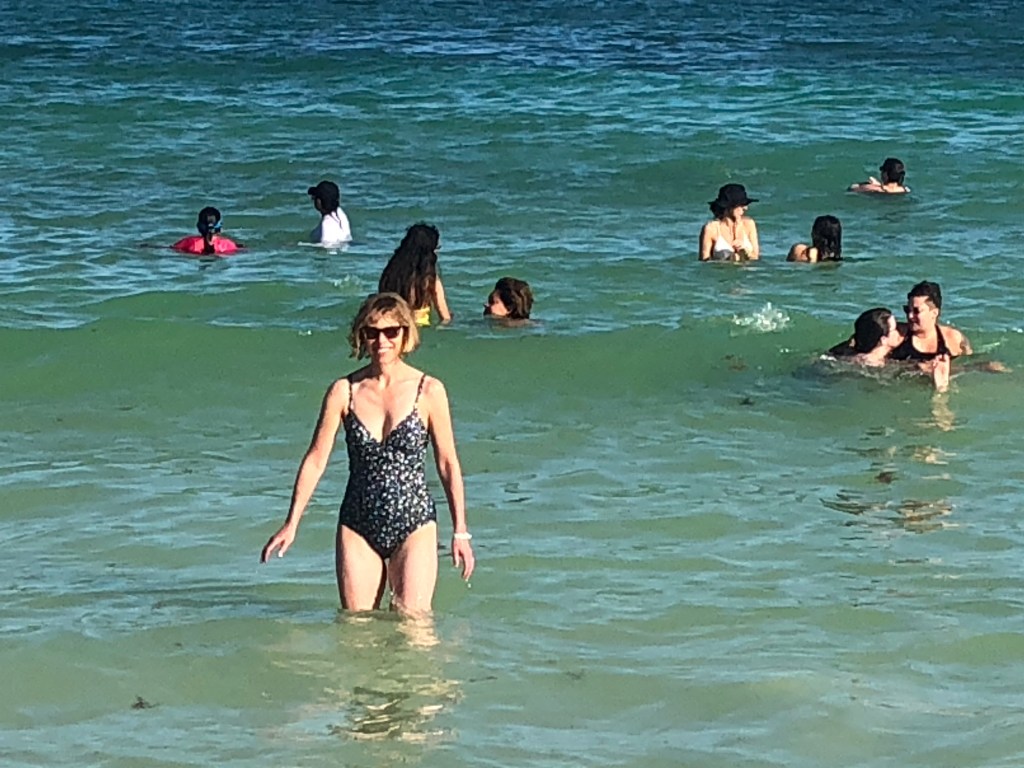
The rest of the time was spent relaxing, swimming in the Sunny Caribbean Sea™ and the pool, foam parties, eating and drinking. There were several places to do the eating and even more to do the drinking. We tried the Mediterranean style, the genuine Mexican and Asian fusion restaurants. We also tried a breakfast at the Caribbean cafe. All were good but we always tended to default to the buffet which had a great selection for breakfast, lunch and dinner that meant all tastes were catered for. You are supposed to make reservations for dinner at any of the restaurants but the buffet place always seemed to have plenty of room for those who forgot. Drinks were free but as in any other all-inclusive place in the world, this was restricted to local brands. Anything fancy had to be paid for. The coffee shop was well patronised, not just by the coffee lovers but by those who liked an ice cream, milkshake or pastry. The minibar in the room was also well stocked with free drinks so you were never going to go thirsty.

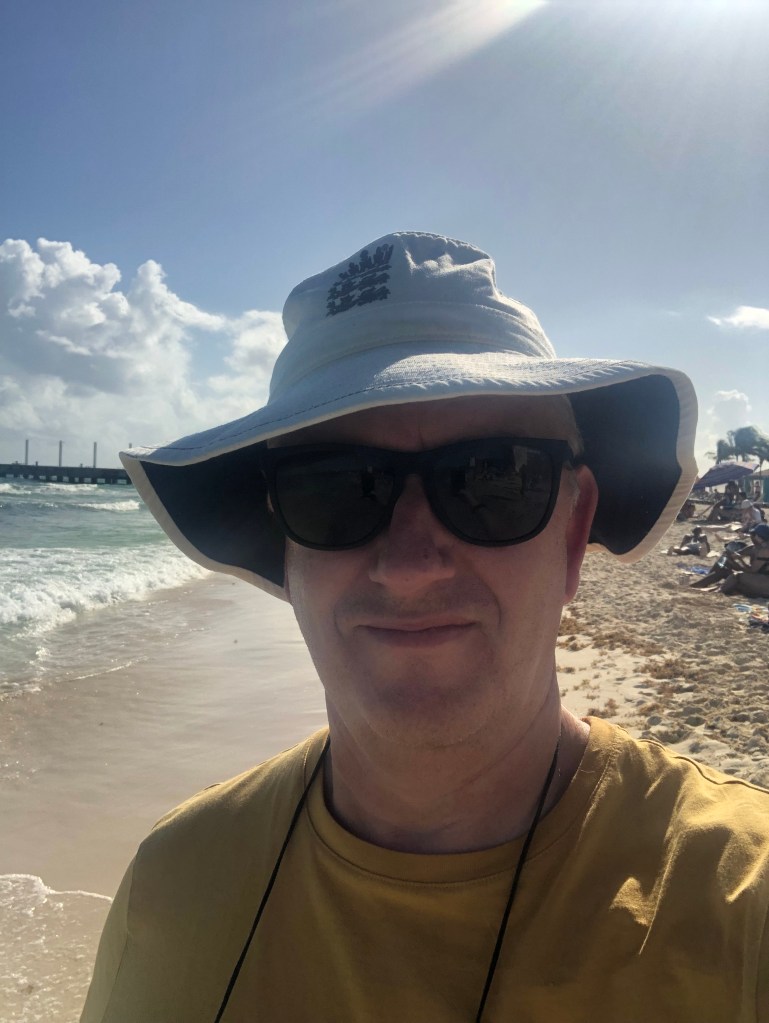
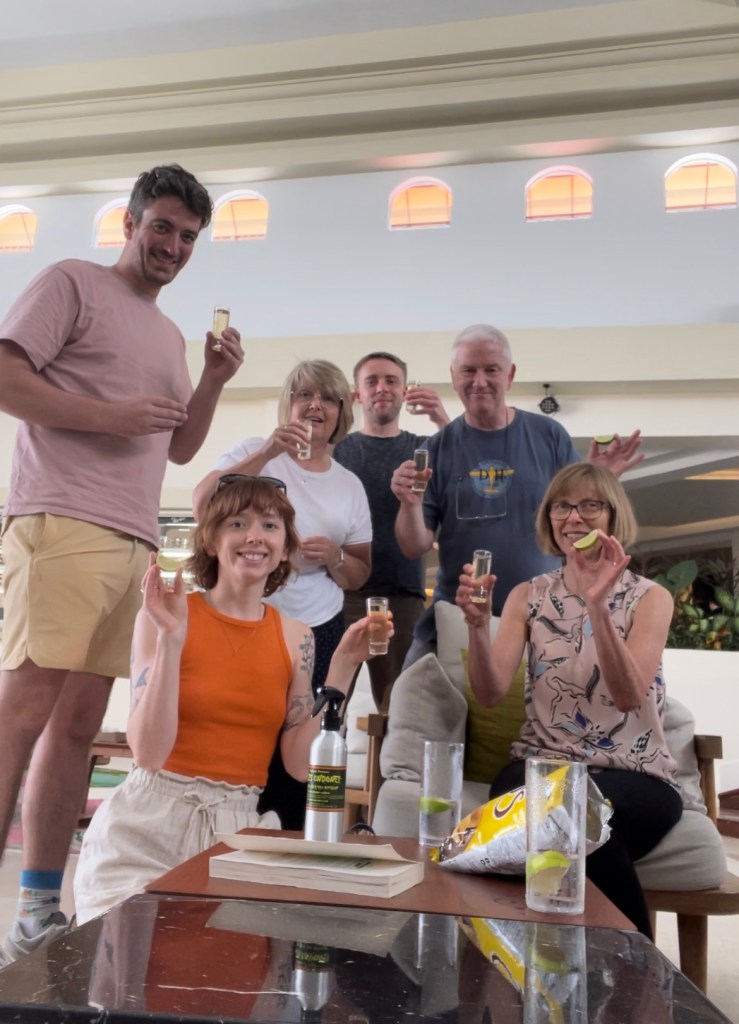
One last tequila.

All too soon it was time to leave. Checkout was at noon and the minibus was due at 13:30. Although our wristbands were carefully removed when we checked out we were given a chit that allowed us to continue using the facilities until then so with a final shot of tequila we boarded the bus back to Cancun Airport. It took two and a half hours to get there. The traffic and roadworks were horrendous but it is a known thing which is why we’d set off five hours before the scheduled departure. When we finally got there, Rebecca and Harry were dropped off at Terminal Four, the rest of us at Terminal Three and after a bit of a long check in queue we were through airside and complaining about airport prices for the food. Both our flights departed on time and we were all back in our respective homes when we expected to be. It took a couple of days to get over the jet lag, maybe a day or two longer to reacclimatise to the Scottish winter.

Are all inclusive beach resort holidays really for us? It turns out that at the right time, in the right place and most importantly with the right people that they actually are. They might not make for a particularly gripping blog but you can’t have everything. We are already thinking about doing something similar next winter.

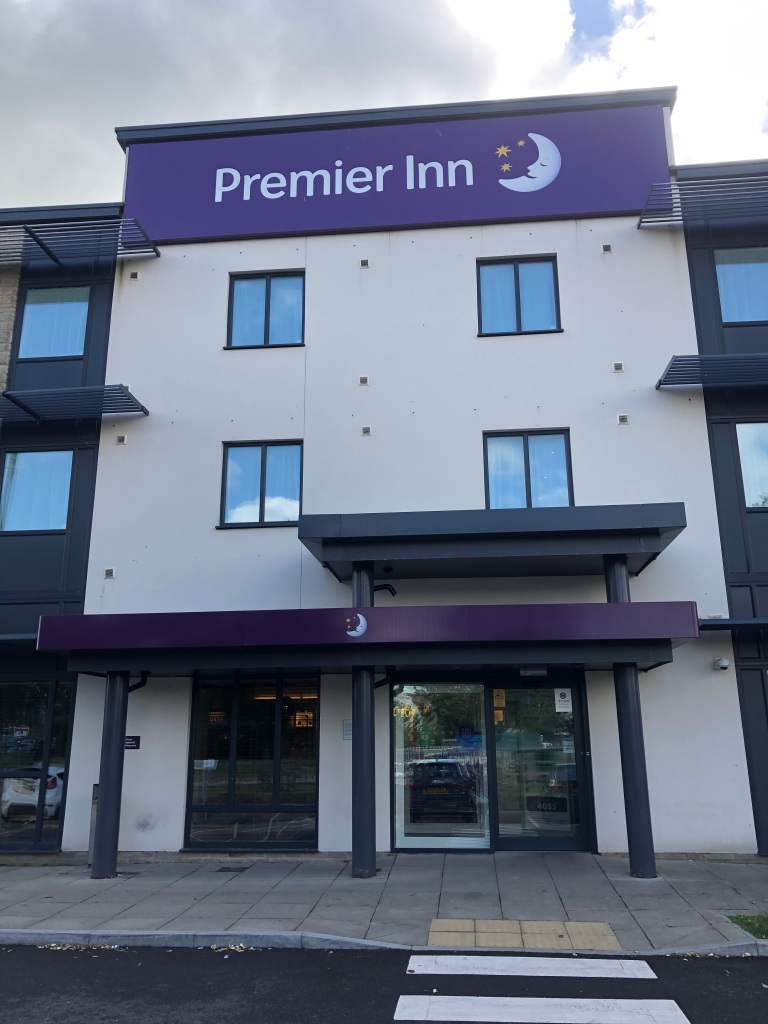
Premier Inn

Welcome to the Wherever Premier Inn.

The British Institution was a 19th century organisation formed to exhibit artworks. We are, of course, not remotely interested in that. The phrase ‘A British Institution’, however, has come into popular parlance to mean anything uniquely British that is generally well loved. Anything means anything. Red telephone boxes, fish and chips, primary school nativity plays, Bobbys with boob-shaped helmets and so on. There is no definitive list but if you are British you will understand what they are. I’m about to add something else to this non-existent list: The Premier Inn. Back in 1987 the brewing company Whitbread opened up a hotel next to its Beefeater pub and restaurant in Basildon, Essex. It named it Travel Inn. Over the next few years Travel Inns started popping up all over the country. Unlike traditional hotels, Travel Inn sold rooms at a fixed, low price with breakfast and other meals having to be paid for separately. For around £30 per night you could get a room with a double bed and also a bed settee meaning a family of four could squeeze into one for the same price as single occupancy. Most of these hotels were newly built and situated on the edge of towns and cities and had plenty of parking space. Motels had been popular in North America for decades but it took until the early nineties for the concept to catch on in the UK. Not that Travel Inn was a copy of the American Motel. Like that first one in Basildon they were built next to existing Whitbread pubs or, where necessary, new pubs were built alongside the Travel Inns. These family friendly hostelries, often under the brand name of Brewer’s Fayre, became popular with locals as well as the hotel patrons. Throughout the nineties Travel Inns began to appear in city centres including in London, frequently repurposing existing buildings. The jewel in Travel Inn’s crown was, and possibly still is, the one contained in the old London County Council building next to the London Eye. Fixed room pricing was unsurprisingly abandoned and a room in a London Travel Inn might set you back £100.

In 2004 Whitbread acquired a competing hotel chain, Premier Lodge. Merging the companies, Premier Travel Inn was formed which three years later became Premier Inn. There are now over 800 of them. Apart from a few in the Middle East, Germany and Ireland, all the Premier Inns are in the UK. Whitbread sold its brewing interest in 2001 to concentrate on its hotel and restaurant business and Premier Inn, the largest hotel brand in the UK, makes up 70% of their earnings. The success of Premier Inn did not go unnoticed and rivals sprung up. The largest of those is Travelodge whose first hotel actually predates that first Travel Inn in Basildon. Whilst successful, Travelodge, with 570 locations, has not expanded as much as Premier Inn and it is fair to say has a reputation as a somewhat downmarket hotel chain. Most Brits love the Premier Inn, whether they admit it or not. Not many speak of Travelodge with much affection.

It’s August 2020 and Covid-19 is really taking the piss. Lockdown restrictions may have eased but foreign travel is still nigh on impossible and anyone who fancies a holiday is urged to take a ‘staycation’, whilst constantly being reminded that they are about to die (or kill someone else) if they simply forget to keep their mouth covered with a bit of cloth.

“Let’s go away for a few days, we need a change of scenery.”

“How about a few days in a Premier Inn somewhere?”

“Erm, OK…”

Your Premier Inn room. Just like the last one, just like the next.

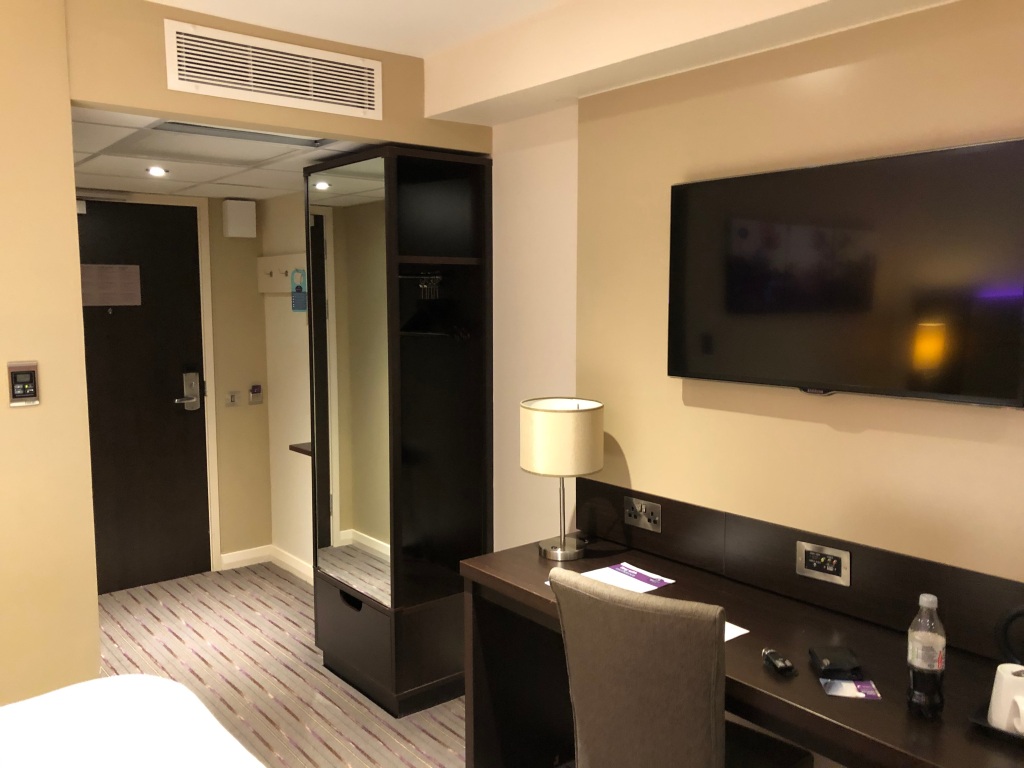
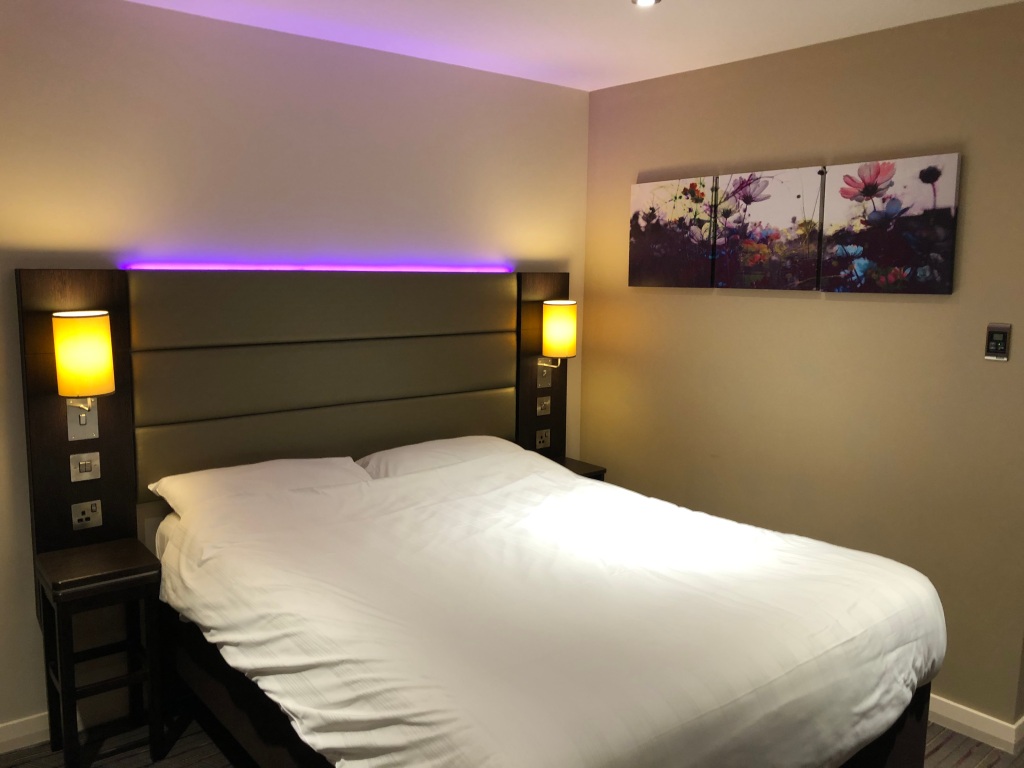
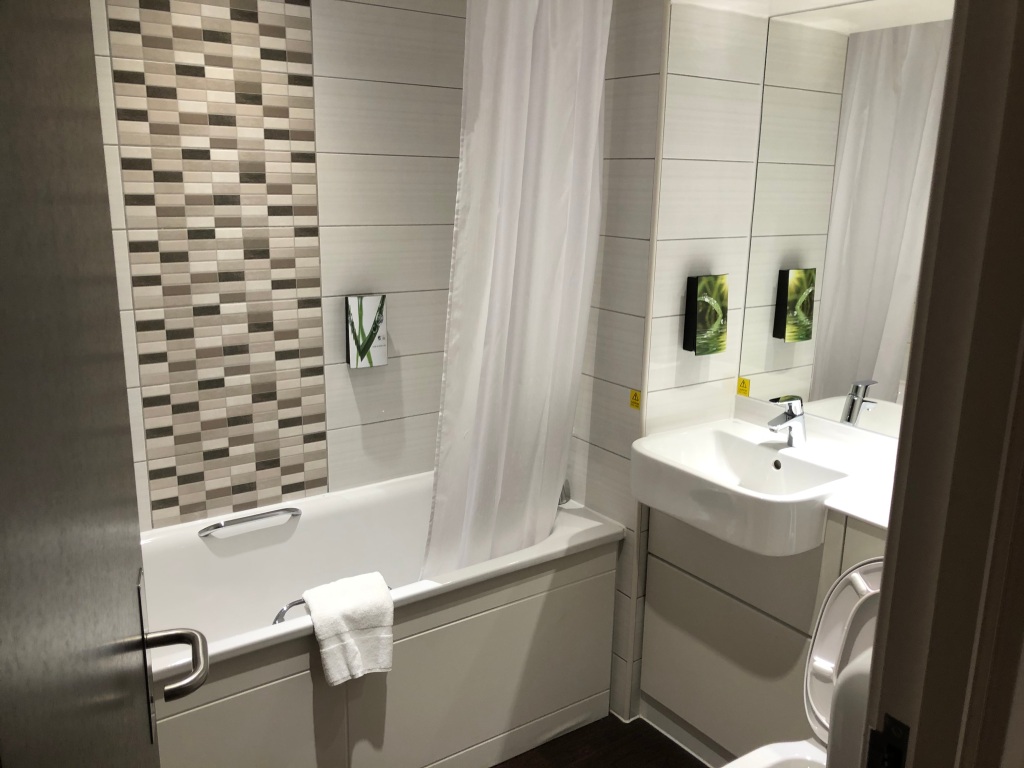
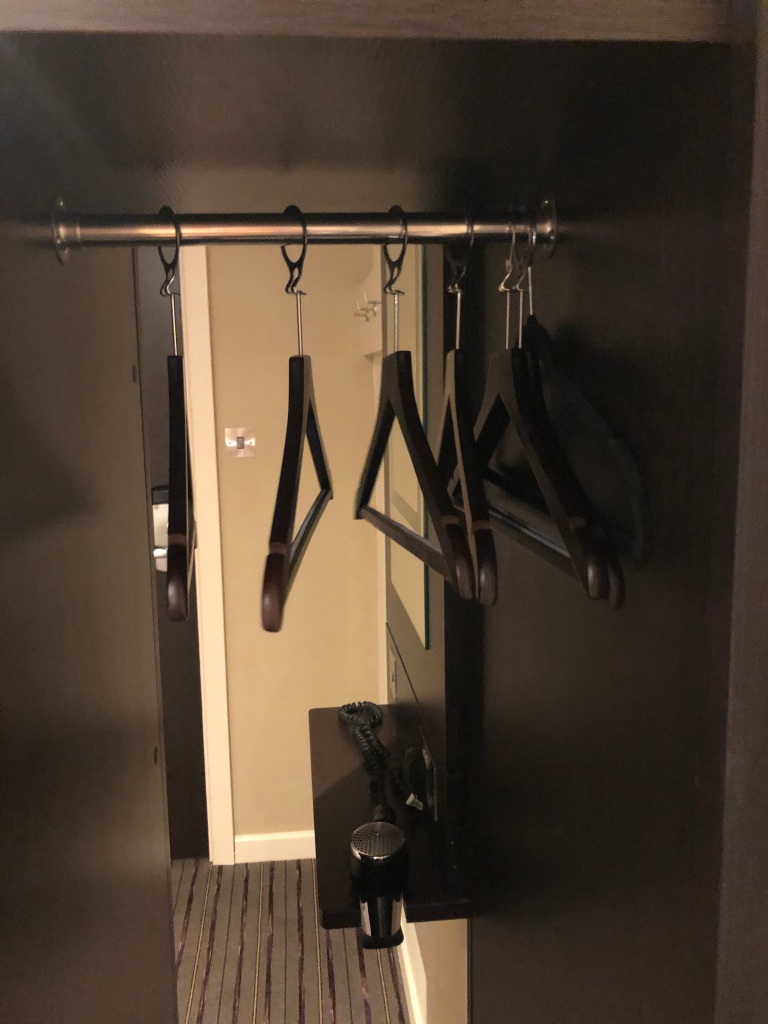
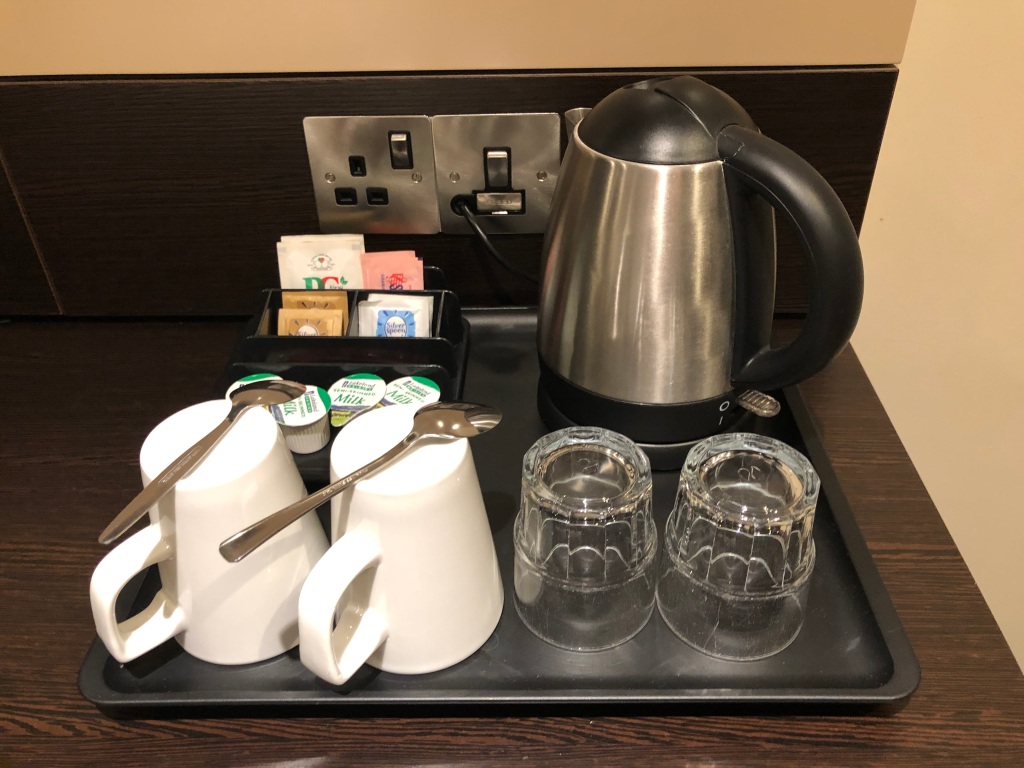
I recently had six nights away from home. Where I went is of no relevance here. Neither is the fact I stayed in three different Premier Inns as, frankly, there was virtually no difference between them. The restaurant in one of them was closed except for breakfast but that is down to a pandemic rather than design and in ‘normal’ times the experience in each of them would have been identical. That is the thing about Premier Inns. You are pretty much know what you are going to get. As most of the visitors to my blog are British it is likely that you will know too. However, for the benefit of those not native to this land and those who are but have been living in isolation for the last thirty years, here goes. First of all, programme your satnav to find the place and park your car in the carpark. This might be free or there might be a slightly annoying charge. Then get used to the colour purple. It is the corporate colours of Premier Inn. It is distinctive without being garish, at least in my opinion. There is likely to be a small reception area and if you are lucky there might be someone manning the desk. Premier Inn employees tend to be friendly but of course I haven’t had the chance to try them all out and test them on their amiability potential. You will have booked online so it’s a simple process of giving them your name and them giving you a key card for your room. In some locations you can use a machine to check yourself in and collect a key card. You are likely to need this to get through corridor doors on the way to your room. That room will likely be very familiar to you, even if you haven’t stayed at that particular Premier Inn before as it is the same as all the others you’ve stayed in. The only real differences are if you’ve chosen a family or accessible room. We will consider the normal double room. Through the door there will be a minimal amount of wardrobe space on one side and the bathroom on the other. Beyond the wardrobe is a worktable and chair. There will be sockets and perhaps USBs along the back of the table for charging your devices, British plugs only. That most British of hotel accessories, the tea tray is sat on the table. Above the table is a telly with a lot of freeview channels. On the other side is the bed. Premier Inn make a big play of their beds being of such quality that a good night’s sleep is guaranteed. That’s a bold claim but they are in my experience usually comfortable. In pre-covid times they even had a pillow menu to help you achieve optimum sleeping potential and even now you can request extra pillows if you wish. At the window end of the room there is an armchair or maybe the settee/pull out bed if you happen to have been billeted in a family room. Back to the bathroom, a bath with a shower over it (some locations have a shower only) and a sink is it. A big and a little towel per occupant is provided. Toiletries are limited to two wall mounted liquid soap dispensers rather than the usual small individual bottles, which saves the planet from plastic waste and no doubt saves Whitbread thousands of pounds. The room has an individual heating control but air conditioning is likely to be limited to opening the window. That is your room for the night or the next few days. It is nothing special yet it is somehow quite a comforting place to return to after a hard day’s doing whatever it is that takes you there in the first place. The wifi is free or you can pay to get a faster connection. I’ve never needed to do that but I guess if you want to watch Netflix on your ipad rather than freeview it might be worth the fee.

A good night’s sleep guaranteed apparently. It worked for me.
Bathroom. Don’t be fooled by the mirror, there’s only two soap dispensers.
Plenty of room to hang up your clothes as long as you haven’t brought many..
The tea tray. It’s the most important thing in a Brit’s hotel room, even more than the bed.

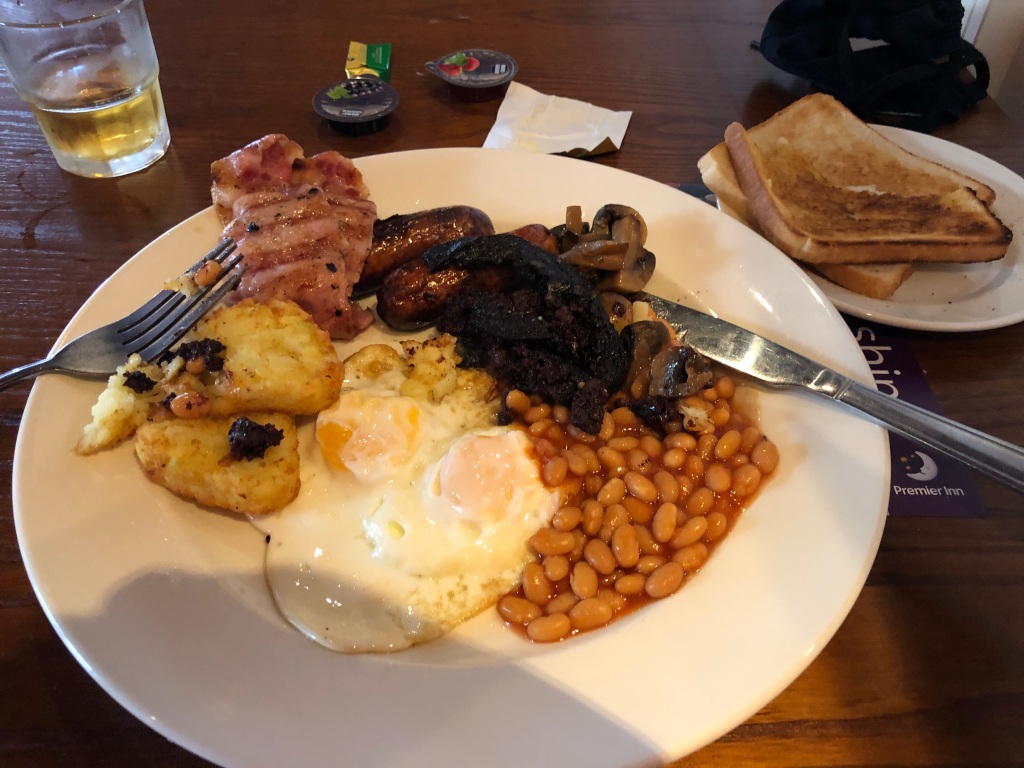
The other aspect of hotel staying is the catering. As previously mentioned your Premier Inn will either have an integral bar/restaurant or be next door to a pub which serves the same purpose. It is usual pub grub for dinner though the menus may differ. Breakfast is, however, standard across the range. For £8.99 you can attack the all you can eat buffet breakfast. The Full English (or Scottish, Welsh, Irish) is a British institution in itself and whilst other countries have seen their hotels go down the breakfast buffet line, none do it as well as in Britain. When a British person is away from home it is perfectly natural for him/her to expect to start the day with a huge plate full of highly calorific food as after all, it could be all of four hours until lunch. Whilst a bowl of cornflakes may well suffice at home, an unlimited supply of bacon, sausage, eggs, hash browns, beans, black pudding, mushrooms, grilled tomatoes, toast, butter, jam, tea, coffee AND a bowl of cornflakes as an aperitif is the minimum we expect when we are staying in a hotel. At the moment a buffet breakfast is not really ‘covid secure’ so it’s table service but you can still have as much as you dare ask the server for before embarrassing yourself. It’s pretty good value for £8.99, though if there’s a Morrisons across the road, as was the case in one of the places I was staying recently, you might be able to stuff your face with assorted piggy products and the accompaniments for less than that.

The Full English. A British Institution within a British Institution.

That is, in a nutshell, your Premier Inn experience. No need to check out, just drop your key card in the box and bugger off. Compared with other hotels, staying in a Premier Inn may seem a very mediocre experience. That belies the fact that you will (usually) have a comfortable stay for (usually) not a lot of money which thereby allows you to get away more than you would otherwise do. Not to mention the fact it’s better than Travelodge. Whitbread hit the jackpot when they decided to go into the hotel business. I doubt even they realised just how much ‘a couple of nights in a Premier Inn’ would become a British Institution.

Malta

Malte Flag complete with George Cross.

Time for another retrospective travel blog. As it happens the journey I’m focusing on this time took place just a couple of weeks after the trip to Chernobyl that I talked about in my previous blog. Other than that there is little that connects the trips. One was to a desolate, abandoned and contaminated part of the former Soviet Union, the other to a sun-baked rock in the middle of the Mediterranean. My travel companion on the latter trip was Elaine. One of the reasons we decided to visit Malta was that you could fly there from Prestwick. The thought of a ten minute journey to the airport rather than the usual 45 minutes or more to Glasgow or Edinburgh didn’t exactly clinch the deal but it made it a whole lot more appealing. What else tempted us to the EU’s smallest nation? Thinking back I’m not overly sure. We had booked a week there so we must have hoped that something interesting awaited us. There was going to be sunshine of course which we like but it was never the sole factor in choosing where to go. It turned out that a week was just about right to discover a country with an interesting past.

Malta is not a country ashamed of its colonial past.

First of all some basics. As mentioned, Malta is the smallest country of the European Union. It’s 122 Sq Miles of land is home to almost half a million people and welcomes 1.5 million visitors every year, or at least it did in less troubled times. As you might have gathered from those statistics, it is densely populated, especially in the southern half of the island. It’s situation in the middle of the Mediterranean, mid way between Italy and North Africa has made given it strategic value to its rulers over the centuries. It was a British colony from 1814 to 1964 and the effects of this can be seen to this day. They drive on the left and nearly everyone speaks fluent English, though that last point may be down to the fact that no one else in the world has the first clue as to what they are saying when they converse in Maltese, a curious mix of Italian and Arabic with a little English thrown in for good measure. Tourism accounts for 15% of the country’s GDP with the UK tourists topping the list of visitors to the island, well ahead of Italy and Germany. It’s mild in the winter, hot in the summer and if you don’t see any sunshine when you are there you will be particularly unlucky. The combination of sun, sea and sand would make it a perfect holiday destination were it not for the fact there isn’t much in the way of sand at all. Beaches tend to be rocky and not overly inviting but sun-worshipers can get their fix by the side of the pools of the numerous holiday hotels that sit around much of the island’s shoreline.

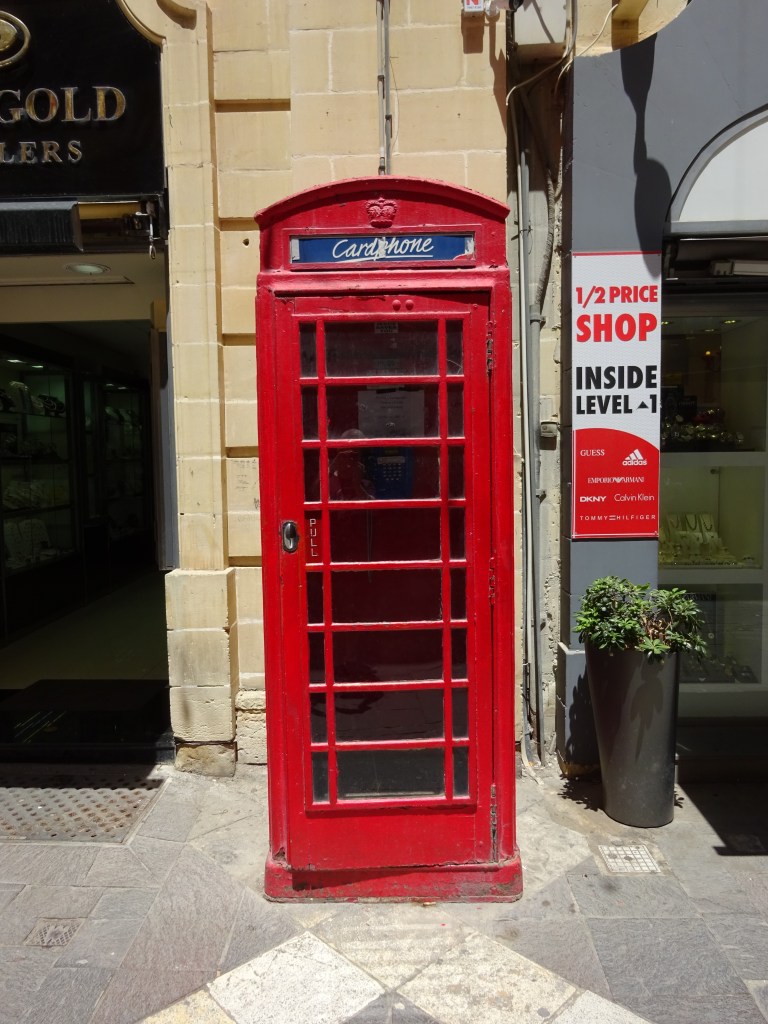
Traditional Maltese phone box.

We, being rather contrary folk, plumped for a hotel slap bang in the middle of the island in a place called Attard. It was one of the few places on the island where you couldn’t actually see the sea. It made up for this breach of tourist hotel etiquette by being a rather nice hotel. The Corinthia Palace Hotel is part of the Corinthia group and we’d stayed at their property, the Budapest Grand, the previous year. They had another hotel in Malta (they are a Maltese company) by the sea but for whatever reason (probably the price) we plumped for this one which happened to be across the road from the Maltese Presidential Palace. The presidential motorcade went past our room on several occasions. The Presidential Palace has some nice, colourful gardens too which are free to walk around which made up for the lack of a nearby rocky beach. Whilst the hotel was a hit, its location did throw up some logistical problems but being the hard-nosed travellers (hard-nosed travellers that were staying at a five star hotel mind you) that we are, they were nothing we couldn’t overcome once we has access to the Maltese Bus timetable. A twenty minute ride on a slightly disappointingly modern bus got us to the main bus station in the nation’s capital Valletta where the rest of the island was your oyster with very reasonable fares. I say disappointingly – only a handful of years earlier the buses were all ancient British Bedfords that had been criss-crossing the island since the pre-independence days. It would have been nice to experience these but I suspect the novelty would have worn off by the end of the first day. Being a fairly swanky hotel it had its own taxi rank but we only took the rather nice black Mercedes twice, one of which was back to the airport at the end of the week, as not only are we hard-nosed travellers, we can be tight-arsed travellers too.

Sedan Chair in Casa Rocco Piccola. It was a bit pricey so we took the bus instead.

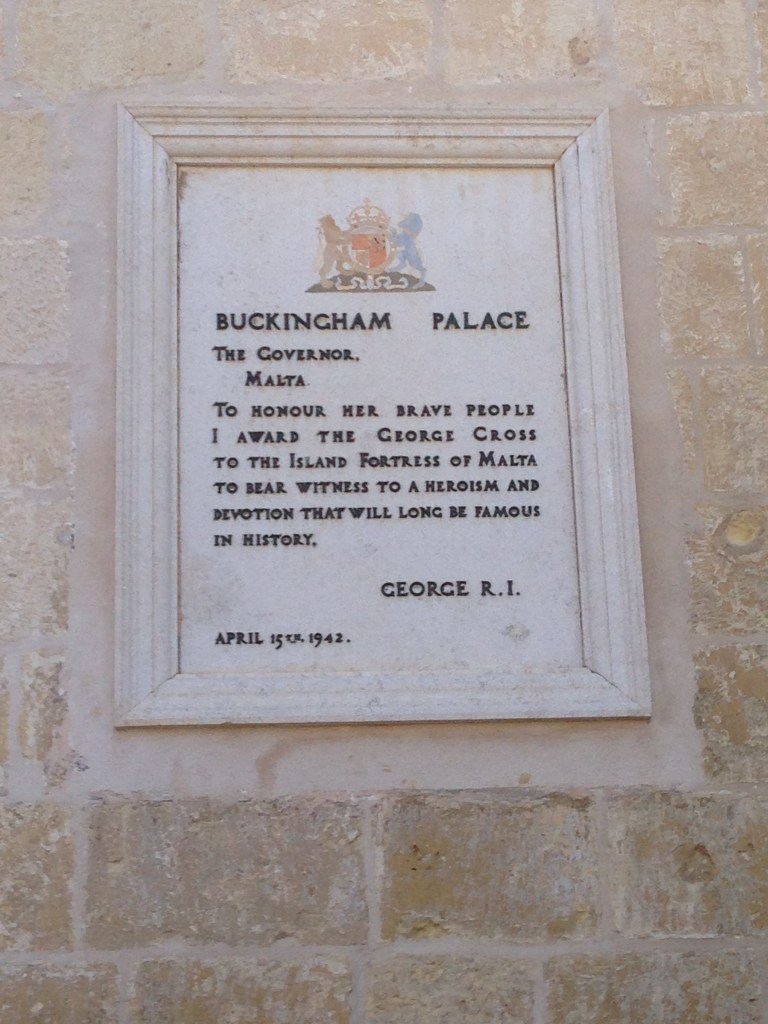
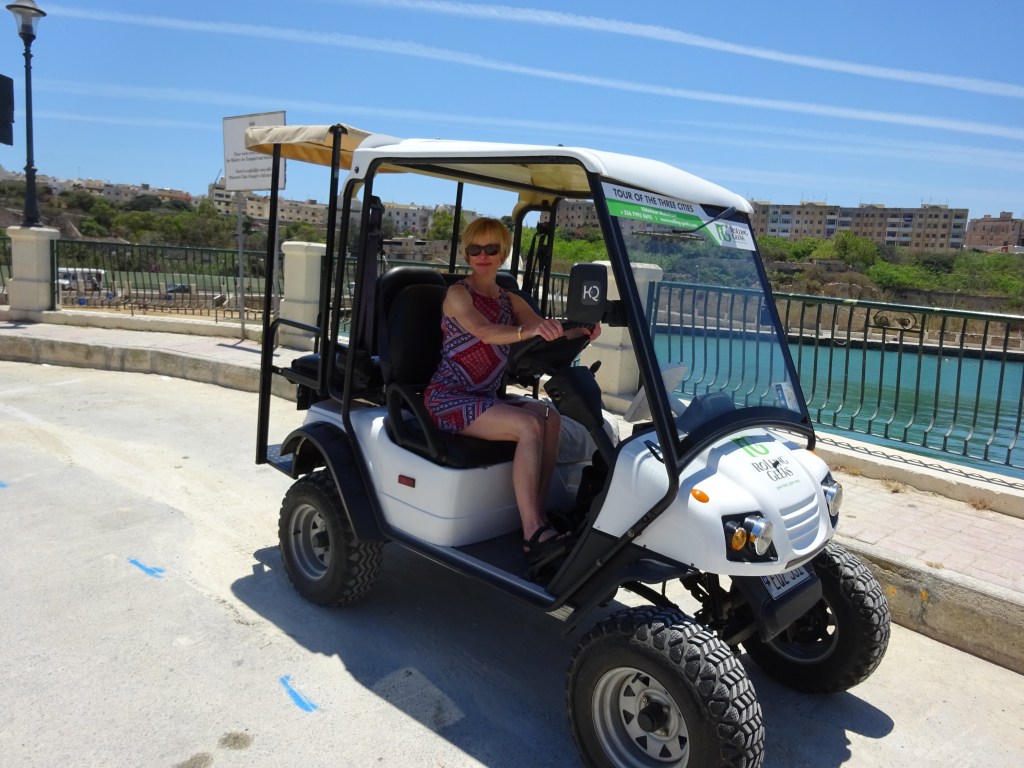
So, apart from sunshine and the presidential pansies, what else did Malta have to offer? Quite a bit to be fair. Valetta is a nice city to wander around. The main bit has the one shopping street and a number of narrow lanes and is a popular place for tourists to go. The harbour is scenic and there are old battlements and forts to discover. There was the Maltese equivalent of a National Trust property which attracted Elaine like a magnet. The Casa Rocco Piccola was indeed a grand place and well worth a visit if only to realise it’s not just the Brits who do grand houses. Malta played a heroic part in the second world war, resisting attacks from the Axis forces at a terrible human cost and there is much in Valletta, and indeed the rest of the island, to remember the conflict. Malta was awarded the George Cross for its resistance and contribution to the overall war effort. The War Rooms in Valletta tell the tale of the conflict and should be on every visitor’s to do list, if only to get an idea of the sacrifices made by the island’s population and a handful of British service personnel in the three years the island was basically under siege. Just across the harbour are the Three Cities. Vitoriossa, Senglea and Bromla are make up just some of the Valletta urban area and here operates Rolling Geeks, a rather unique self-driving tour of the area. You basically hire a golf buggy which is fitted with an ipad which acts as your guide and satnav system. It also keeps you in touch with the head office of the company who where you are tracked to make sure you are following the correct route. At the time we had an uneasy relationship with satellite navigation systems and by the end of it it was under further strain. On several occasions we got the call telling us we’d gone wrong, despite us following the ipad instructions to the letter, including one time when we were required to reverse out of someone’s garden. Eventually we managed to break it and had to wait for someone to come from head office and reboot it. Strange as it may seem it was a lot of fun and I can highly recommend it. The area is interesting, less touristy than other parts of Valletta and it is a way to sightsee that you are not likely to find elsewhere.

Valletta Harbour complete with resting seaman.
They like a balcony in Valletta, even McDonalds has one.
To commemorate the awarding of the GC and by George, they deserved it.
Casa Rocco Piccola’s back garden.
Valletta old town as seen from the Three Cities.
A Rolling Geek

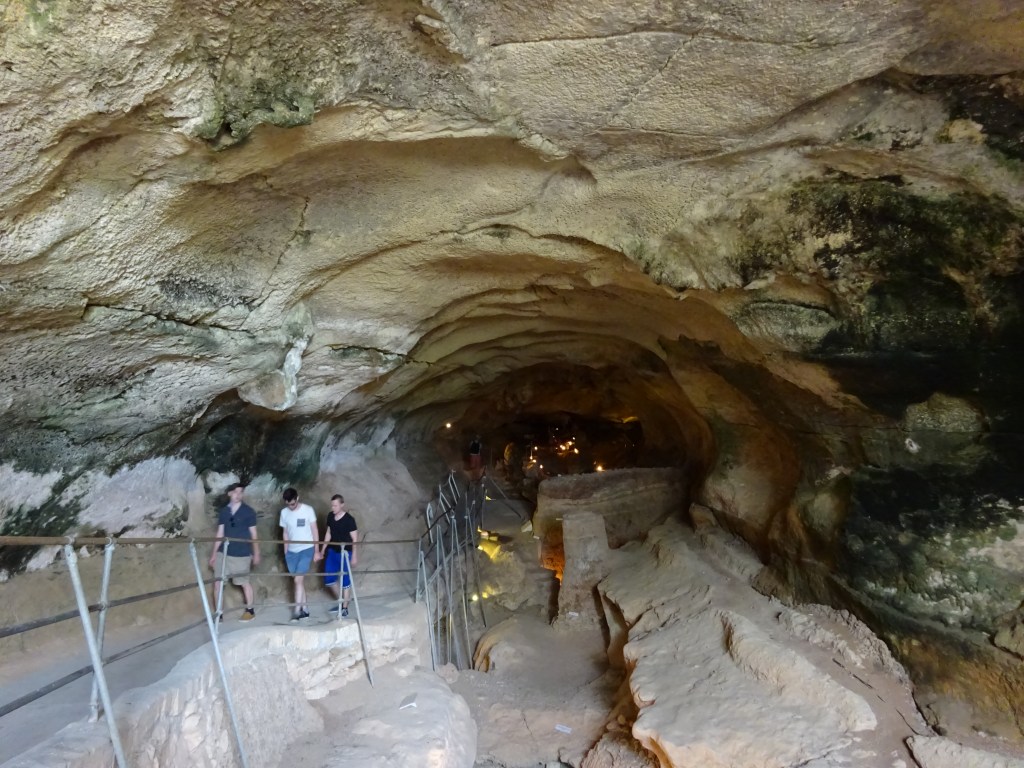
We decided to discover the south of the island on the Sunday morning. We were told that there was an open-air market in Marsaxlokk, a twenty five ride in the aforementioned Mercedes tax away. It is the only one on the island apparently. Being Brits abroad, we felt it was our duty to visit it which is odd as open-air markets across the entire continent of Europe are full of crap goods and interesting looking food displayed in less than sanitary conditions. As we weren’t in the market for food anyway it was a rather pointless visit for us. The market being a rarity in Malta, it was absolutely rammed with British tourists getting their holiday market fix. It seemed particularly popular with Geordies for some reason. Maybe you can’t get this quality of tat in Newcastle? We quickly decided that we should leave and walked the mile or so around a headland to Brizebbuga. This was a small town situated on Pretty Bay, an area of coastline that was presumably named before they built Malta’s premier container port on the other side. It was, however, nice to find a genuine Maltese town with a beach that only the locals use. Nearby were the caves of Ghar Dalam. I like a good cave system. I’ve spent many a happy subterranean hour wandering round limestone caverns in a number of countries of the world. Naturally, we had to try the Ghar Dalam cave out. I have to say it will not be going in my list of top ten caves of the world as you can only enter the first fifty yards or so but the accompanying museum and it’s collection of dwarf elephant and hippopotamus bones is testament to the prehistoric occupancy of the caves by the hunter gatherers of over 7000 years ago. Ghar Dalam is worth a visit if you are passing but I wouldn’t plan a trip to the island based solely it.

Marsaxlokk Market. Unless you are eager for red fish I’d give it a miss.
Pretty Bay. Before the container port was built presumably.
Ghar Dalam cave. This is about the sum total of it.

One of the ways to get to Ghar Dalam from the tourist areas of the island is to take the open top bus tour. It does our hard-nosed traveller credentials no good whatsoever to say that we did just that one day. There are two to choose from, north and south. Having seen some of the south already we plumped for the north. It turned out to be a reasonable way to see a bit of the island we may have missed but one of the things that appeals about this type of tour is its hop on and hop off potential. With a circuit of the north of the island taking three hours we were limited in the amount of hopping on and off we could do before boarding the last bus of the day that could get us back to the hotel, which thanks to its location next to the Presidential Palace was on the route of the tour. We did manage a stop in the town of Mosta, a busy place which contained the Mosta Rotunda, an impressively domed church. That dome was once the third largest unsupported dome in the world, something the Maltese are quite proud of, but nearly came to grief in 1942 when a Luftwaffe bomb pierced it, landed on the floor of the church and failed to explode, much to the relief of the three hundred locals gathered there for evening mass. Being a Catholic Church this was naturally elevated to the status of a miracle and they have a replica of said ordnance on display in what must be a bit of a first for a place of worship. The rest of the bus trip offered little in the way of interesting stops but it did give us a brief look at the less well populated part of the island. There’s not much of Malta that isn’t urbanised to some degree but what little agriculture they have takes place in the north and west of the island.

Mosta Rotunda. Even the Germans couldn’t destroy it.
If you look carefully you can see where the Luftwaffe bomb pierced the dome.
Not many churches have a WW2 bomb on display.
Malta is a densely populated island but there are bits of countryside left.

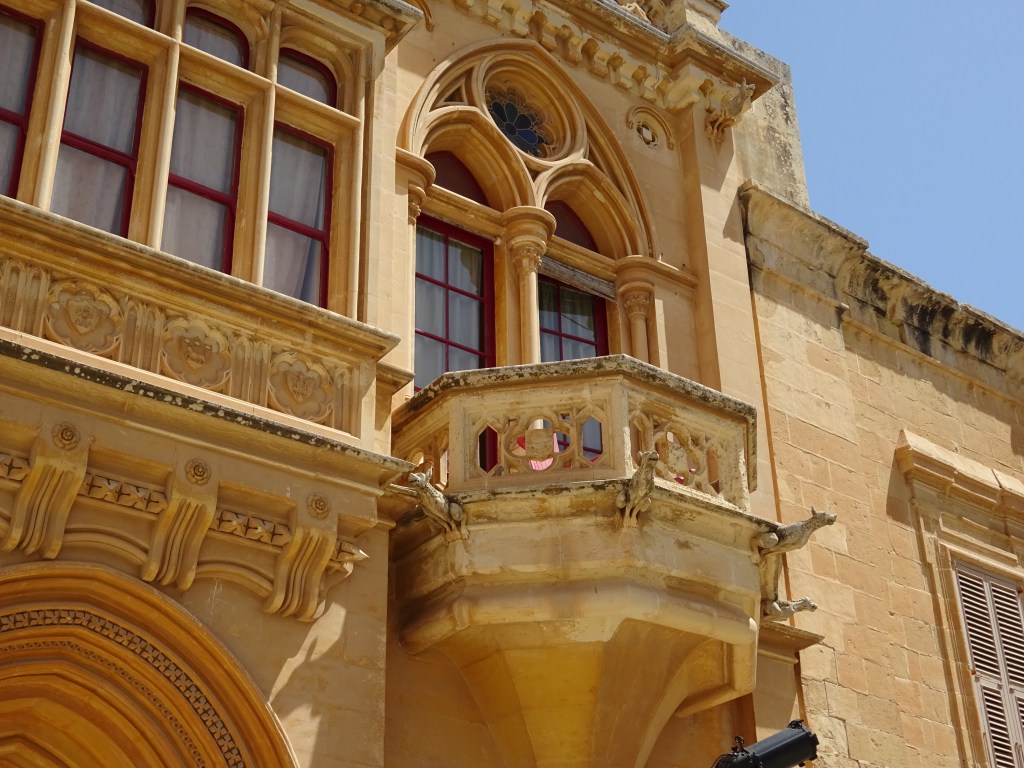
Back on a conventional bus we made the short journey to Mdina, the Silent City. Situated in the centre of the island, Mdina is a fortified city that was the ancient capital of Malta. Motor vehicles are banned within its walls, hence the nickname the Silent City, and the place is much the better for it. It is popular with tourists who fancy a day away from the seaside so there are the usual tourist shops but overall it is quite a lovely place to wander around. Norman and Baroque architecture dominates the place (I didn’t know that, I had to look it up) and the grand houses and palaces now serve as private residences and the occasional convent or other religious building. I spent a most pleasant hour or so taking photographs of knockers. Door knockers before you ask. They really are quite proud of their knockers in Mdina. You could even see a splendid pair of knockers at the convent. On the way back from Mdina, we naturally had to pop in to the Malta Aviation Museum. Situated on the site of a former RAF airfield, Ta Qali, the one the Luftwaffe were trying to bomb when they punctured the dome of the Mosta Rotunda, this museum isn’t particularly big but packs in a fair bit of stuff in telling the 100 year history of Maltese aviation. Avgeeks and military history buffs should go there and give it some support.

Mdina, from the outside.
Mdina from the inside, all Romeo and Juliette like.
Mdina: What a lovely pair of knockers.
A slightly eerie Mdina gargoyle. He’s probably looking at all the knockers.

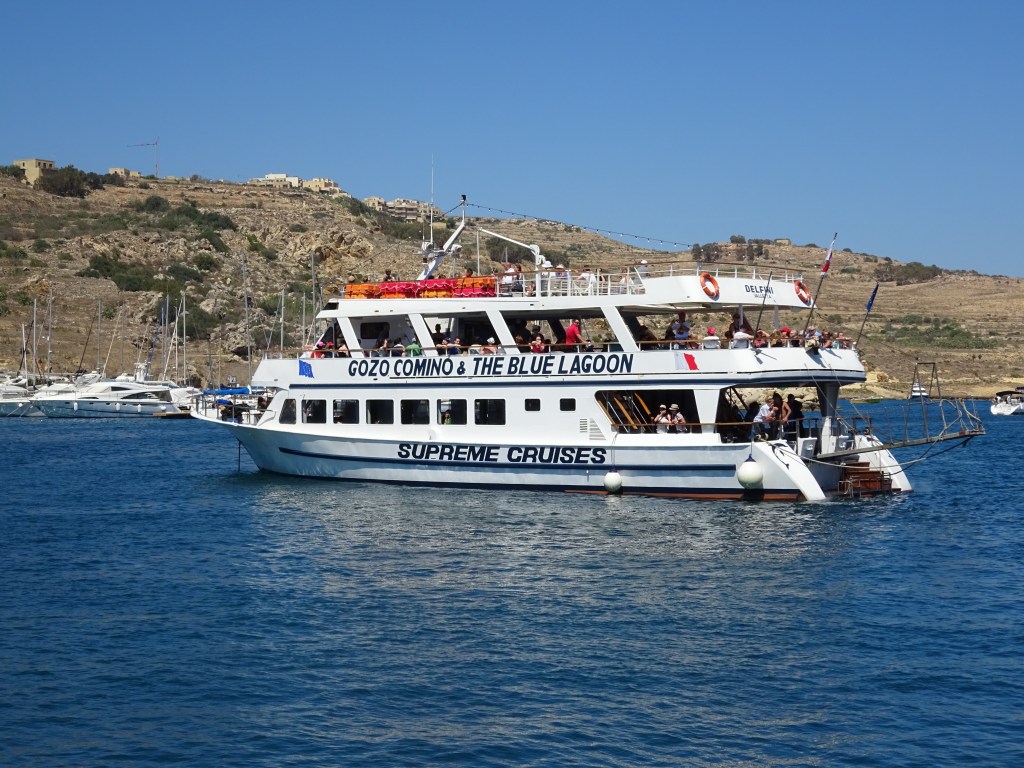
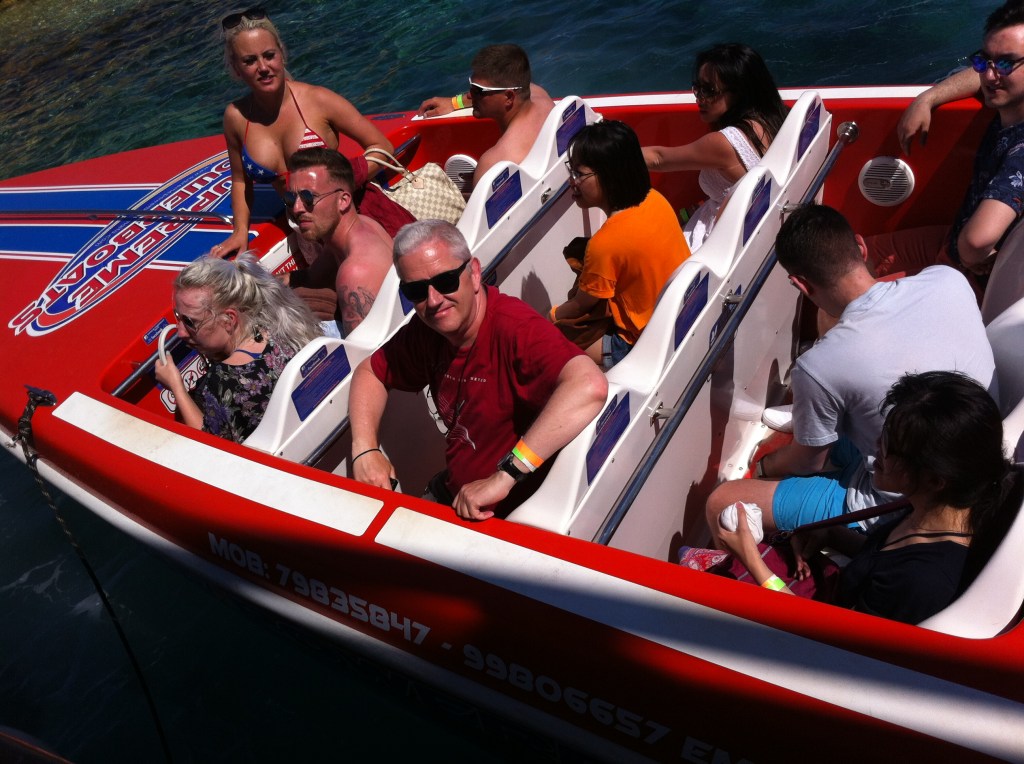
Along with Mdina, there is one trip away from your tourist hotel that most visitors will endeavour to take. The Republic of Malta is actually made up of three inhabited islands. Malta itself is the biggest of course but to the north lies Gozo, a 25 minute ferry trip away. A fifth the size of the island of Malta, it is home to around 30,000 of the nearly half a million residents of the Republic. Between these two islands lies the tiny island of Comino which, according to Wiki, has a permanent population of three. Whilst Gozo came highly recommended, there was the challenge of getting there to overcome. To retain our hard-nosed travellers credentials what we should have done was get the bus into Valletta, another bus to Kirkewwa at the northern tip of Malta, take the ferry to Mgaar on Gozo and then hire bikes to discover just what this island had to offer. What actually happened was we booked ourselves on a tourist trip which meant we were picked up at the hotel, taken to the jetty in Valletta Harbour, plonked on a boat with a load of other tourists, given wine and beer served in thimbles, and subject to the sort of music that one normally hears in the local discotheque. After about twenty thimbles of beer I stopped regretting the decision to entrust our Gozo travel plans to Supreme Cruises and started to enjoy the trip up the East coast of Malta to Gozo. In Gozo a tour bus awaited us and whisked us off to the Azure Window, an impressive natural arch as you will see by the photograph. What you will not be able to do is go there and see it for yourself. Less than a year after we got the inevitable selfie, the arch collapsed in a winter storm and all traces of the pillar and top of the arch lie below the waves. According to Google Maps the area is now called the Blue Hole, a name that is less likely to attract the day tripper, but it remains a mecca for divers who are the only people who now get to see the rocks that used to be the Azure Window. The bus then took us to Victoria, Gozo’s largest town, for an hour’s wander and a spot of lunch. After that it was back to the harbour and on to the boat for a trip to Comino. There isn’t much on Comino. The island wraps around a bay called the Blue Lagoon which is very pretty when no one else is there. Unfortunately, many tourist cruises stop there for a couple of hours on the way back to Valletta from Gozo and ours was no exception. What nearly everyone does is head to the Blue Lagoon and pay quite a lot of Euros to hire a deck chair and parasol before finding a square foot of beach to sit on. A line of mobile vendors selling everything from burgers to bucket and spades tend to their needs before it is time to return to the boat. You can get away from this by going for a walk in the hot sunshine but there isn’t much to see other than a Blue Lagoon turned pink by hundreds of sweaty torsos crammed on to a rare stretch of sand. We found a rock to sit on in the shadow of a burger van. It was a long two hours. We are in no hurry to visit Comino again. One plus of this tour was I had a chance to go for a speedboat ride. It was an optional extra but was good fun even if the force in which the boat pancaked onto the sea from time to time quite possibly compressed my spine by a couple of inches. The overall verdict of the Gozo trip was that we should have probably stuck with the idea of getting the public bus, the ferry and hiring bikes but at least we can say we have seen the Azure Window which most of you reading this never will.

See Gozo the easy way. See Comino if you have to.
The Azure Window selfie, something you won’t be able to do before you die.
The Blue Lagoon on Comino. Looks more idyllic than it actually is.
Speedboat. Not recommended for pregnant ladies, people with bad backs and pregnant ladies with bad backs.

And that was pretty much our week in Malta. We did a bit of the sunseeker stuff too but there is only so much sitting round the pool we can take. I could also mention the food but that tended to be pizza/pasta from a place near the hotel though one day we did find what was supposed to be a traditional Maltese restaurant. I had a rabbit casserole. The Maltese like a bit of rabbit. I can’t say I did, especially when presented with the bunny’s ribcage. So, what was the verdict? We had a very pleasant week in Malta but it isn’t a place we are desperate to go back to. Whilst the weather was great it isn’t the prettiest of islands. For a start it is densely populated but even the more rural areas aren’t particularly scenic. The brief glimpse of Gozo we had suggested it was a nicer looking place than its big neighbour. Having said that there are interesting things to see, some nice towns to wander around and it’s all within easy reach no matter where you are staying. The costal fringes are, of course, very touristy but as a tourist yourself you can hardly complain about this. If sunbathing during the day and partying at night is your thing then it will serve you just as well as other Mediterranean islands, the lack of sandy beaches aside, and it’s colonial past means that it is particularly suited to a British clientele. If you like history it is worth a visit too. The island has passed through numerous rulers including the Knights Hospitaller, assorted Greeks and Turks before first the French and then the British took control. So yes, it is a place I’d recommend you go and visit, if just the once. Assuming of course we will be allowed to visit anywhere in the future.

The Azure Window again, just to emphasise the point that you can’t see it anymore.