Scotland’s Railways

Back in March, not long after I’d completed my Aberdeen to Penzance mega train ride, I had a free day. Still in railway mode, I decided to head up to Glasgow and purchase a Strathclyde Roundabout ticket for the princely sum of £7.40. This gave me a day’s off peak travel on Glasgow’s suburban railways, much of which I had never travelled on before. I had no plan, just to start at Paisley Canal St station, take the short ride to Glasgow Central and choose whatever trains that subsequently took my fancy. That day saw me visit the delights of Newton, Hamilton, Dalmuir and <Neilston>, the last of which is displayed on the departure boards at Central Station with the < and > to aid passengers in distinguishing between it and Newton. Many a rushed commuter had caught the wrong train home in the past so a solution was sought and for all I know it probably works. There wasn’t much in the way of nice scenery and some of the trains were old and smelly but it was interesting getting to know some of Glasgow’s urban and suburban rail network, the largest in the UK outside of London. Having travelled on new ‘metals’ (its a word trainfans use to mean ‘tracks’ as having an extra syllable is as important as the right anorak) that day, along with some more on the earlier cross country trip, I started to wonder just how much of the Scottish passenger rail network I had not been on. I downloaded a couple of maps off the Scotrail website and a plan was formulated. It wasn’t a very complex plan: I was to travel on every mile of the network with a time limit of whenever.

Yellow highlighted lines already completed…
…with still a fair bit of the Central Belt left.

The maps showed me that I’d done a fair bit of the network as it was. Of the ‘biggies’ the West Highland Line, Highland Line, Stranraer Line, Dundee-Aberdeen Line, West Coast and East Coast Mainlines, Kilmarnock, Dumfries and Carlisle Line along with a number of Glasgow-Edinburgh lines were already in the bag so to speak. However, three major lines in the north of the country were notably absent from my tally along with plenty more suburban lines in Glasgow, the Central Belt, Edinburgh and Fife. There was also an annoying number of short branch lines to places like North Berwick and Ardrossan Harbour that would prove a bit tricky. The East Kilbride Line would have to wait as it was closed whilst being upgraded and whilst the line from Kilmarnock to Glasgow was technically ticked off, it must be more than forty years ago that I travelled on it so I was never quite happy that it counted. So plenty to do, best to crack on.

I hastily arranged a trip to Inverness to bag those lines at the northern extremity of the British railway network. I purchased a Spirit of Scotland Rover ticket for £100 with a railcard (£155 if you don’t have one). This gave me four days of travel within an eight day period on any train within Scotland with the exception of some, but not all, peak morning services. Unlike my day on the suburban railways of Glasgow, I made a plan and set off. The Rover ticket allowed me to take a leisurely route up to Inverness thereby ticking off the Glasgow-Edinburgh via Shotts line and most of the Fife lines that I needed. Annoyingly the branch to Leven wasn’t completed and I’d have to formulate a plan to do that later. In Inverness I checked in to my cheap and not exactly cheerful hotel – when in Inverness do yourself a favour and pay a bit extra to stay in hotel that isn’t the Waverley Guest House – and prepared myself for the early start the following morning. The first train to Thurso and Wick departed Inverness at 07:00 and the Rover Ticket is accepted on this route despite the ‘peak’ departure. The Far North Line takes over four hours to reach Wick having first branched off to Thurso to visit Britain’s most northerly railway station before returning to Britain’s most northerly railway junction and continuing on to Wick. I had actually done some of this line before but north of Dunrobin Castle it was new ‘metals’ for me. Once in Wick the obvious option was to return to Inverness but I had an alternative plan. I’d take Wick Airport’s one daily service to Aberdeen, thereby ticking off another airport in another potential challenge, and get a bus to the city’s station. There I would catch the next train to Inverness which meant I’d complete another line before dinner. The following day I needed to get home but not before I’d ticked off the Kyle of Lochalsh Line, an outrageously scenic trundle from the east coast to the west. I had to do this both ways before catching the train from Inverness back to Glasgow with a small detour to Alloa on the way to capture one of those annoying little branchlines I was talking about. Even in Glasgow I managed to tick off a stretch of suburban railway that might otherwise have been a bit of a pain to complete, before returning home.
The Rover Ticket still had one day left on it and a few days later I used it to do more of the Glasgow suburban lines including extremities such as Helensburgh, Gourock and the legendary Cathcart Circle. That left plenty of suburban lines still to do and through a mixture of opportunism and another Strathclyde Roundabout ticket, I ticked them off by late-May. The East Kilbride line had reopened and was the last of the Glasgow lines to be completed. This left just two small branchlines to do, North Berwick to the east of Edinburgh and Leven in Fife, the latter being a newly reopened line that had been closed to passengers following the Beeching Report on the 60s. It took me a while to get round to doing them as summer stuff had got in the way. On August 27, however, I set out from Troon via the Kilmarnock Line, thereby taking away my unease at a journey forty years ago counting towards the total, to Glasgow and then Edinburgh. There I changed onto the local service to North Berwick and removed that short branch off the East Coast Mainline from my to do list. Back at Edinburgh I changed onto a train to Leven and prepared to tick off the last short stretch of railway – only for signalling problems that saw the service cancelled at Kirkcaldy. An hour on the platform at Kirkcaldy is long enough for anyone but thankfully the issue was fixed by the time the next scheduled service came along. I got on it and a short while later we branched off the main line onto the curiously meandering line to Leven. At 15:16 the train pulled into Leven Station and my not exactly onerous quest to ride on all of Scotland’s passenger railways was complete.

Scotland’s Railways complete. Note: the carriage behind was not the one I’d travelled in.

Well, almost. Technically speaking there is a short section of track on the Fife Circle and another near Cathcart in Glasgow where passenger trains sometimes route but I’ve discounted these as they don’t contain any stations. I’ll maybe get round to doing them someday, just for the hell of it. Anyway, enough of the boring stuff, what you all want to know is what are my favourite bits of the network, where are the hidden gems, which bits are the most depressing and other stuff that might make you want to jump on a Scotrail Class 150.

Best Line

The West Coast Highland Line takes the gold medal, though it is a close run thing. The journey from Glasgow Queen Street to Mallaig is just spectacular. Sure, the Scotrail trains aren’t up to much but they’ve got big windows from which to enjoy the big country outside. Branching off the North Clyde line at Helensburgh, the line climbs high above Gare Loch and Loch Long before cutting through a gap in the hills at Arrochar. Loch Lomond is on the other side of the gap and the line heads north along its bonnie, bonnie banks to Crianlarich. There the train splits with one half heading along the Oban branch, itself quite spectacular, the other beginning the climb up to the bleak Rannoch Moor. Traversing the moor, the train calls at Corrour Station, 15 miles from the closest public road, before travelling high above Loch Treig and then following the River Spean around the north of the Ben Nevis range. After pulling into Fort William Station, the train reverses out again and branches off to the northwest, passing Neptune’s Staircase on the Caledonian Canal. Following the northern banks of Loch Eil, the train then crosses the iconic Glenfinnan Viaduct, that of Harry Potter fame, heading west to Arisaig, Britain’s most westerly railway station. The Small Isles of Muck, Eigg and Rum are visible as the train heads north to its destination of Mallaig. The journey takes five and a quarter hours. There are alternatives to Scotrail’s old DMUs though and good ones at that. You can take the Caledonian Sleeper from Euston to Fort William, waking up on the banks of Loch Lomond and having breakfast as Rannoch Moor goes by is really quite special. You can also do the section from Fort William to Mallaig steam hauled in heritage rolling stock during the summer months which is perhaps even more special, as long as it is running which it wasn’t the last time I tried it.

Hidden Gem

Ayr-Stranraer Line. This line endured thanks to a connection with the ferries from Stranraer to Belfast, but they ceased a few years ago. Stranraer Station still lies next to the abandoned ferry port. The ferries now go from Cairnryan a couple of miles up the coast from Stranraer and there is a connecting bus from Ayr Station for those relying on public transport. Luckily, closing railway lines is a particularly tricky thing to do nowadays and several trains a day make the journey to Stranraer largely devoid of passengers. It is very scenic with both coastal and countryside views and a surprising amount of wilderness to observe. You can also have a chuckle at the name Glenwhillie on the side of a signal box miles from anywhere of note.

More Scenic Lines

The Kyle of Lochalsh Line is almost as good as the West Highland Line. The scenery is just as good but you only get two and a half hours of it rather than five and a half. Like the Stranraer Line it used to connect to a ferry which is probably why it survived the Beeching Cuts of the 60s but there is a bridge to Skye now and the line is served by a mere four trains per day. Catch one though, you won’t regret it.

The Far North Line is rather spectacular in places though not as dramatic as the West Highland and Kyle lines. It is definitely worth doing though and has the feel of being on some sort of expedition rather than a simple train ride.

Edinburgh-Dundee-Aberdeen gets a mention too. Not only is the scenery great, you get to traverse two iconic bridges, the Tay Bridge and the mighty Forth Bridge.

Best Suburban Lines

Very subjective this but I rather enjoyed the East Kilbride Line when I finally got to ride on it. Unlike most of Glasgow’s suburban railway network, it seemed to pass through rather pleasant suburbs and even a bit of countryside before reaching its new town destination.

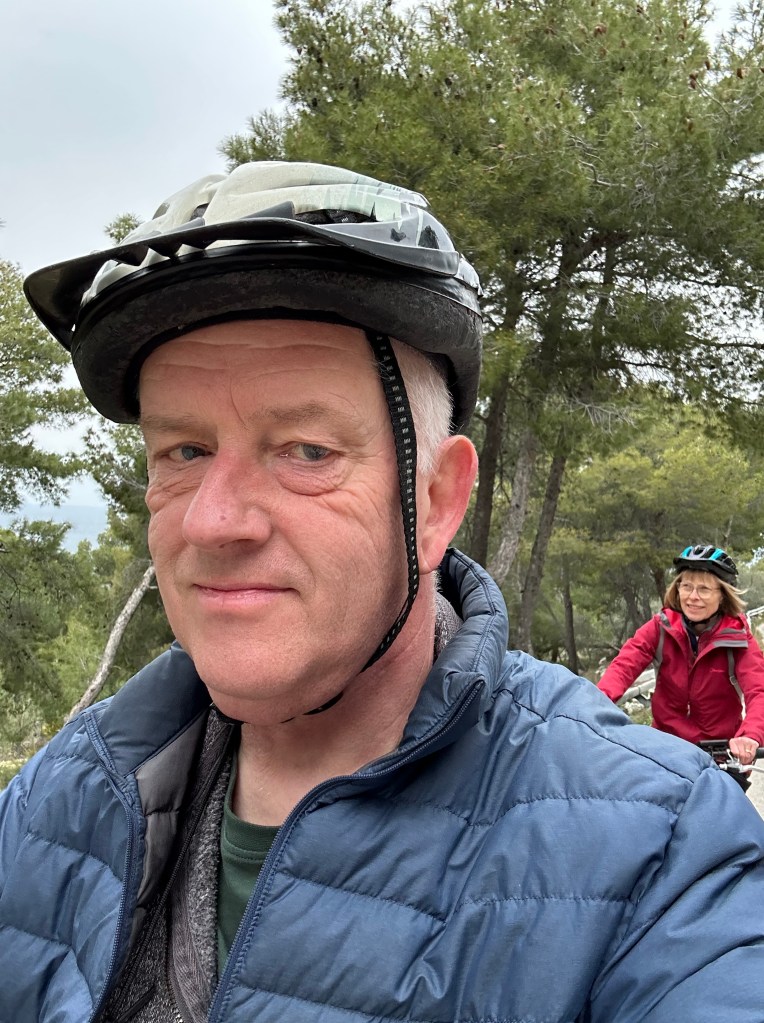
Sadly, I took no photos other than this end of the line selfie so you’ll have to take my word for it.

There’s nice views of the Clyde along the Greenock Line and also the line to Helensburgh and whilst I’m so used to it now I barely notice, the Ayr line is pleasing on the eye in sections.

Neil’s Least Favourite Lines

To be honest I don’t hate any railway line. There are some, however, that are a bit, well, sad. The Glasgow Central Low Level line utilises old rolling stock that smells vaguely of boiled cabbage, as do the subterranean stations in the middle of the city, and when they emerge from the tunnels at either end it is hardly the sort of scenery that makes you want to look out of the window. It’s a good, frequent service though so I’m not knocking it.

Argyle St Station. A bit smelly.

Neil’s Favourite Trains

Ignoring the heritage stock that does the Fort William-Malaig tourist run and non-Scotrail operators, there can only be one train that takes the crown. A train that, sadly, is unlikely to be gracing the Scottish network for much longer. That is the Class 43, better known as the Inter City 125. Back when I blogged about them in 2019 they were in the process of being introduced onto the Scottish network. Since then they have all been refurbished and their classy interiors disguise the fact that the trains are over 40 years old. Not that you really want to disguise the age of these classic trains, they have so much more appeal than the other types on the Scotrail network. They are due to be replaced soon by new, unspecified stock. You can bet your bottom dollar that the replacements will be soulless and probably have hard seats.
Neil’s Favourite Stations

Weymss Bay is the jewel in the crown of Scottish Stations. It is a Victorian masterpiece and I’ll let the pictures speak for themselves. As for a major station, it’s hard to look past Glasgow Central, Scotland’s busiest, another Victorian masterpiece but on a grand scale.

Neil’s Summary

Neil says ‘do it’ but then Neil would, wouldn’t he? I like travelling by train and find the history of the railways interesting. Like most people I enjoy gazing at spectacular scenery, unlike most people I can spend hours doing it and little else. See my Trans Canada epic journey for if you need convincing. Scotland has some lovely lines that I can’t guarantee you will enjoy them would be very surprised if you didn’t. As for the other, non-lovely lines? You may need to be a bit of a train nerd to enjoy them. Now, should I do Wales next?

Technik Museums

Last year I blogged about a River Cruise I had taken on the Rhine. In it I mentioned that I’d visited a museum in the town of Speyer. I gave scant details about it and shared just three of the gazillion photos I had taken but that’s not because I didn’t like it. It was the Technik Museum and packed to the brim with aircraft, trains, u-boats, spaceships and other bits of mechanical hardware that make gentlemen of a certain age go a bit weak at the knees. As it happens Germany has two Technik Museums, this one at Speyer and a similar one at Sinsheim, some fifty kilometres away. Naturally, I had to do the set so a plan was formulated earlier this year. As with my trip to Amsterdam to fly on a DC-3 some three years ago, I would be accompanied by my friend and fellow avgeek Graeme for this journey. A year ago we had gone to Paris to visit the Musee de l’Air et Espace, taking the Eurostar to get there, but ended up having limited time at the museum itself due to us having to rearrange our return home plans thanks to a French ATC strike. Who’d have guessed? Anyway, we enjoyed the time we had there and resolved to visit more museums full of old aircraft. The plan for this year’s old plane extravaganza was a simple one: fly from Glasgow to Frankfurt with Lufthansa, get the train to Heidelberg, stay in the Ibis hotel next to the station and on the subsequent two days take the train to Speyer and Sinsheim to visit the museums. Although we knew little about it, Heidelberg proved to be a handy place between the two museums to base ourselves. Apart from a delay at German passport control and a late running train, getting to Heidelberg proved very straight forward and we were all set for our Technik Museums adventure.

Technik Museum Speyer

There must have been a reason why we chose to do Speyer first but I can’t remember what it was. A regional transport day pass was obtained at Heidelberg station for €19 and then a regional train delivered us to Speyer’s Hauptbahnhoff in about fifty minutes. A local bus got us to the museum via the city’s rather attractive (in the spring sunshine) main street. Before you enter the museum you get sight of several exhibits, some of which are situated outside the museum’s fence, others being mounted high on plinths and can be seen from some distance away. We each purchased a ticket that covered both museums including entry to the iMax theatres at both venues. They cost €52, a saving of €6 on buying them individually. If you don’t fancy the iMax, and as the various shows have been dubbed into German you might not want to, it is cheaper to buy individual tickets, €23 at each location. Children aged 5-14 get a discount, children under 5 go free. Armed with our tickets we passed through the turnstile and entered the first display hall. The museum has two main halls and an extensive number of exhibits situated outside. As mentioned, some of these are mounted on plinths and can be accessed by stairs. The most striking exhibit is a Boeing 747-200 formerly of Lufthansa that dominates the skyline both in the museum and beyond. Equally as impressive is a massive Soviet era Antonov An-22 in Aeroflot colours so naturally we made a beeline for both of those. It is quite bizarre climbing up stars to enter these behemoths of the sky and exploring all their nooks and crannies. However, there was much, much more to see. Although we didn’t count them there are supposedly more than 70 aircraft on display at Speyer and we must have seen them all. Commercial airliners, military aircraft, water bombers, wartime transports, cold war jets, we lapped it all up. The second display hall was dedicated mainly to spaceflight and contained a Soviet Buran space shuttle, not something you will see at any other museum. In fact it is fair to say that Speyer has got aviation pretty much covered. Not quite though as you will find out later.

The museum is not all about flight though. There is a big collection of railway locomotives, displays of cars, fire engines, some maritime stuff including an old U-boat and some mechanical organs. There is also a larger number of motorbikes that share the second hall with the space exhibition. It takes at least a day to see everything. We saw most but missed out on the motorbikes. The iMax showing was A Beautiful Planet including a lot of film taken on board the ISS. As mentioned, the soundtrack was dubbed into German and my German is limited to ‘ja’, ‘nein’ and ‘auf wiedersehn’ but the visuals were good enough to keep me awake for at least half of the show. There is a large cafe for lunch and much needed refreshment – it was a warm, humid day – and a big gift shop where I managed to not buy anything. The museum was very quiet on the day we visited. I’d expected groups of schoolkids on their end of term excursions but there were none. Having been there some fourteen months earlier took nothing away from the day at all, the museum is pretty awesome and Graeme was in full agreement. We retraced our steps to Heidelberg, grabbed a burger for dinner and prepared for Day Two.

Speyer photos coming up. Most will be from my previous visit as I felt I didn’t need to take any more so I could simply enjoy the exhibits.

Technik Museum Sinsheim

Once again we purchased €19 regional day tickets and jumped on a train going in the other direction. The journey was a bit shorter and there is a station right by the museum itself. The weather was less kind to us but we managed to avoid the worst of the rain by fitting in the outdoor exhibits between showers. Like Speyer, Sinsheim has mounted some of its aviation exhibits on plinths, most of which are on top of Hall Two. Not wanting to be outdone by Speyer and its huge aircraft exhibits, Sinsheim has got not one, but two supersonic airliners on the roof. An ex-Air France Concorde is mounted next to an ex-Aeroflot Tu-144. This is unique and a big deal for aviation enthusiasts. We were both going ‘wow’ and we hadn’t entered the museum yet. Once inside the gate we set off on our voyage of discovery once more. There are slightly fewer aviation exhibits at Sinsheim but it still took up a big chunk of the day seeing them. The stars were, of course, the supersonics. Last year, in our brief visit to the museum in Paris, we got to see two Concordes side by side which was pretty special. Seeing a Concorde next to the Tu-144, given the nickname ‘Concrodski’ by the western press, was on another level. We went inside both, the Tupolev first. The Tu-144 was, by a few months, the first supersonic transport aircraft to fly. It was slightly bigger than Concorde, went slightly faster and was slightly earlier into service. Funny, that. It wasn’t a success, however, for a number of reasons. That being said it was still quite incredible being on board one, even though it isn’t going anywhere any time soon. Having said that, and you can call me biased if you want to, but the Anglo-French Concorde is just a bit sexier than the Russian Tu-144.

What else is there to see at Sinsheim? Loads. In fact if your primary focus is cars then it beats Speyer hands down. Graeme likes Formula One and told me he’s never seen so many F1 cars in one place and he’s even attended some races. As well as racers, there are hundreds of vintage cars, sports cars, military cars, American limousines and there was a special exhibition in Hall 3 about Volkswagen vs Opel. There is also a large military display with tanks, trucks, armoured cars and so on with some of the wartime aircraft included. If tractors are your thing there is a section of Hall 2 dedicated to agricultural vehicles and like Speyer, they are very proud of their U-boat, this one being from the 70s but no less cramped inside. There is a big cafe again and the iMax show was Hubble, another one with footage from the ISS but in 3D this time. Yes, it was in German and yes, I did drop off more than once behind the polarising glasses but the showing was after lunch and a pint of Museum Lager so defy anyone else not to do the same. One other thing to note was the slides. To keep those kids entertained, who might otherwise be less than enthralled about examples of old engineering, there were numerous slides from the platforms on which some exhibits stood and the ground. There was one at Speyer too, a long one down from the 747. We didn’t indulge. Having spent most of the day there we headed back to Heidelberg and decided we ought to have something German for dinner, choosing Das Boots Haus where very large schnitzels were served with a most acceptable pils lager.

Our return home the following morning went off without a hitch and we both agreed that it had been a very successful trip. It might not be everyone’s idea of fun spending two days gazing at old bits of metal but if you are the sort that likes museums full of planes, cars, submarines, space vehicles, railway engines and plenty of other mechanical things then the Technik Museums really should be on your ‘to do’ list. Unless you have already done them in which case you could do worse than do them again.

Sinsheim photos coming up, all taken on this visit.

Not many museums have two supersonic airliners enticing you in.
I’ve no idea what this is.

Cross Country

Cross Country Trains Class 220 Voyager. Looks cool. Isn’t.

Apologies for the lack of action on this blogging site. I tend to do mini blogs on Facebook, usually day by day on any trips I make. I feel this is adequate for the stuff I’m doing but I really ought to make the effort to blog about entire trips or anything that takes my fancy. It’s not been happening though and it is possible that I might wind the site up when it comes to the annual invoice from WordPress. We will see. To prove to myself I’m still in the zone for blog writing, I’m sharing with you a little trip I did recently. A year or so ago I travelled down to Stourbridge in the West Midlands to ride on the Stourbridge Shuttle, a train ride that lasts all of three minutes. You can read about it here although it was more about the reaction to it than the journey itself. It turns out that that particular train trip is the shortest in the country. Yes, there are stations closer together but the trains connecting them do not start and end there. The Stourbridge Shuttle completes an entire 0.8 mile journey between its point of departure and final destination. So what? I hear you say. Well, if that is the shortest, there has to be a longest. Once again by longest we are meaning a complete journey by one train. You could travel from the far north of Scotland to the extreme south west of England but you would have to change trains a few times. The longest single journey is, however, from the not quite far north of Scotland to the extreme south west of England. It departs Aberdeen at 08:20 each weekday and arrives in Penzance at 21:31. As the return service doesn’t go all the way to Aberdeen, the southbound service is officially the longest train ride in the country at 13 hrs 11 mins and 774 or 785 miles depending on which source you believe. I had to do it, didn’t I?

Unlike the Stourbridge experience I couldn’t do the journey to Aberdeen and back from Penzance in a day so I had to do a bit of forward planning. I’d head to Aberdeen the day before, spend a night in a Premier Inn, do the trip, spend another night in a Premier Inn in Penzance and return home the day after. All tickets and hotels were secured at the beginning of January which was handy as there was a sale on, part of Railway 200 celebrations. The hotels were inexpensive too. I’ll reveal the costings at the end. To get to Aberdeen I took the local Scotrail service to Glasgow Central, walked to Queen Street and took the Inter7City service to Aberdeen. The nice thing about the latter service was that it was on board an Inter City 125, the world’s fastest diesel train, the grand old lady of active British trains. Whilst their days of doing 125mph have past they still provide a comfortable and pleasant ride between Scotland’s seven cities despite being well over forty years old. Having obtained them from GWR and refurbished them to modern standards seven years ago, Scotrail have stated that they are going to get rid of them and replace them with something almost certainly less exciting and probably less comfortable too. This seems to be the way with trains at the moment. Whatever happens, I was glad to get this opportunity to ride in one and it delivered me to Aberdeen on time. A wander through a strangely quiet town centre got me to the Premier Inn and a handy curry house nearby.

Class 43, aka Intercity 125. Looks cool. Is.

Retracing my steps the following morning, I returned to the station in good time for the 08:20 departure. The train was sitting at the platform having arrived from Dundee earlier which allowed me to take the necessary photographs before boarding and finding my seat for the next 13.5 hours. The train was a Class 220 Voyager operated by Cross Country Trains. The train and indeed the company are not particularly well loved by the travelling public. It was a four car unit which gave it a passenger capacity that would prove woefully inadequate later. The front carriage was reserved for First Class passengers and it was here where my seat was situated. There was a not insubstantial premium to travel in First Class, an amount that was far more than the value of the included catering we were supposed to receive. It was, however, worth it for the extra amount of personal space it gave you and the fact it meant avoiding the overcrowded Standard Class carriages further back. If I was going to be on the train for over thirteen hours I wanted to be as comfortable as possible. The chair itself was nothing special – it was a bit worn and not particularly kind to the old bum but there was a bit of recline which was nice and being a solo seat there was no need to worry about facing or sitting beside some other traveller. I had read that a forward facing seat on the left hand side was the best for the views. Mine was rearward facing and on the right. I wasn’t too disappointed but I did miss out of photographing most of the interesting sights on the way which is possibly a blessing as there’s not many worth including in this blog. We departed Aberdeen right on time and were immediately subjected to a ticket check. The carriage steward came down the aisle and served us hot drinks and some seventeen minutes after departing we made a stop at Stonehaven. This was the first of 39 intermediate stations we would call at including some biggies like York and Birmingham New Street and some small ones like Ladybank and Liskeard. We would sit at some stations for a few minutes as the train crews were changed and supplies were reloaded but for most of them we spent no more than a minute. Before the second stop, Montrose, the steward handed out bacon rolls which looked a bit insipid but were not actually too bad. For the next few hours we were regularly visited by the steward with drinks and snacks. No alcohol though, my request for a beer went unheeded. I could have gone in to Standard Class and bought one from their trolly service but I wasn’t that desperate, not a 11 in the morning at any rate. The first of several notable bridges was crossed after leaving Dundee. The Tay Bridge, which we crossed seemingly at snail’s pace, impressively spans (of which there are many) the Firth of Tay and deposits southbound trains in the Kingdom of Fife where the aforementioned Ladybank is one of the small towns we would visit in that grandly named county. We left Fife by way of notable bridge number two, the Forth Bridge, possibly the most impressive piece of Victorian engineering in Britain. Like most bridges it is better seen when not on it but it is still an impressive sight seeing the bits of the structure pass by just a few feet away.
Tay Bridge, it has lasted longer than the original.
Forth Bridge. Scotland’s Eiffel Tower, only better.
My rather pathetic attempt at capturing the Scotland (unicorn)/England (lion) border.

Our first extended stop was Edinburgh Waverley where there was even enough time to stretch my legs on the platform. That brought back memories of ‘smoke’ stops on long distance trains in Canada and the USA, not that anyone could have a fag of course. The train then followed the East Coast Mainline which for some of its length runs along the coast either side of the Scotland/England border. That border was passed nearly three and a half hours after departing Aberdeen. At Newcastle we got a crew change but the galley wasn’t restocked as it should have been so any chance of something warm for lunch was gone. Leaving the ECML just to the south of York, we entered the best part of God’s Own County, the West bit. Passing through Wakefield I caught sight of the mighty Emley Moor Mast and was tantalisingly close to the place I spent my formative years. Not for long though, we entered South Yorkshire with the stop at Sheffield being the half way point of the journey. I was feeling good, if slightly peckish. The train, however, was getting busy. The seat reservations were confusing a lot of people in First Class. Back in steerage the aisles and vestibules were filling up with standing passengers. Passing through the East Midlands on what for me are unfamiliar tracks, the scenic stretches dried up somewhat. The West Midlands was no improvement, Birmingham is a huge industrial sprawl when seen from the train.

Our arrival at New Street allowed the galleys to be restocked, not that we’d find out until much later. The train was, by now, absolutely rammed which may have had something to do with the horse racing at Cheltenham. If it was not that, several gentlemen on board were going to a fancy dress party dressed as turf accountants. Arriving at Cheltenham itself didn’t improve the situation and it wasn’t until Bristol that things started to ease and Exeter before there were any unoccupied seats. Meanwhile someone discovered that there had indeed been some provisions loaded in Birmingham but the trolly service was suspended due to aisles and vestibules being blocked. If you wanted something you had to visit the galley. By the time I realised this the only hot option was a sausage roll so I had it. After Bristol the catering ended although we were welcome to raid the remaining snacks and soft drinks. Scenery wise, things had picked up after escaping the Birmingham conurbation as we skirted the cotswolds before Bristol and enjoyed a pleasant Somerset sunset after. By the time we reached Exeter at 18:45 the light had faded and the rest of the journey was completed in darkness. This meant missing seeing the stretch of line along the seawall at Dawlish, the Royal Albert Bridge and the scenic Cornish countryside. With the last three hours of the journey taking place in darkness, things started to drag. As the last few stations were ticked off, however, Penzance was getting closer and at 21:42, some eleven minutes behind schedule, we pulled into Platform 4 and came to a standstill. Britain’s longest (single) train journey done and dusted.

Your correspondent reporting from Penzance, his epic journey completed.
Penzance welcomed me when I arrived but I waited until the morning to photo the welcoming committee. The train that delivered me there is behind and just about to depart, destination Edinburgh.

That evening’s Premier Inn was just across the road from the station and a little further was USA Chicken which, thankfully, was open. It was more kebab shop than a KFC clone but it provided me a fried chicken wrap the size of a well inflated rugby ball. My hunger didn’t last long. My journey home started at 09:10 the following morning with a ride in a GWR Class 802 IET to London Paddington. This is another train that is loathed by railway enthusiasts but in reality, apart from a lack of padding in the seats, it is a decent machine on which to make a five hour journey to the capital. I was in First Class again as it only cost £7 more than Standard and I really enjoyed the journey. I got to see what I’d missed when it went dark the previous evening and then had the chance to enjoy the Taunton-Reading branch of the Great Western Mainline. From Paddington I caught the Heathrow Express which is vastly overpriced but if you plan more than a month in advance and use a railcard you can pick up a ‘bargain’. From Heathrow it was a BA flight to Glasgow, the airport bus and train from Glasgow Central to Barassie completing the trip.

Would I do it again? No, but that’s not to say I didn’t enjoy it. It’s a long old haul but that’s the point. You get to see a good bit of Britain on the way, warts and all, but the important thing is knowing that you’ve done it. I wasn’t the only one to think the same thing – there were at least five other folk making the journey for the same reason as me and that was just in the First Class carriage. A longer, newer, better catered and more comfortable train would not have gone amiss but I wasn’t expecting Pullman service. Here’s the thing though, it was just as well I did it when I did as this service is due to be curtailed in the middle of May. The train will likely depart Aberdeen and terminate at Plymouth. This will inconvenience hardly anyone other than folk like me that want to do the full journey ‘because it is there’. Its ending will, however, hand over the crown of Britain’s longest (single) rail journey to the Caledonian Sleeper’s service between Euston and Fort William. Will that be on my to do list come May? No, as I already did it five years ago. You can read about it here.

Costings:

Barassie-Aberdeen, Standard Class £22.70 (Split ticket, senior railcard)

Premier Inn Aberdeen £46

Aberdeen-Penzance, First Class £161.55 (Senior Railcard. Standard Class was £62.20)

Premier Inn Penzance £54

Penzance-Paddington, First Class £48.60 (Senior Railcard, Standard Class was £41.00)

Heathrow Express, Standard Class £6.65 (Senior Railcard, one month advanced purchase)

Heathrow-Glasgow with British Airways £58.00

Airport Bus Free (Scottish Entitlement Card)

Glasgow Central-Barassie £5 (Scottish Entitlement Card)

River Cruise

The Spirit of the Rhine. It’s long, narrow and low. It’s also hard to get a full photo of it.

It had to happen sometime. I’ve been retired for five and a half years now and I finally got round to taking that holiday favoured by retired folk, the river cruise. I’m surprised it took so long to be honest. It should, in fact, have happened two years ago. We were emerging from the covid pandemic when I caught it for the first time. Luckily for me it was something and nothing but for the people at Saga, the holiday company for those in the Autumn of their lives, it was a serious case of stay away from their boat. The holiday was cancelled four days before we were due to go. Having taken an ocean cruise with Saga last year, it was time to try again for the not so choppy waters of the Rhine this year. A cruise at the end of March was selected and we all managed to avoid catching transmissible diseases in the run up to the cruise, though by now we could have possibly boarded with ebola and no one would have been bothered. (I’m lying. If you catch ebola don’t go on a river cruise.) By ‘we’ I mean my sister Jill, mother and me. If you have read, or indeed choose to read my previous blog SAGA you will see how this threesome of travelling companions has come about and also my thoughts on Saga themselves. It’s a jolly witty read if I may say so myself! I may as well say so myself, nobody else will.

When it comes to river cruising, the choices are limited. There’s a finite number of navigable waterways in the world. ‘Normal’ cruising takes place on seas and oceans and there’s a ton of them to choose from and whilst cruise ships do tend to get concentrated in certain areas, the choice of itineraries is much greater than on rivers. In Europe you can go river cruising on the Danube, The Douro in Portugal, the waterways of the Netherlands and maybe somewhere in France at a push. The biggie, however, is the Rhine. Actually, the Danube is longer and a similarly important river cruise waterway but the Rhine gets my vote as the most important. Defining what is and isn’t the Rhine is tricky at either end of said waterway but the bit we are interested in runs from Lake Constance to the Hook of Holland and is measured in Rhine Kilometres, a unit of length that matches a normal kilometre except in one case which we will see later on. There’s 1032 of those but the first couple of hundred are not navigable. The rest, from Basel onwards, is fair game for river cruises and a surprisingly large number of commercial cargo vessels. The cruise we chose was called ‘Rhine in the Springtime’ and of the three or four departure dates available, we chose the first one of the year for the very sound reason that it was quite a bit cheaper than the others. ‘Cheap’ is a relative term. River cruises are not known to be at the budget end of the holidaying spectrum. What’s more, single occupancy of a cabin will cost you a hefty surcharge so a saving of a thousand pounds or so by taking a cruise so early it only just qualified for the ‘Springtime’ bit is not to be sniffed at.

As with the ocean cruise, Saga look after you. Included in the price is insurance and transfer to whatever port of exit you decide to use. For most folk on this cruise this was St Pancras Station where the Eurostar train would whisk them off to Brussels where a bus would pick them up and take them to the boat which was moored in Dusseldorf. We, however, took the flying option. This required us to be at Heathrow Airport for a 12:55 departure so we asked Saga’s UK travel service to take us down the day before. We booked an airport Premier Inn for the night allowing us a more leisurely short ride to the airport the following morning. We spoke to others who had been picked up at three in the morning for the flight or the train so felt the extra expense of the hotel for the night was more than worth it. The flight went directly to Dusseldorf from where we were met and sent on a short bus ride to the boat. We were welcomed on board and shown to our cabins.

Our home for the next eight nights was The Spirit of the Rhine. This was one of two river cruising boats built specifically for Saga back in 2020/1 (bad timing there), the other being The Spirit of the Danube. They promised a big upgrade in the standard of vessel Saga had been using up to then and both my mum and sister, who had been on the older boats, stated that Spirit of the Rhine delivered that promise. As for me, I had nothing to compare it with but find it hard to believe the Spirit of the Rhine could be bettered. It can carry up to 182 passengers – there were approximately 160 on our cruise – with a crew of around 40. Typical of Rhine cruisers, it is 135 metres long by 11.4 meters wide. There are 91 cabins over three decks. 20 are on the Lower Deck. Being near the water line, these have thin, fixed windows and are 14 sq metres. Nicely appointed but a little tight. On the Middle and Upper Decks the rooms are 17 sq metres and have large French balconies. A French balcony is basically a French door with a fence across it to stop you from falling into the Rhine. Other river cruiser boats manage to squeeze an actual balcony in their cabins but they are tiny and I think the French balcony is better by having that space behind the doors. Whatever, these cabins are a fair bit more expensive than the Lower Deck ones, with the Upper Deck costing slightly more than the Middle Deck, but I think they are worth the extra expense. The Lower Deck cabins might feel a bit claustrophobic after a while. I was on the Middle Deck, my mum and sister were on the Upper Deck. We were each in a designated single cabins but from what I could see they were exactly the same as the other cabins on the Middle and Upper Decks, just with one less chocolate on the bed in the evening. There is a reception amidships with the Lorelei Lounge ahead and the main restaurant on the deck below. There is a small, speciality restaurant at the stern on the Upper Deck and they’ve squeezed a small gym – two treadmills and two exercise bikes – on the lower deck. On top there is the sun deck which extends almost the full length of the boat, interrupted only by the wheelhouse which is mounted on hydraulic jacks so it can be lowered to fit under the lowest of bridges. There’s plenty of chairs and loungers and also a small splash pool if you fancy watching the German countryside going by whilst sat in warm water. That’s about it for the public areas. It might not sound a lot but there’s plenty of space for all on board. It’s not a cruise ship though, places to go are limited and theres no casino, beauty salons, bars other than the main one or theatre like on a Saga ship and certainly no surfing simulators, water slides and go-kart tracks like on the mega cruise ships. There’s a large chess board on the sun deck though…

We didn’t move from our mooring until the following morning. Such is the way with some itineraries. It was perhaps just as well as some of the passengers arriving by train had picked up a delay and didn’t get in until late that evening. The rest of us got to sample the catering for the first time. Dinner was served at 7pm. You could have gone in a bit later but with most of the passengers being Brits we all tended to file in at that time in an orderly fashion. There were tables of six and four and it was a case of taking whatever available table you fancied. Sometimes we’d share a table of six, others we got a table of four to ourselves. The menu was four courses, starter (choice of two), soup (two), main (three) and dessert (two, plus a cheese option). The food was almost without exception excellent. There was always some simple items available in addition to the mains – grilled chicken, a small steak or salmon – for those with a more delicate palate. Or, indeed, if you just fancied something relatively plain for a change. Wine, beer and soft drinks were available, all served by the very attentive staff. Portion sizes were just right, not too big, not too small. As an alternative to the main restaurant, the small Rhinefells restaurant at the rear of the ship could be booked for evening dinner. We did this on the second night. It was nice but the food was not really any different to the main restaurant. It was a more intimate atmosphere and you could observe the chefs preparing your dinner but the menu appeared to stay the same throughout the cruise so we felt there was no need to try and book it for another night. All the food on board was included in the price of course. Breakfast was a buffet with a large array of items to choose from. An egg chef prepared fried eggs and omelettes to order otherwise you just got your own stuff and tucked in. We Brits love a buffet breakfast so no one was complaining though we thought the sausages weren’t particularly great. Lunch was also a buffet with some extra items delivered by the waiting staff directly from the kitchen on request. Once again it was good stuff and allowed you to have as big or as small a lunch as you wanted. A lighter version was served in the Rhinefells restaurant. In the afternoon sandwiches and cakes were available in the Lorelei Lounge and on one afternoon afternoon tea was served in there. Drinks were also included, both with meals and in the Lorelei Lounge all day. The selection of included drinks was more limited than on a sea cruise but still perfectly adequate and we didn’t spend an extra penny whilst on board, though there were plenty premium brands available at extra cost.

Life on board the boat tended to take place in the Lorelei Lounge. Some time was spent on the sun deck, especially for the scenic parts of the cruise, but a March date was never going to see a battle for the sun beds. The lounge was a pleasant space where, as already mentioned, drinks were available from 9am to midnight and nibbles were served in the afternoon. It was the place where the cruise director would give us the appropriate information for our ports of call, the Captain introduced his staff and Michael, the resident entertainer, would, well, entertain us. He’d run quizzes, compare a few games, play a bit of piano lounge music, encourage us to hit the dance floor, tell the odd joke and also sing. He did a pretty good job at keeping most of the passengers entertained and didn’t massacre the songs from the musicals which was good. If you are used to ocean cruising, you might think the entertainment was a bit on the sparse side but for the size of ship you couldn’t really expect anything else. On a couple of evenings visiting musicians serenaded us. One was a trio from the Moselle region who performed typical German drinking songs which, like the drink, went down rather well. The other was a couple of chaps from Alsace who were supposed to perform some folk music from that region but we figured they were just giving us a few light tunes which went on a bit too long. Whatever, there was always something in the evening to help pass the time.

Resident entertainer Michael. He’s from Yorkshire you know.

River cruises are, of course, much more than killing time on the boat. Our itinerary had us visiting seven different places though we didn’t see much of Dusseldorf where we boarded. On the itinerary was Cologne, Koblenz, Rudesheim and Speyer where we then turned about and headed north, visiting Bingen and Nijmegen before we arrived in Amsterdam where we spent a full 24 hours before the cruise ended and we came home. ‘Scenic’ cruising only happened on a couple of afternoons. Between Koblenz and Rudesheim lies the Middle Rhine Gorge, all romantic castles, near vertical vineyards and picture postcard towns. Plus, with tracks on either bank, quite a lot of trains. Having cruised this section, passing the Lorelei (or Loreley) Rock on the way south, we cruised it again in the other direction which was not a bad thing. We were lucky with the weather both times. Much of the other time we were moving was in the dark and the for bits that did take place during the day, the scenery tended to be interesting rather than pretty. The Rhine has attracted a lot of industry over the years and it there’s no way of avoiding it. Passing the Bayer Pharmaceutical plant in Leverkusen isn’t going to be high on anyone’s list of ‘must see’ sights but at least we can say we’ve seen the birthplace of Asprin. The river is marked on both banks every 100m. The Kilometres are shown as a number, zero is somewhere in Switzerland, 1032 next to the North Sea. A ‘+’ sign is placed at the half KM with poles placed every 100m. The 529 and 530km indicators are, however, only 580m apart due to a surveyor’s cock up. I got as much pleasure out of seeing that anomaly as I did from seeing the Loreley rock.

The stops were all interesting with the exception of one. Sorry about that Bingen. Excursions were available at all locations but the uptake wasn’t great and the ones at Cologne and Bingen were cancelled. Some excursions were included in the price and we Brits weren’t going to miss out on them. A walking tour of Speyer and a coach trip from Nijmegen to Arnhem and ‘A Bridge Too Far’ were the first two. In Amsterdam, where we were mored a couple of miles out of the centre, we were bused into the city and took a canal cruise. In the afternoon a shuttle bus was organised for those who fancied an independent wander round the city. Those leaving by Eurostar got a bonus tour of a tulip farm on the day of departure but not those who flew. The extra paid for excursions were walking tours at Koblenz, the Mechanical Music Museum plus wine tasting at Rudesheim and the Technik Museum at Speyer. We didn’t join any of those. Mum and Jill had done the Mechanical Music Museum before and the Technik Museum was just a short way from the boat so I went myself, paid at the gate and saved twenty quid. Walking tours are a big thing on river cruises and whilst Jill and I did the included one in Speyer, it was better discovering the locations at your own pace. Saga boats even have little gizmos you can use to have a self-guided walk around most ports of call. We tried this in Bingen without much success and elsewhere we just did our own thing. In Cologne we visited the famous cathedral. In Koblenz we took the cable car over the confluence of the Rhine and the Moselle. In Rudesheim we took another cable car and mum and Jill sampled Rudesheimer coffee. I don’t like coffee but I’m sure it was delicious. In Bingen I did manage to discover an interesting crane. Sorry again Bingen. There’s plenty to see wandering round Amsterdam as I’m sure you know. Not that I saw those bits, I went on a tram ride instead.

So, river cruises, yes or no? For me the jury is still out. I think I need to take another to form an honest opinion. I couldn’t really fault Saga. Whilst I have nothing to compare it with, the boat was excellent, the staff were great, food and drink were fantastic and I fail to see how all that could be bettered. Yes, it was the first cruise of the season so there was the odd teething problem, the onboard wifi wasn’t great and a few more excursions suitable for the less mobile passengers would have been good but these are straws I’m clutching at. So why the indecision? I’m just not sure river cruising is really me. Certainly if my mum wants to take her kids on holiday again we will probably plump for an ocean cruise as there are more choices, both in terms of itineraries and what to do on and off the ship. Having said that, the Danube looks an interesting river….

Famously Dull

Me on the Stourbridge Shuttle. A perfect face for radio, also appearing in a tabloid near you.

I became famous a couple of weeks ago. Not very, just a bit, and I’m not famous any more. Andy Worhol stated that in the future, “everyone will be world-famous for fifteen minutes” and whilst my stardom was unlikely to extend round the word, it lasted a bit longer than quarter of an hour. The reason for this fame is something I find it utterly bizarre. It is a story of a dull day out I had on a chilly February Tuesday and how it touched the heart of a nation. Or maybe made a few people in the West Midlands chuckle which, thinking about it, is the more likely. The story goes as follows:

Winter is a dull time for someone with a bit of wanderlust such as me. That’s fine though, I tend to spend the time arranging trips both long and short for later on in the year when the weather has a chance of being clement. However, if I’ve nothing planned in a certain month I do like to arrange a Day Out. In January for no good reason I flew from Glasgow to Dublin, then to Heathrow. There, a bus and a couple of trains took me to Luton Airport where another flight delivered me back to Glasgow. I did visit an aircraft model shop in Hillingdon that I hadn’t been to for a while but that was just a bonus, the journey was the only reason I did the trip. A coincidence was that all three flights were 53 minutes long, take off to landing which is of no significance whatsoever but pleasing nevertheless. I enjoyed the day and decided to do something similar in February. This journey, however, would have a ‘reason’. You may not think it a good one but to me it justified the eighteen hour door to door round trip. Back in 2017 a YouTuber called Geoff Marshall along with his then partner Vicky Pipe went on a journey around Britain visiting all the railway stations on the National Rail network. There were 2,563 of them at the time. It was during this journey I learnt of the Stourbridge Branch Line. This is a 0.8 mile branch off the Birmingham to Worcester (via Kidderminster) line that links Stourbridge Junction Station with Stourbridge Town. It is advertised as the shortest branchline in Europe though this is disputed by the Germans and, strangely, the Vatican City. Whatever, it is certainly the shortest in Britain and not only that it has unique rolling stock. The Class 139 Parry People Movers utilise flywheel technology to shuttle what is a small single carriage ‘train’ between the two stations at a maximum speed of 20mph. The journey takes place almost entirely in a cutting where the most exciting thing to see is a retaining wall, and lasts three minutes. On learning about the service I decided I wanted to try it one day and that day finally arrived on February 27. To get there I decided to utilise three unremarkable EasyJet flights. The absence of a direct flight to Birmingham in the morning necessitated flying from Glasgow to Belfast and from there to Birmingham. This had the bonus of seeing me tick off another UK airport as I’d never been to Belfast Aldergrove before. From Birmingham Airport I would take a train into New Street Station, walk to Snow Hill Station then get another train to Stourbridge Junction where my experience of the Stourbridge Shuttle would commence. The journey home would see me reverse my tracks to Birmingham Airport where a direct flight would take me back to Glasgow. Due to the scheduling of the flights the whole trip, including the getting to and from Glasgow Airport, took over eighteen hours, all to experience two three minute journeys on this unique service.

The Class 139 Parry People Mover, Britain’s cutest train.

If you are still with me, and I wouldn’t blame you if you are not, you maybe wondering why? Isn’t that a very dull day out? Well yes, it is for most people. For me, however, I quite like flying and trains. I also like transport oddities and the Stourbridge Shuttle is certainly one of those. Whilst I agree that a day out like that is not for everyone, I enjoyed it and that is the main thing, eh? I realised that the dullness of this trip might be something of a story worth telling. Not here, at least not at first, but on Facebook. Facebook you see has a group called the Dull Men’s Club. It started appearing on my timeline last Autumn and it appealed to me. It is a celebration of the dull, banal and downright boring. Gentlemen (and ladies, don’t be put off by the title) telling tales of their spreadsheets, packed lunches, favourite kitchen implements etc. In fact anything that is considered dull is fair game assuming it gets past the moderators. The group went viral and there are now over a million members. Not only that there’s another group with exactly the same name which has half a million members. How annoyingly dull is that? I decided that the dull trip to Stourbridge to ride a short, dull branchline would be right up their street, especially as I’d taken three dull flights to get there and back. I wrote it up and submitted it. It was deleted by the moderators without any explanation. The following day I wrote it up again, the narrative was a bit shorter and I included three photos instead of one. I submitted it and then went out for a walk. A couple of hours later I checked Facebook. I had several hundred notifications. The write-up had been published and the group members were going crazy about it.

Leaving Stourbridge Junction. Round the curve we enter a cutting in which nearly all the branchline runs. The views aren’t great.

The responses were generally positive. A small number had a moan about me being personally responsible for destroying the planet but nearly all fell into one of two camps – one that thought going all that way for a six minute ride was actually quite interesting or another which agreed it was the dullest thing they’d ever heard. It is the Dull Men’s Group so both of those reactions are positive! After about a week the posting had received 18,700 likes, over 2,500 comments and, crucially, 607 shares. Somewhere along the line the post caught the attention of a few journalists. I received several messages through the Facebook Messenger system from folk not in my friends list. Usually when I get those there’s a picture of some voluptuous young lady who wants to be my friend and probably liberate me of a large amount of cash. These, however, were not. One was from a lady at BBC Radio WM, another from the Express and Star, the newspaper of the West Midlands. There was also one from Pre Metro Operations, the company that runs the Stourbridge Shuttle on behalf of West Midlands Trains. I’d later get a phone call from news agency SWNS. They all wanted the same thing – the reasons I did such an insane trip for a six minute ride on a small train. I happily told them my story and provided them with the same photos I’d used in the Dull Men’s Club posting. I figured they might lose interest but no, the following week I appeared on BBC Radio WM (the local radio station of the west midlands) with an accompanying piece on the BBC News website. The morning show is presented by Kath Stanczyszyn (I was relieved that I didn’t have to pronounce her surname) and we had a lovely chat about my day out in the much sought after 10:45 to 11:00 slot. I think we’ve even got a date should I ever return to Stourbridge. The Express and Star did their article about me which appeared the day following the BBC interview and got most of the details correct apart from the paragraph where they called me Paul for some reason. The day after that I hit the national newspapers. The SWNS article had been picked up by the following: The Metro, The Daily Express, The Daily Record, The Daily Mirror and, for good measure, The Stourbridge News. Each shared the article as written by the agency and included my mugshot from on board the train. The Sun also took the story but re-wrote it meaning I only got a quick mention. The Daily Mail did an article about the Shuttle in its travel section in which I wasn’t mentioned at all. The cheek! It was notable that the Broadsheets didn’t pick it up which is a bit of a shame but there you go.

Naturally I informed my nearest and dearest about my elevation to media sensation whilst some other friends were surprised to see my dull looking face looking out of the papers. The original posting in DMC sprung back to life as a few members shared the links and even photos of the Metro article that they’d seen on their morning commutes. For a couple of days people had a laugh about it. Then, no doubt, they forgot about it. Fame is a fickle mistress. Now, a week or so later, I’m just the same old dull man I was before. It was fun whilst it lasted, but not as much fun as the two three minute rides on the Stourbridge Shuttle.

Links to the articles. I’ve no idea how long these survive on their appropriate websites but rest assured they were there for a week or two.

BBC Sounds (Edited highlights of my Radio WM interview)

Kath Stanczyzszyn Show (The full interview starting at the 48 minute mark)

BBC News

Stourbridge News

Express and Star

Daily Express

Daily Mirror

The Sun

Metro Article:

I got equal billing with the dog shit on the BBC Website

My video of the Stourbridge Shuttle departing Stourbridge Junction.
The full three minute journey!
The Stourbridge Shuttle arriving at Stourbridge Town after its epic journey from Stourbridge Junction.