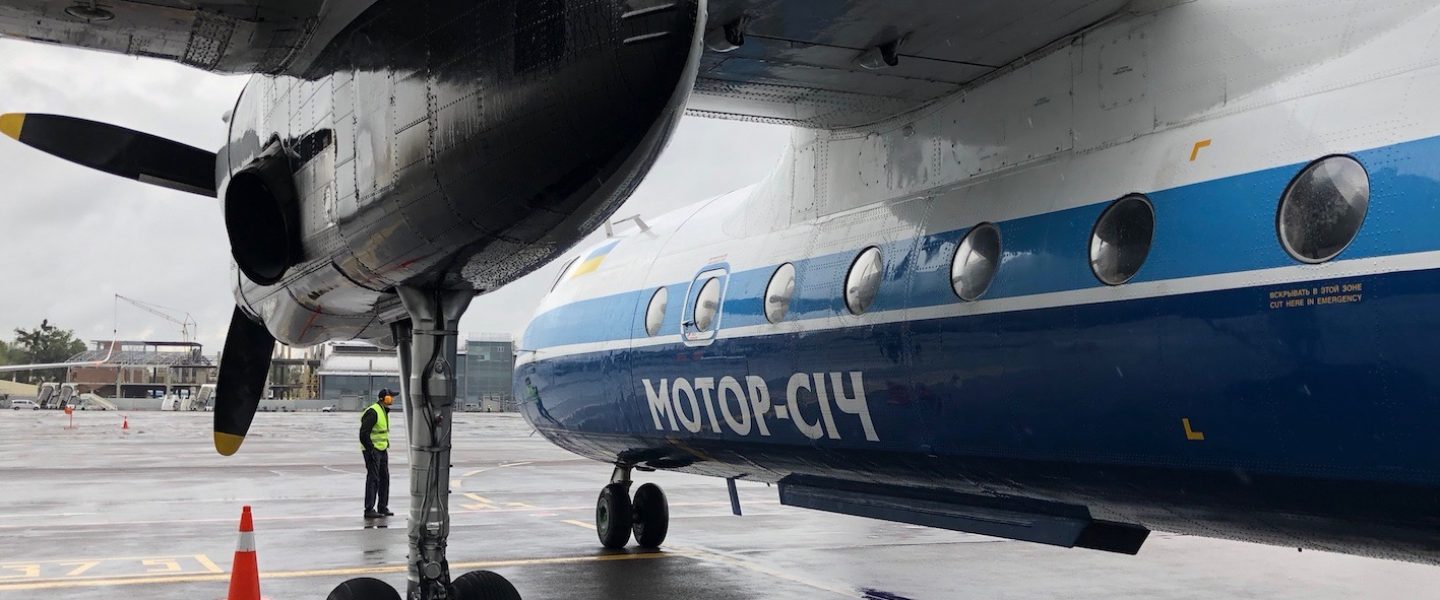

The summer of 1975 was a time of upheaval in the life of 13 year old Neil. I’d just lost my dad which is, of course, a major life changing event to come to terms with. I was a slightly awkward adolescent that had only recently become interested in aircraft, a hobby that would go on to shape my life. It was a long hot summer, the first of two in a row, and our planned holiday to Italy had naturally been cancelled when my dad died. Our holiday to Sorrento would have seen us fly to Naples from Manchester in a Dan-Air DH Comet. I never did get to fly on a De Havilland Comet and if there is an afterlife I’ll be having words with my dad about it. Anyway, in that hot summer of ’75 there was a song that reached Number One in the charts called ‘Barbados’ by a couple of English blokes that called themselves Typically Tropical. It told the tale of a West Indian London bus driver who couldn’t wait to get back to Barbados, in the Sunny Caribbean Sea. What’s more, it had significant aviation content with announcements from Captain Tobias Willcock of Coconut Airways. That, along with its outrageous catchiness, has made it stick in my mind for the past fifty years and I will refer to the Caribbean Sea as the Sunny Caribbean Sea to this day and have probably done so in previous blogs. Here’s the song if you would like to be reminded of it.
Why do I bring this up now I hear you ask. Well, some fifty-one years later we went to Barbados. Whoa! The story really began nine or ten months ago. Elaine and I were approaching our 40th wedding anniversary and felt we’d rather like to go on holiday somewhere with the kids. We had done this a couple of years ago when we had a week in Mexico over the New Year and enjoyed it so what better excuse than to do it again. With daughter Rebecca living in the far west of Canada we started looking for somewhere equidistant for us to travel. Barbados fitted the bill almost exactly (Troon is 200 miles closer to Barbados Airport than Victoria, less than 5% of the total distance). We were initially a bit hesitant about visiting the Caribbean having had a family holiday in St Lucia in 2001. Whilst there was nothing wrong with the place, we didn’t really enjoy it. I’ve been to Antigua in the meantime for the cricket – Calypso Collapso – which was great (apart from the actual cricket) but I don’t think there was quite enough there to keep us occupied for ten days. Barbados, however, came with the recommendation of a couple of friends of ours who have been there on multiple occasions. We found that we could hire a villa that could comfortably fit our party of seven and booked it for the end of April just as the Caribbean peak period had ended. That saved us quite a bit of money. We then booked the flights, found some flights for Rebecca and Harry that arrived at a similar time to ours and booked them too. All we had to do was pay the accommodation balance, sort out some other bits and pieces and turn up at Glasgow Airport on the 19th April, the actual day of our Ruby Wedding anniversary. Our son Nicholas and his friend Mollie were there to join us on the 07:30 flight. That flight got us to Heathrow where we had to transfer from Terminal 5 to Terminal 3, meet up with our friend Caryn who was joining us on this adventure and catch flight BA255 to Bridgetown Grantley Adams Airport. Meanwhile, Rebecca and partner Harry flew overnight from Victoria to Toronto and then onto Bridgetown beating us by an hour and a half. Part of booking the villa early was complimentary VIP arrival service which meant someone met us off the flight and guided us through priority lanes at immigration and customs which was great as the airport was a bit busy at the time and we were last off the plane. The VIP arrival people also made sure we met up with Rebecca and Harry and called the minibus taxi we had pre-arranged to collect us and take us to the accommodation. Charlene, whose taxi had an impressive gear stick, duly appeared and a 45 minute drive took us to our villa.
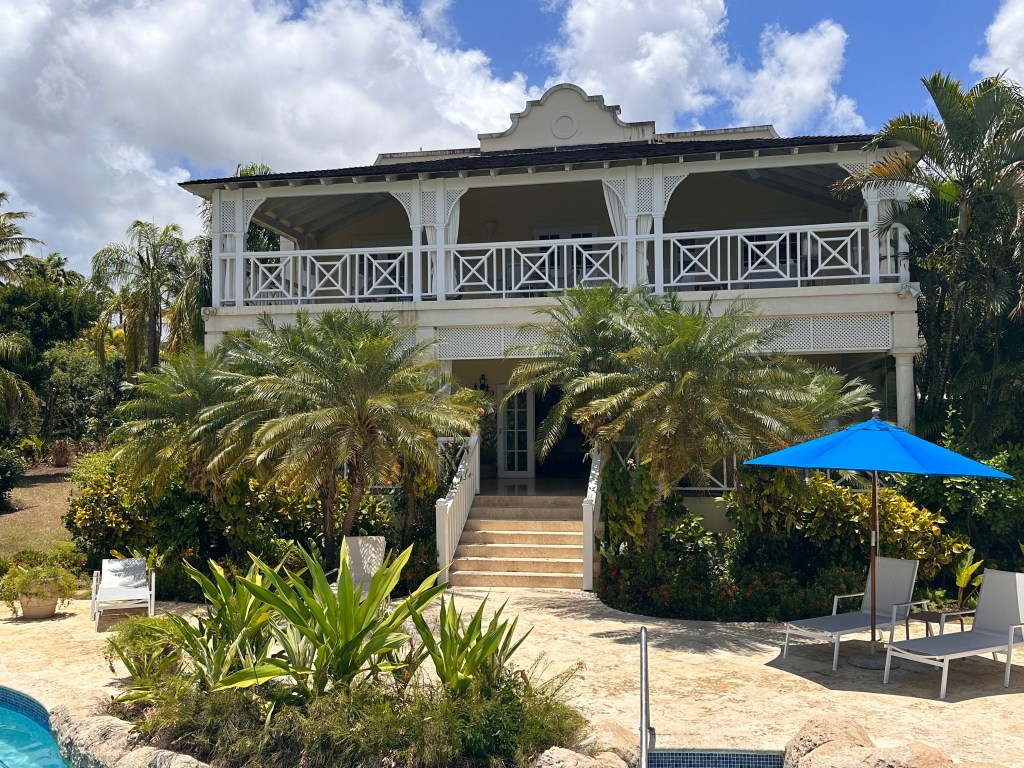
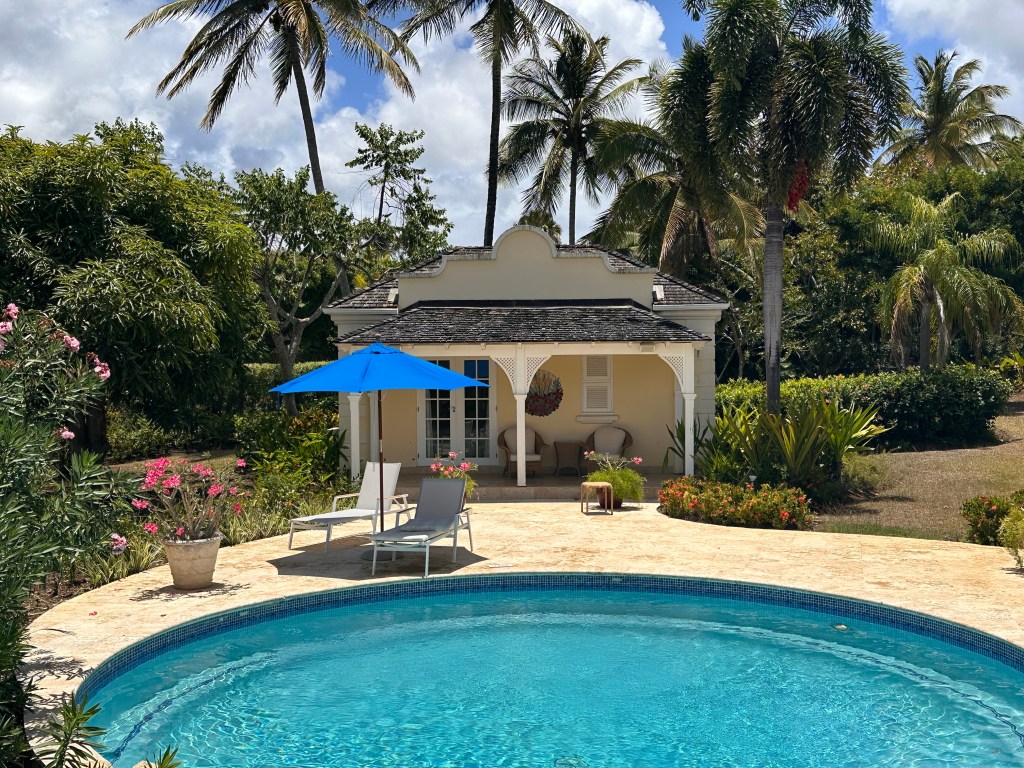
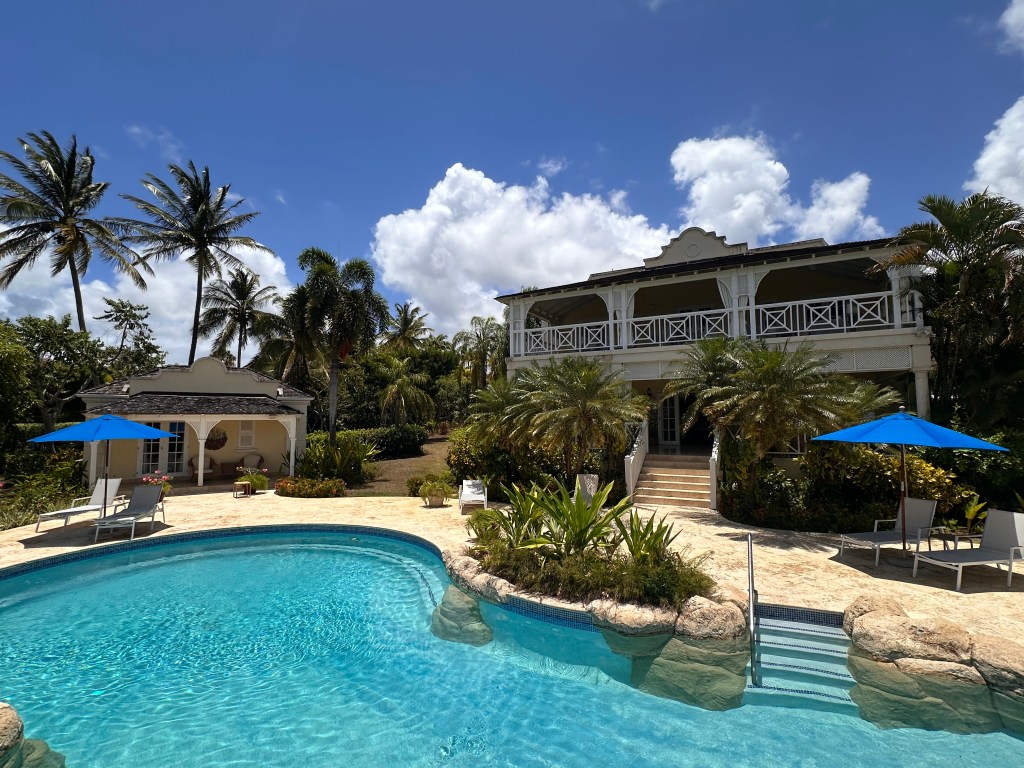
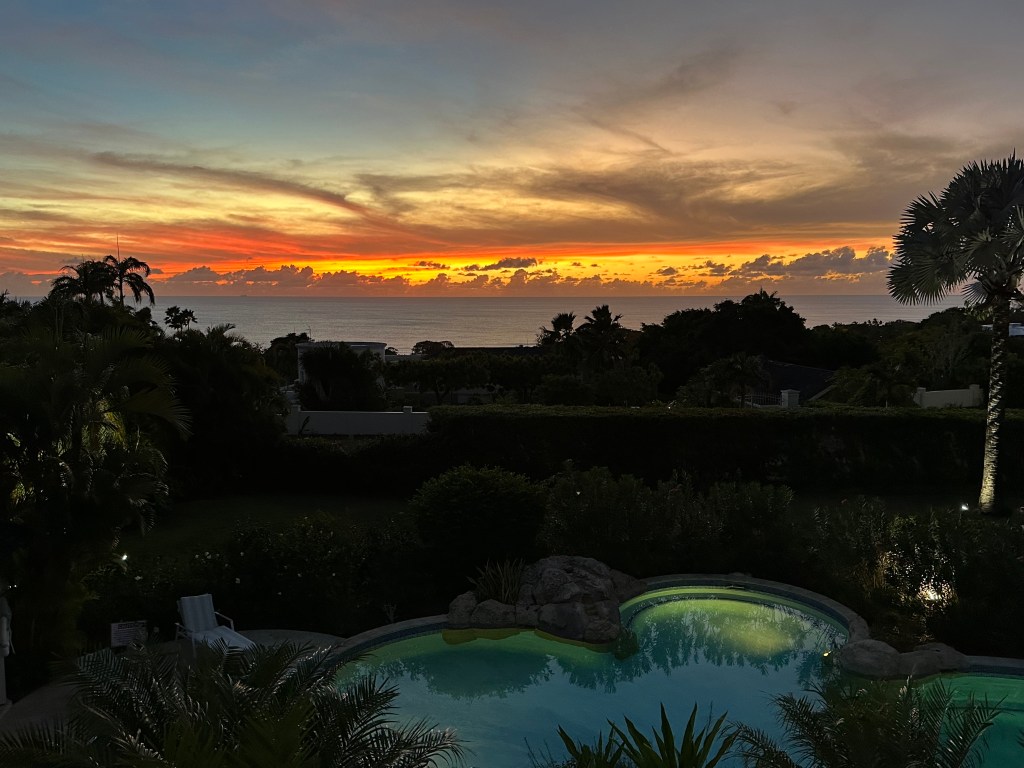
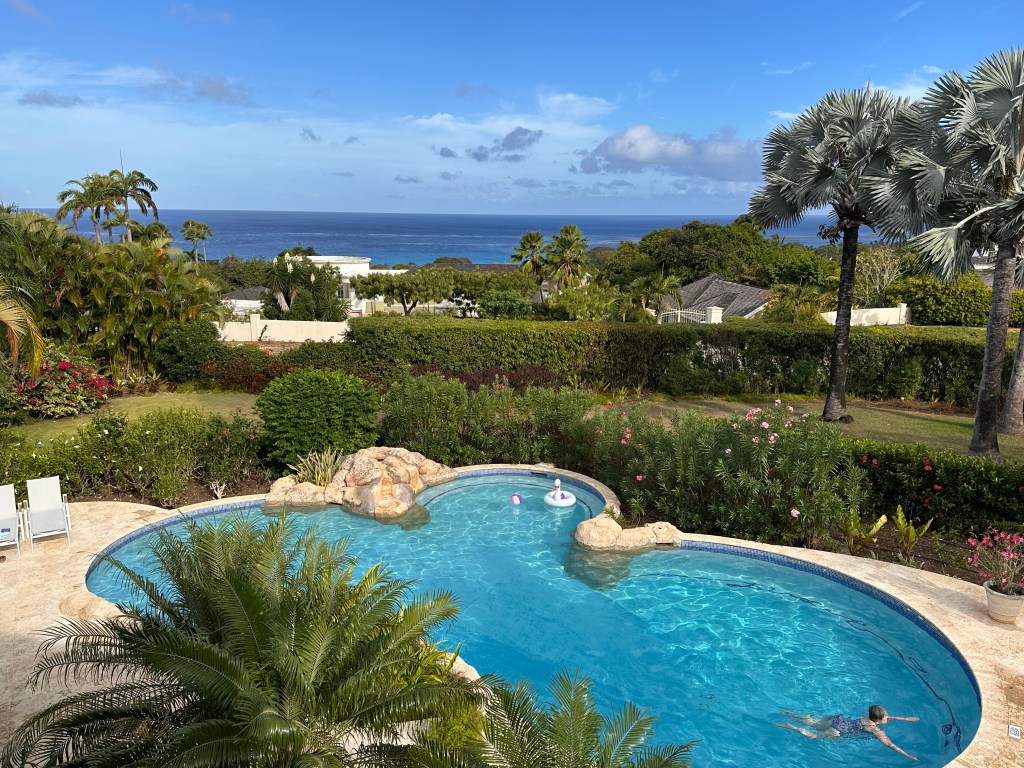
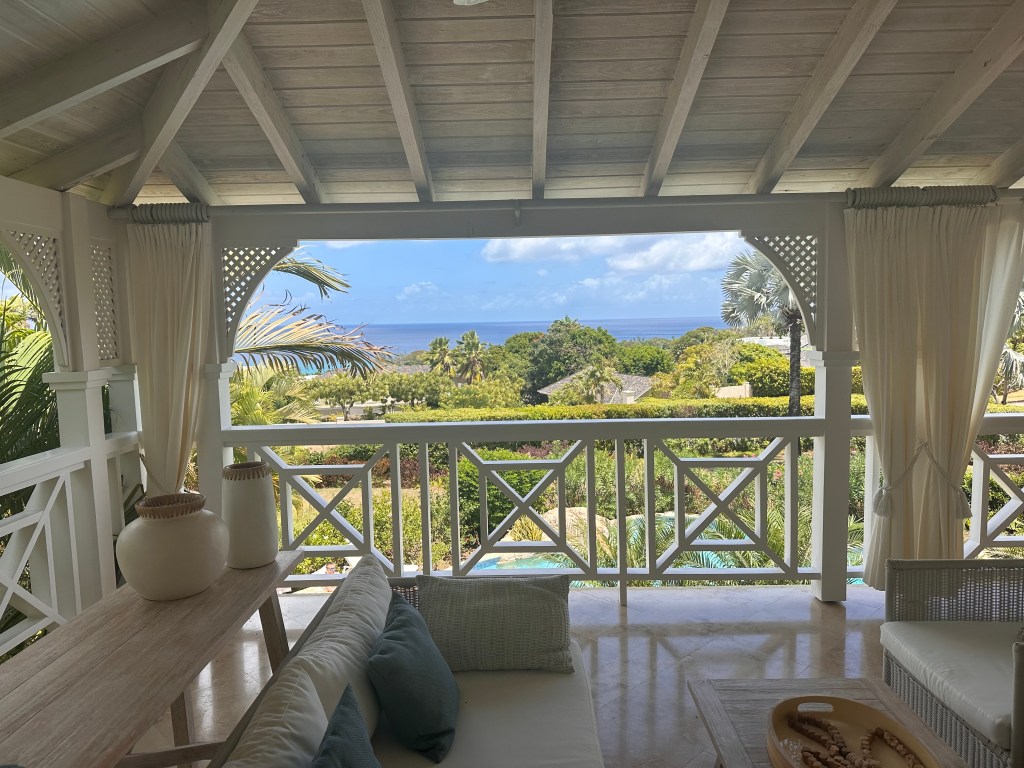
Villa? Yes, we had hired a villa though it could also be described as a big house. When we were planning this break we had considered hotels, all-inclusive or not, Airbnbs and any other type of accommodation you can think of with the possible exception of tents. We came across a number of companies that offered villas with pools. They looked fantastic as they always do on the websites and we were severely tempted to get one of them. They are not cheap but they accommodate a lot of people. What’s more, they all appeared to come with staff. Some provided you with a cook and housekeeper. Slightly superior properties gave you a chef and butler. We narrowed it down to two, one of each and in the end plumped for the former. It wasn’t because it was a bit cheaper, welcome though that was, it was down to the fact it had a fresh water pool rather than saltwater. The villa was called Calliaqua and was situated on Sugar Hill Resort near the town of Holetown, midway up the west coast of Barbados. We booked it through a British based agent called Hammerton Barbados which as the name may suggest, specialises in Barbados villas. They answered our many queries but even so, we had a bit of trepidation when we arrived. Would the villa be ok? How would it work with the staff? What would be for dinner when we got there? We needn’t have worried of course. The villa had five bedrooms. Well, to be precise, the villa had four bedrooms and a cottage by the pool that can, and was, used as a fifth. Prices are tiered for three, four or five bedroom occupancy. Rather than give you the full brochure description I’ll give you a link to the listing on the Hammerton website as they do it better than me. I will only add that we were not in the least bit disappointed. Villa Calliaqua.
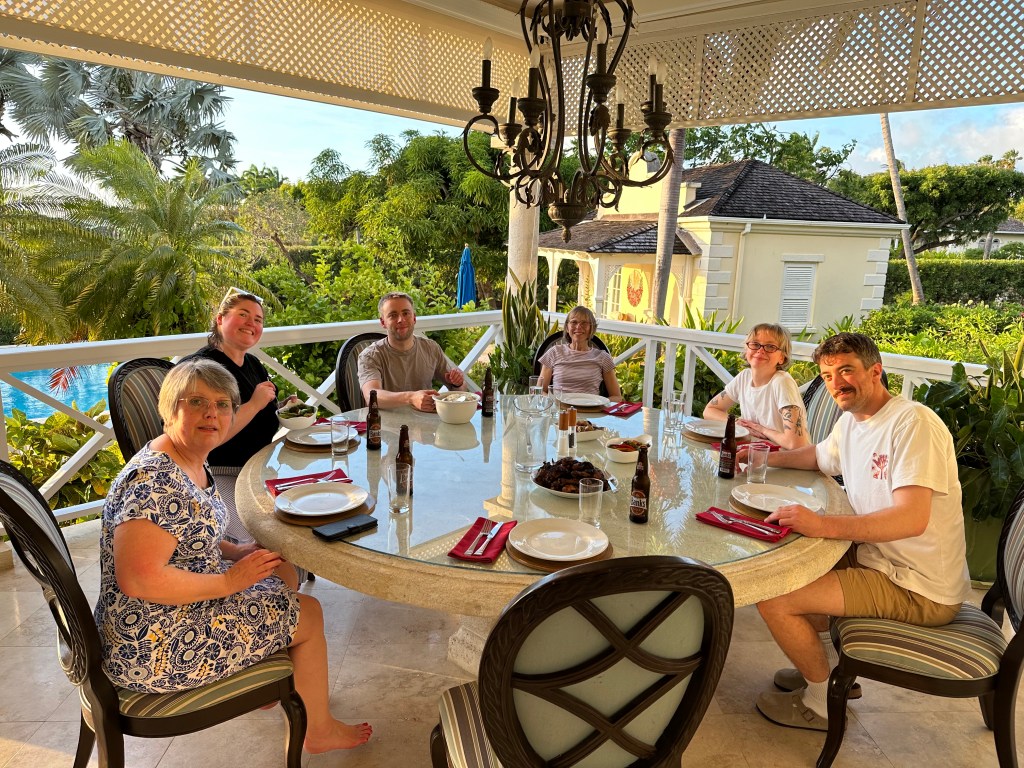
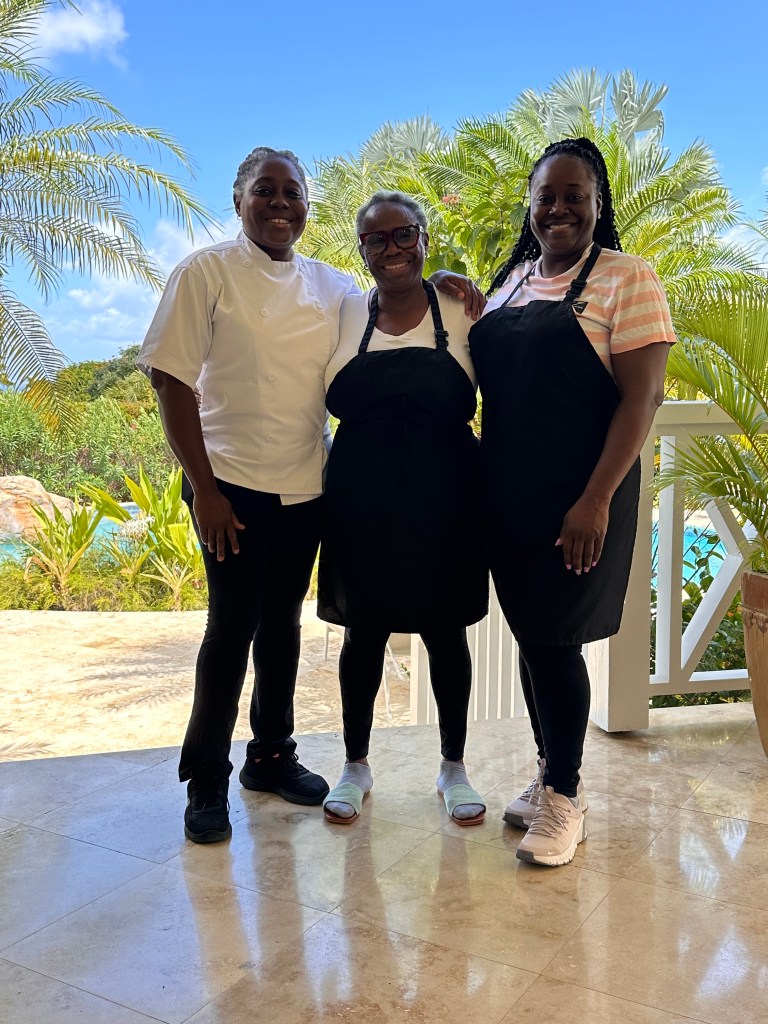
The ‘staff’ were there to greet us. I’m going to stop calling them ‘staff’ from now on as that does them a disservice. The idea of having people ‘to do’ for you might make you feel a bit uneasy, harking back to colonial days. Our ‘staff’ were people and wonderful people at that. Celeste and her daughter Anika were the housekeepers. Janelle was the cook. All three worked eight hours per day, six days a week based in the kitchen and utility rooms which got rather hot. On some days we altered the hours to give them some extra time off which was the least they deserved. Housekeeping included getting your laundry done daily – had we realised we could have packed much lighter! – whilst Janelle would produce three hearty meals a day if we wanted, breakfast, lunch and dinner. She would have shopped for the food too had we wanted her to though after the first visit we tended to visit the local Massy’s supermarket ourselves to get the supplies. We decided on the menu when we first met her. This was basically for her to cook local dishes as she saw fit. Local dishes are good! We did have some requests like pizza for lunch one day and pancakes (crepes) for breakfast but most of the time we left it up to her and were always more than happy with what she made for us. Tipping culture is a thing out there and there were suggested amounts, purely at our discretion you understand. However, we had no hesitation in generously tipping these lovely ladies at the end of our stay. They had made a good holiday great and deserved it.
We were there for ten days. Just what do you get up to for ten days in Barbados? Naturally, a lot of time is spent relaxing either on a golden, sandy beach or by the pool. The villa’s pool was really good so we tended to sty there for chill time. Chill is a bit of an oxymoron of course, Barbados is just 13 degrees of latitude from the equator, right in the tropical zone and has temperatures to match. Never too hot though. During our stay the daytime temperature was in the low 30s celsius. That heat did generate clouds so the sunshine wasn’t uninterrupted but we only suffered rain on a couple of occasions. Peak time for Barbados is from Christmas to Easter where the temperatures are a degree or two lower and the humidity is less but no matter when you go it is going to be warm. We were there at the end of April, taking advantage of off-peak prices but still before the rainy season or the humidity got oppressive. Sitting in the sun, or indeed the shade along with mucking about in the pool is all well and good but doesn’t make for an interesting blog so it is just as well we did some other stuff too.
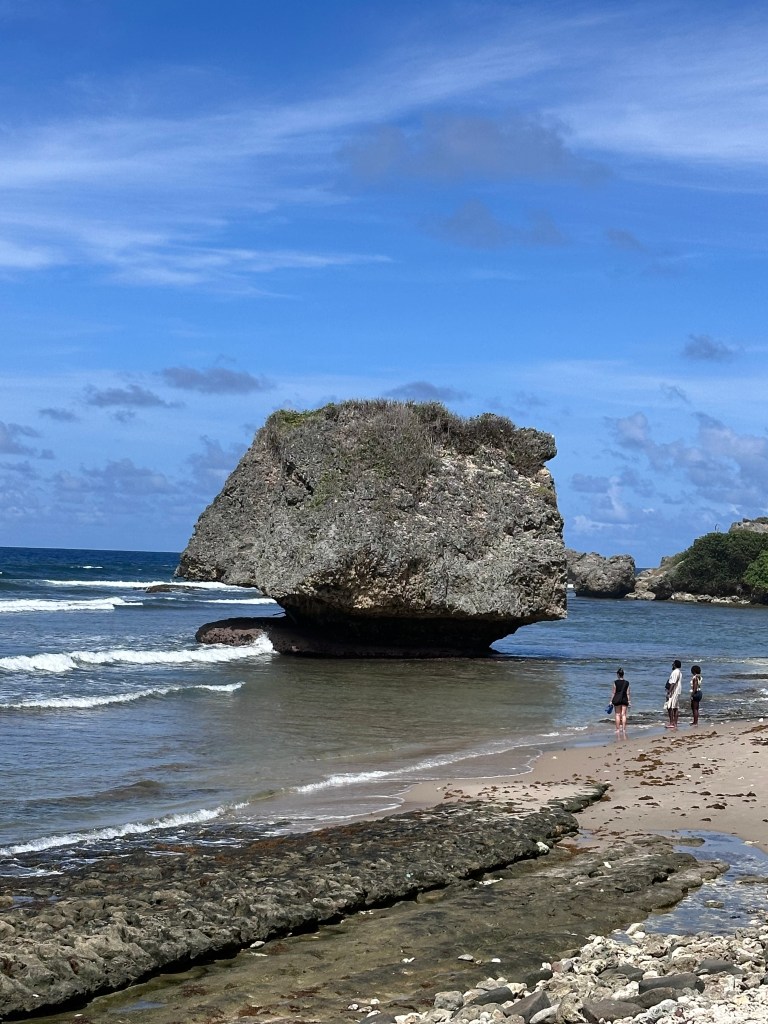
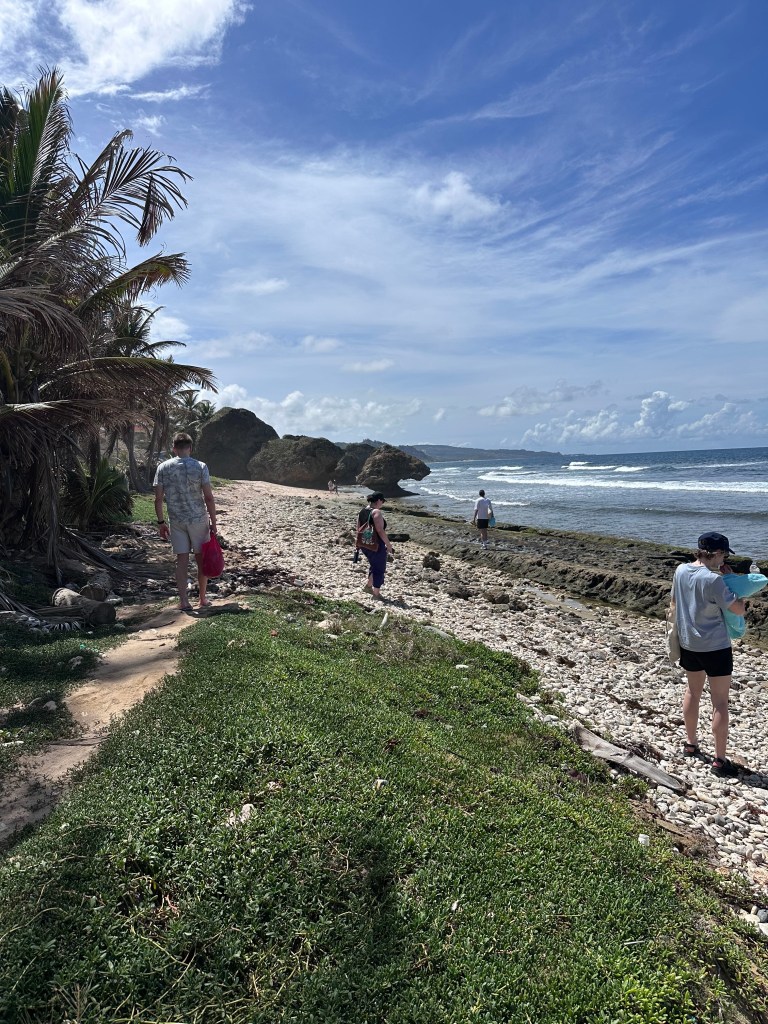
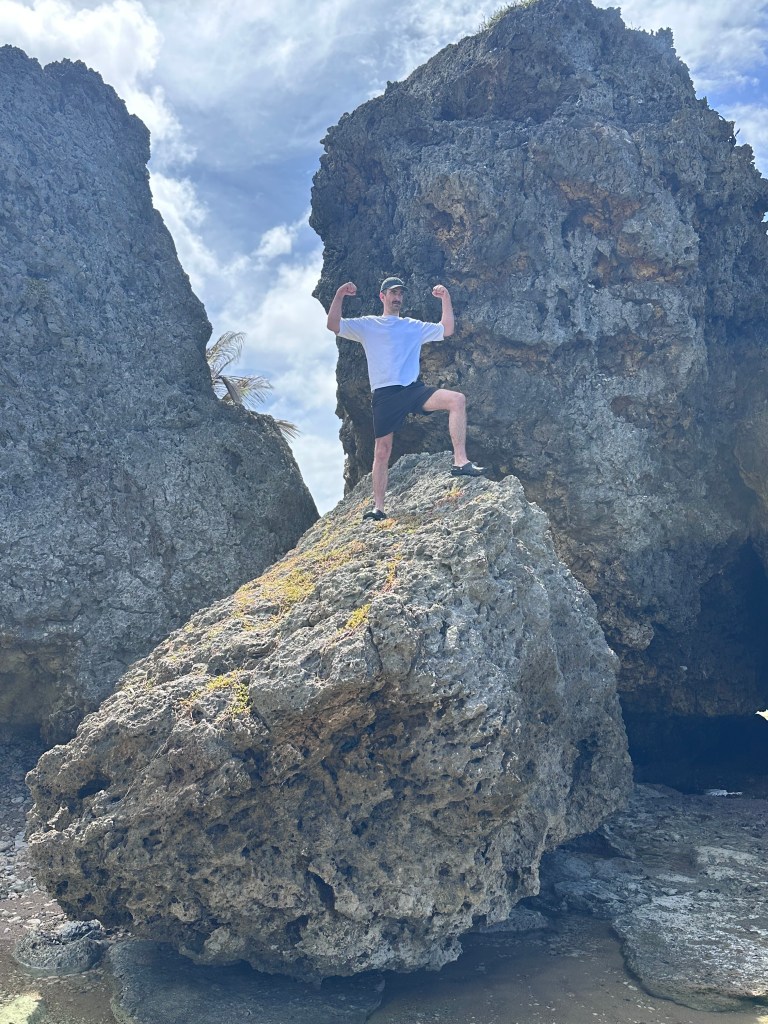
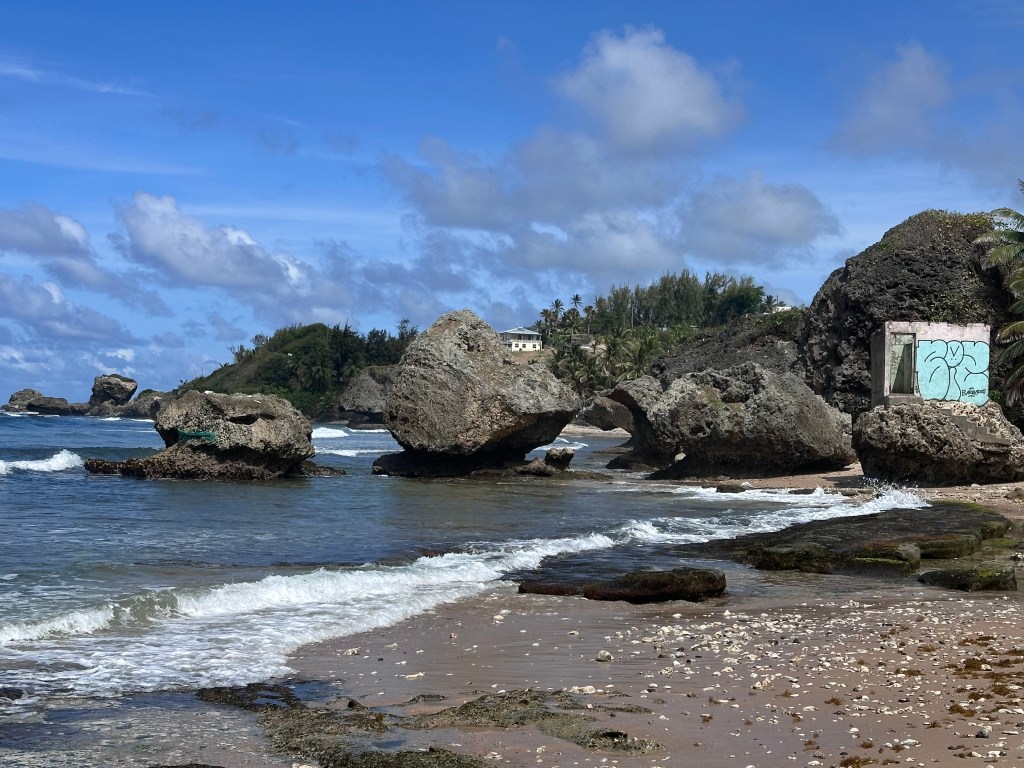
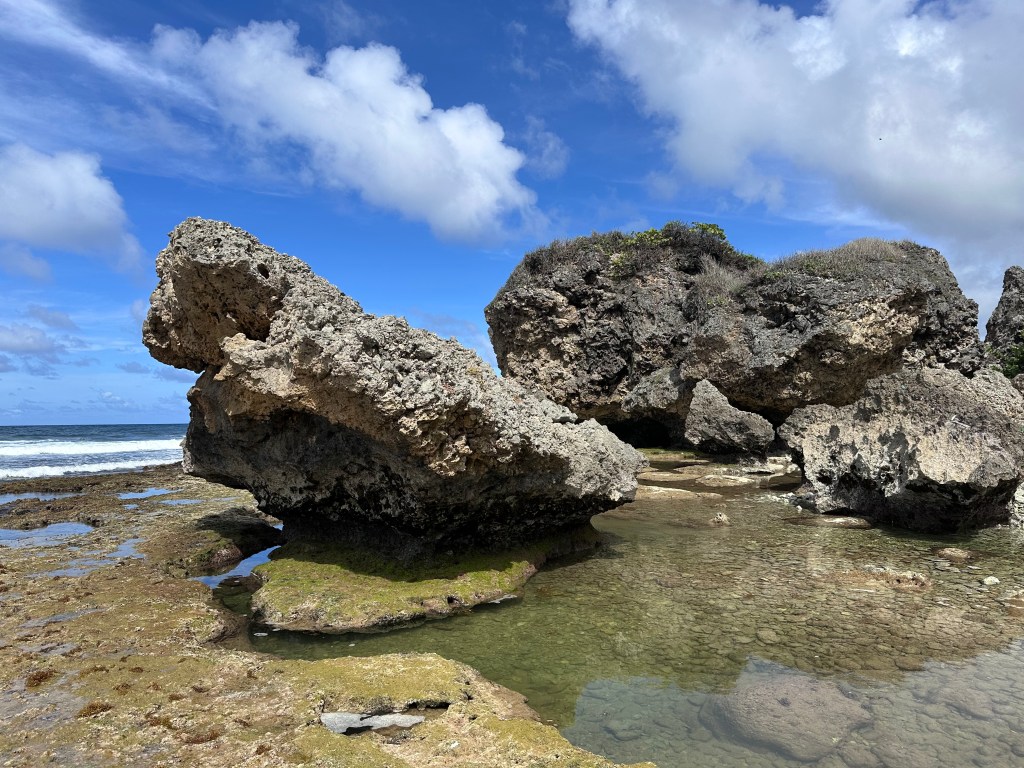
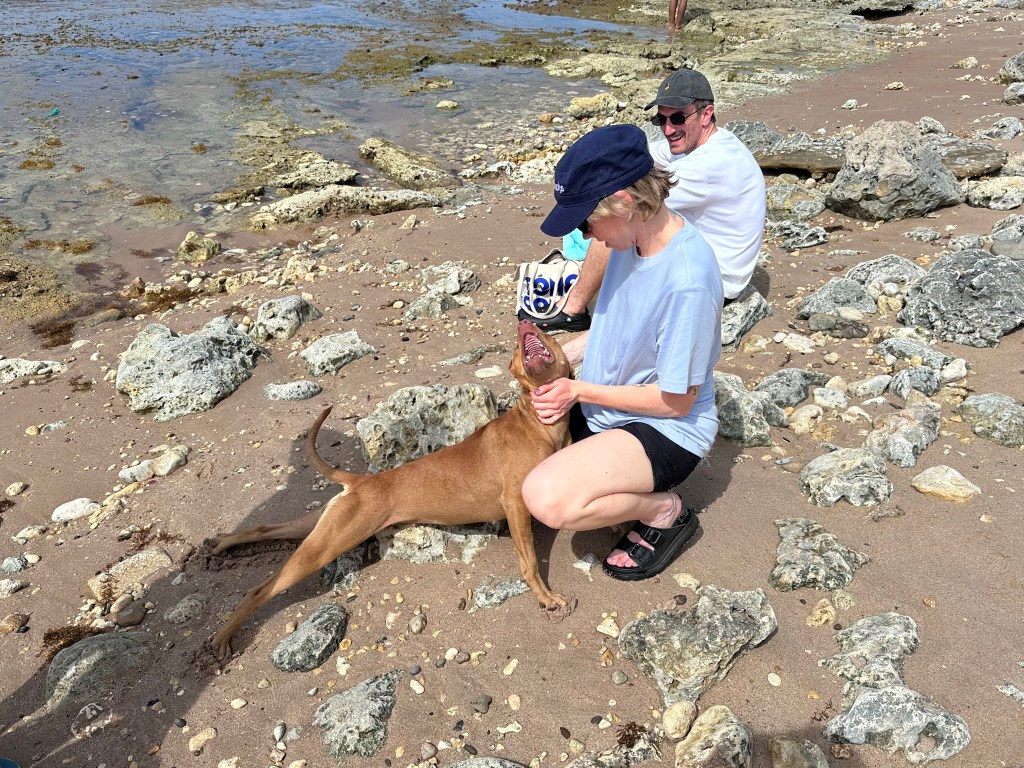
Compared with my previous experience of the Caribbean, just two whole islands, Barbados has a plethora of activities that can occupy your time between cocktails. Having a hire car is a good idea. There is a good network of buses on the island but schedules and frequency are a secret only the locals will know so we decided car hire was best. We needed one to get the shopping anyway. In fact as there were seven of us we got two. With them you can discover the rest of the island. We ventured out to the east coast to a place called Bathsheba which has the Andromeda Botanical Gardens to visit as well as an interesting beach with sea stacks and rock pools. Going in the sea here is a big no-no unless you have a surfboard and are a competent surfer. However, you can bath in the rock pools at low tide which we intended to do but didn’t. There’s a nice restaurant for lunch too called Zemi.
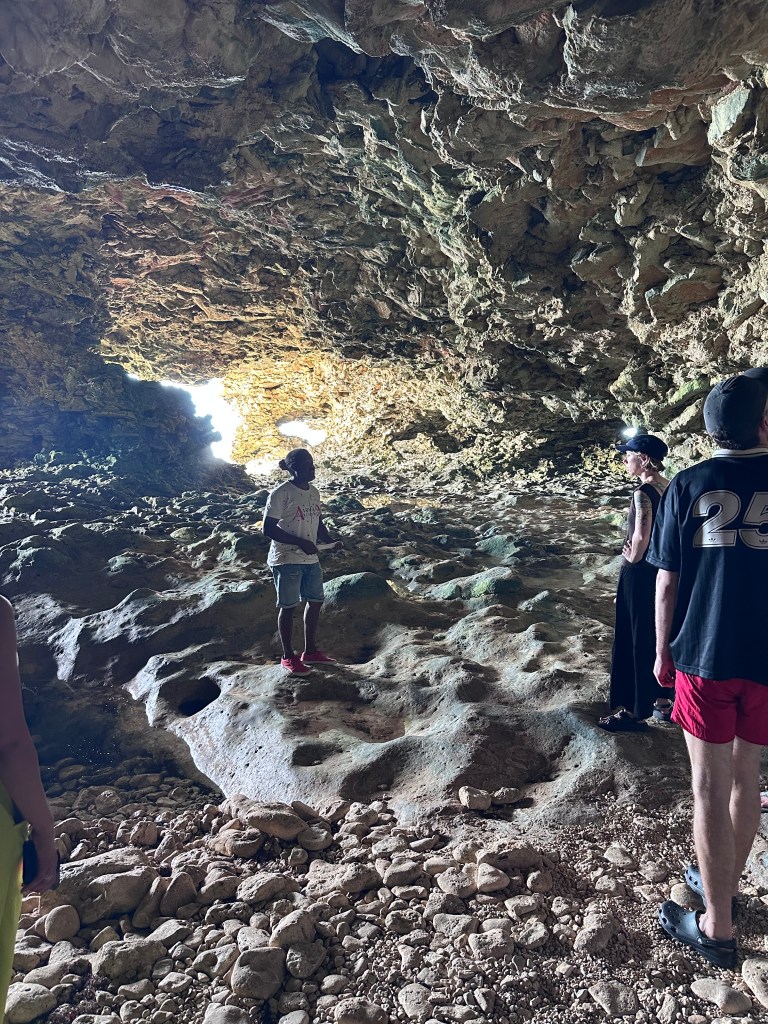
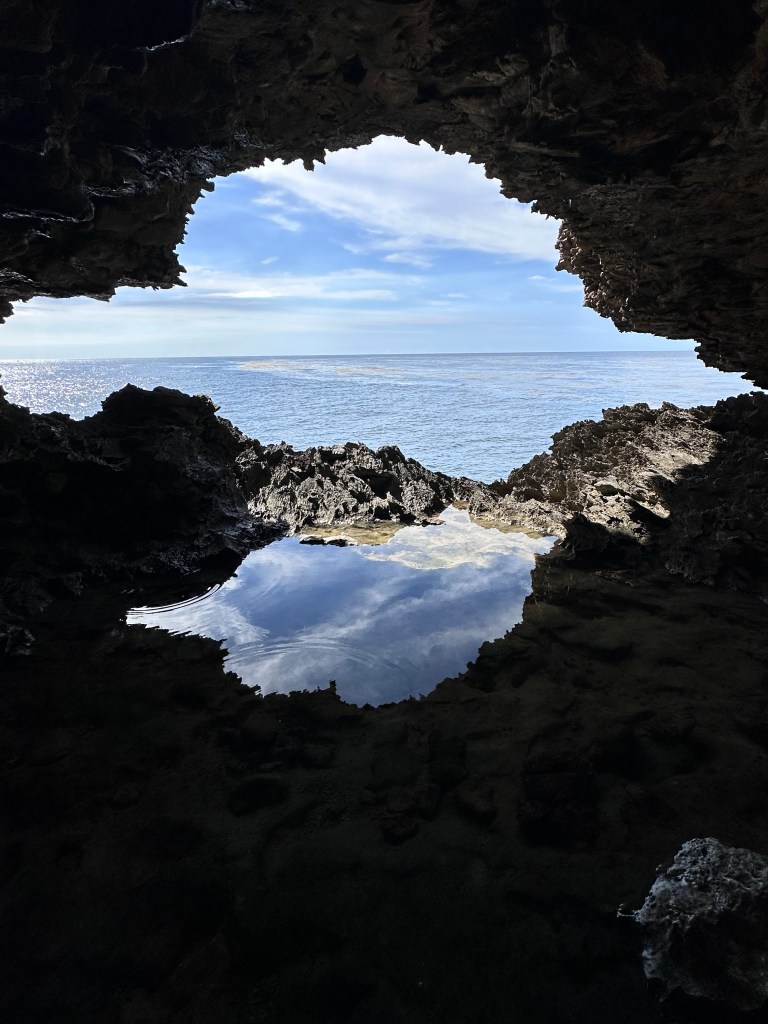
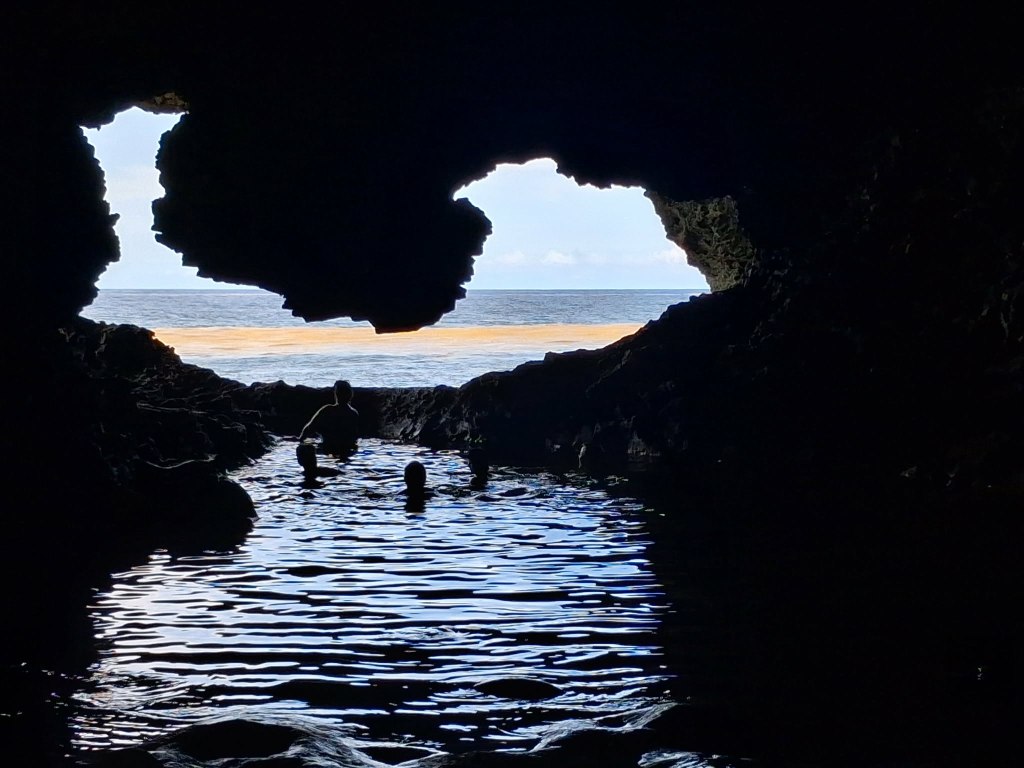
At the very top of the island is Animal Flower Cave. This is a sea cave that you can visit (for a fee) and it too has a rock pool. This time some of us did take the plunge which was pretty cool, both literally and figuratively. The cave gets it strange name from the anemones that grow in the pools that react to stimulation in what’s, presumably, an animal like manner. Sadly there’s not many of them left, probably because tourists like us go there and keep prodding them although the current guardians of the cave are supposedly taking more care of it than the original owners.
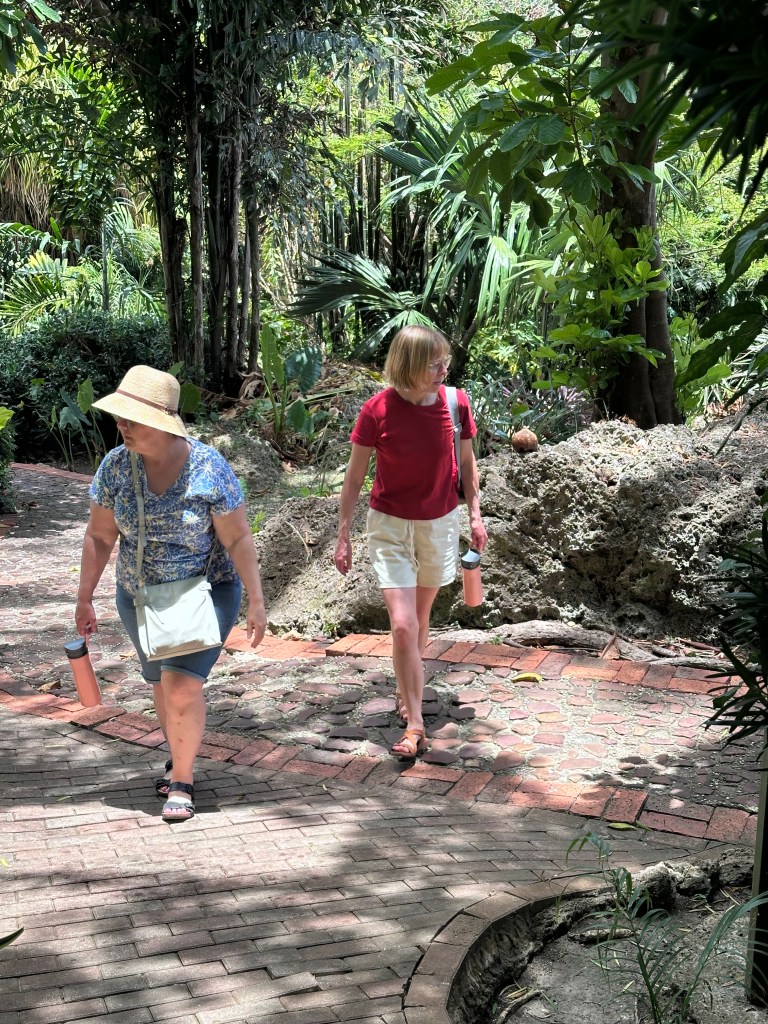
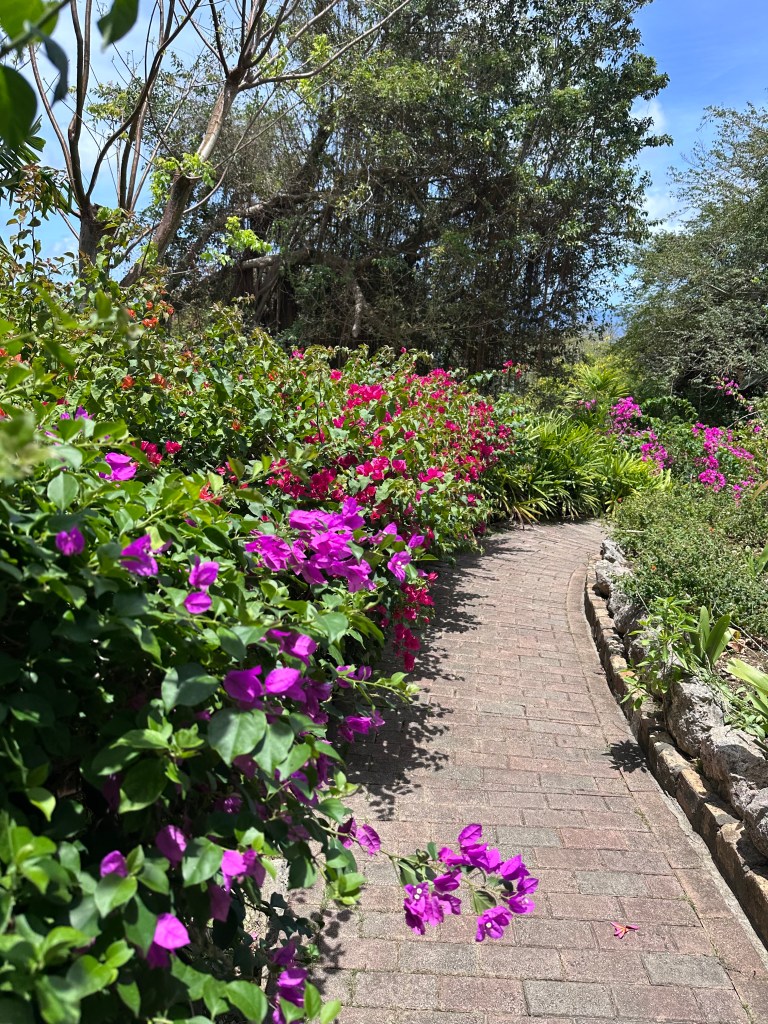
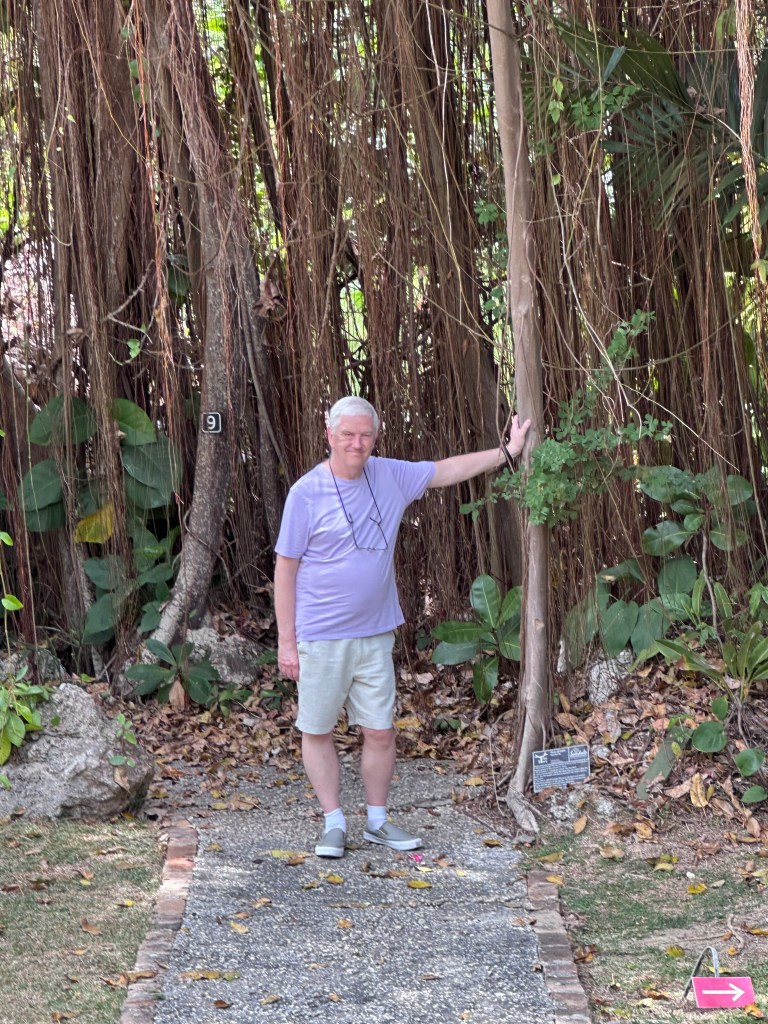
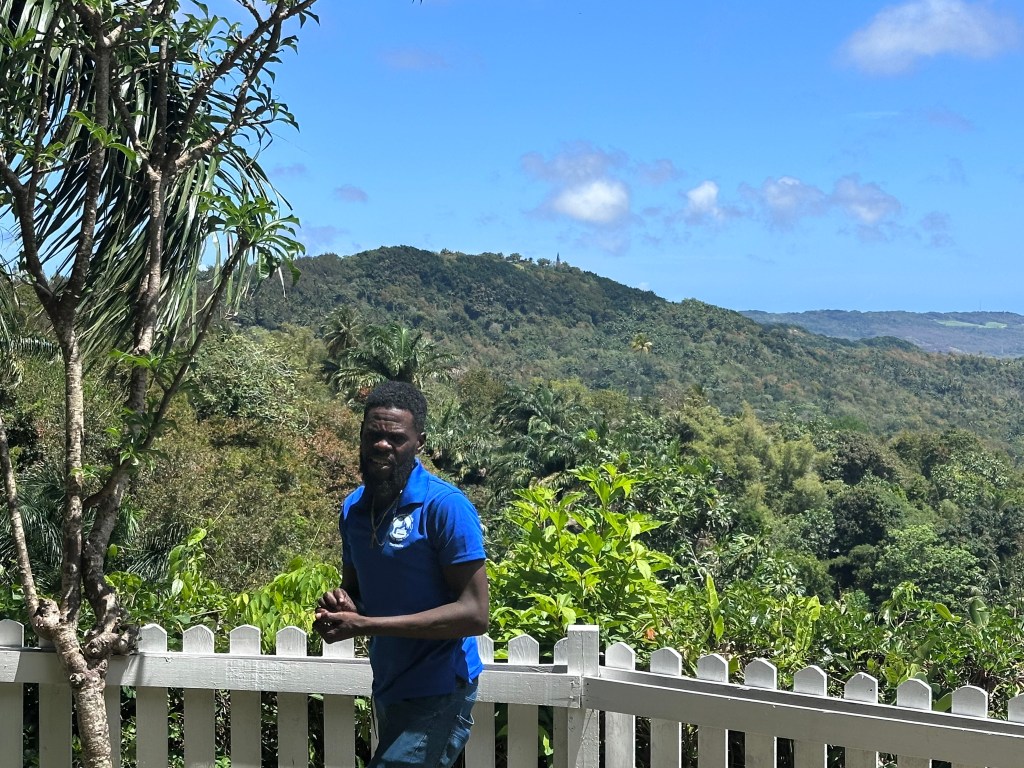
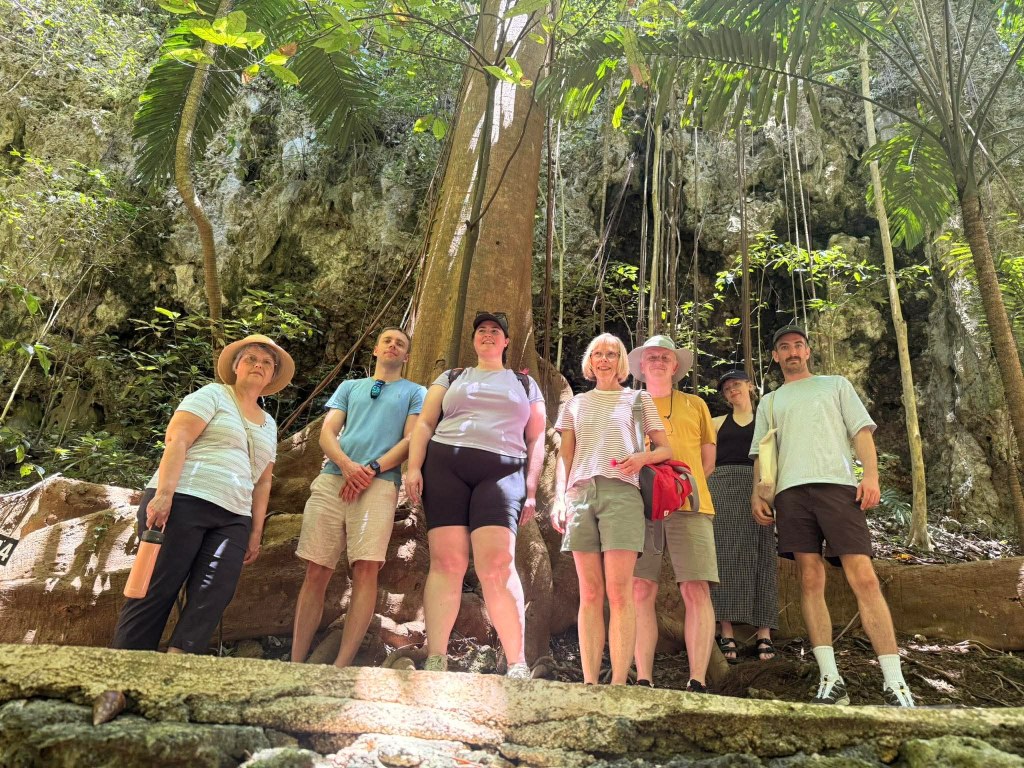
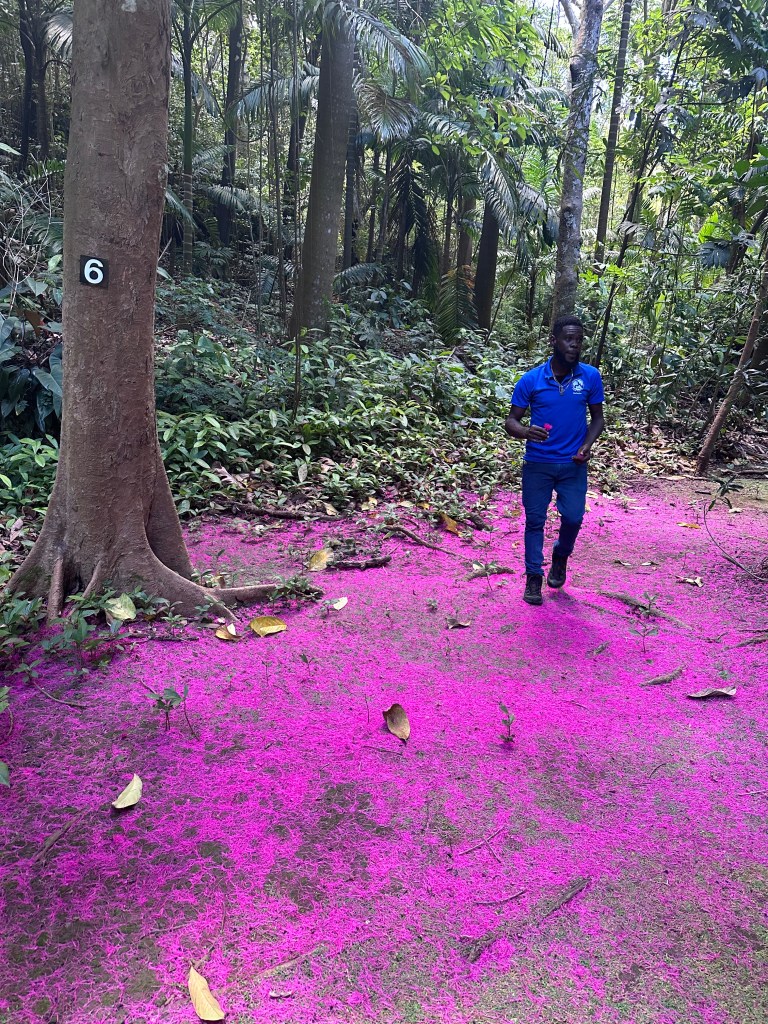
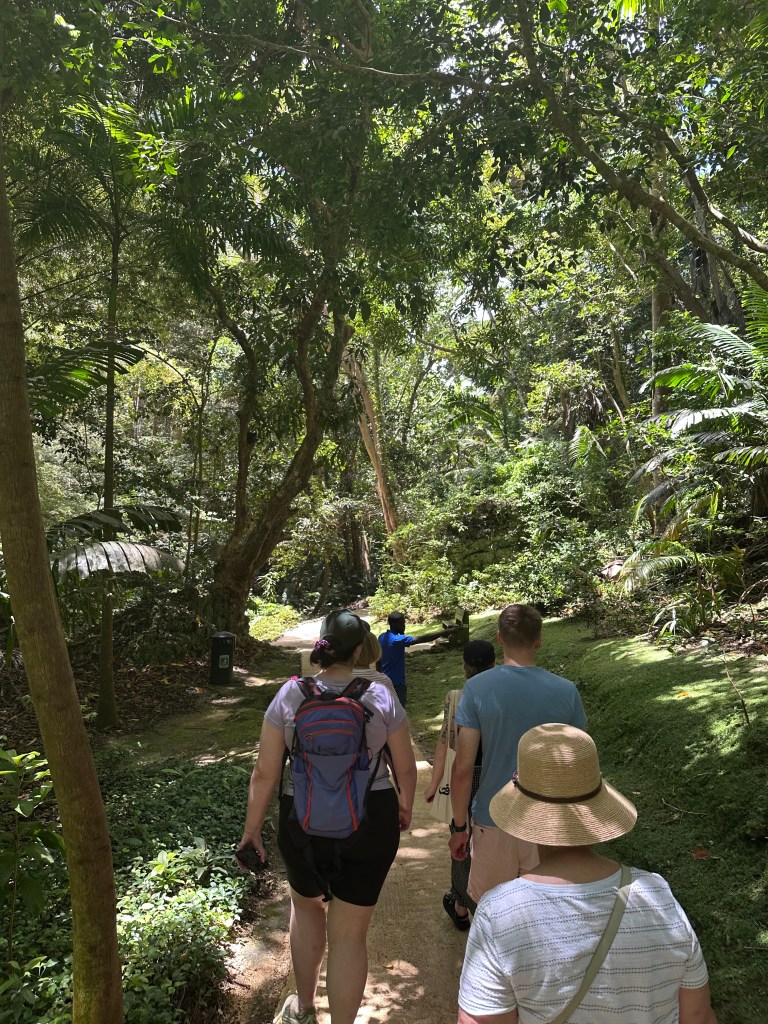
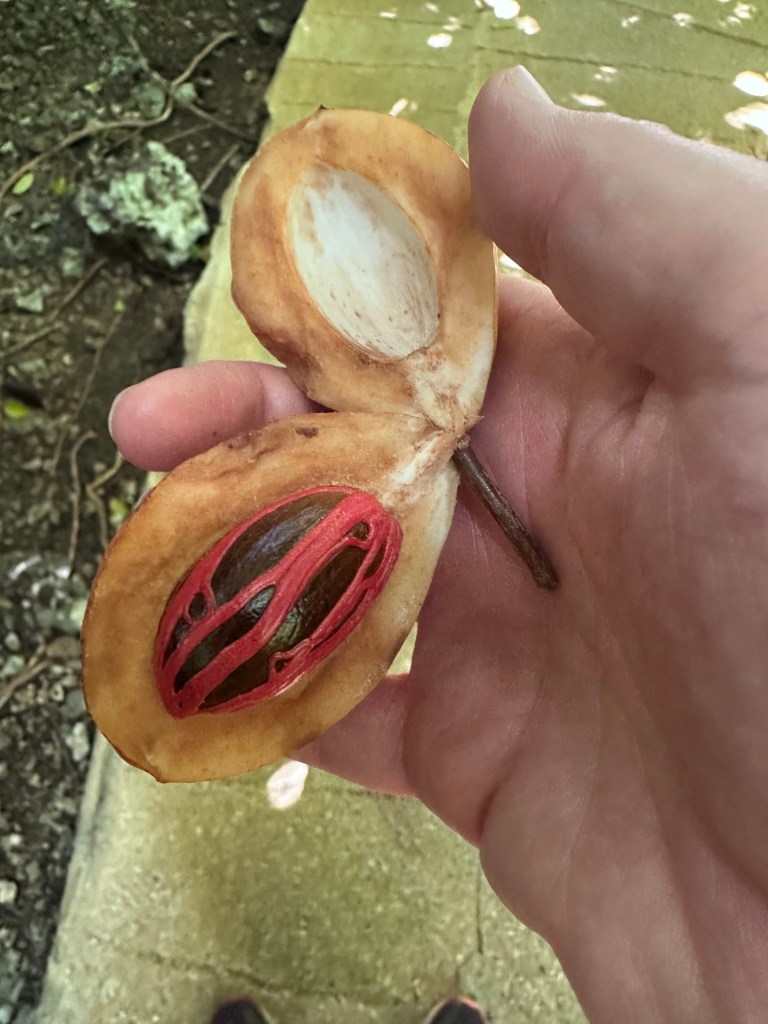
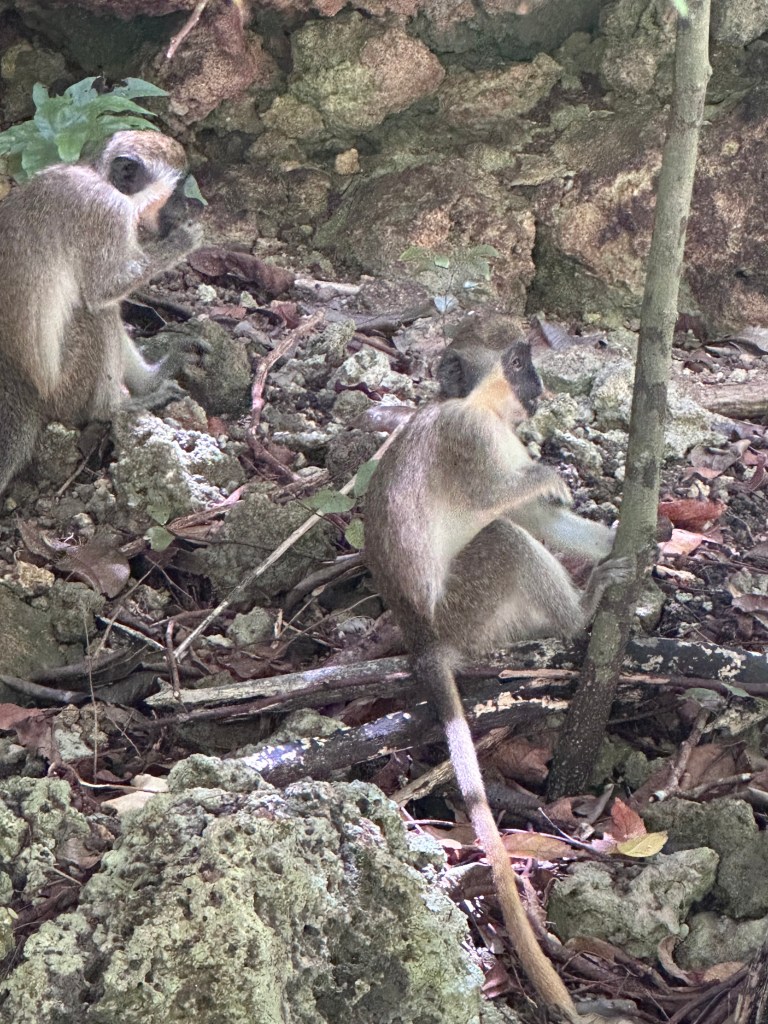
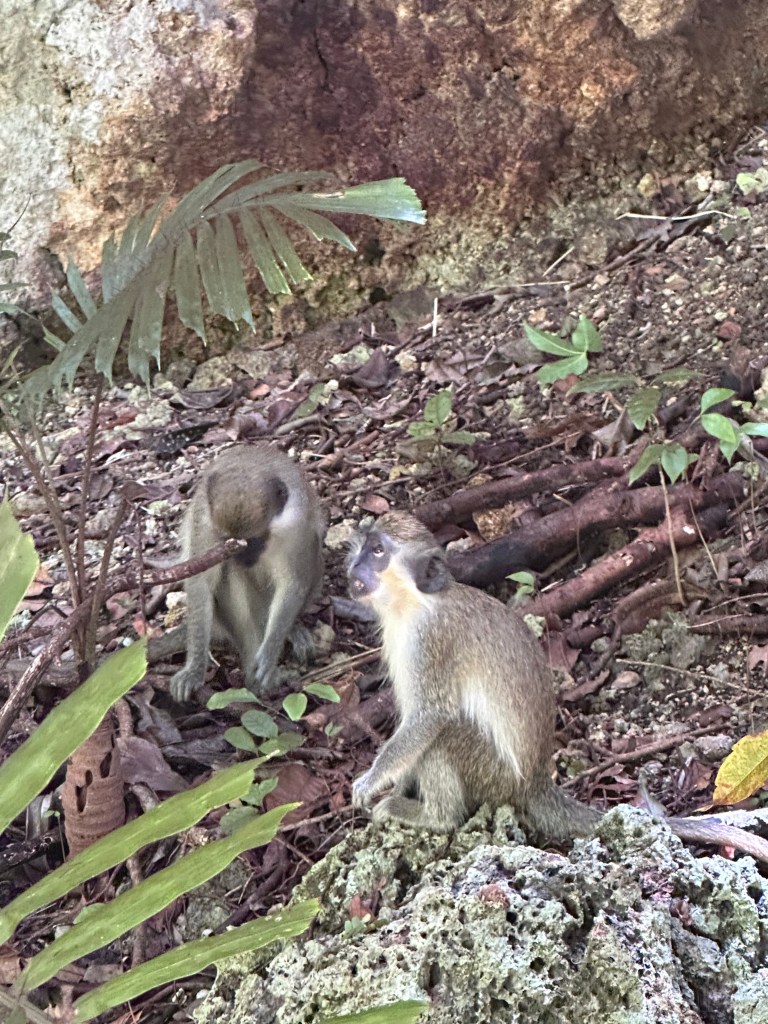
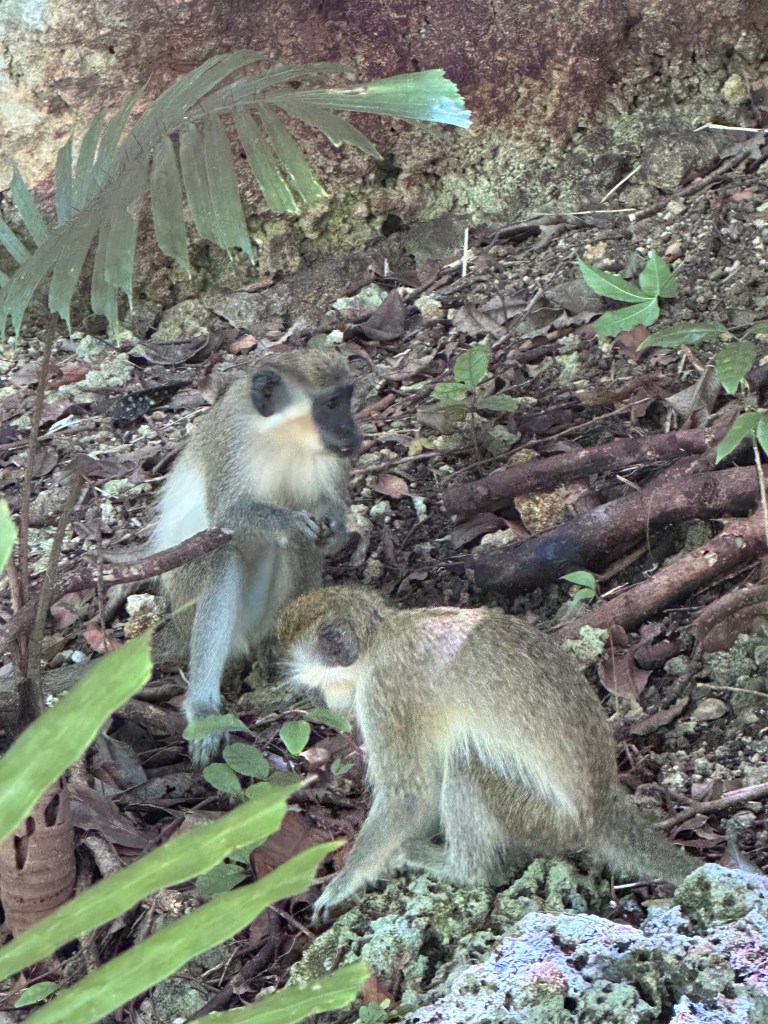
Welchman Hall Gully is situated in the middle of the island next to the highest point in Barbados. The gully is a collapsed limestone cave that forms a valley in which our guide, Ashae, told us all about the flora that occupied it. Not all is native, the site having been developed back in colonial days into another botanical garden by a plantation owner’s wife who presumably lived in Welchman Hall. It now belongs to the Barbados version of the National Trust and was a lot more interesting than a load of trees should be. That was mainly down to the guide but also because it is a home to a couple of troupes of Green African monkeys. These monkeys were brought over in colonial times as a food source for the plantation workers but no one told the monkeys that and they are now found all over the island. We enjoyed seeing them – who doesn’t like a monkey – but we needn’t have gone anywhere for monkey action as we got them in the villa garden later. Monkeys or not, Welchman Hall Gully is worth the trip along some very rough roads.
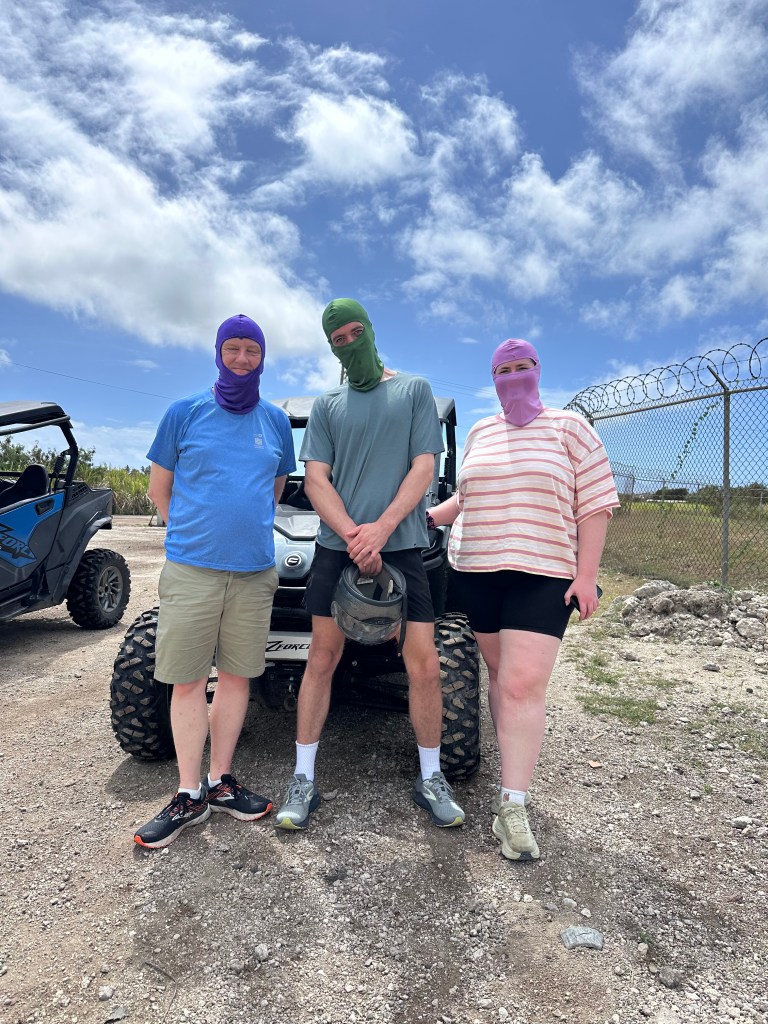
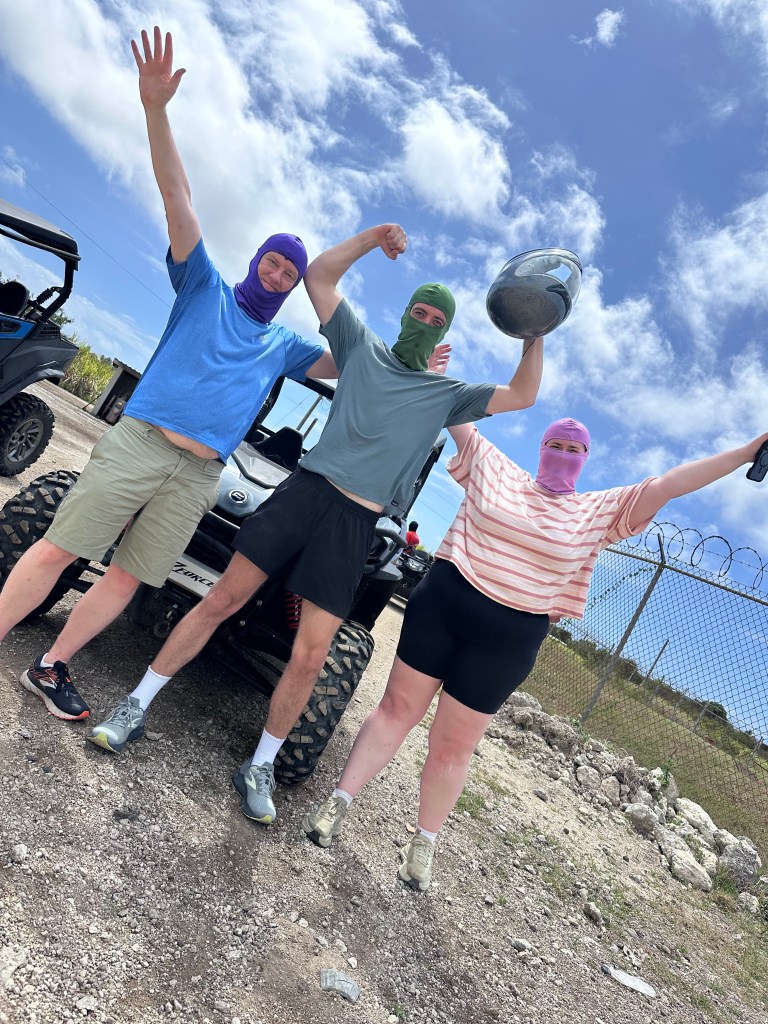
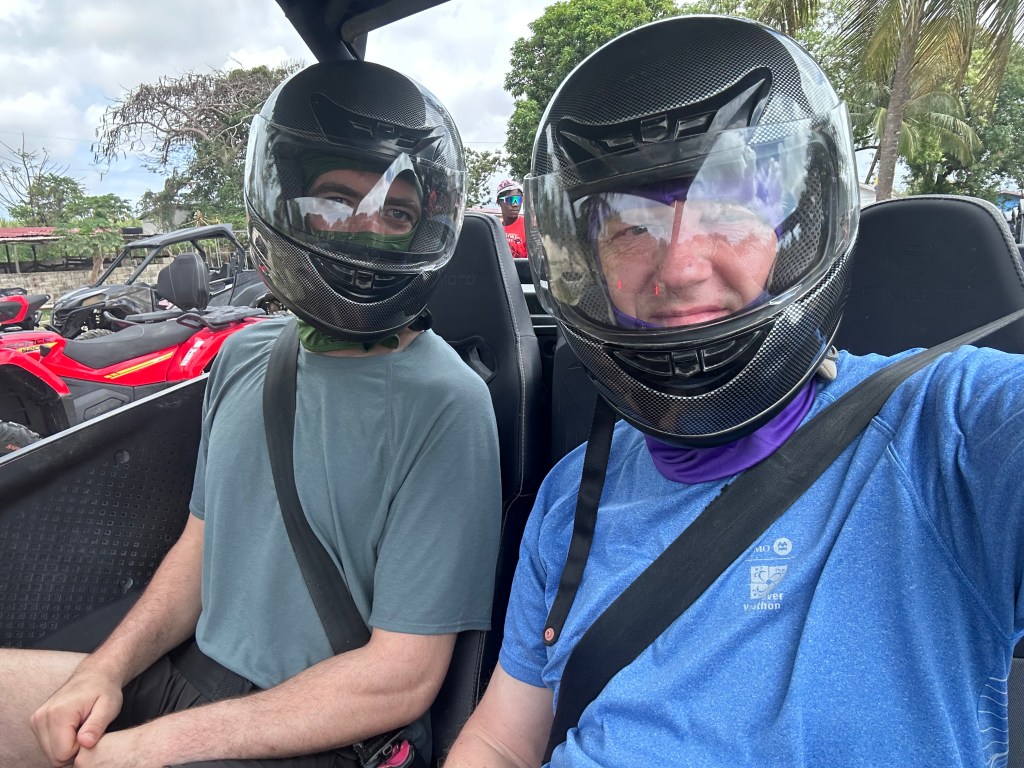
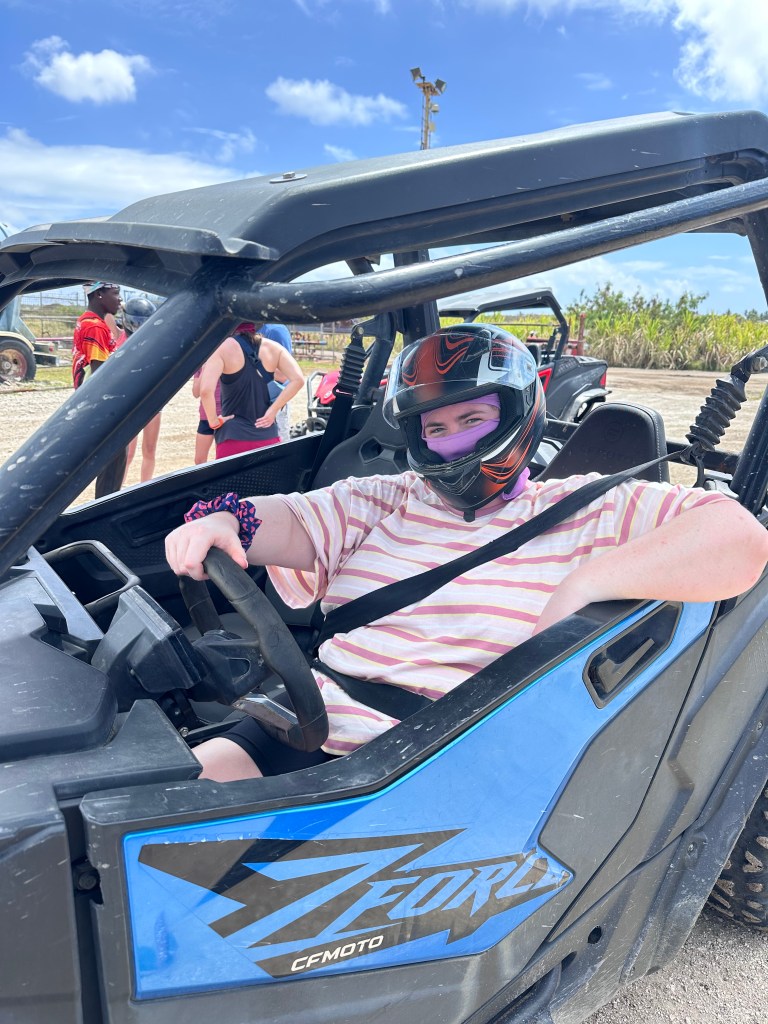
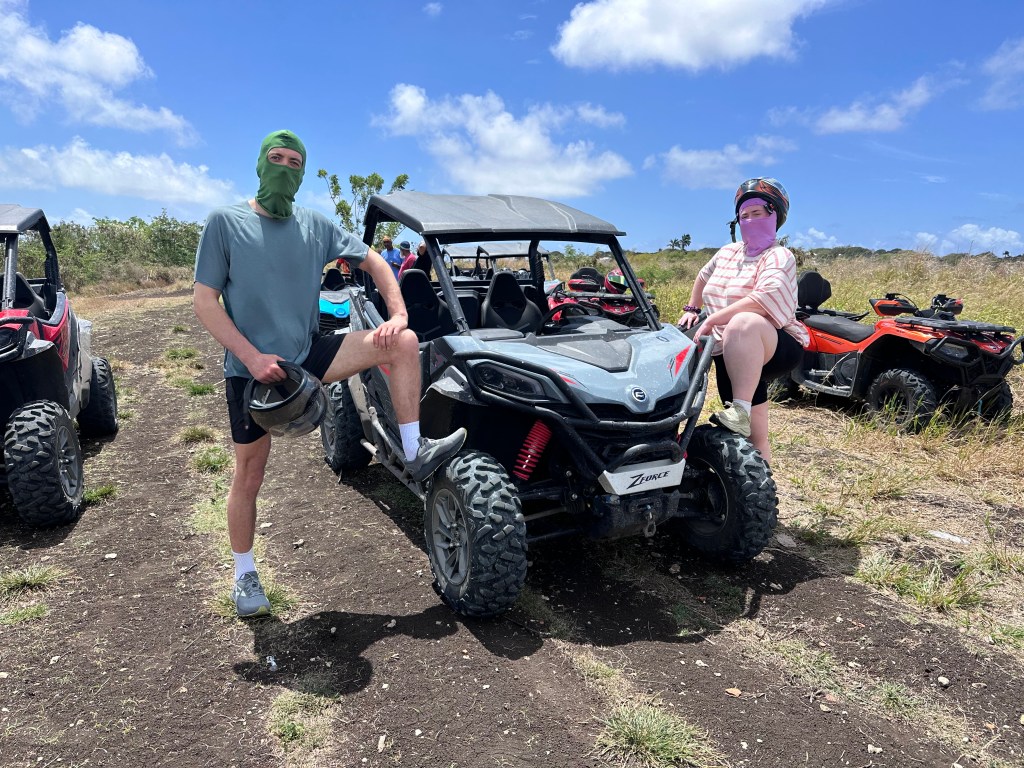
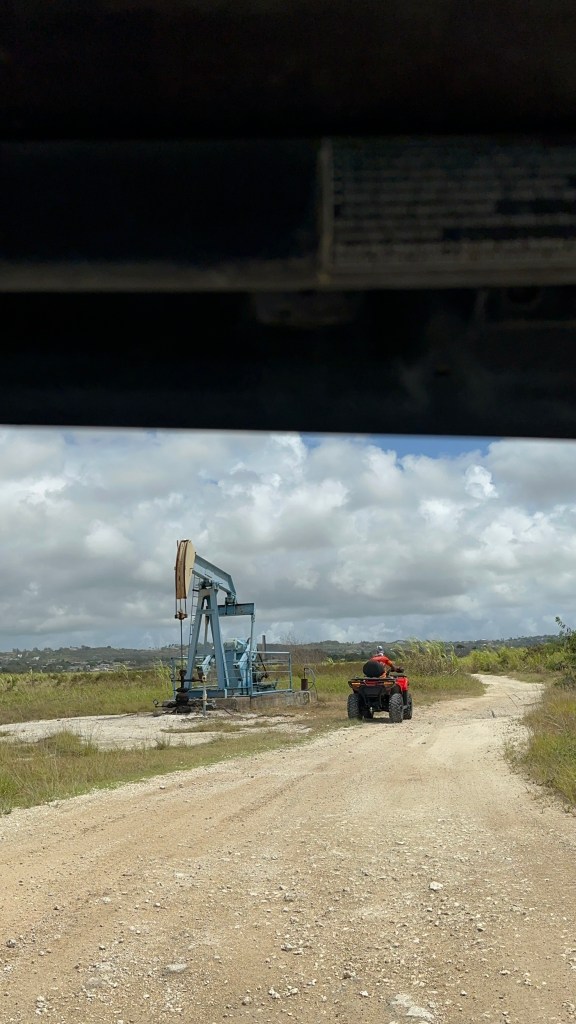
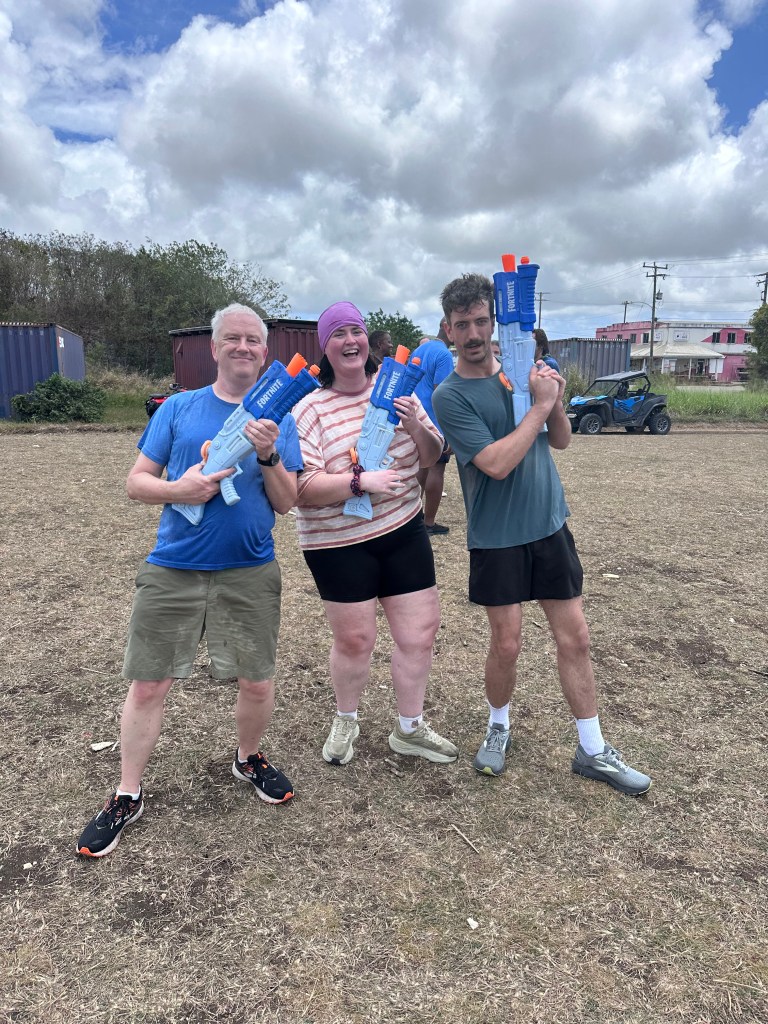
If you are looking for a bit more of white knuckle experience there are a couple of options. We passed on the zip wire but three of us did take the chance to indulge in a bit of off-roading in a Dune Buggy with a company called Off Road Fury. This takes place in the south of the island near Brighton Farmers Market of which more later. We had two buggies between the three of us and we able to swap between driver, passenger and solo at a number of stops as we sped at alarming speed (up to 65kmh if you push down on the accelerator really hard) through sugar cane fields and, surprisingly, past the nodding donkeys of oil wells. I can’t emphasise how much fun I found it and I believe Harry and Mollie felt the same. They even have a break to have a super soaker water fight for no other reason than they can.
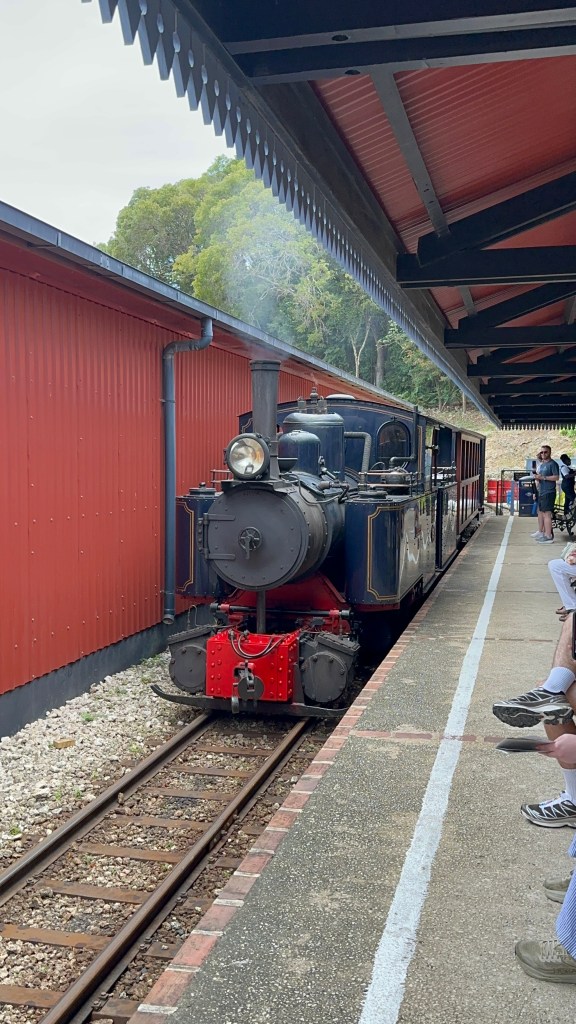
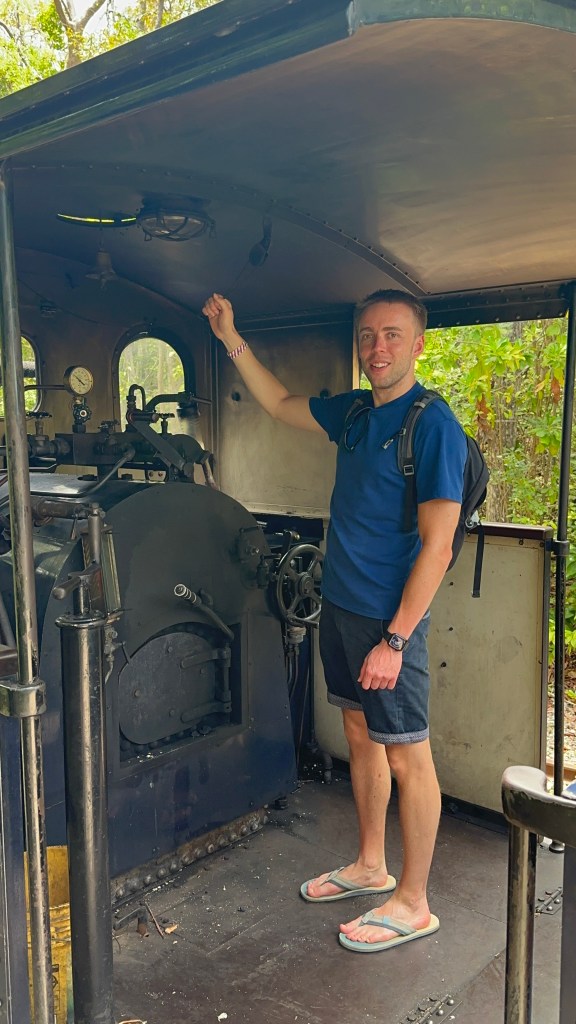
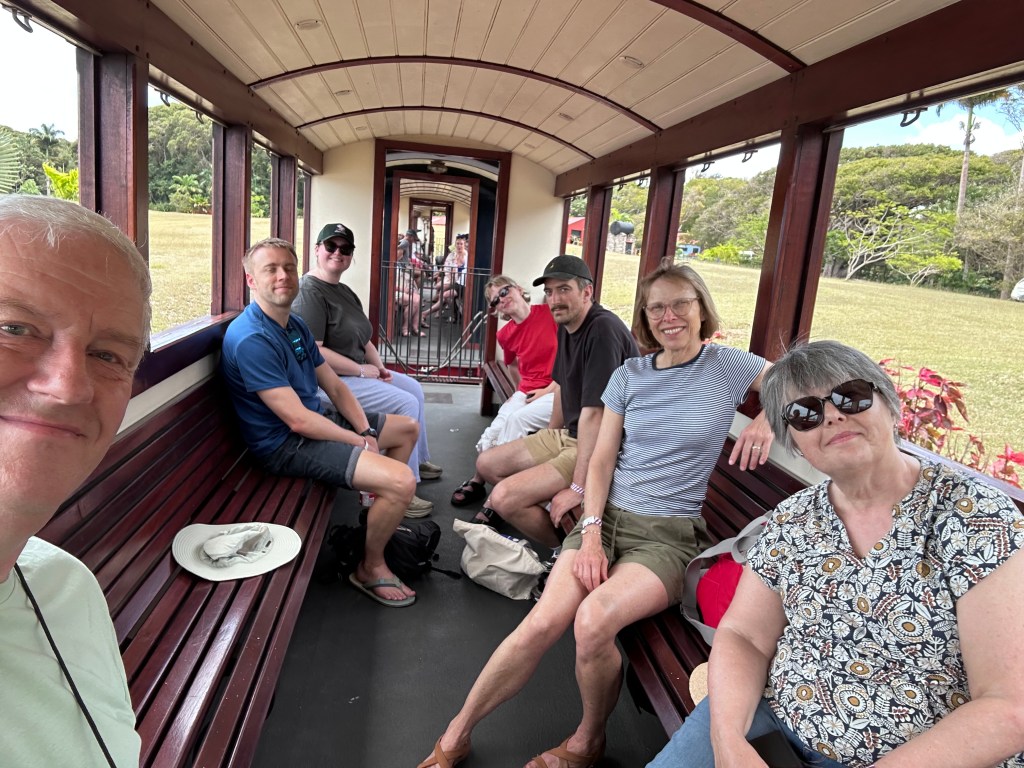
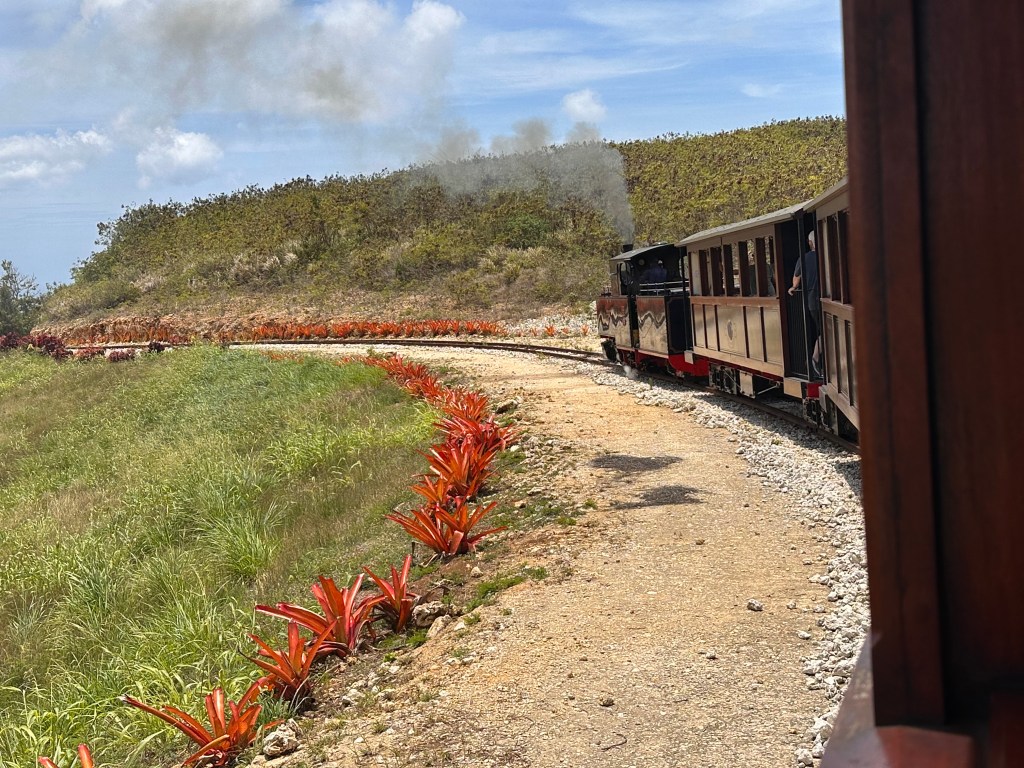
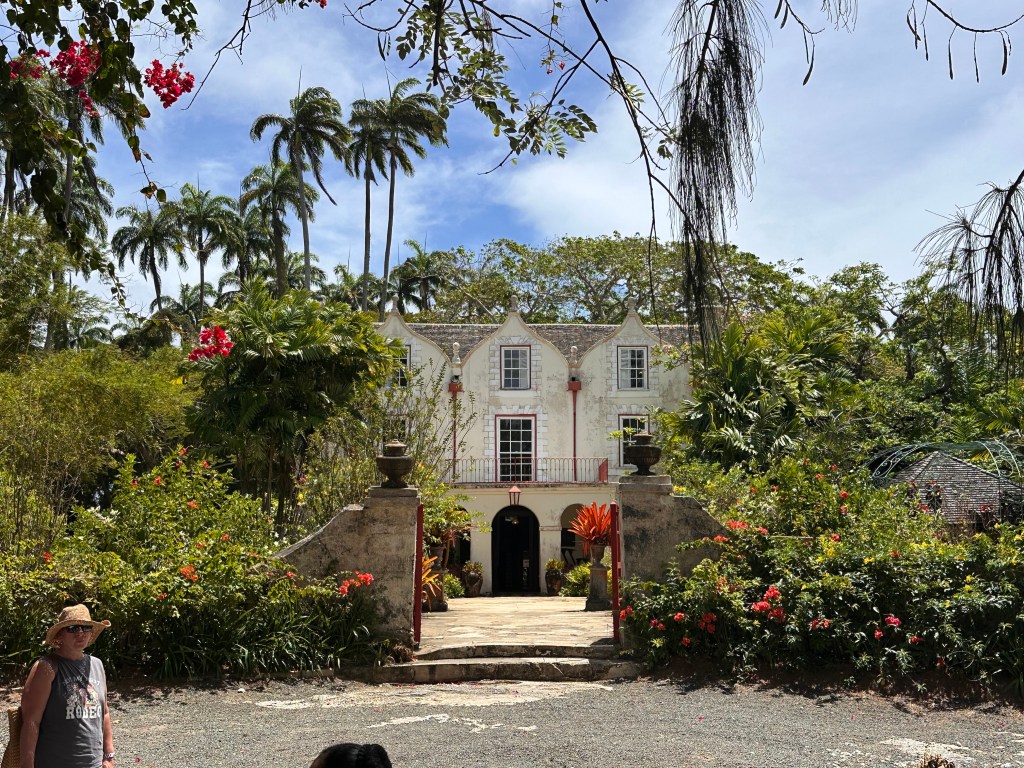
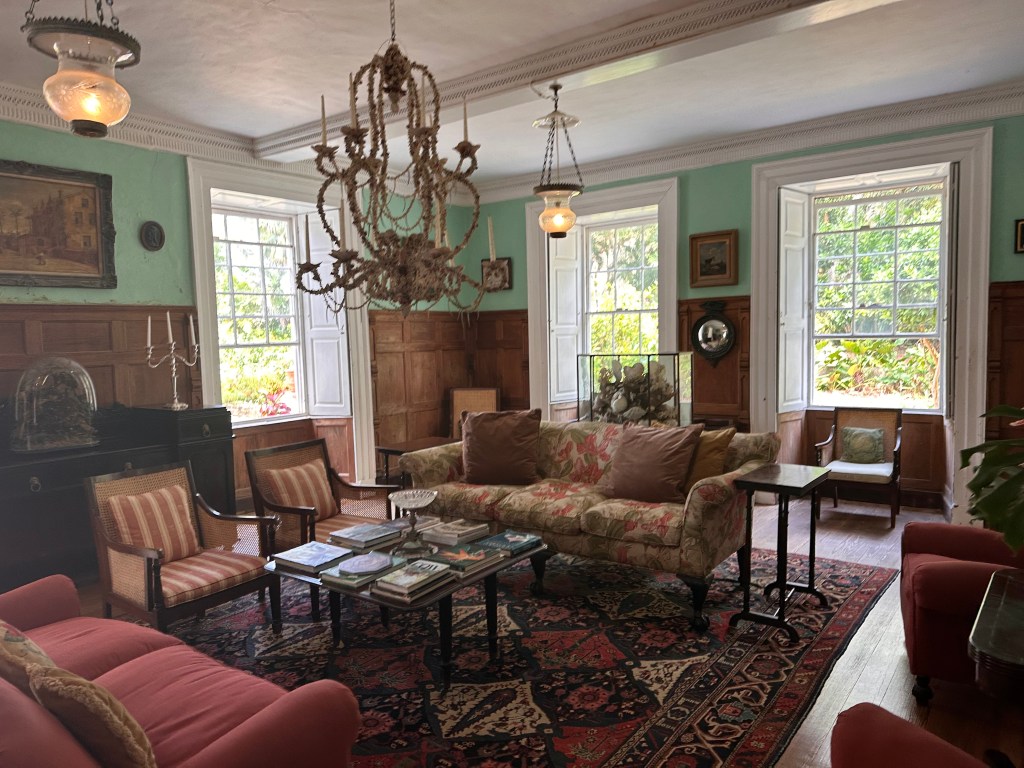
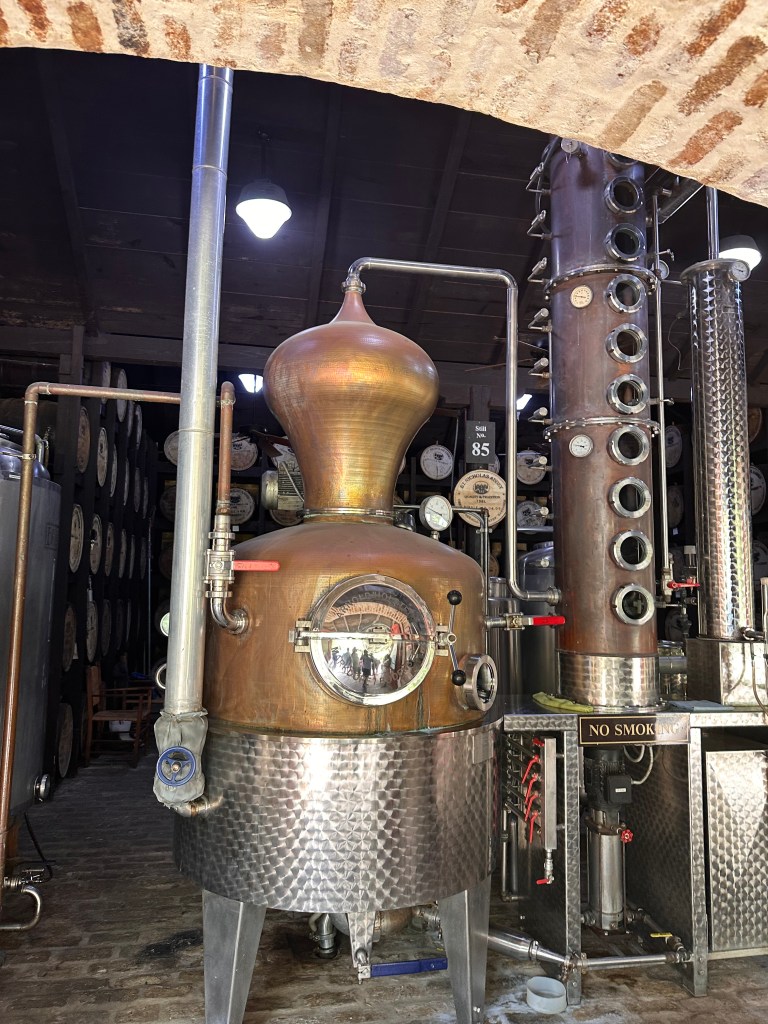
For a more traditional tourist attraction, at least for your average Brit, you can head to the north of the island and visit the St Nicholas Abbey Heritage Railway. Nicholas Abbey isn’t an abbey, it is an old colonial house connected to the Cumberbatch family of Benedict fame. That isn’t really interesting enough to visit in itself so they went and built a heritage railway in what was once a sugar cane plantation and is hoping to become one again. It isn’t original though a railway did once run from Bridgetown up the east coast of the island. The new ‘heritage’ line tells the story of that and was built to the same 2ft 6in gauge as the original. A 100 year old German built steam locomotive hauls three open sided carriages rather slowly to a nice lookout point before returning and then heading around a newly completed loop amongst the former sugar cane fields. They have two steam locos and a diesel back up which was required for later tours when ours conked out as we were approaching the end of the journey. As part of the quite pricey ticket you get to wander through the downstairs of the house and to visit the rum distillery, tasting the different rums produced which were pretty foul neat but I’m sure they’d make a decent cocktail.
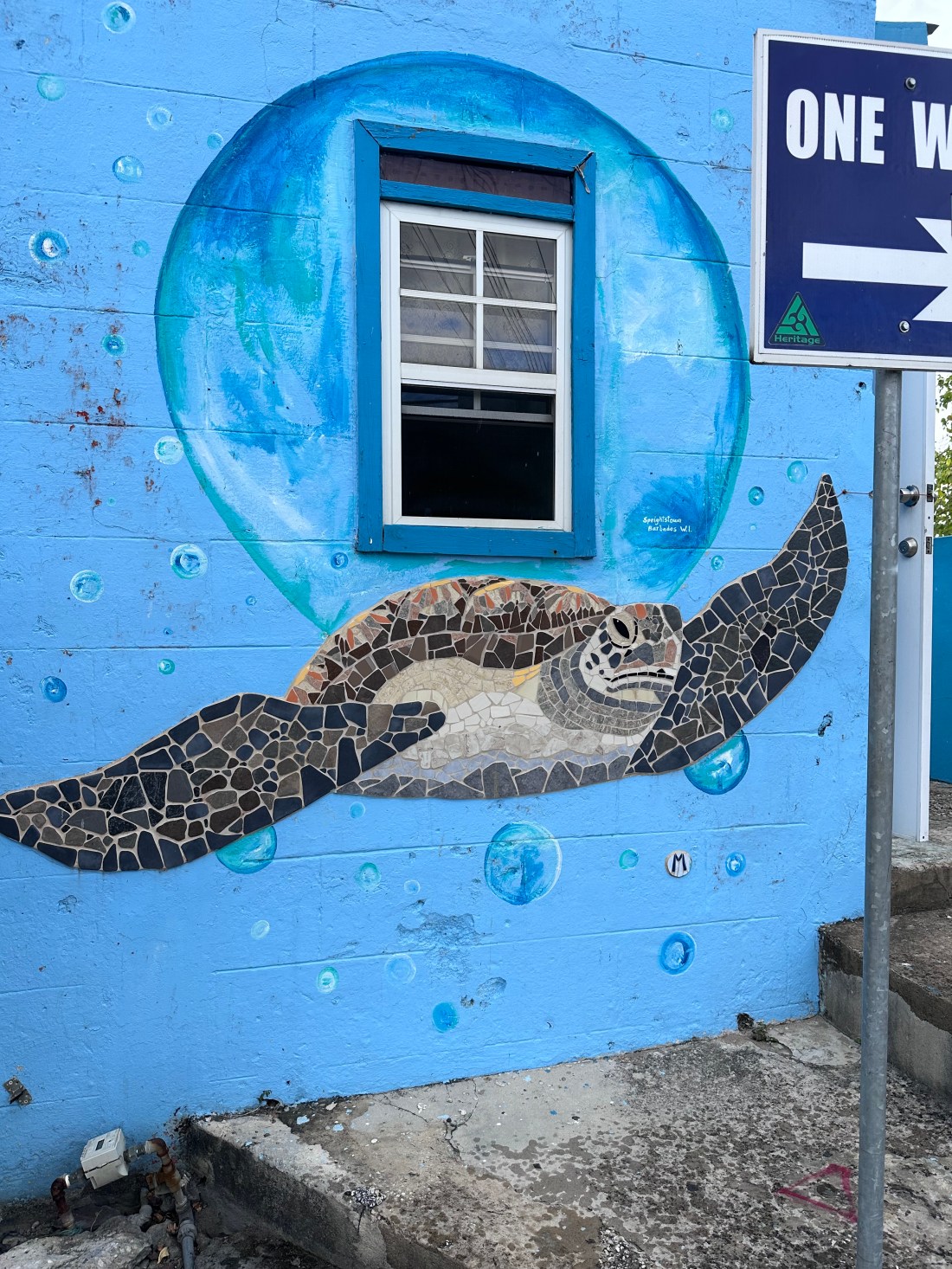
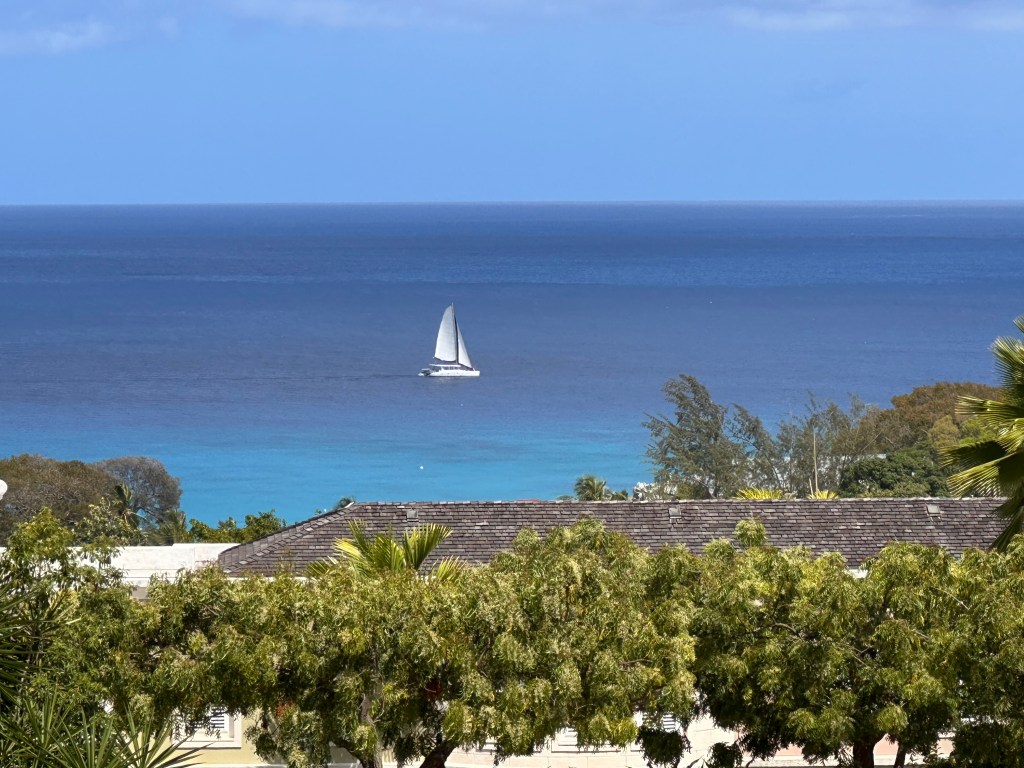
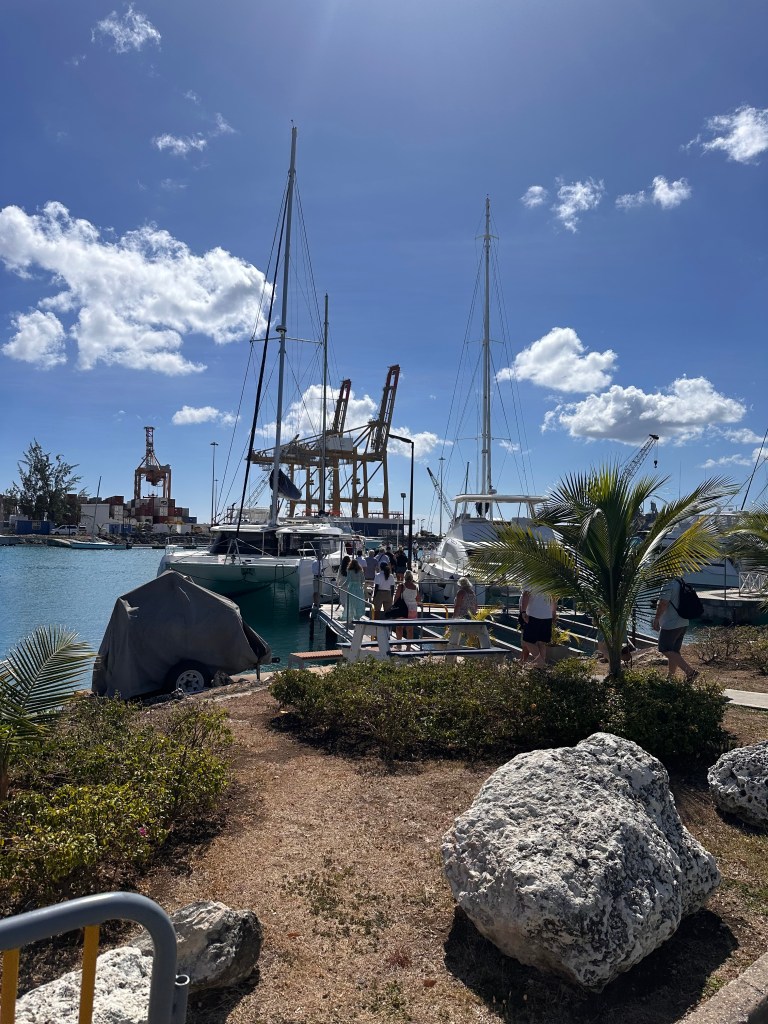
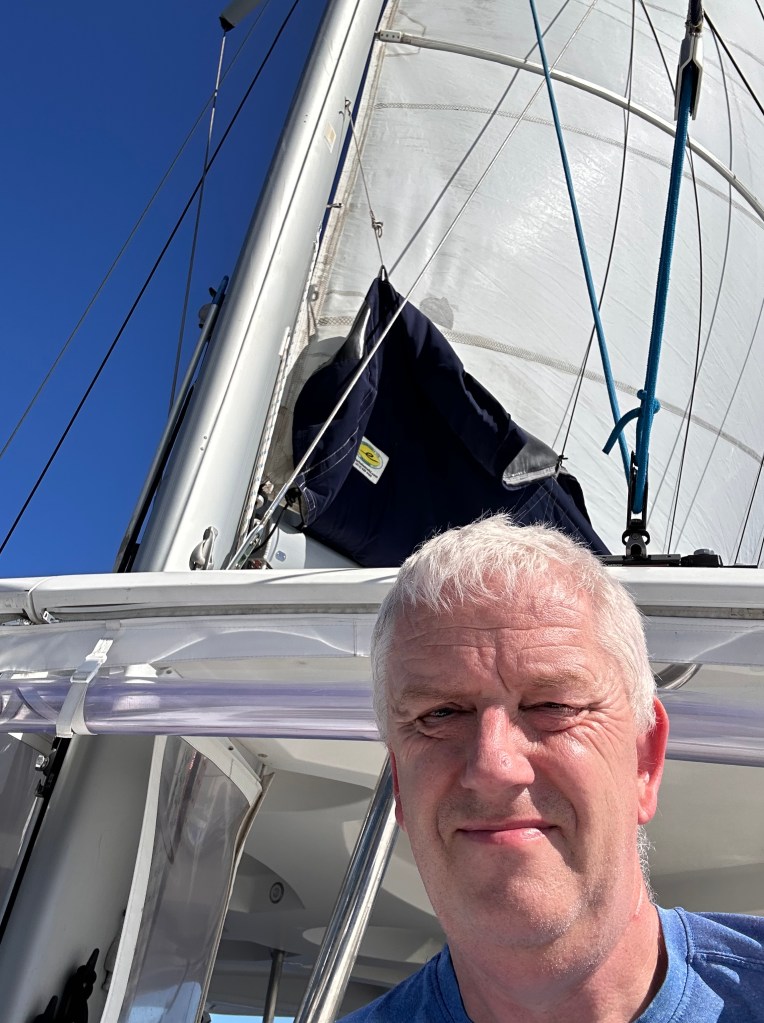
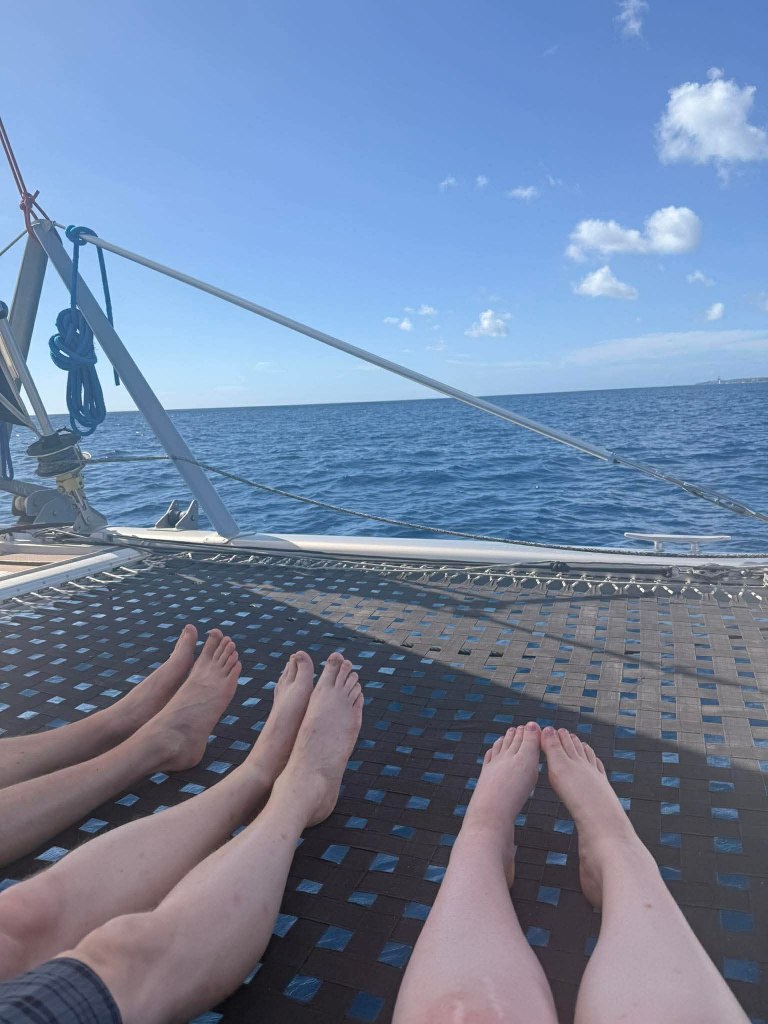
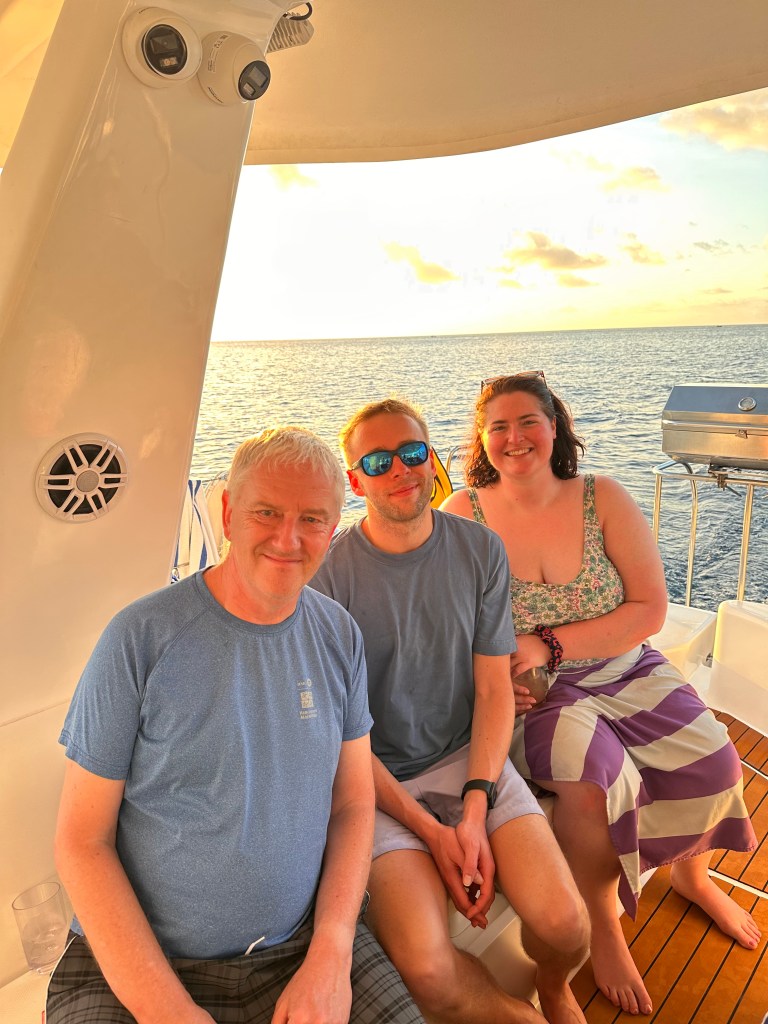
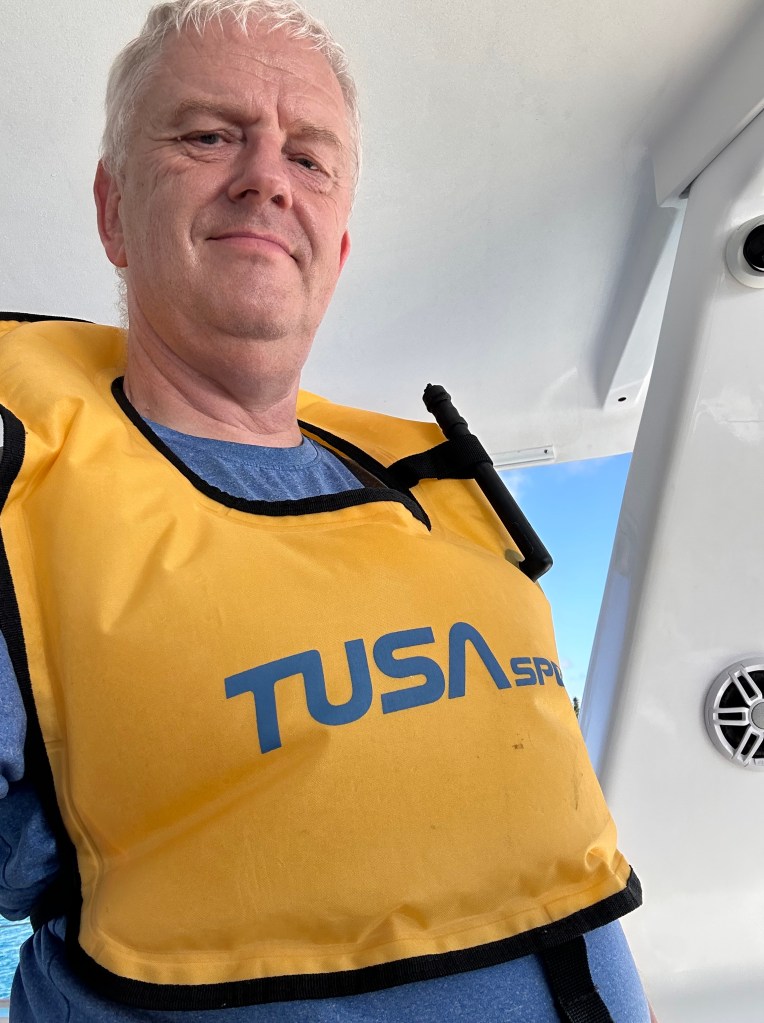
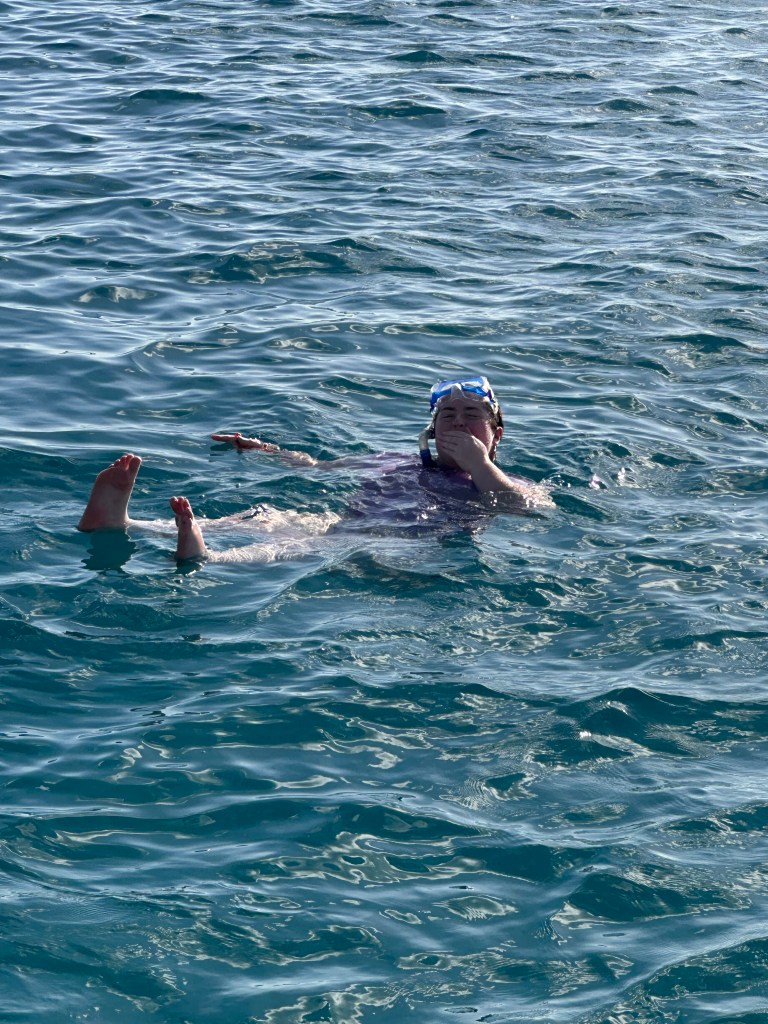
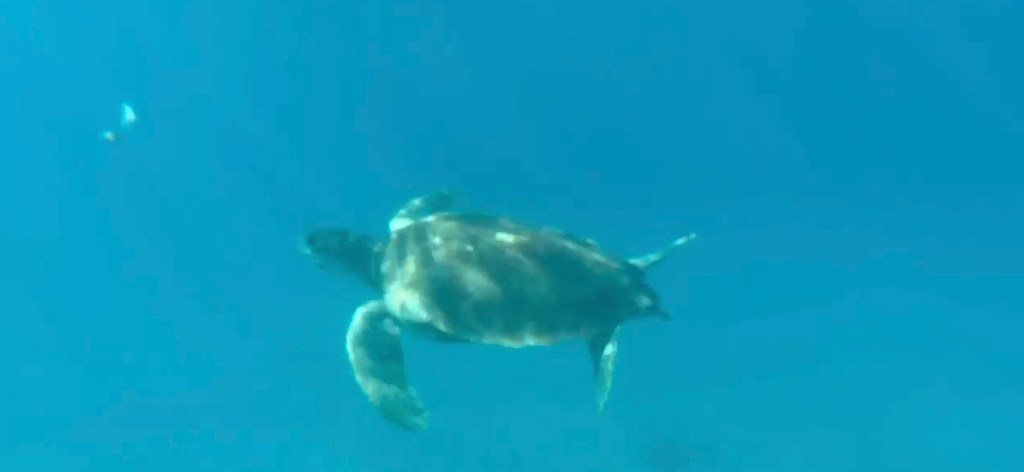
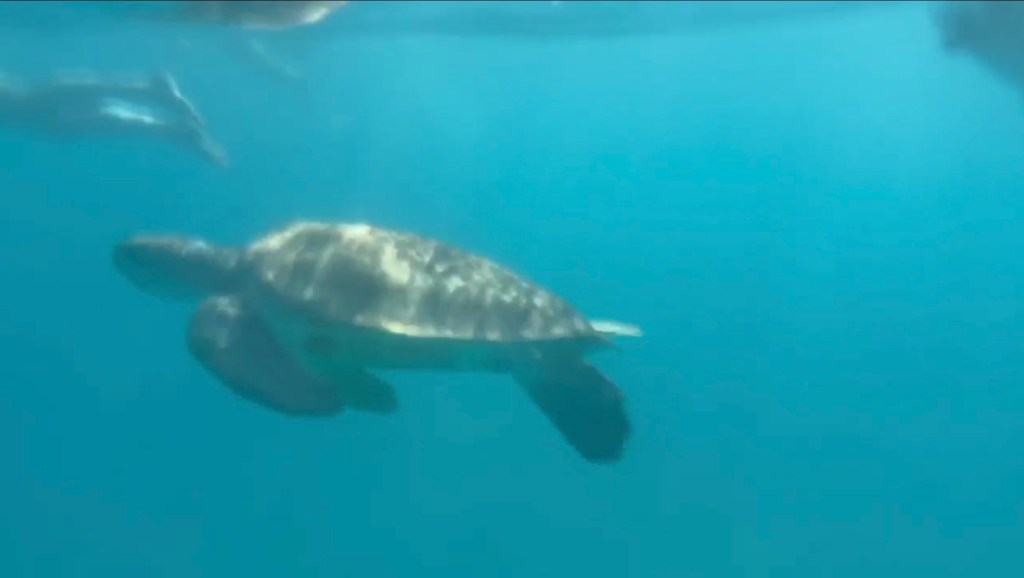
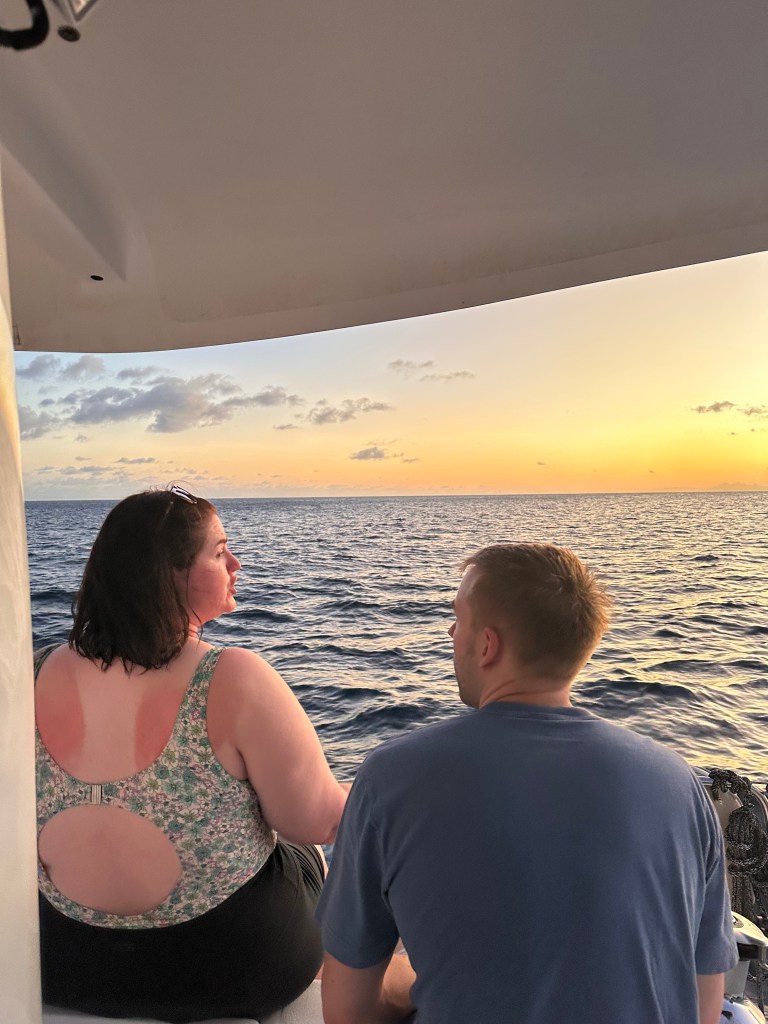
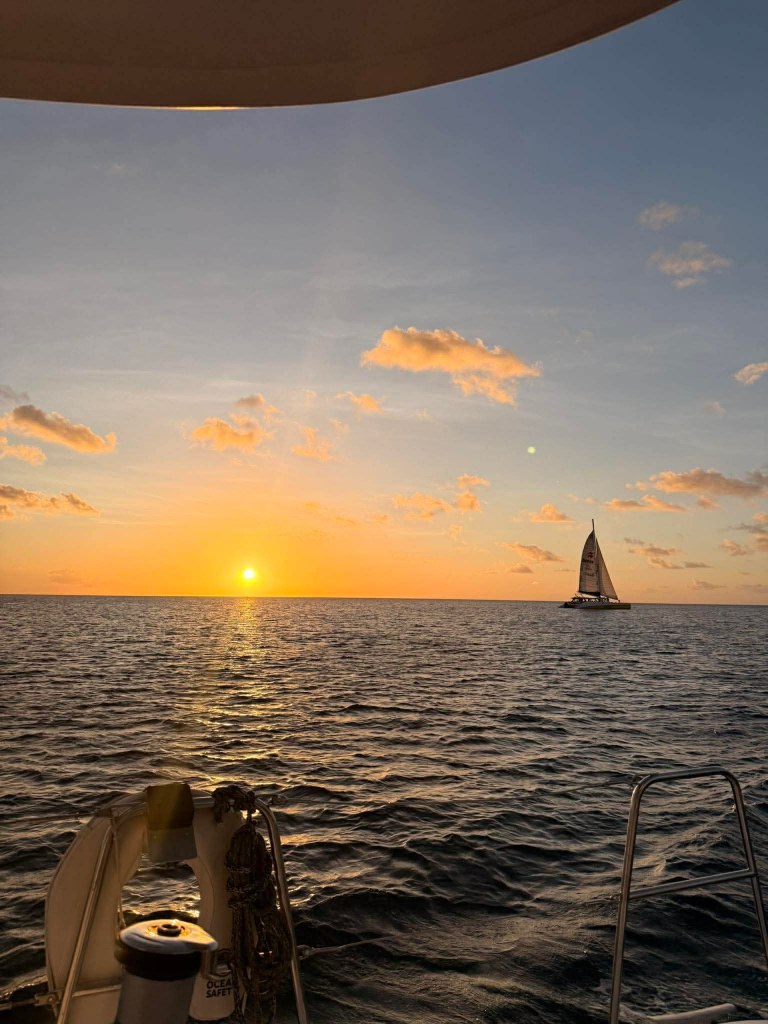
Arguably the best trip in Barbados is to take a catamaran ride to see the turtles. Turtles are a big thing in Barbados with murals of them all over the place. You can sometimes see them laying their eggs in the sand and those eggs hatching though we didn’t. The catamaran trips, of which there are several companies to choose from, almost (but not quite) guarantee turtle sighting and supply snorkelling equipment for you to go and join them in the Sunny Caribbean Sea. Just three of us decided to go on the trip, the others slightly worried about the barf potential of the voyage. As it turned out, the only real chance of getting sick was from imbibing too much of the included alcohol with another beer or rum punch arriving just as you’d finished the last one. The company we used was called Silver Moon who have three or four vessels, ours was Silver Moon 3. The passenger limit is 12 or 13 and the three of us (me, Nicholas and Mollie) were joined by a party of Canadian ladies from Ontario, a Scottish couple making their first venture out of their all-inclusive resort and a mum and her two teenage kids from New Hampshire. Transport to the port in Bridgetown is provided. We had opted for the twilight cruise which was departed in the afternoon, arriving back in Bridgetown shortly after the sun had set. We headed north under sail up the west coast, passing Holetown and our villa on the way, and after an hour or so we stopped and those who wanted to donned the snorkelling gear and jumped into the ocean. Now, I’m not a very confident swimmer and hate the taste of salt water. I had, however, been enjoying beer and rum punch which was enough to break my better judgement and armed with an inflatable lifejacket to stop me from sinking I followed the rest into the briney. In total there was one crew member with some bits of fish, twelve self supporting passengers, one big girl’s blouse in a life vest and two turtles named Bobby and Christina in the same bit of the Sunny Caribbean Sea. I quickly realised that I most certainly wasn’t going to sink and began to enjoy swimming with Bobby and Christina. The pair are presumably regular visitors to the catamaran tours, hence the names. It was all rather special though I don’t suppose everyone would approve. The turtles seemed happy enough though and weren’t going to miss a free dinner. Following the snorkelling we were served with a Bajan dinner that had been prepared on board. Some tours do this, others provide snacks. Then we headed back south under power as the sun set over the Sunny Caribbean Sea whilst the rum punch was flowing once more.
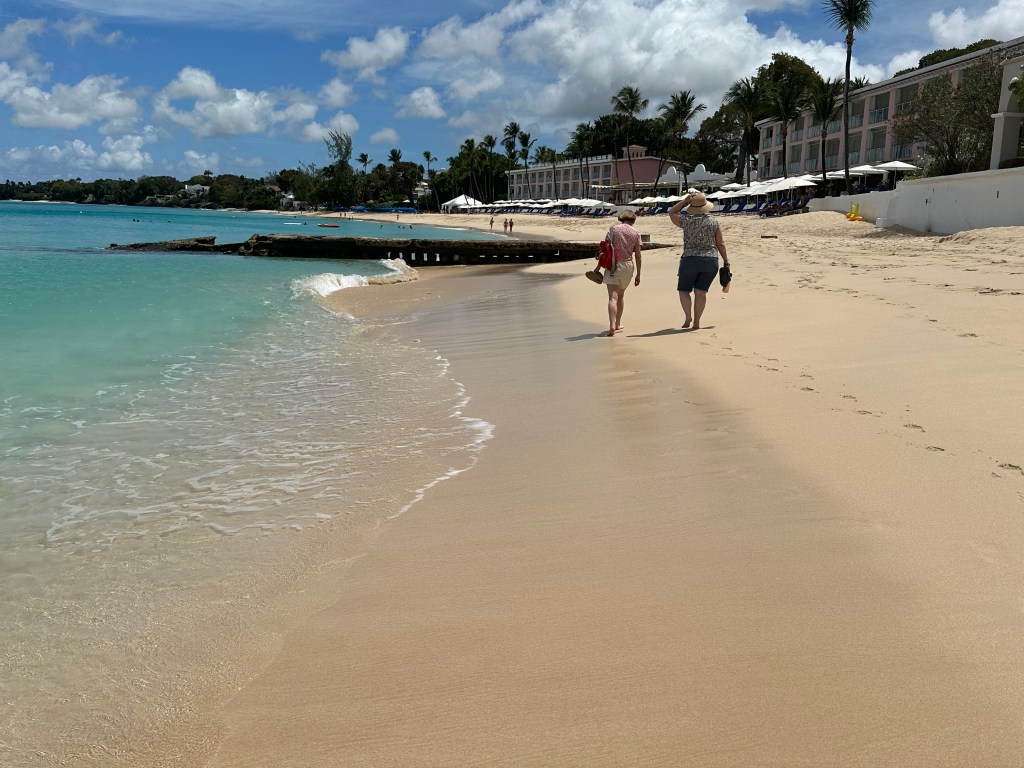
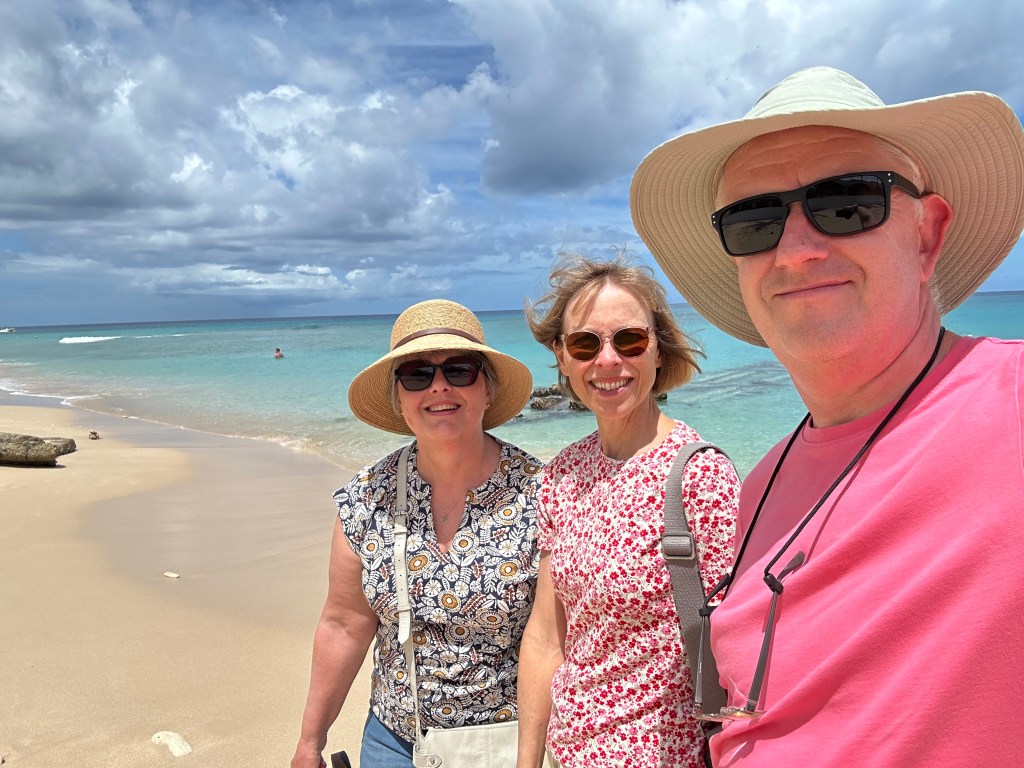
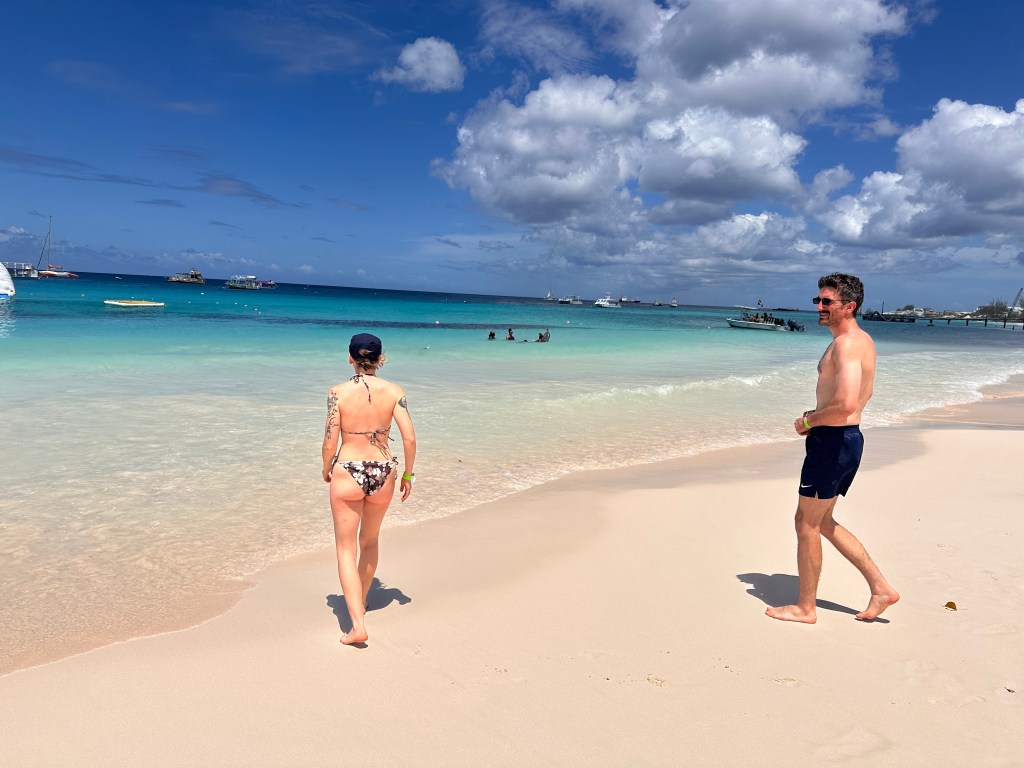
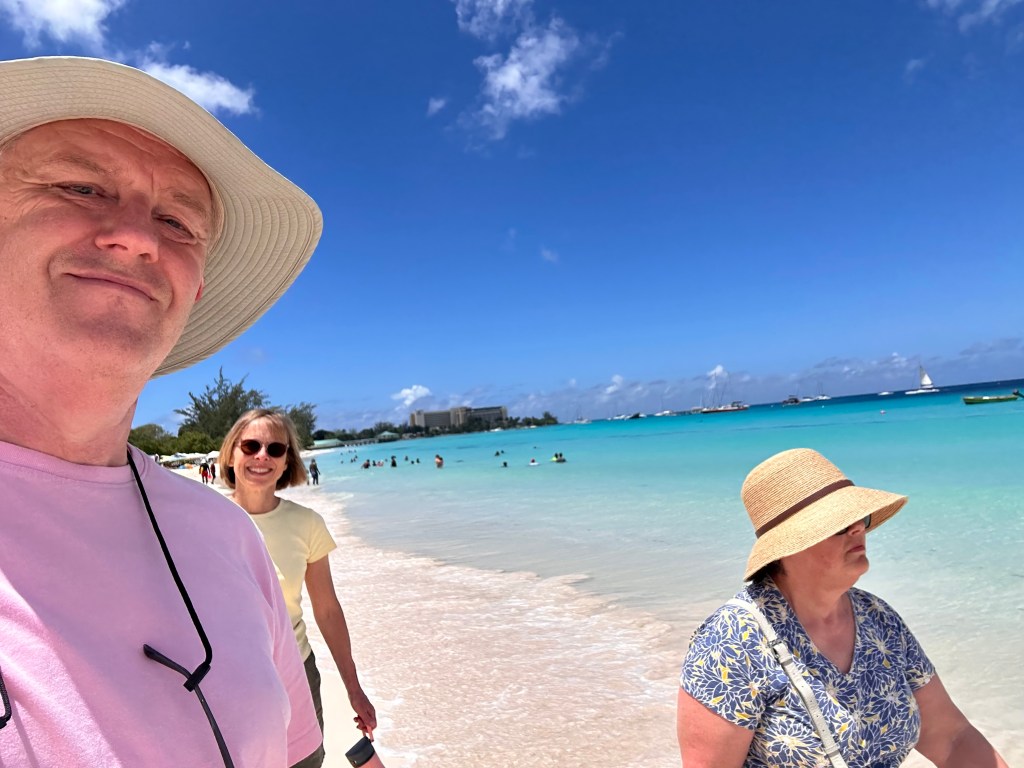
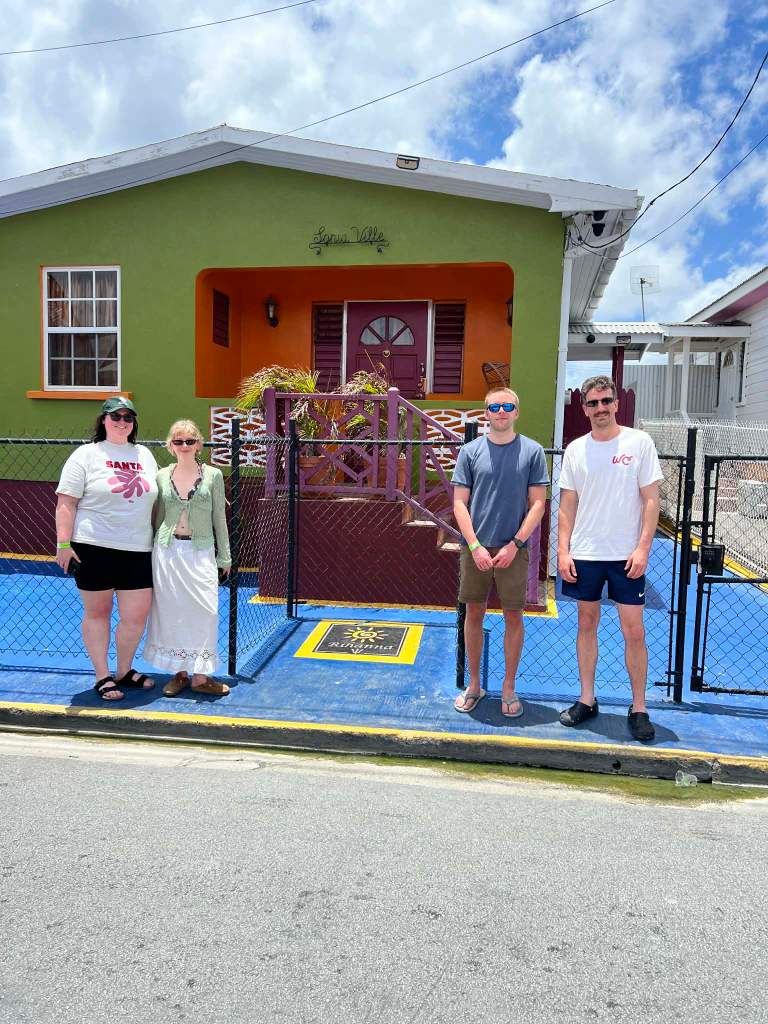
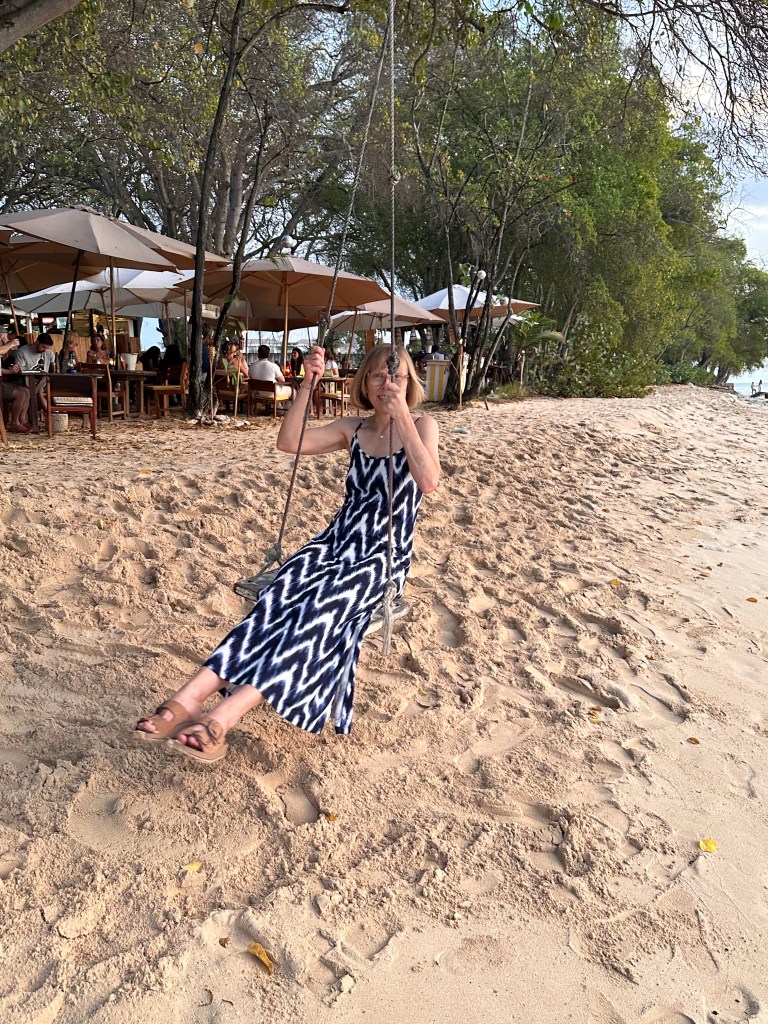
Of course, it wouldn’t be the Caribbean if there was no golden, palm tree edged beaches. We only visited a couple though, the one to the north of Holetown and another one at Carlisle Bay near Bridgetown. Both were golden and glorious, the palm trees were evident and beach bars provided the required amounts of hydration. If you are a beach person I imagine they will be right up your alley. Whilst we can appreciate the aesthetic of a beach we aren’t really beach people, possibly because right up your alley is where the sand gets. The young ‘uns lasted longer there than the old ‘uns and as an aside, on the way back from Carlisle Bay they stopped to get a photo outside the birthplace of Rhianna. She’s a singer you know, and the most famous Barbados citizen after Gary Sobers. In fact, Gary has probably been relegated into second place by now.
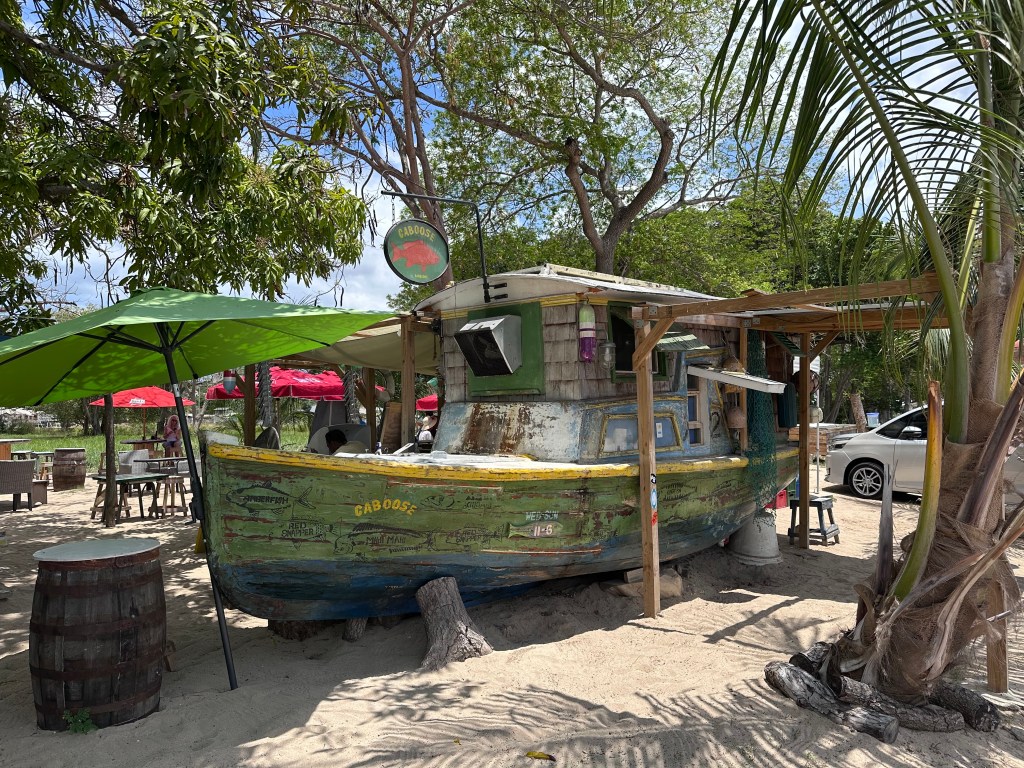
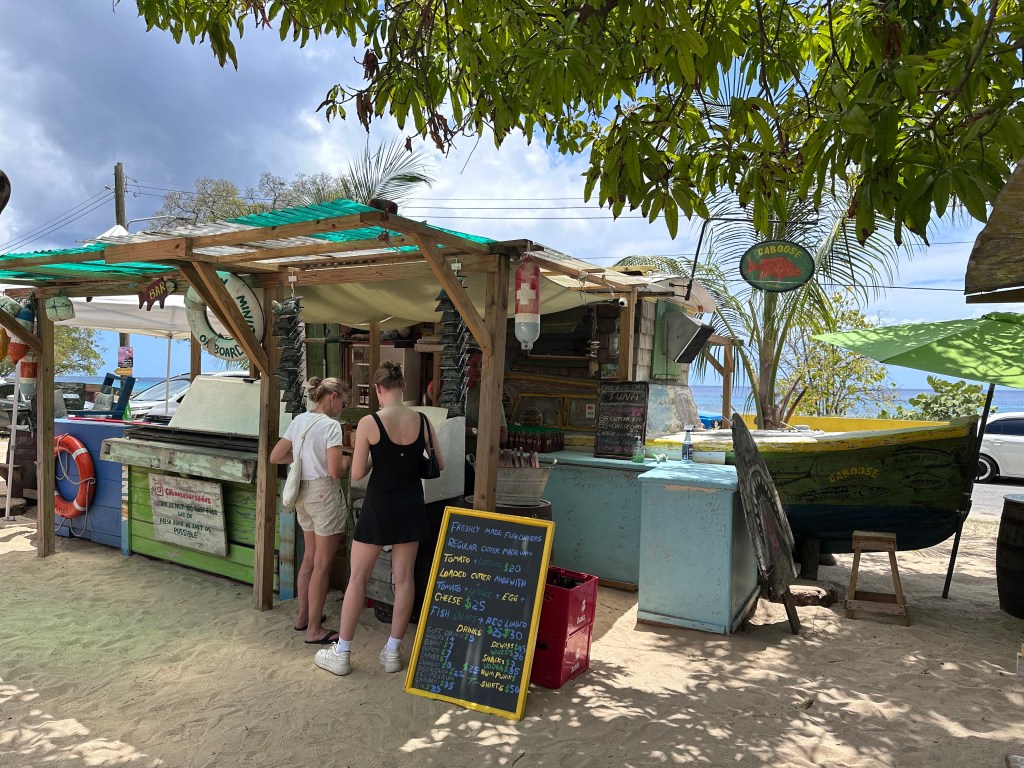
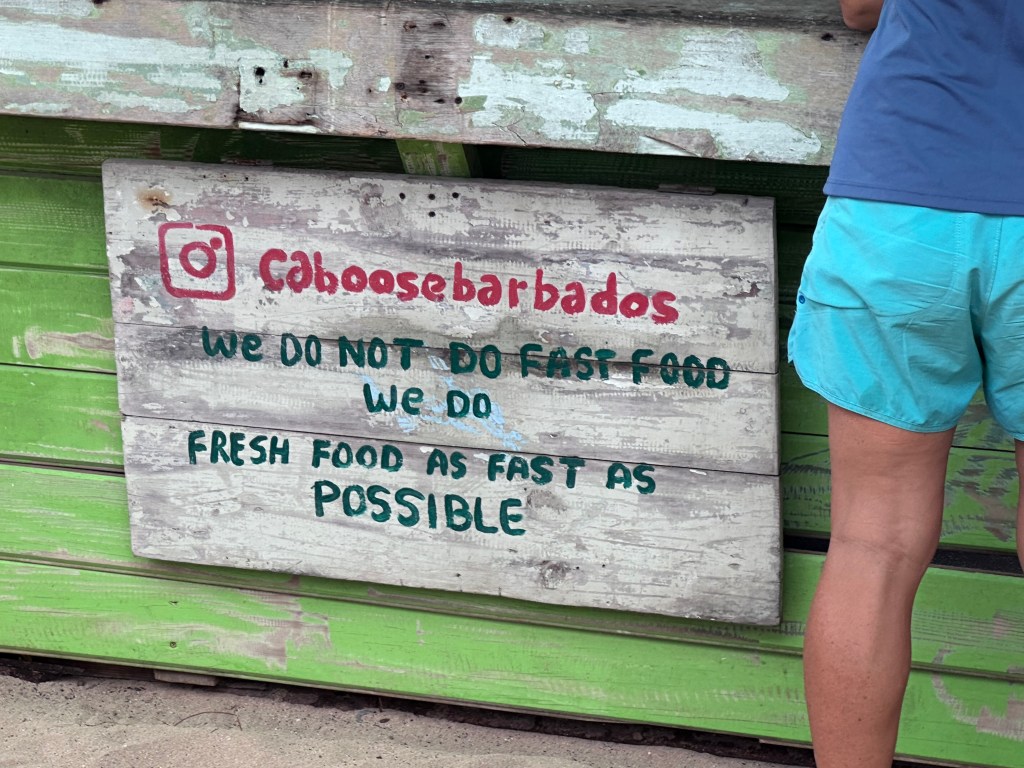
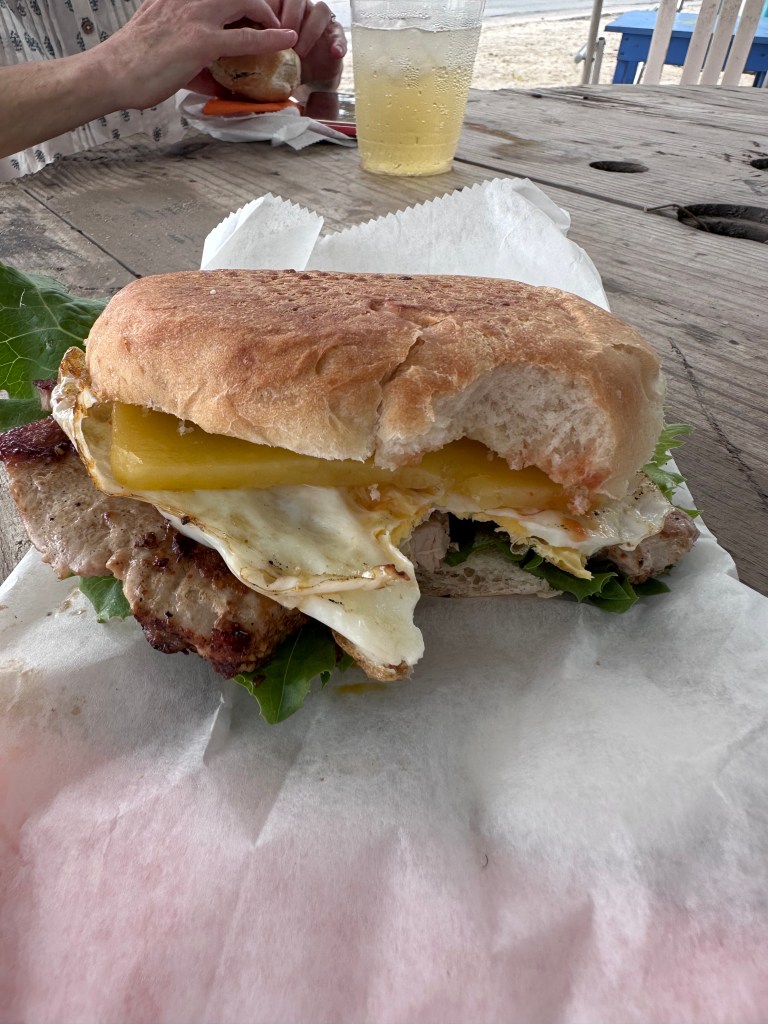
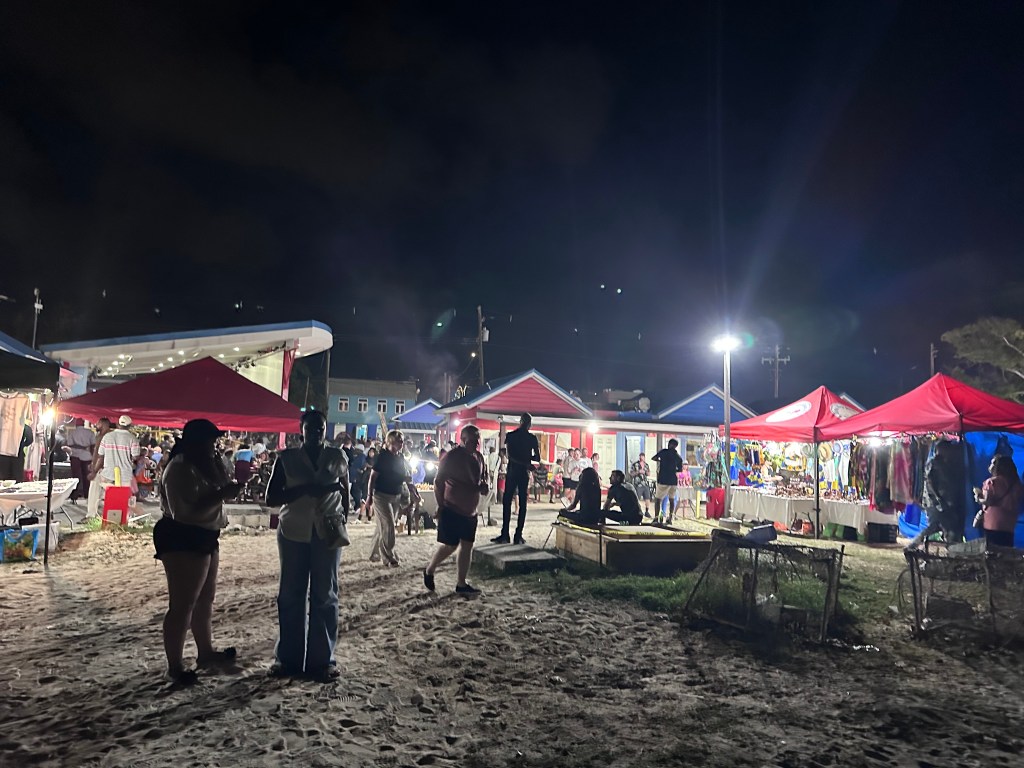
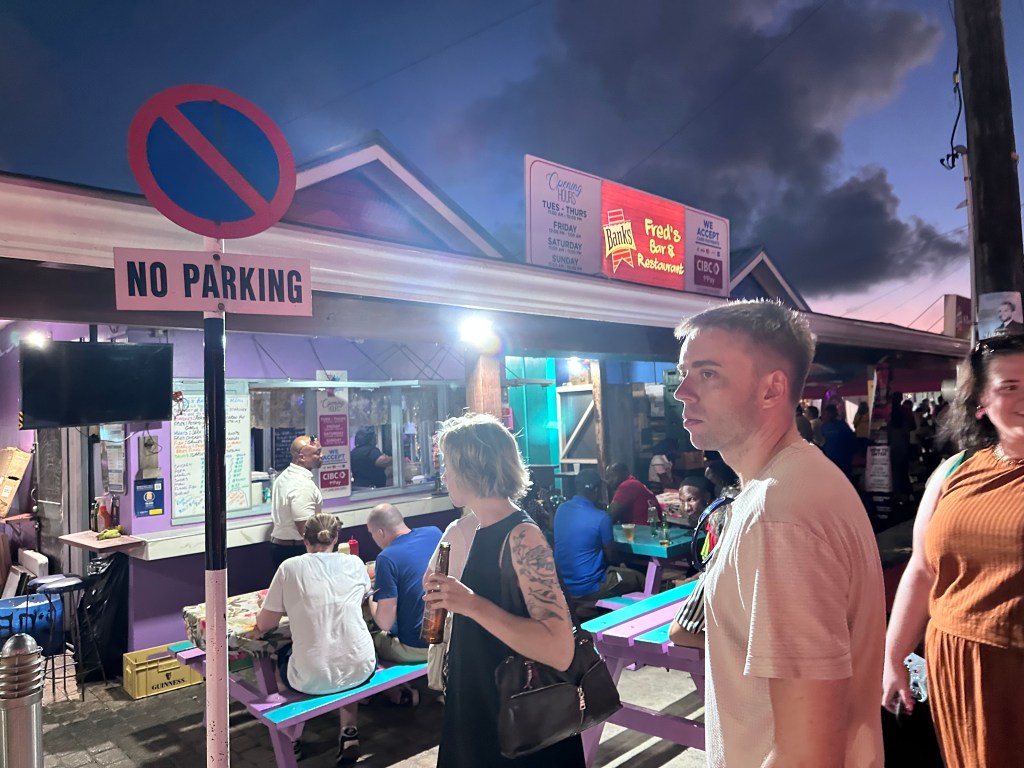
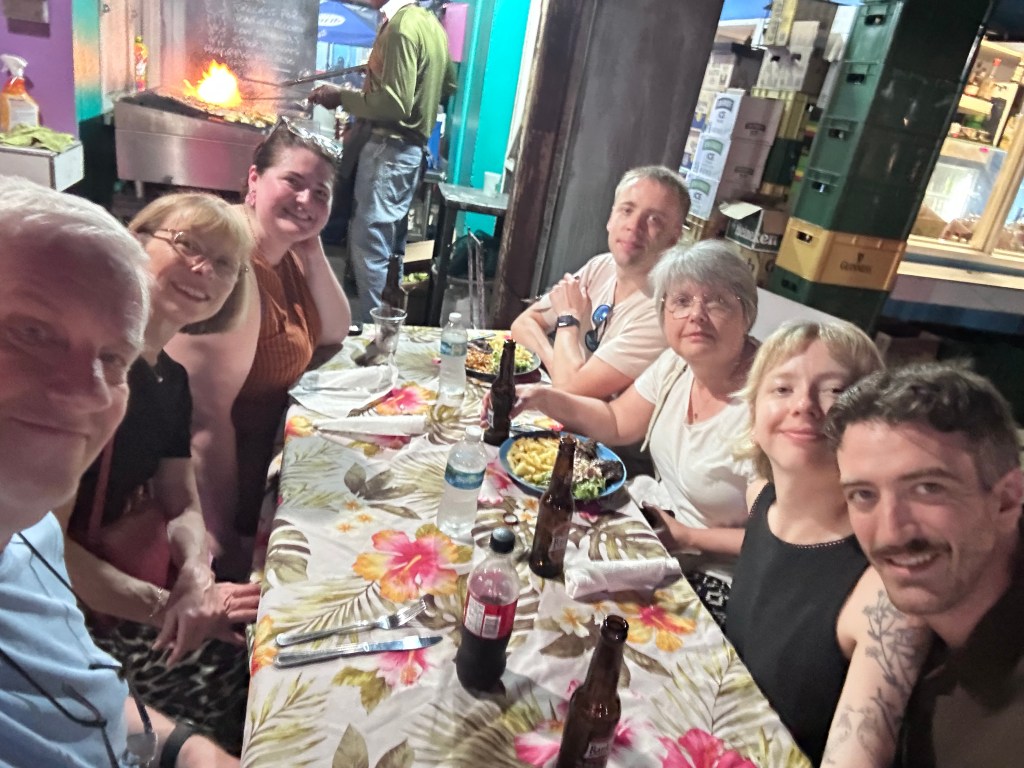
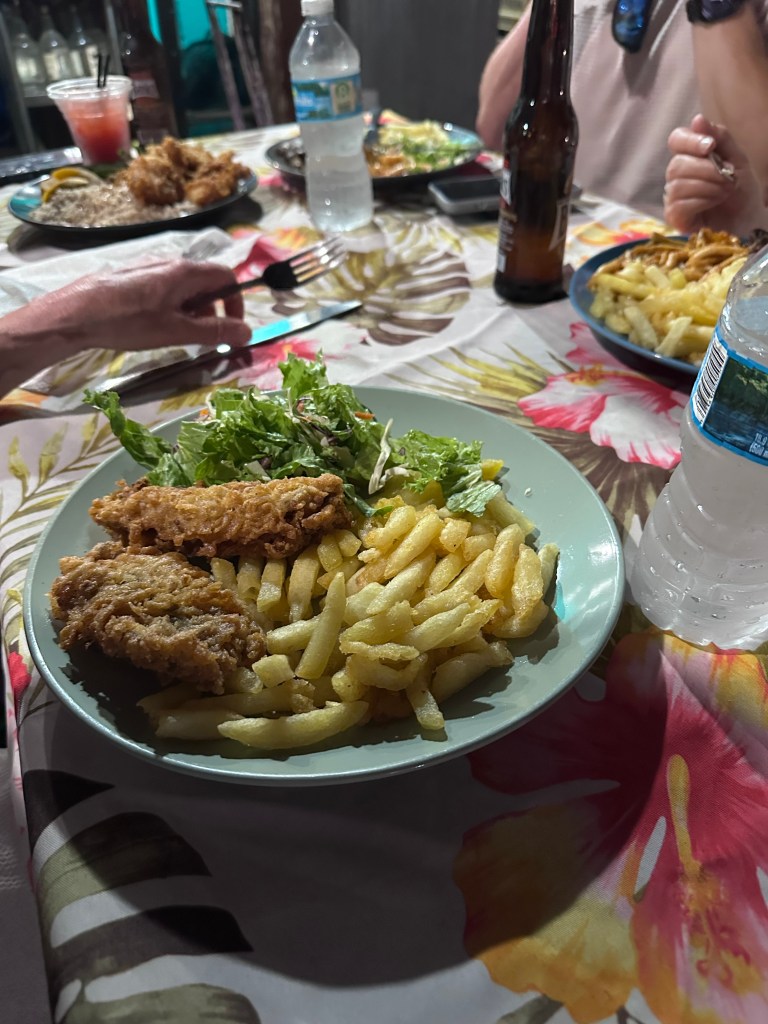
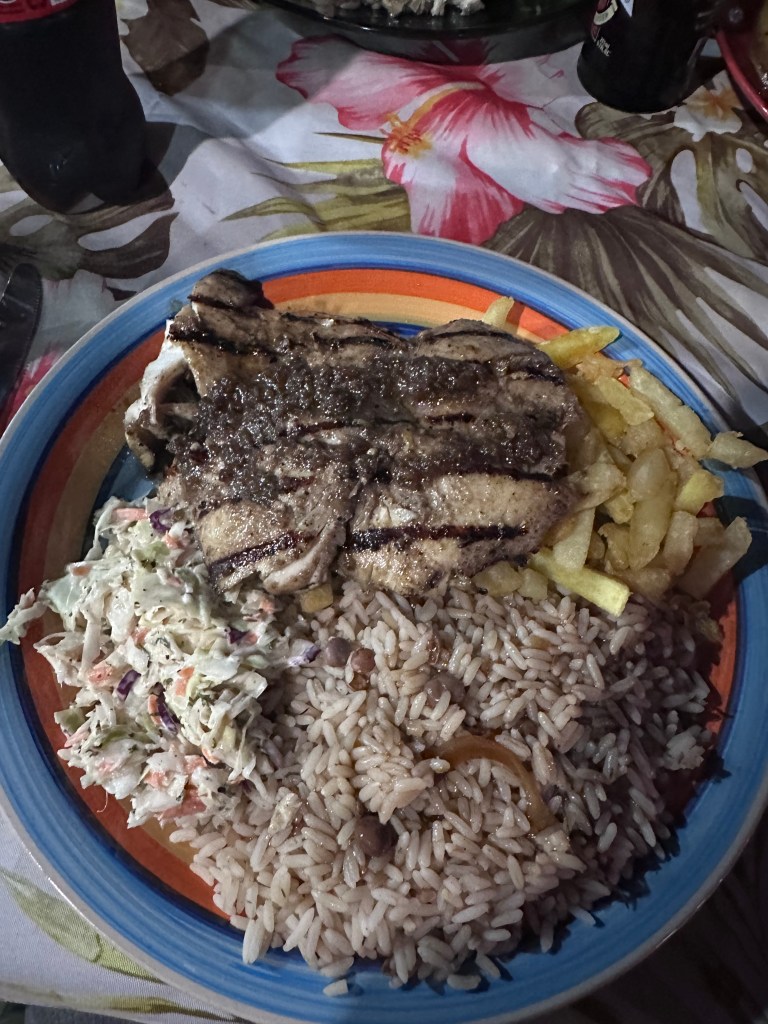
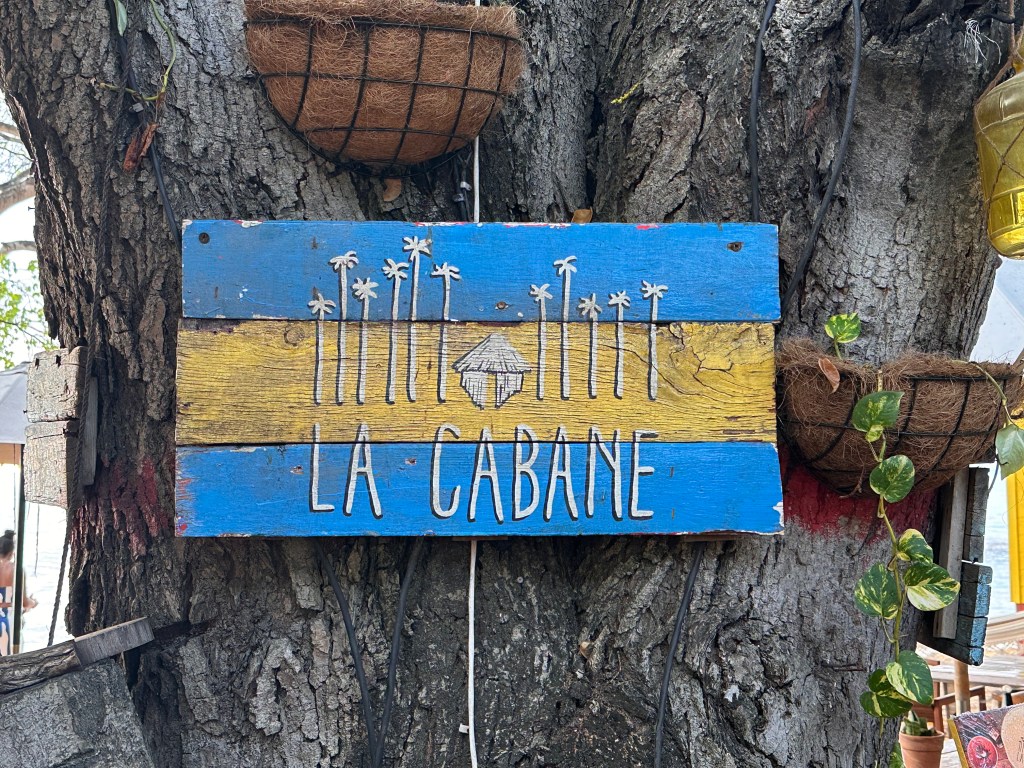
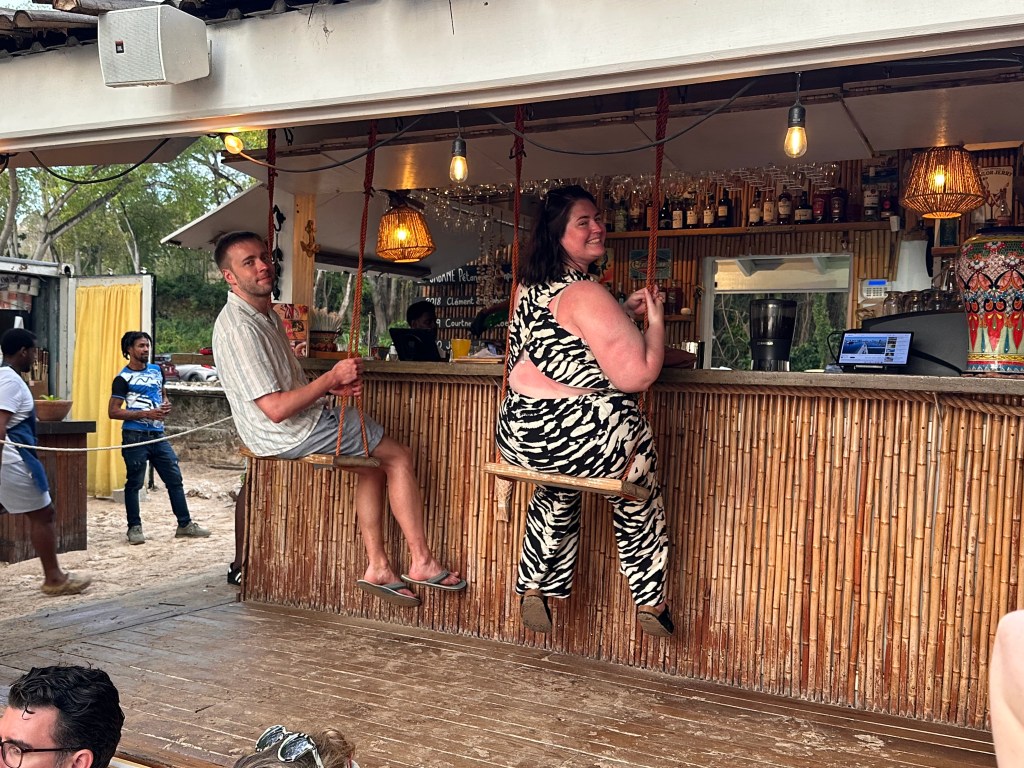
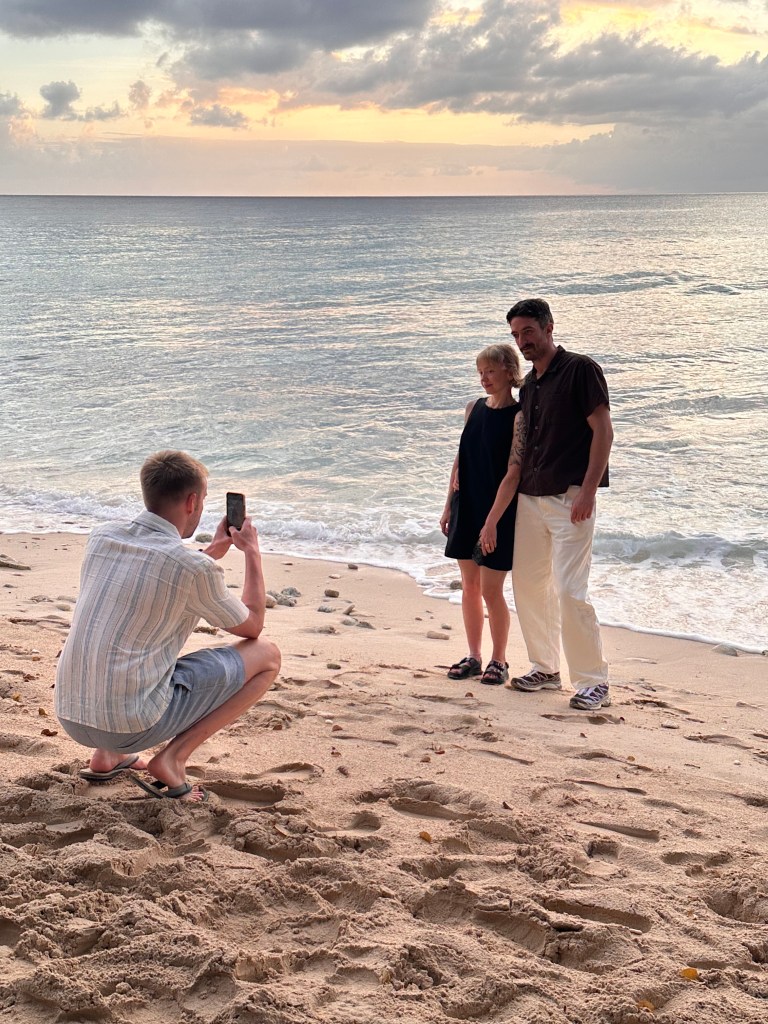
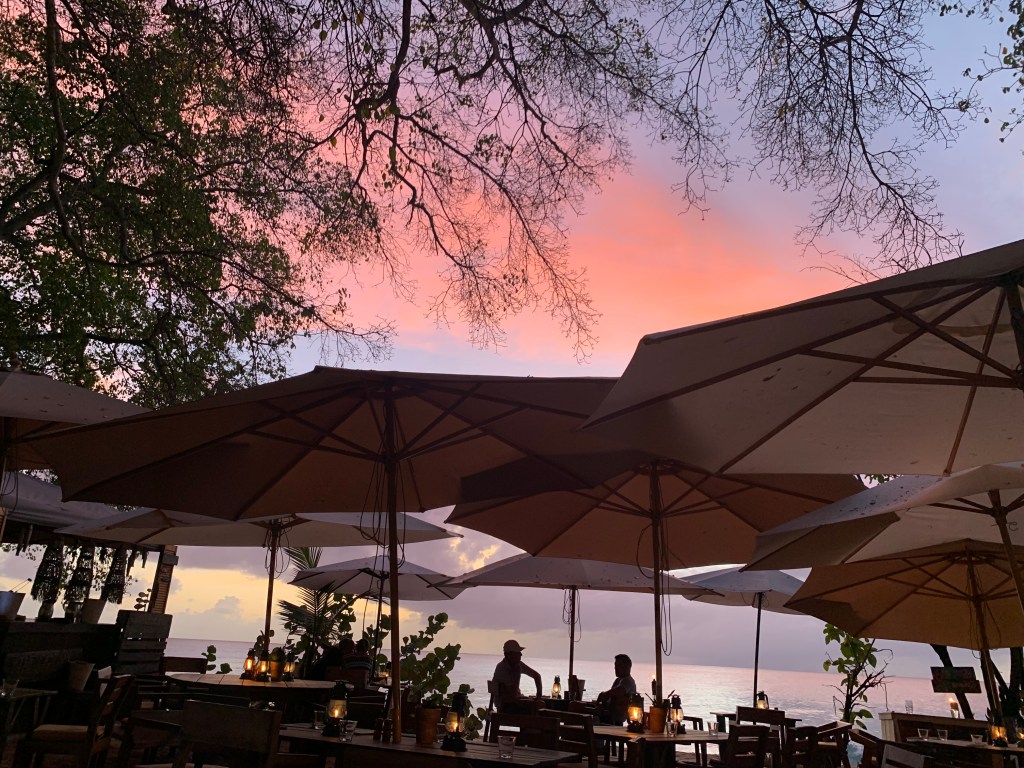
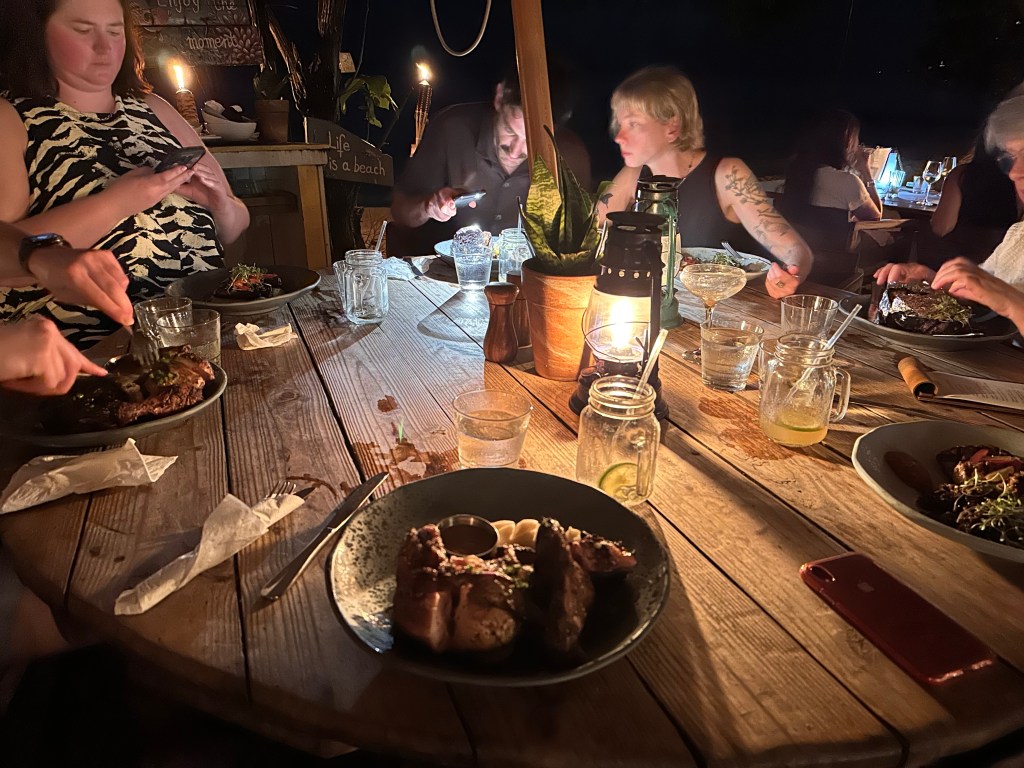
There are other attractions but they will have to wait until we go back. Instead I’ll talk about eating out. There isn’t much to say though as we tended to eat at the villa as Janelle was a remarkably good cook. It meant a few visits to Massey’s Supermarket but saved us hunting out a restaurant every day. We did eat out a few times though. We went for breakfast at Brighton Farmers Market. It’s been going for 25 years now so is a bit of an institution with folk turning up from all around the island every Saturday morning. It’s mainly food outlets with a few craft stores. I can’t say I was overly impressed but some folk love it. A popular place for lunch is Caboose, situated in Speightstown a few miles up the coast from where we were staying. The fun thing is it is a boat that has been dragged over a small seawall, across the road and onto a bit of park land where it has been turned into an unlikely cafe. They only really do fish cutters (sandwich by any other name) along with beer and rum punch but it is good and a genuine Bajan experience at a relatively modest price. Another institution is the Oistins Fish Fry. This takes place, fittingly, in Oistins on the south coast and on a Friday evening is basically a big party with a number of fish cafes selling, well, fish. (Non-fish dishes are available) One of the stalls seemed particularly popular so we ignored it and went to another one called Fred’s as we liked the name. We had our dinners, mainly fish. I went for dolphin. Now, before you send an angry posse round to my house to protest, it wasn’t actual dolphin, it is a local fish called Mahi Mahi. It was rather good. The other place we ate out was La Cabane. This is a beach bar and restaurant that is situated down the coast towards Bridgetown. It has its own stretch of beach though not really, all beaches are public in Barbados, and is a great place to watch the sun go down and get those all important instagram photos. As a restaurant it doesn’t have an extensive menu but the food is quality. We recommend going but if you do take a torch. It was an interesting experience eating in the dark.
Practical information:
Money – the currency is the Barbados Dollar which is fixed to the US dollar at a rate of 1.98:1, in effect two Barbados to one US. Everywhere accepts either currency at the 2:1 rate which makes things nice a simple. Electronic payment is very widespread, though it’s a good idea to have some cash for the odd place that doesn’t have the facility and for leaving tips. There are ATMs in the supermarkets.
Driving – Brits will feel pretty much at home here. They drive right hand cars on the left hand side of roads full of pot holes. Actually, the roads are in a pretty bad state, especially the minor ones. The main roads are ok but road markings are largely faded which makes night driving a bit tricky. It’s definitely worth getting a car though if you want to get around and see the island.
Arrival – Bridgetown Grantley Adams Airport in on the south coast. It’s not big and can get a bit crowded when a number of long-haul flights pitch up at the same time. The VIP Arrival service which we were offered as a special promotion by the Villa’s agent is great and got us through the arrival formalities in just a few minutes. We didn’t have much in the way of queues on the way home. There isn’t much to do in the airport whilst you wait to board your flight though there is a basic lounge you can pay to enter where you can get a bit of peace and quiet. If you are lucky enough to be flying Business Class, BA and Virgin have their own lounges.
Prices – I would never say that Barbados is a budget destination. Prices of everything tends to be relatively high, though not extortionate. Buying our own food in the supermarket allowed us to compare prices with home and it is, on the whole, akin to doing your shopping at Marks and Spencer rather than Asda. In fact Massey’s has a tie up with Waitrose in the UK and sold quite a bit of their branded stuff. Attraction entry fees are perhaps a bit higher than you might expect and eating out is too. Car hire wasn’t particularly expensive though it pays to shop around. We used Stoutes Car Hire which was significantly cheaper than the company offered by Hammertons. Petrol was similarly priced to home and each car used about £40 worth over the course of the nine days we had them. As for the catamaran tour, we ended up paying a bit more than we had intended as the cheaper one, recommended by friends, was full by the time we’d decided who was going.
Accommodation – If you clicked on the link above you will have worked out the cost of the villa by now. Along with the villa you get access to the Sugar Hill estate’s facilities and also membership of the Fairmont Hotel club down at the beach. The aforementioned staff are included in the price though you will almost certainly want to tip them at the end of the stay. Booking through Hammertons was easy and they were a good company to deal with. There are other companies that offer villas too, it seems to be quite a normal form of accommodation on the island. Of course you don’t have to stay in a villa, there are plenty of hotels from all inclusive to basic situated mainly on the south and west coasts.
Climate – Tropical. Hot but not too hot, can be a bit rainy but when we were there we only saw a couple of showers. with temperatures hovering just above the 30C mark. Peak time is the northern hemisphere winter. Summer can be very humid and have more rainfall and whilst it has a hurricane season like the other islands, it hasn’t actually suffered a one since the 1950s. I’d say that when we went was ideal, you have the advantage of it being (relatively) inexpensive, it is largely dry and the humidity is manageable.
Mossies – Take some insect repellant. The mossies are determined little buggers. If you are lucky, like Elaine was, they may decide you are not quite tasty enough and leave you alone. If you are unlucky, like everyone else but particularly me and Caryn, your legs will quickly be bitten to high-heaven and you will be cursing the little sods for much of your holiday. A good blast of Veto Mosquito on all your exposed skin certainly helps.
Summary
Barbados delivered for us. That may have been due to our specific needs for this holiday but unlike our previous trip to the Caribbean we were quite sad to leave. You can go there purely to relax or, like us, mix relaxation with a bit of tourism and are unlikely to be disappointed. We had a fantastic ten days there and would consider it as a destination for a family meet-up again. Oh, and the next time there’s an England cricket tour of the West Indies, Kensington Oval in Bridgetown, here I come.
Footnote. Devastating news: I discovered that Barbados isn’t really in the Sunny Caribbean Sea. Typically Tropical got it wrong! The Caribbean Sea is situated to the south and west of the big arc of Caribbean Islands that stretch from Cuba to Trinidad. Barbados is an outlier, 100 miles to the east of that chain of islands and therefore completely surrounded by the Atlantic. I don’t care though. To me Barbados will always be the Sunny Caribbean Sea.